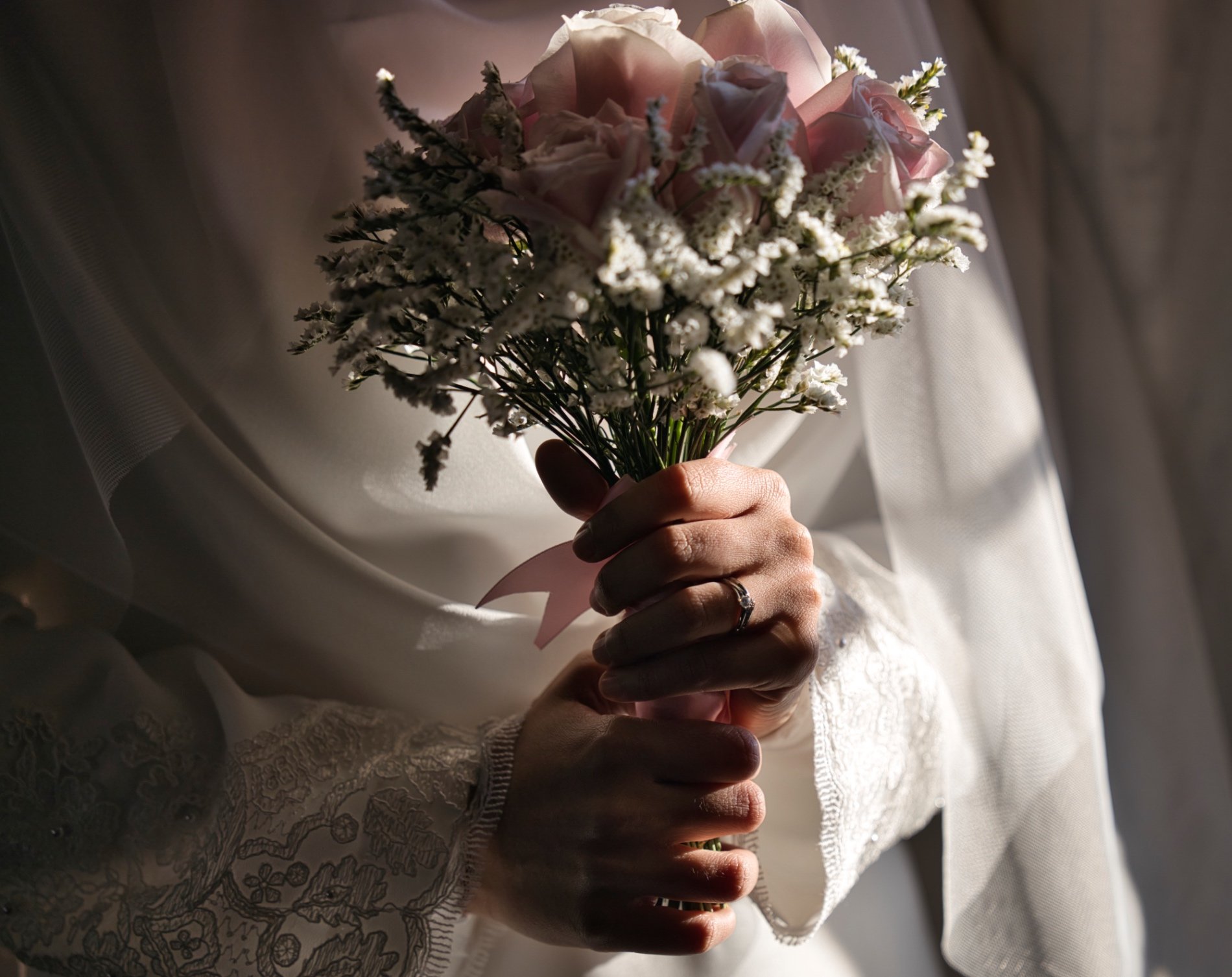
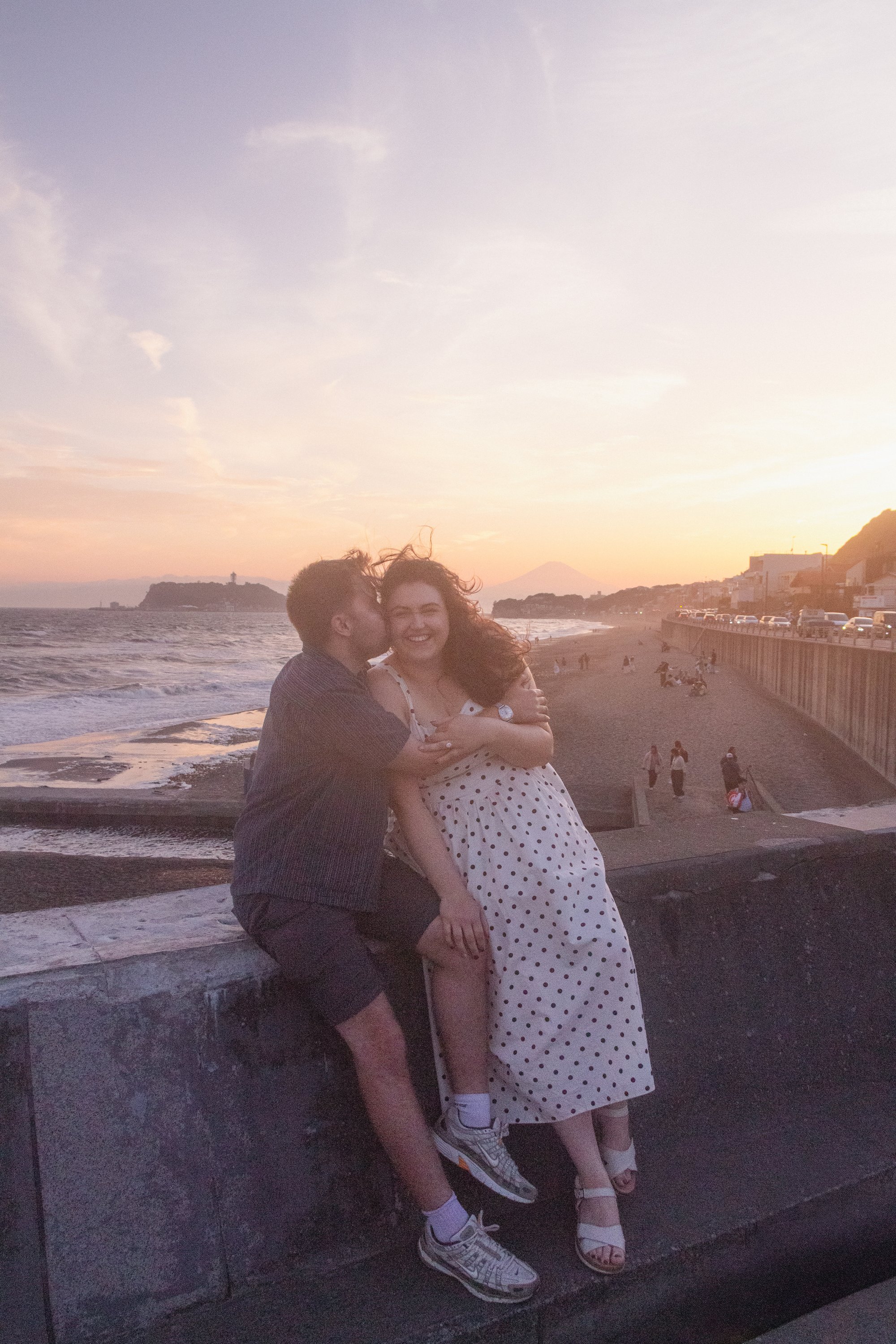
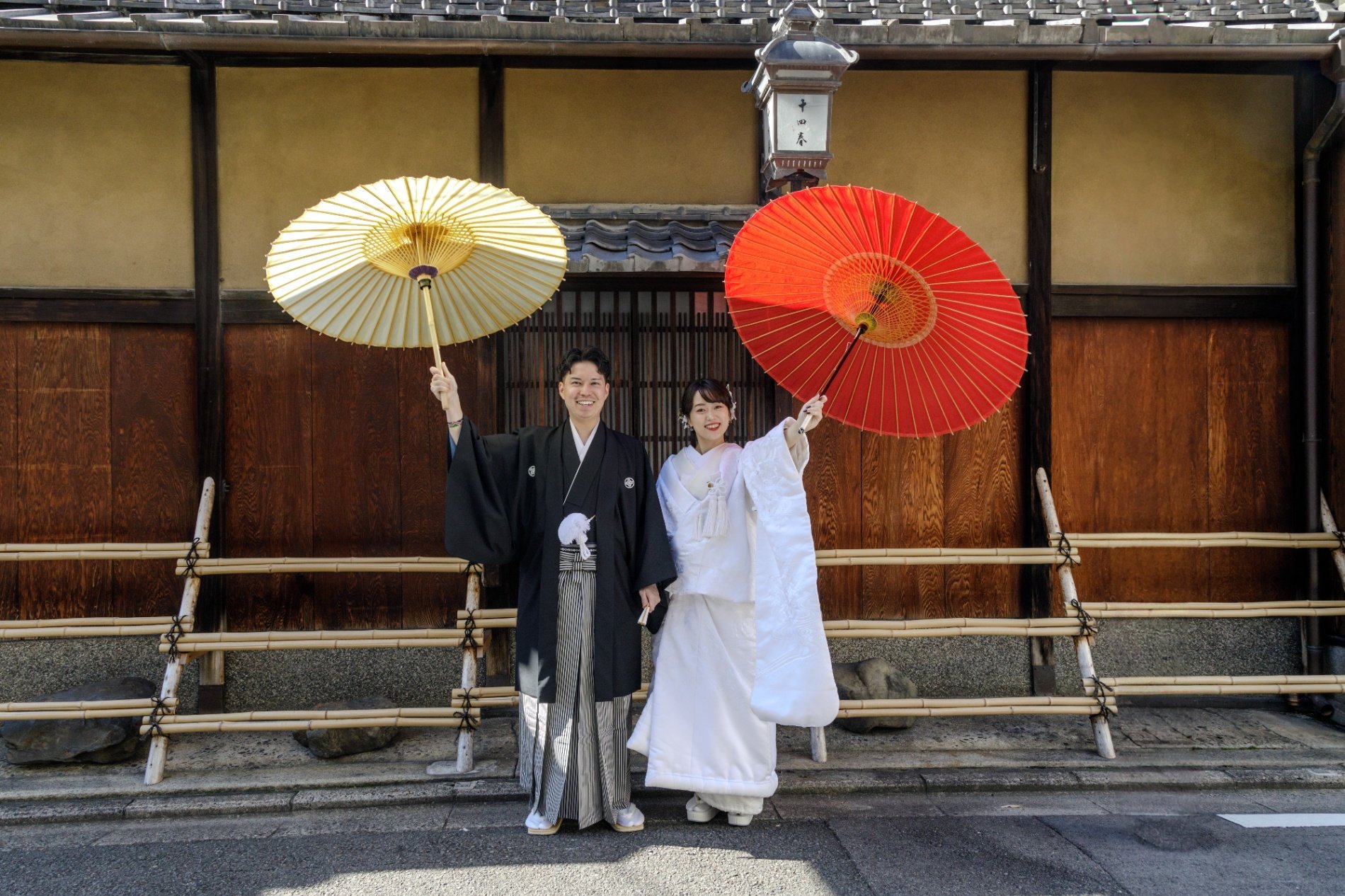
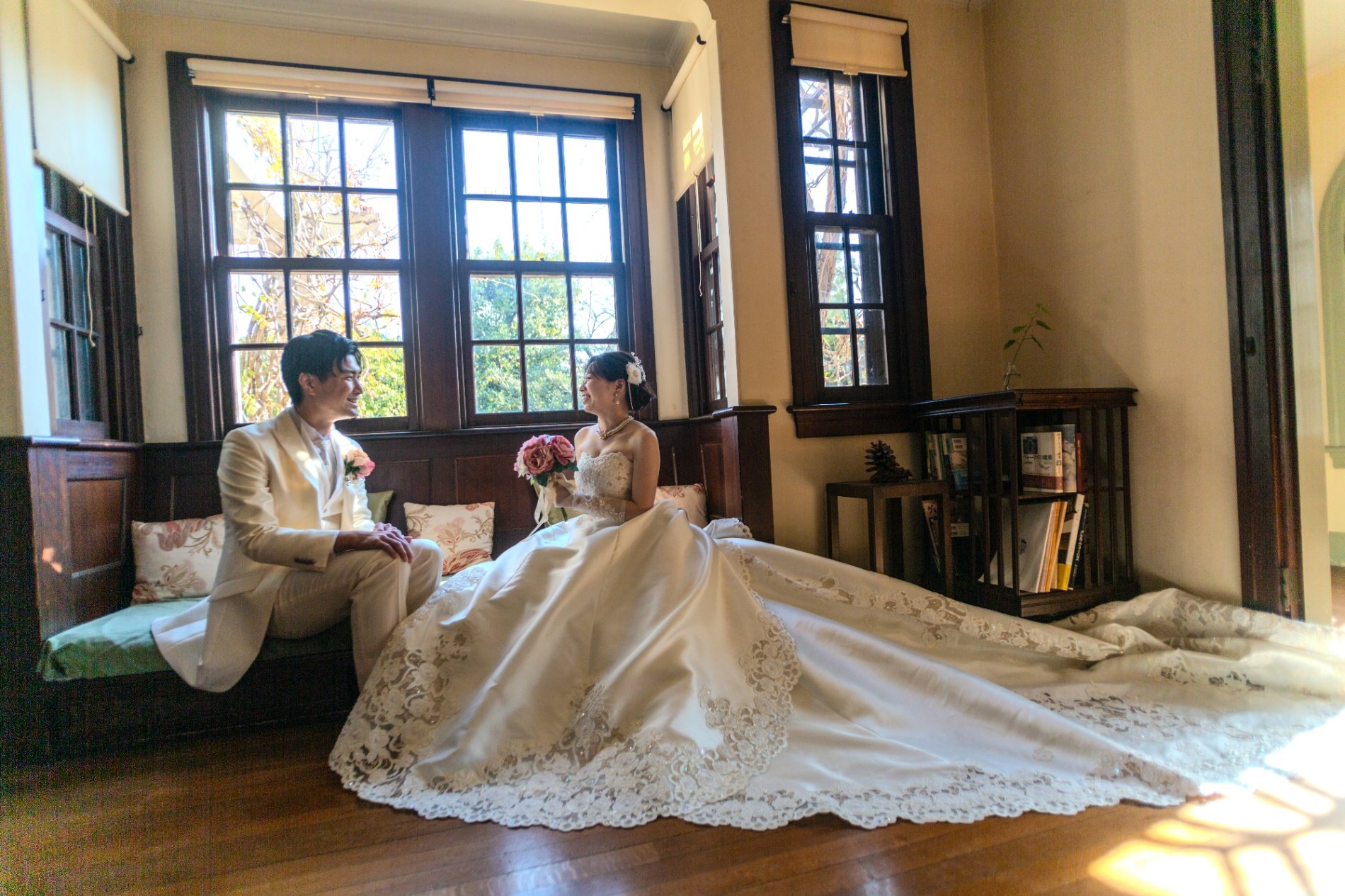
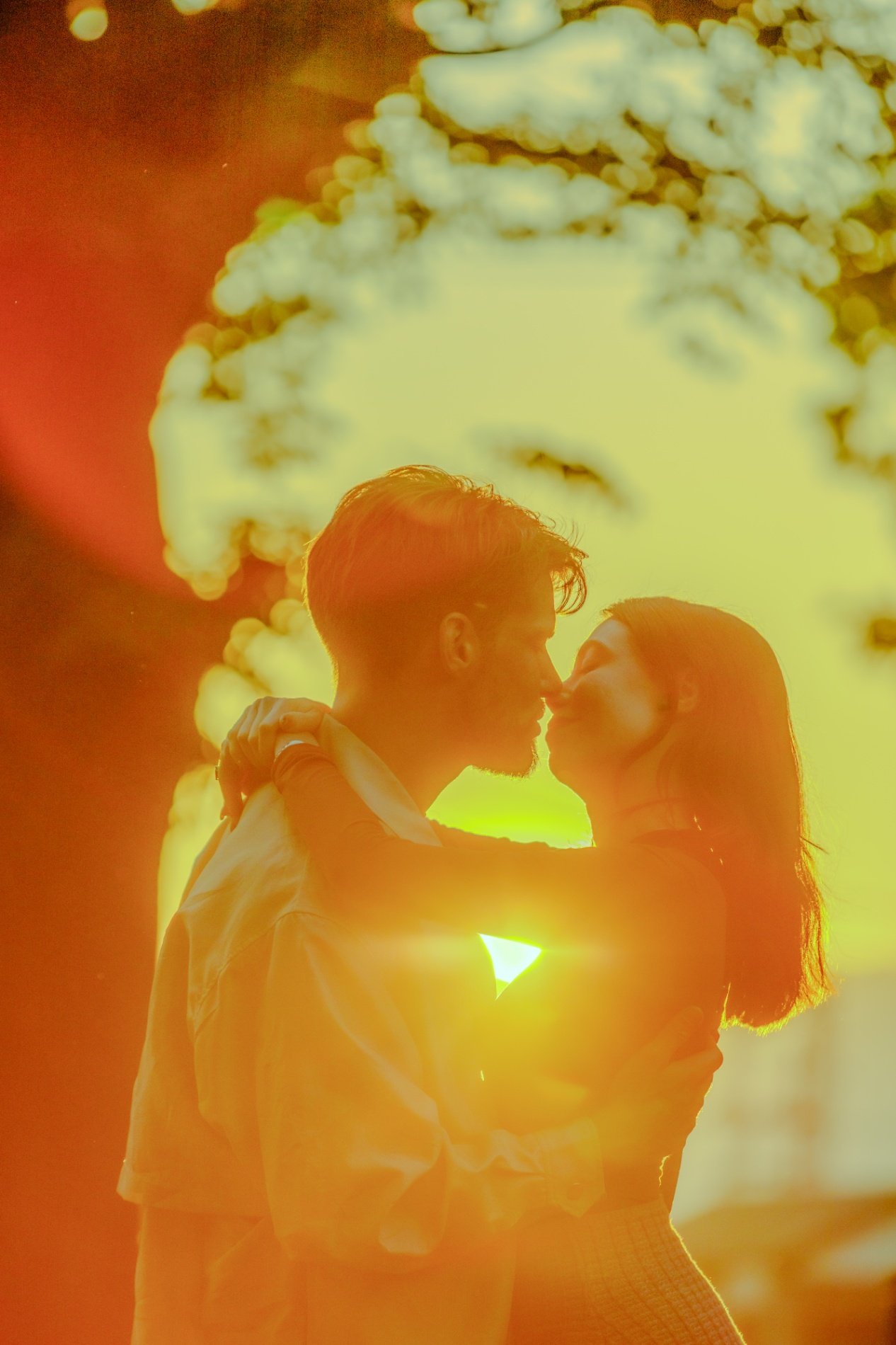
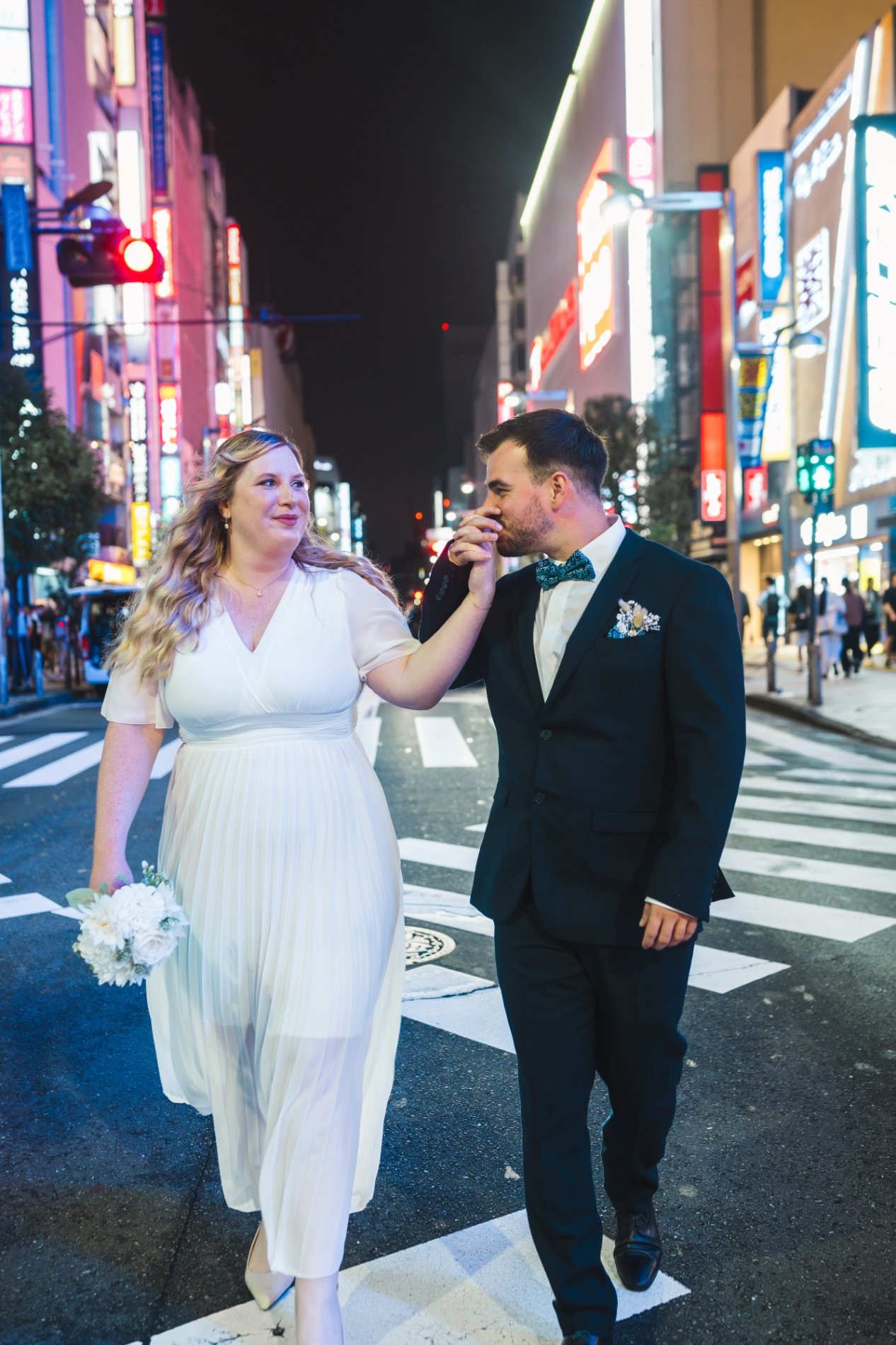
A dress, a suit and one day of photographs is a reason on its own to fly to Tokyo. Which gardens need permission, where the city works at blue hour, and how a two-location day actually runs.
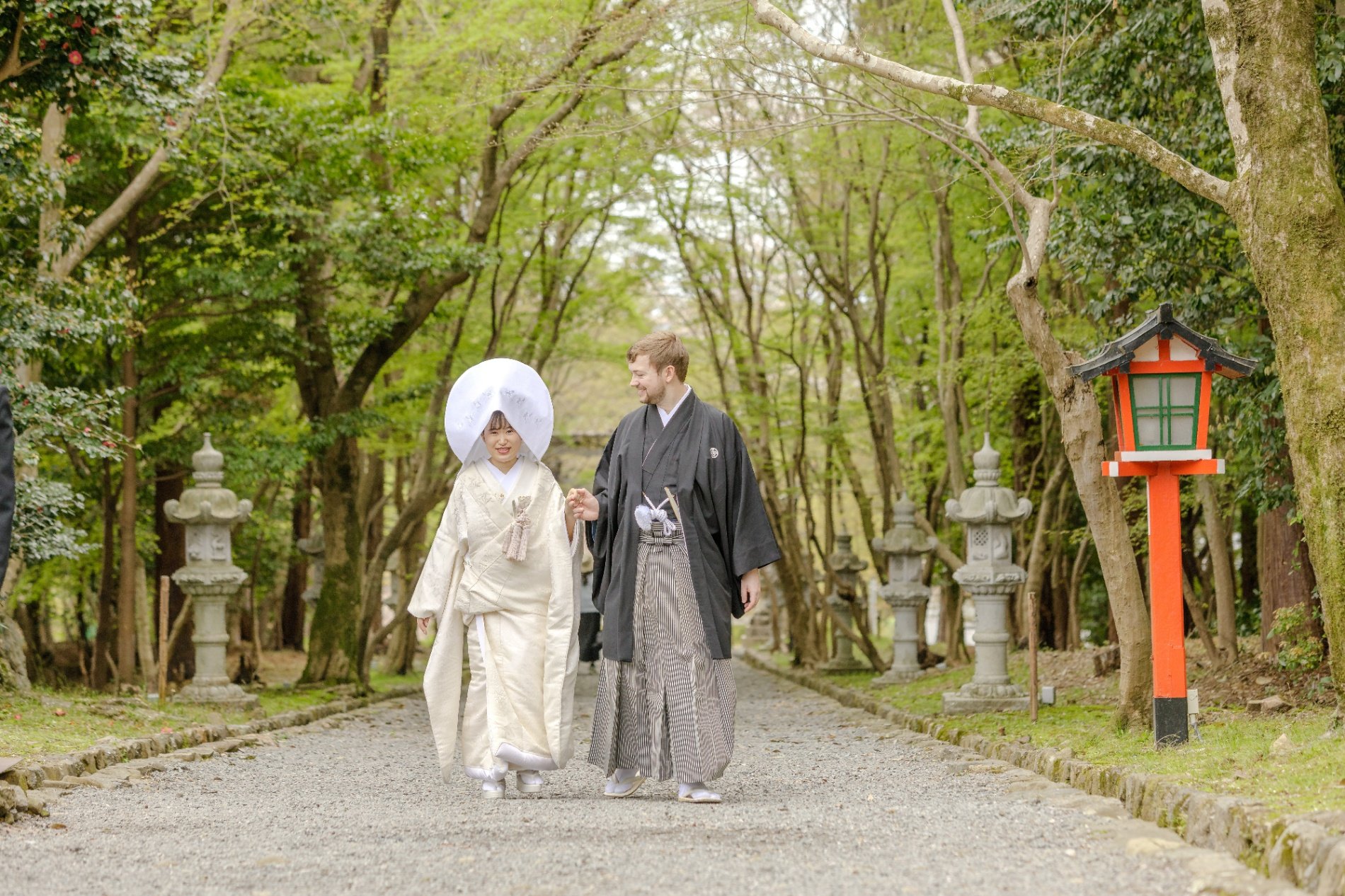
In Kyoto the hard part is not finding a beautiful place, it is permission. Who may photograph the shrine ceremony, what venues allow, and why the portraits are usually moved to a separate morning.
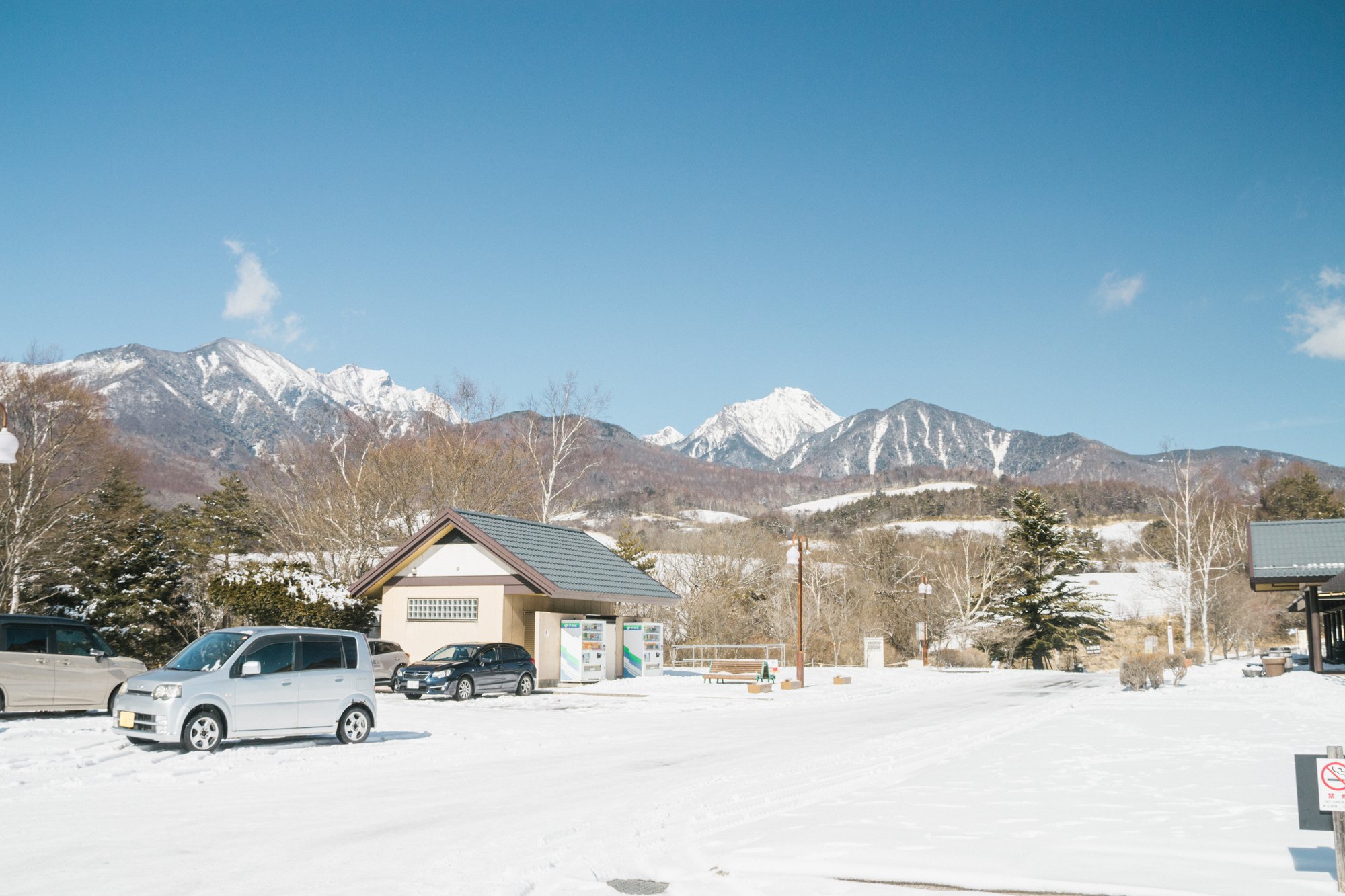
Japan's most photogenic winter is in the places nobody visits in winter. Shirakawa-go's thatch, Takayama before the buses, Kenroku-en's roped pines — and how to build a day around four hours of light.
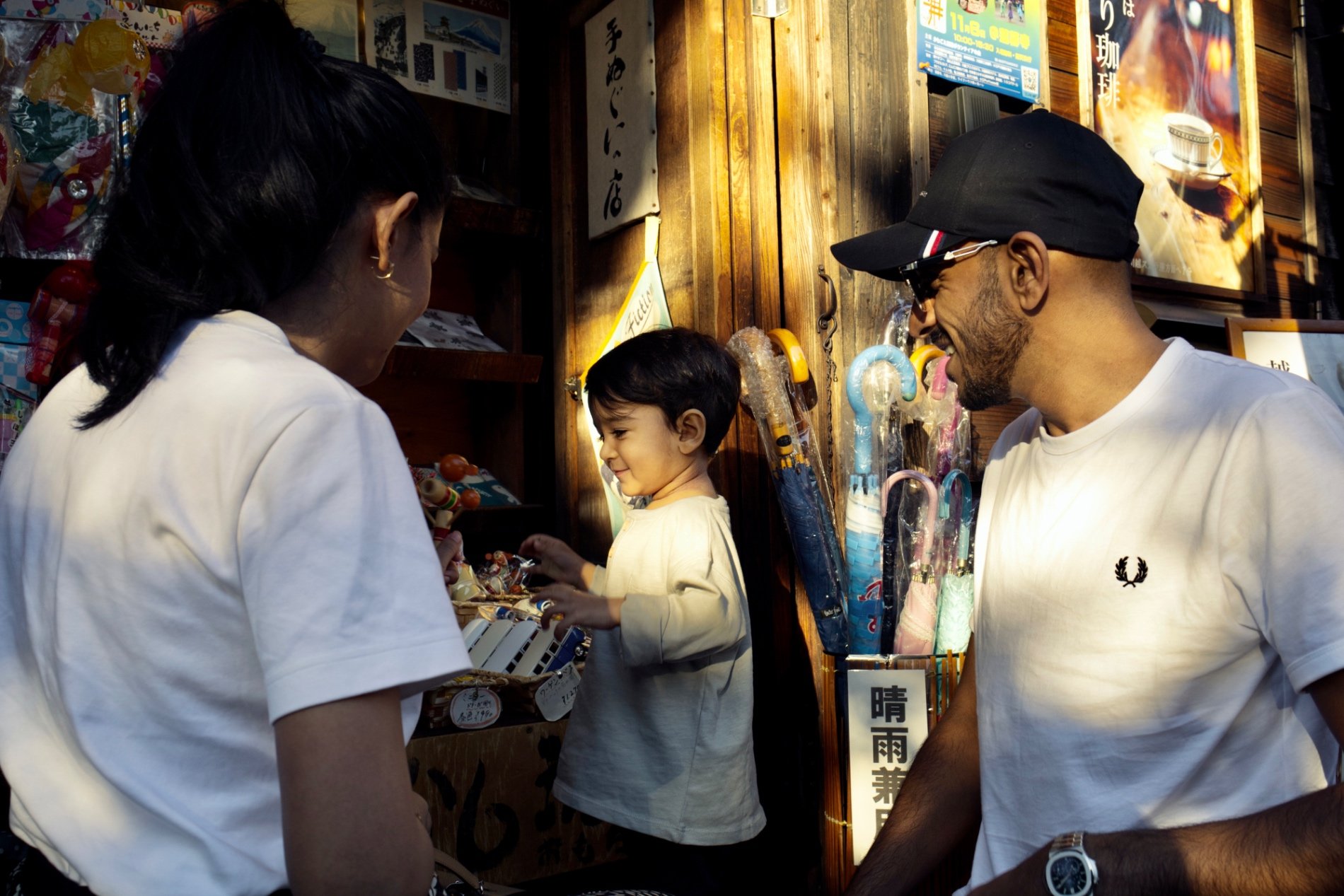
A family shoot in Tokyo is a logistics problem, not a lighting one. Here is where to shoot with small children, which hour to book, and why jet lag is on your side for about a week.
Three rushed shoots in three cities is the classic honeymoon mistake in Japan. Here is a one-week route — Hakone, Kyoto, Miyajima — with one session in the place and the hour that deserve it.
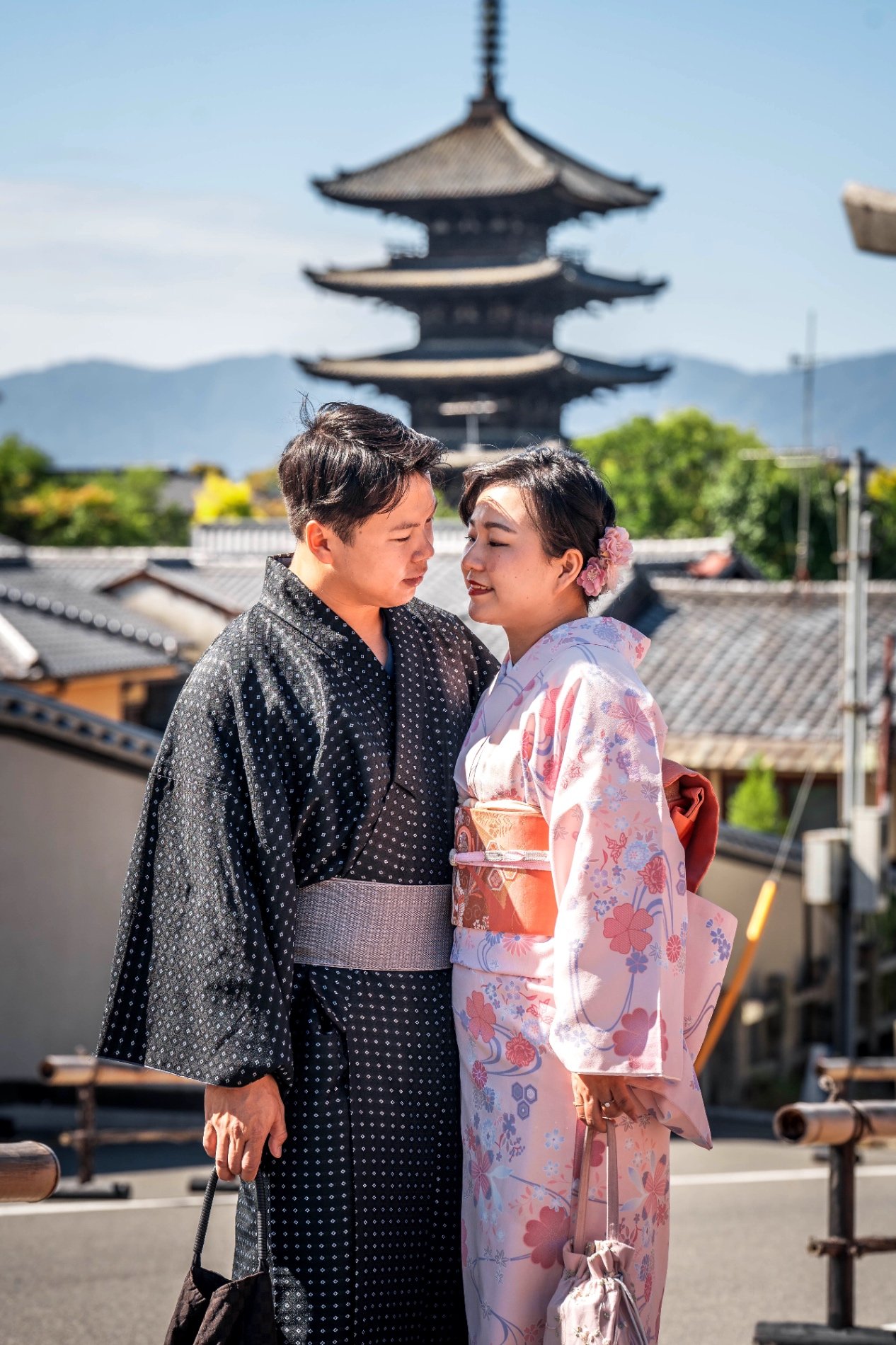
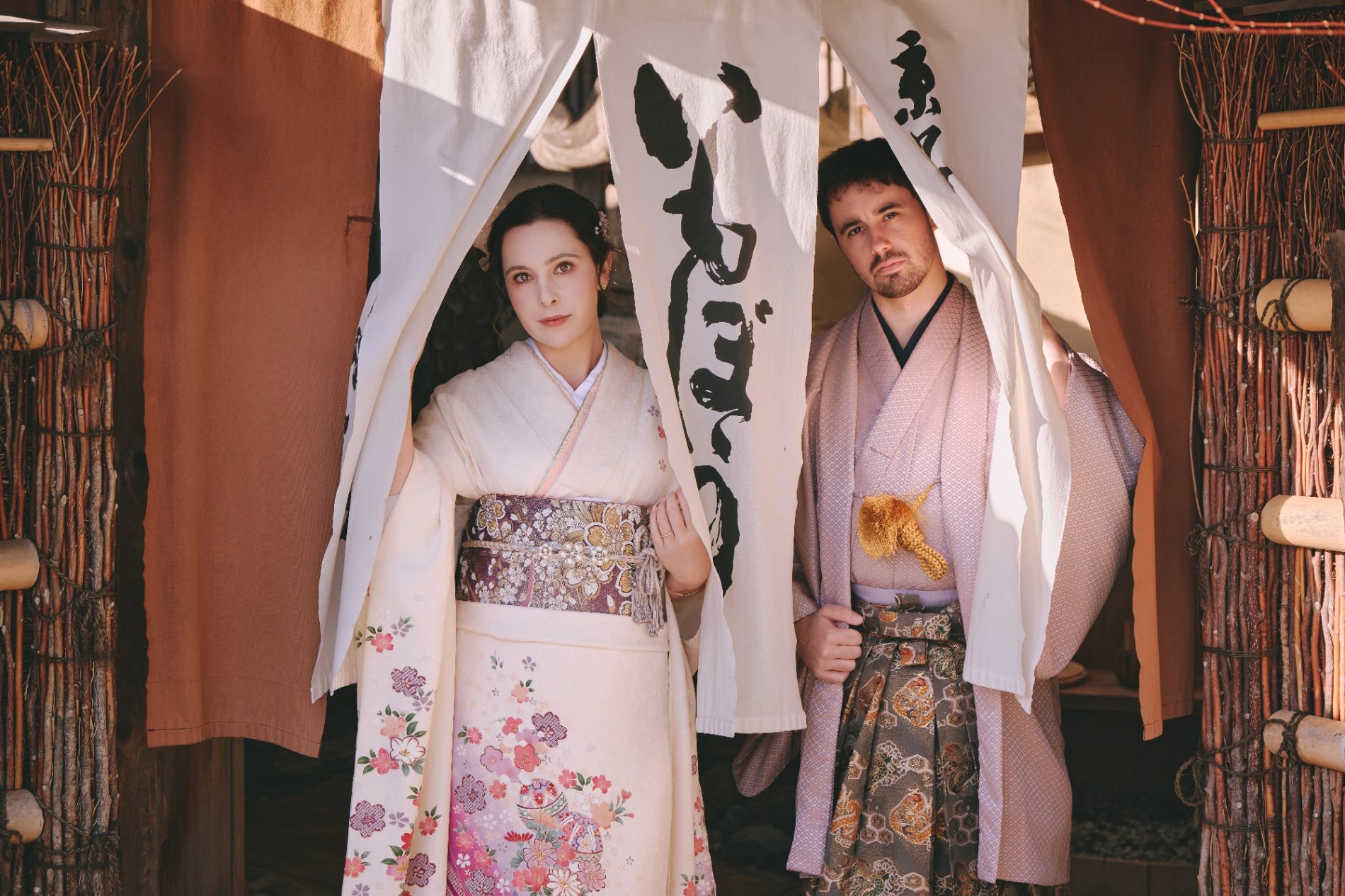
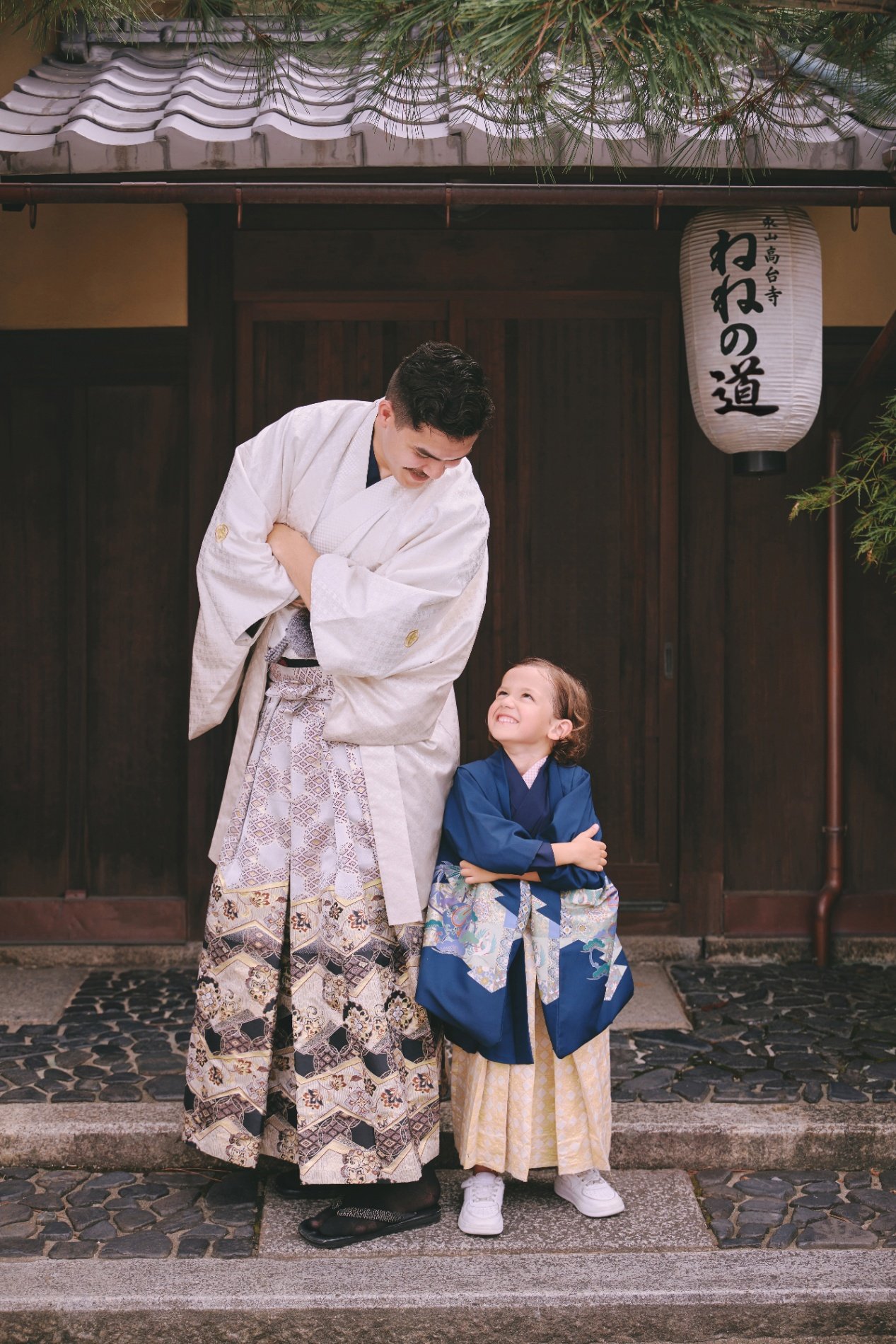
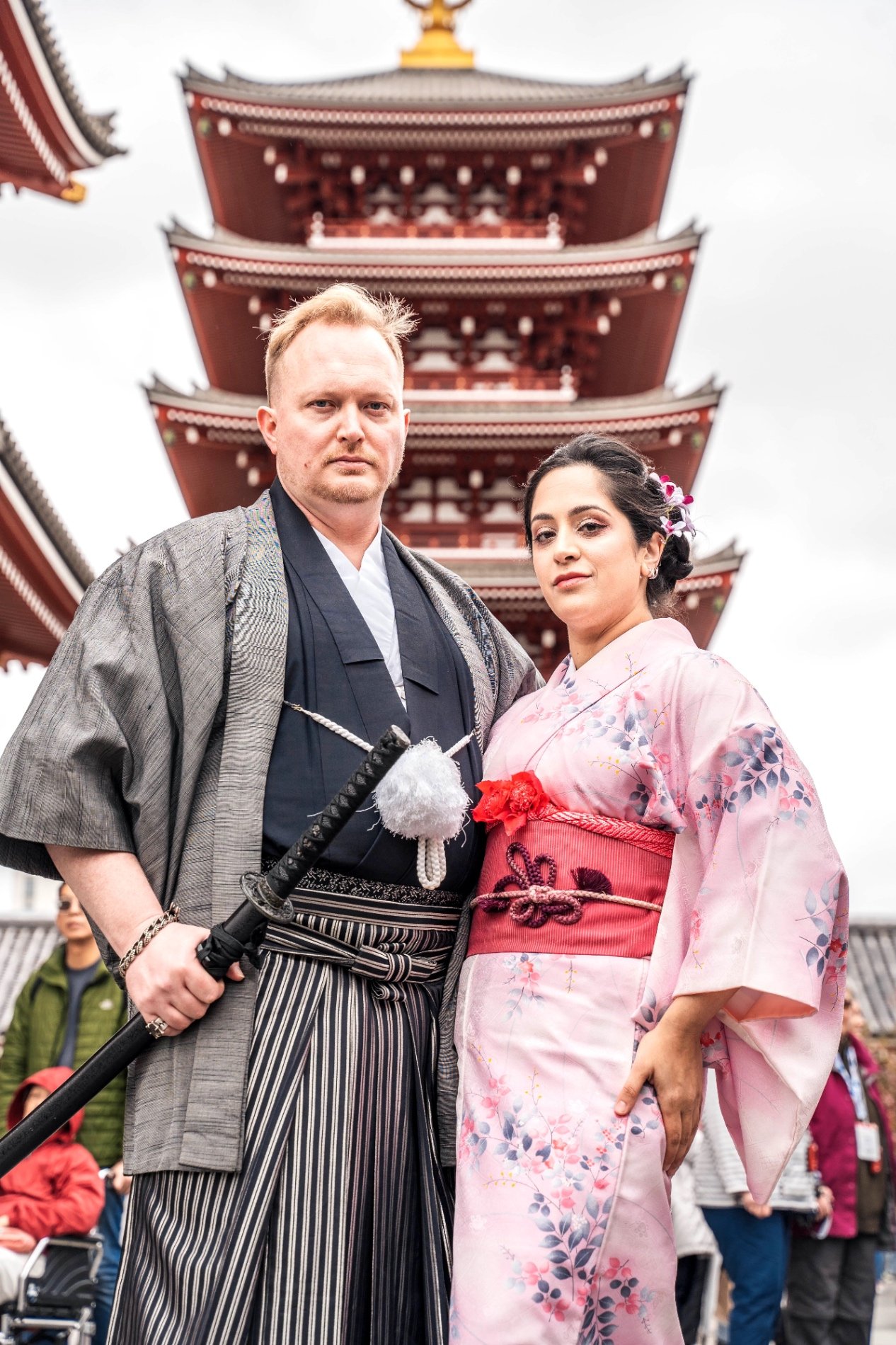
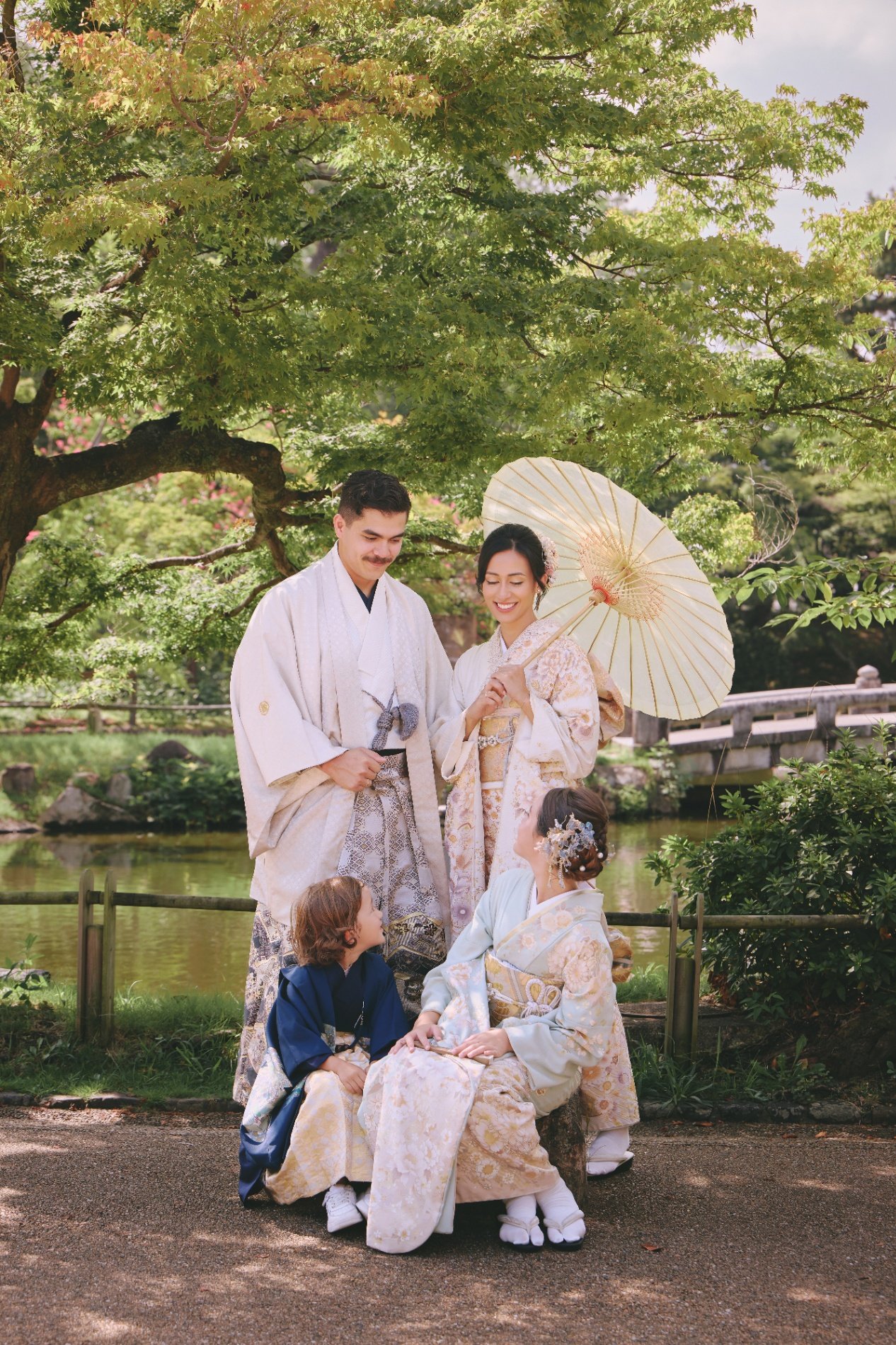
A rented kimono in Kyoto is a morning errand, not a costume hire: a shop dresses you, and the garment goes back the same evening. Here is how the day works, what to ask for, and where it photographs.
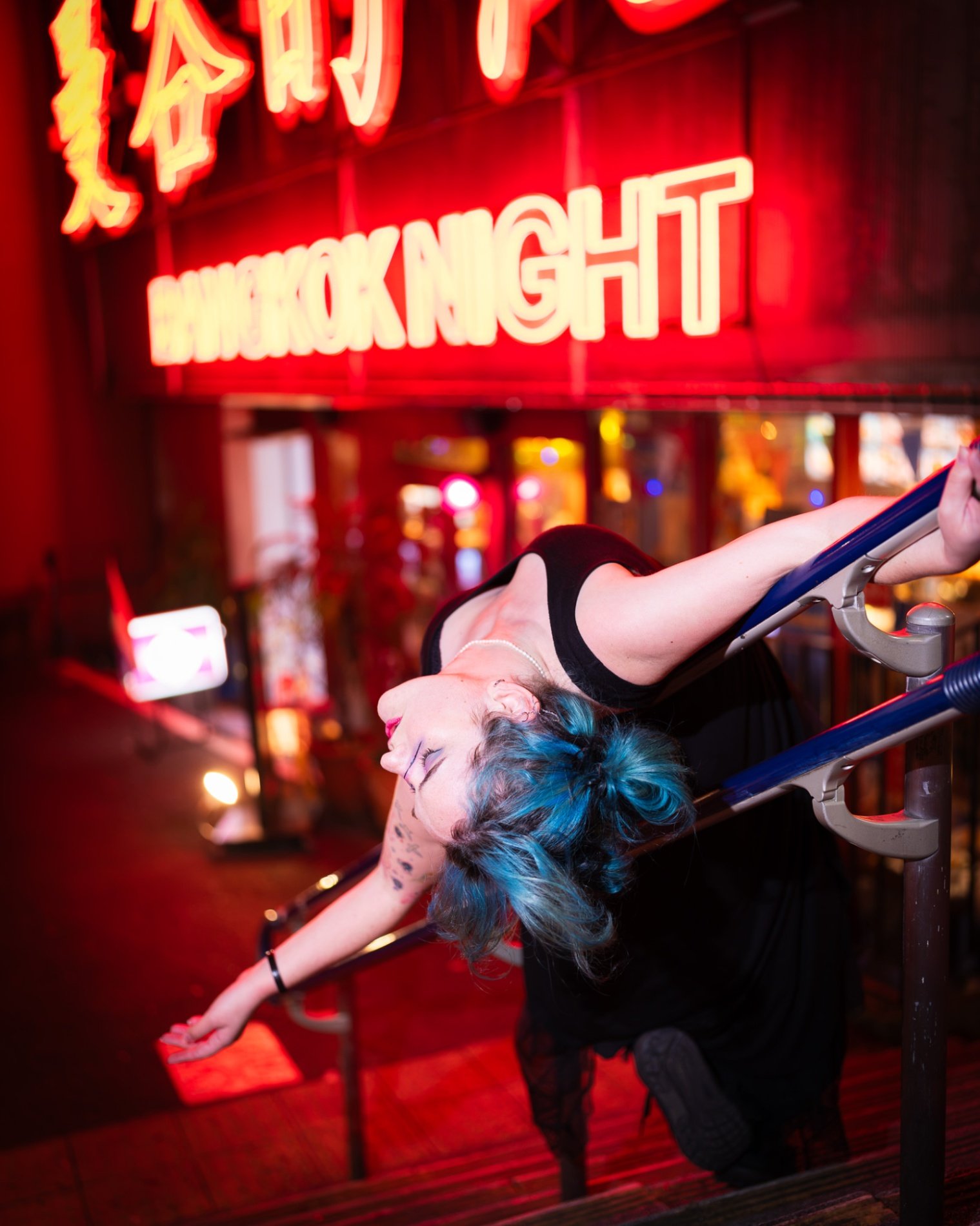
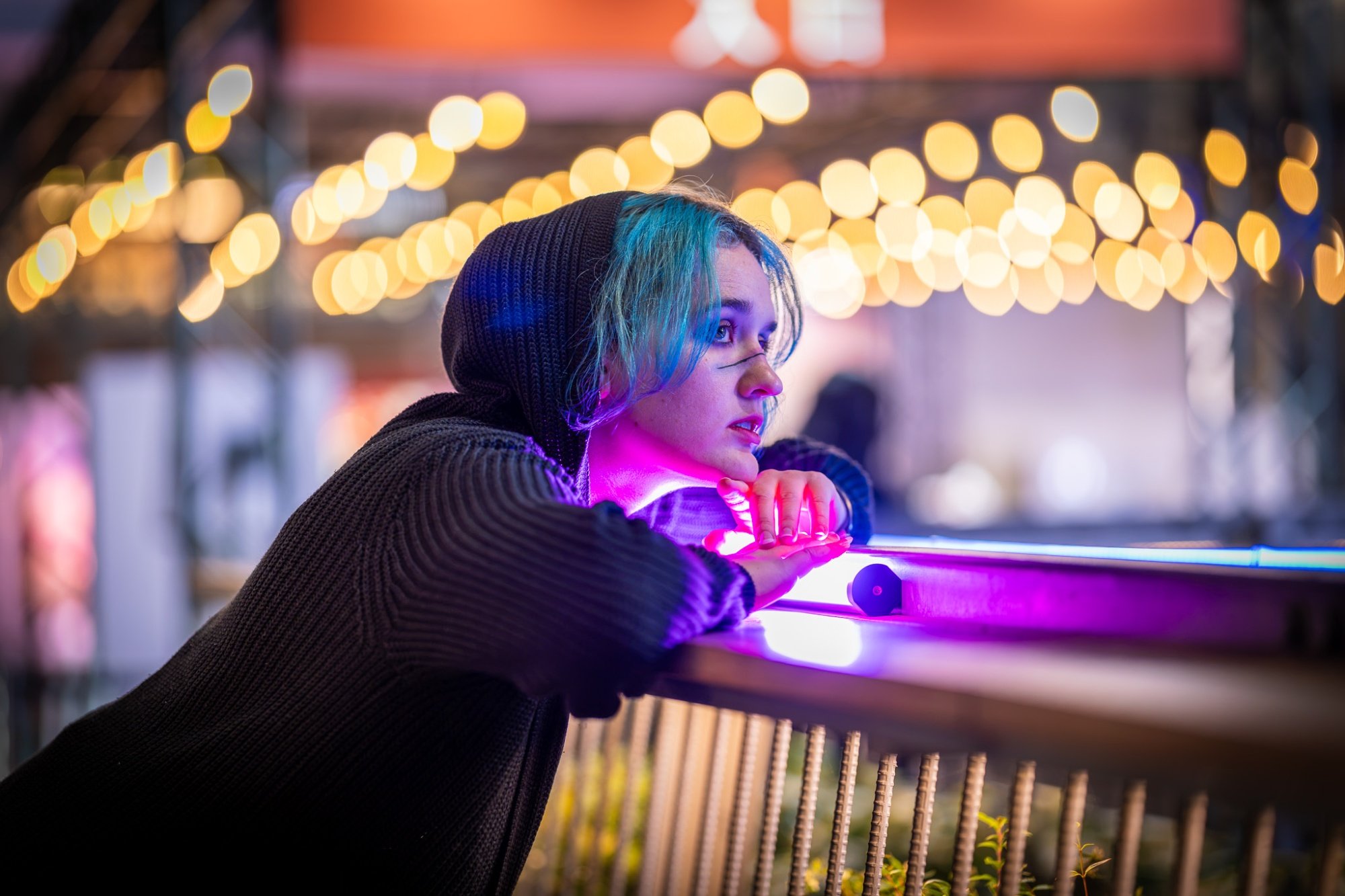
Japan is the easiest country to travel alone and the hardest to photograph yourself in. Where a solo session works — Kanazawa, a Kyoto dawn, Tokyo neon, Nara — and how to be comfortable in front of a camera.
There is no single price for a photoshoot in Japan, because every photographer sets their own packages. Here is what sits inside one, what moves it up or down, and what you still pay for on the day.
An elopement in Japan is two projects: the legal one, which belongs to your embassy and a municipal office, and the day itself. Here is the shape of both, and four places to spend the second one.
Kyoto offers the best proposal frames in Japan and the most ways to get one wrong. Here is where it works, at what hour, and the places where the answer is simply no.
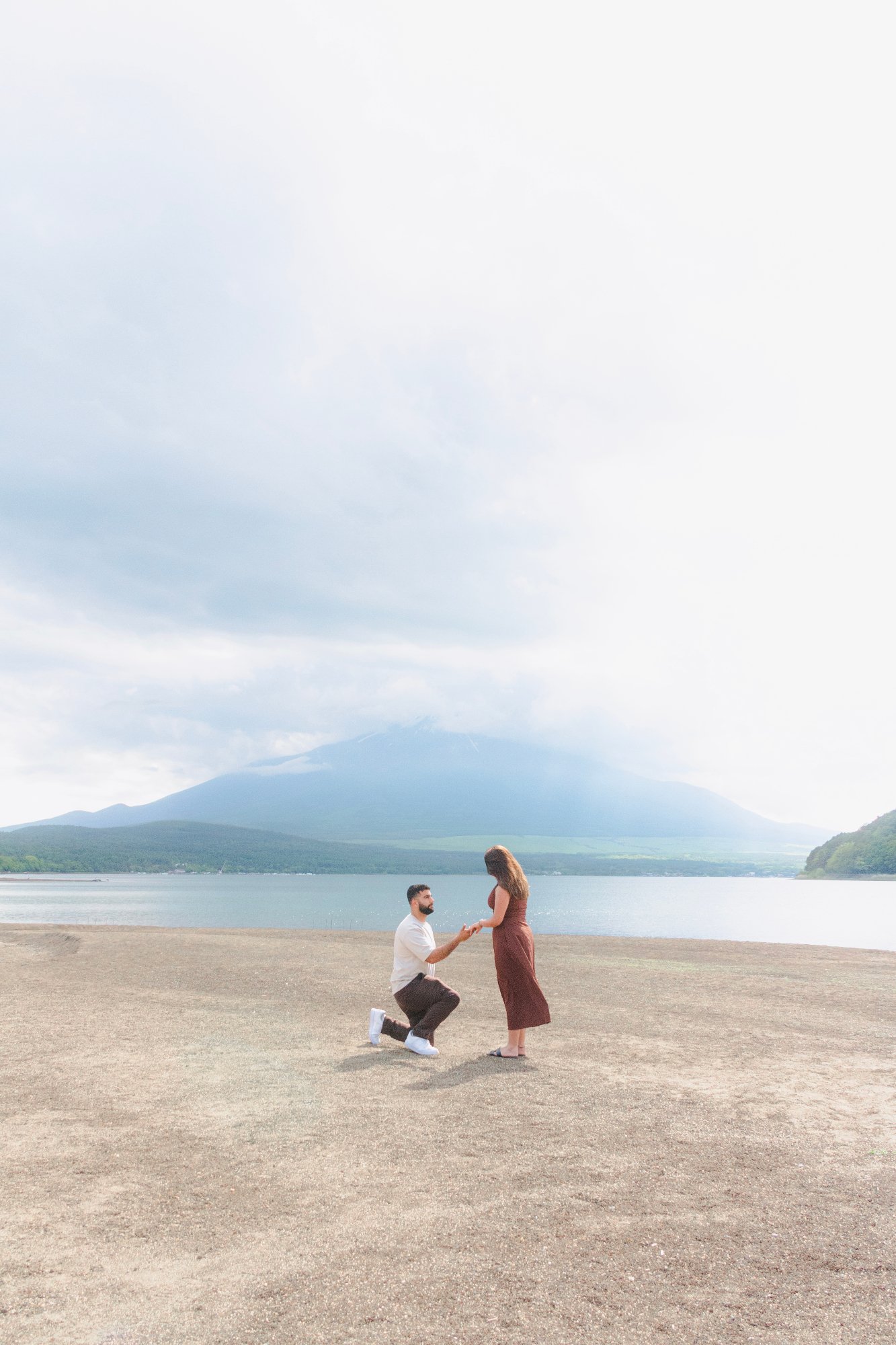
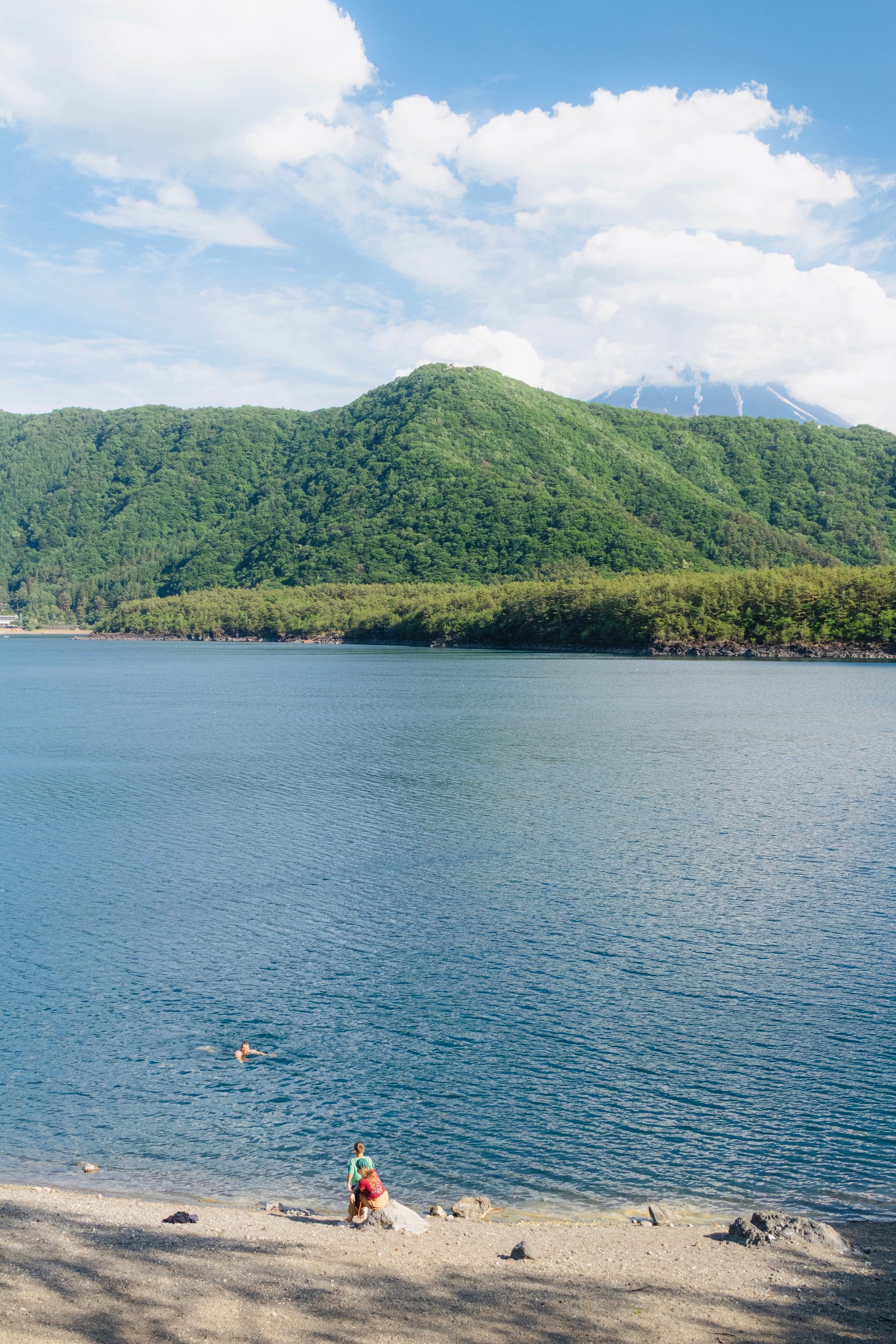
Mount Fuji is clear on most winter mornings and invisible for whole weeks of summer. Here are the three places to ask the question with the mountain behind you, and the morning that still works if it never shows.
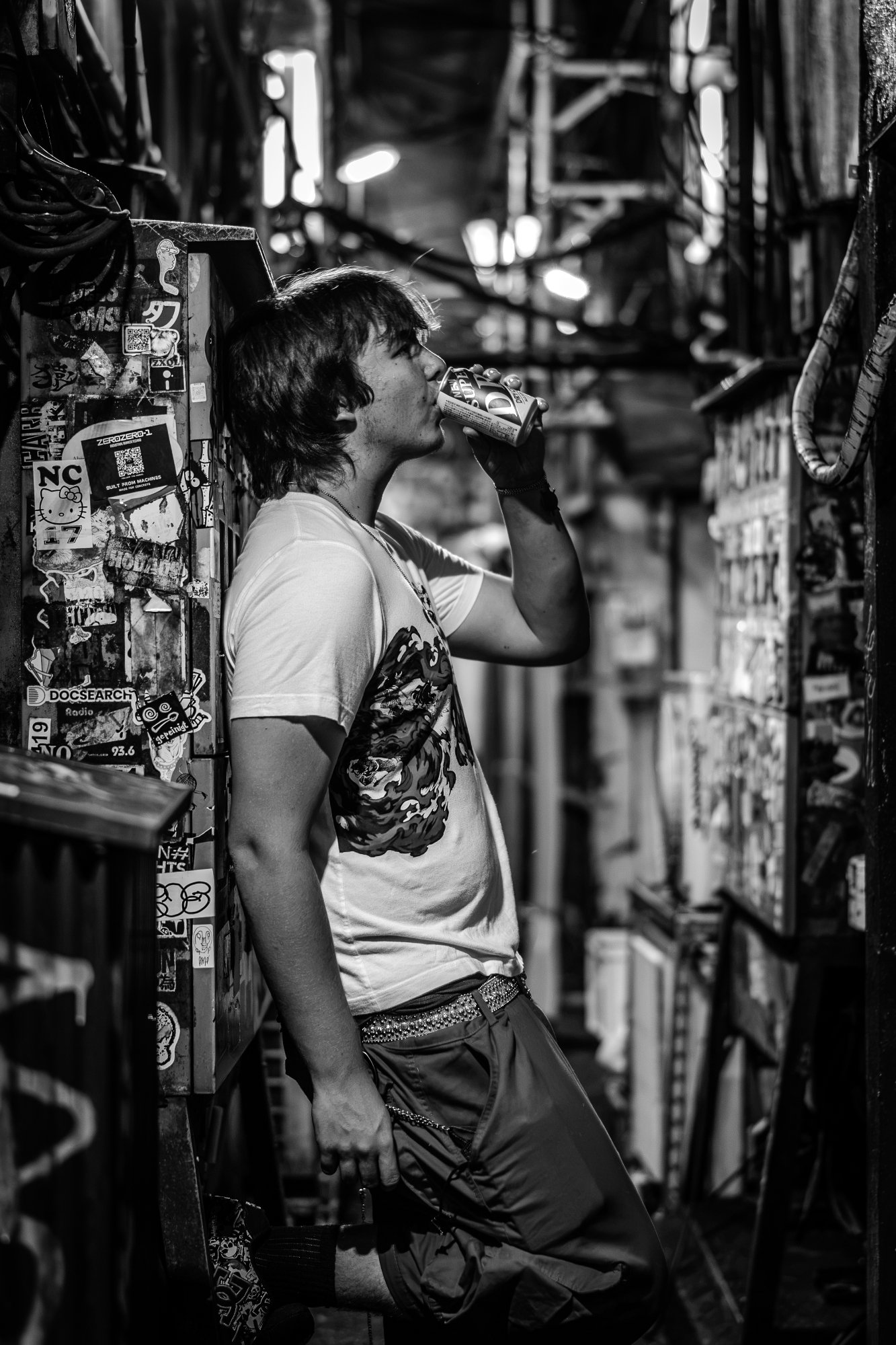
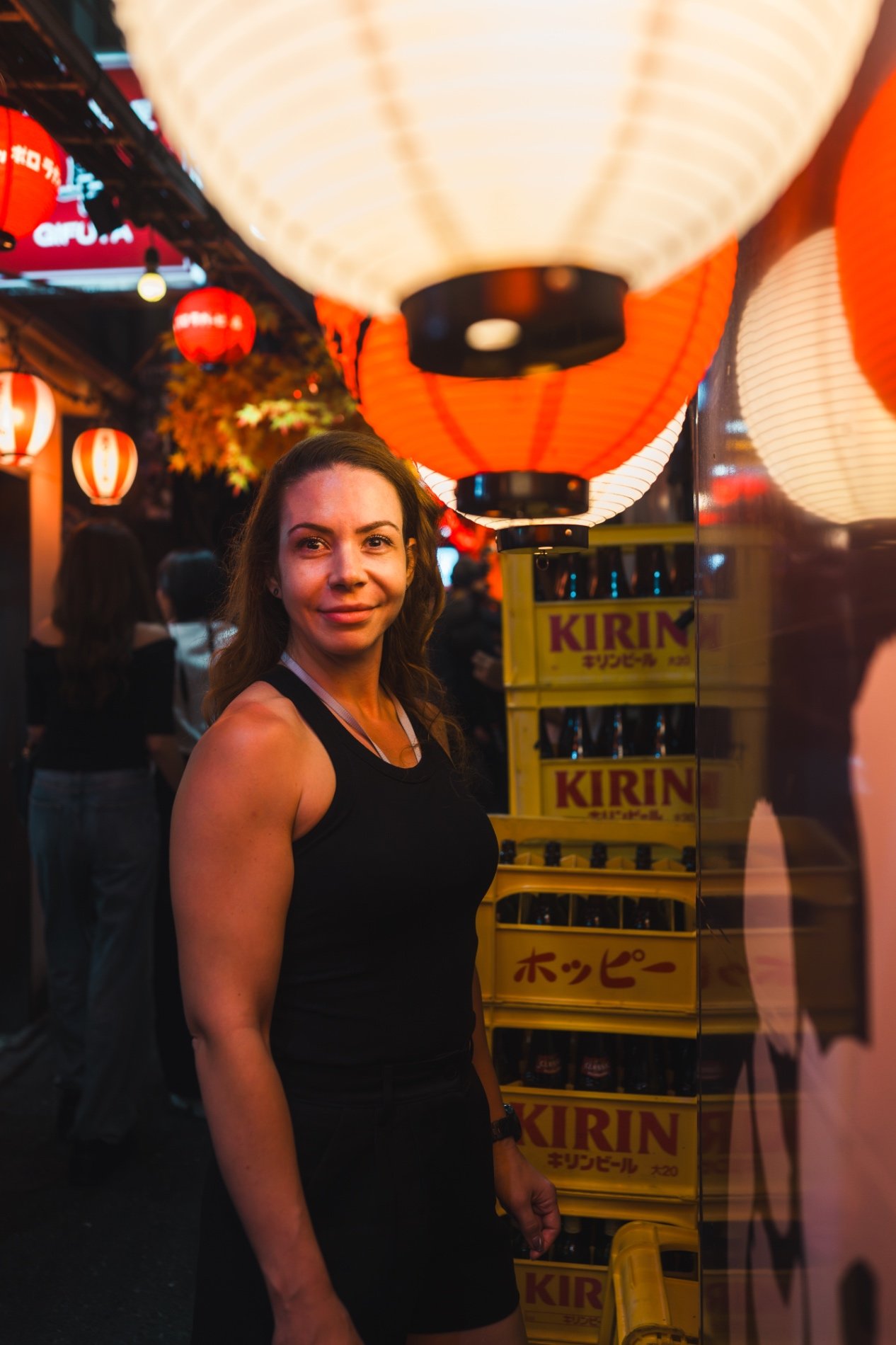
Tokyo is the easiest city in the world to hide a photographer in, because a tourist with a camera is invisible here. Eight places that hold up, the rules that stop a session, and the signal you agree in advance.
Hokkaido is the one part of Japan where you can book snow months ahead and get it. What that buys you, what it costs a five-year-old, and how to shoot children in a white field without turning everyone grey.
Nara is the easiest family session in Japan and the one that needs the clearest warnings. The cracker rule, the walking distances nobody tells you, and the Kyoto spots that survive a four-year-old.
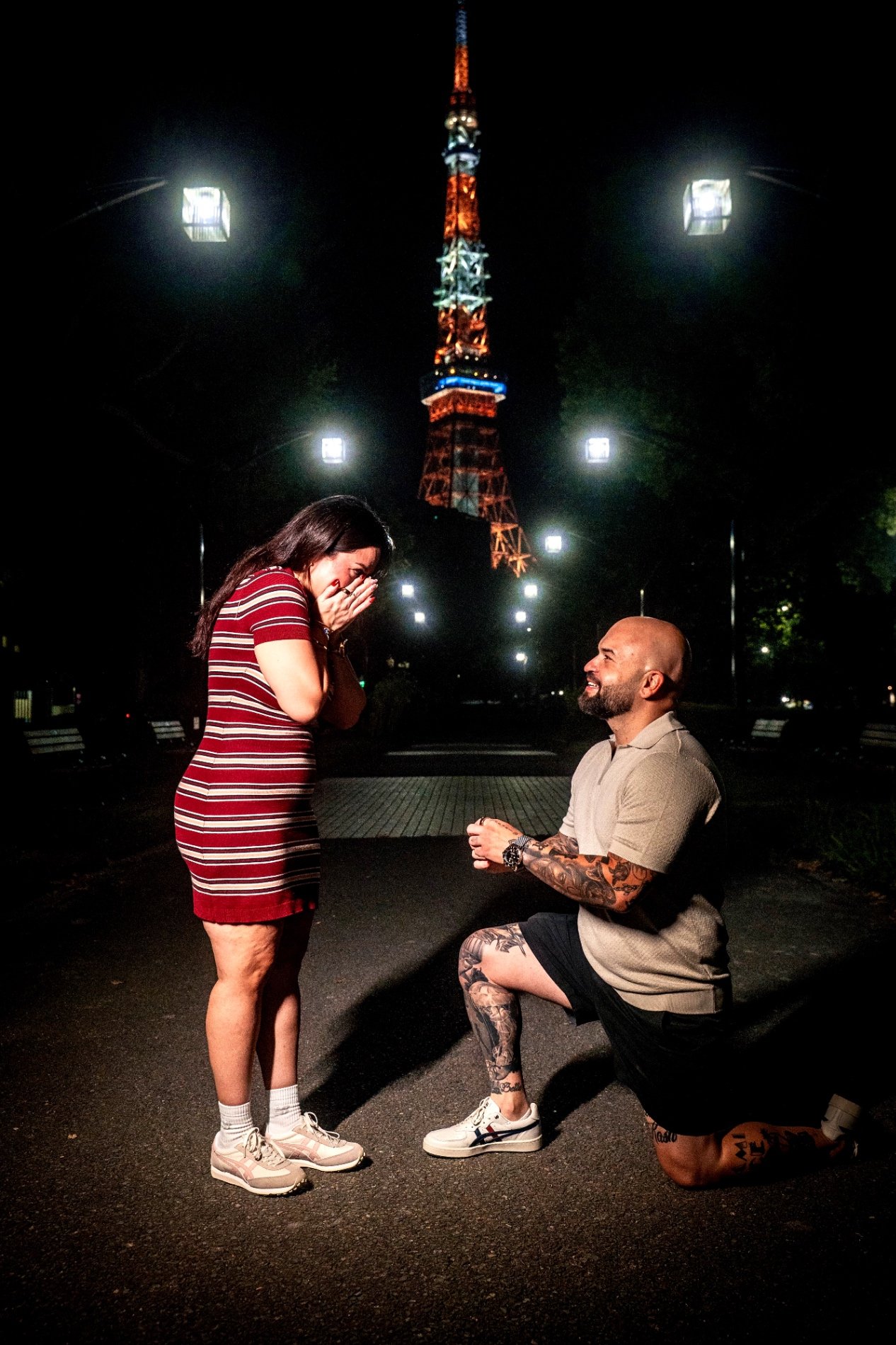
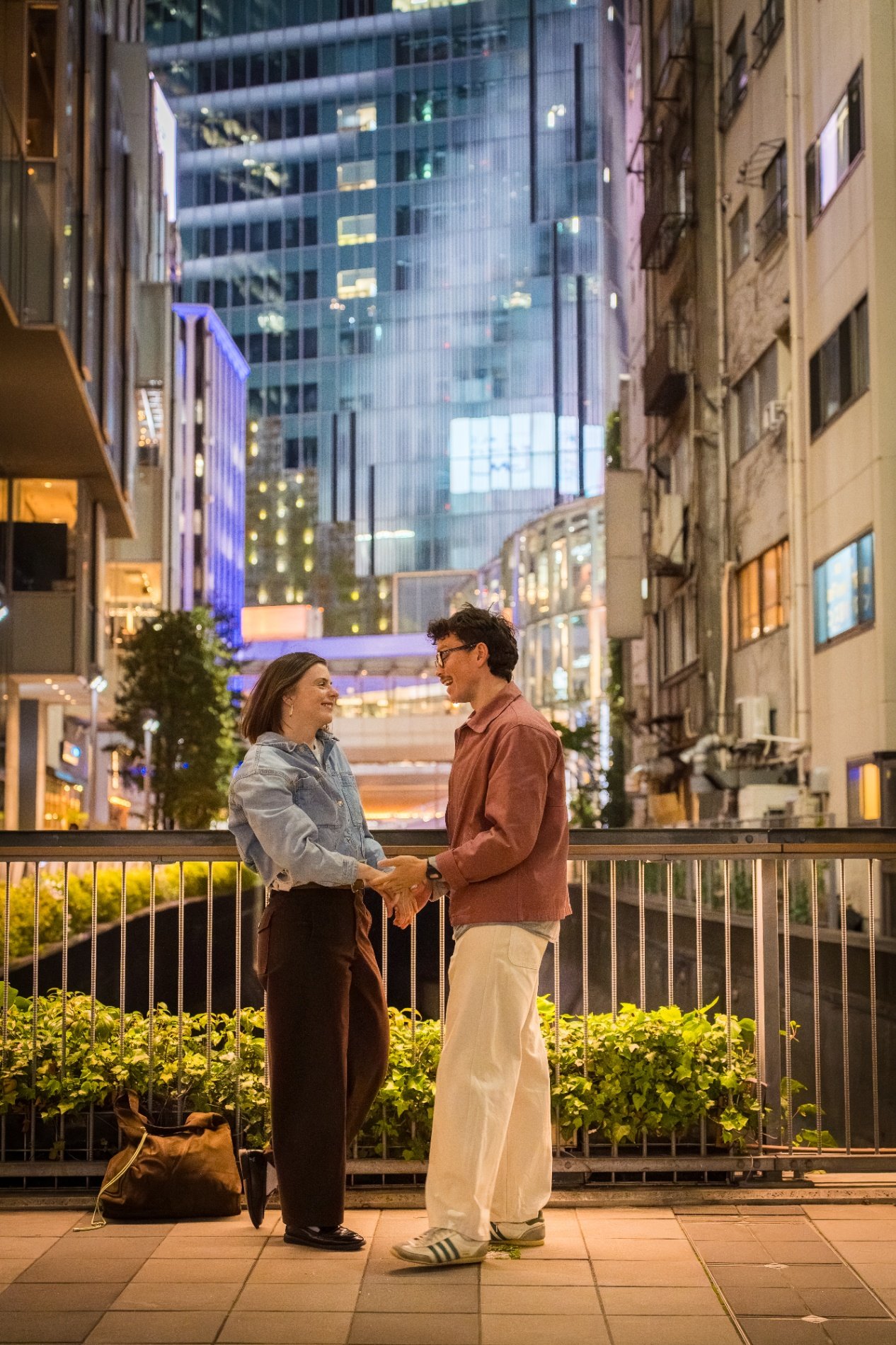
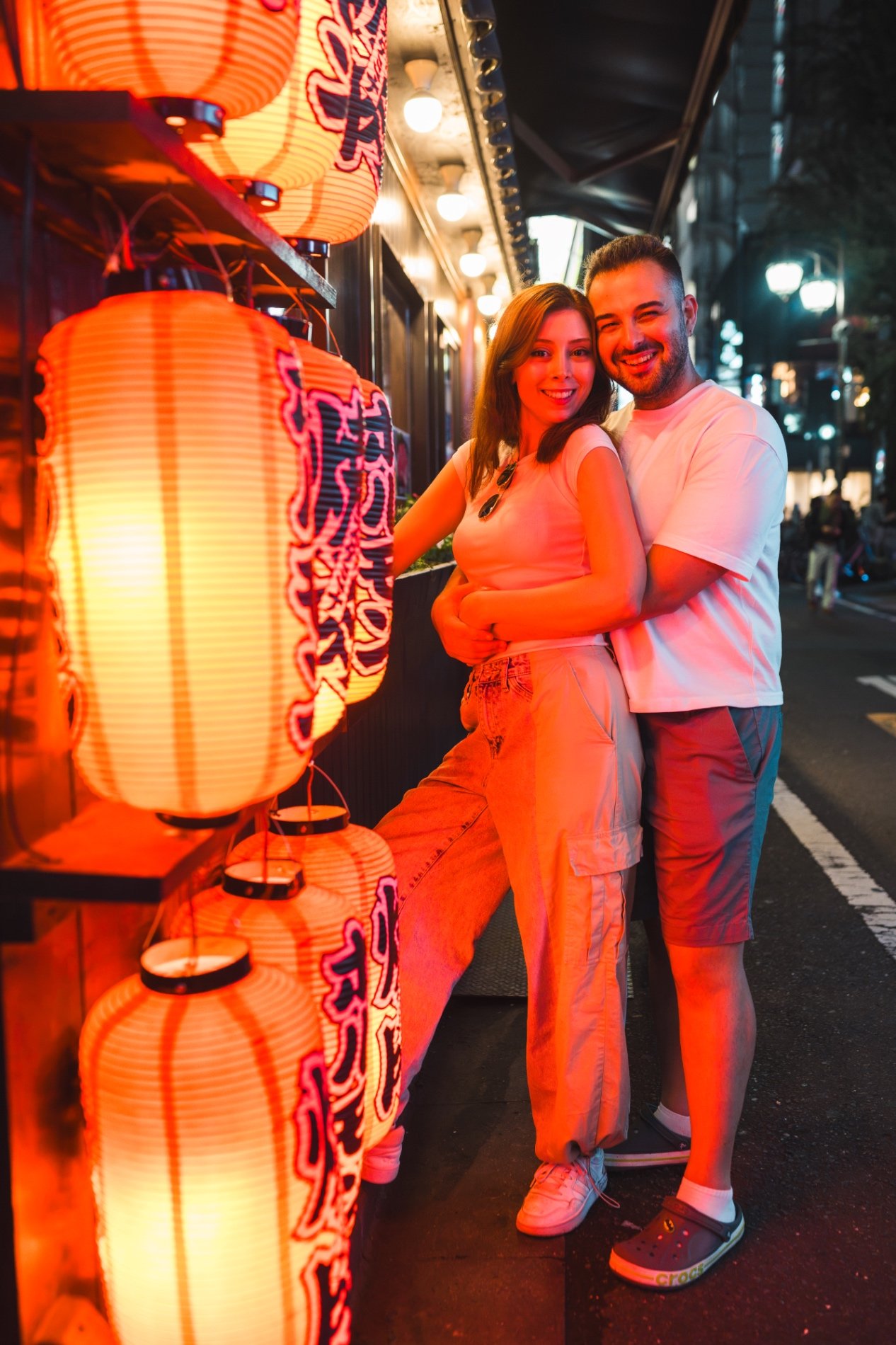
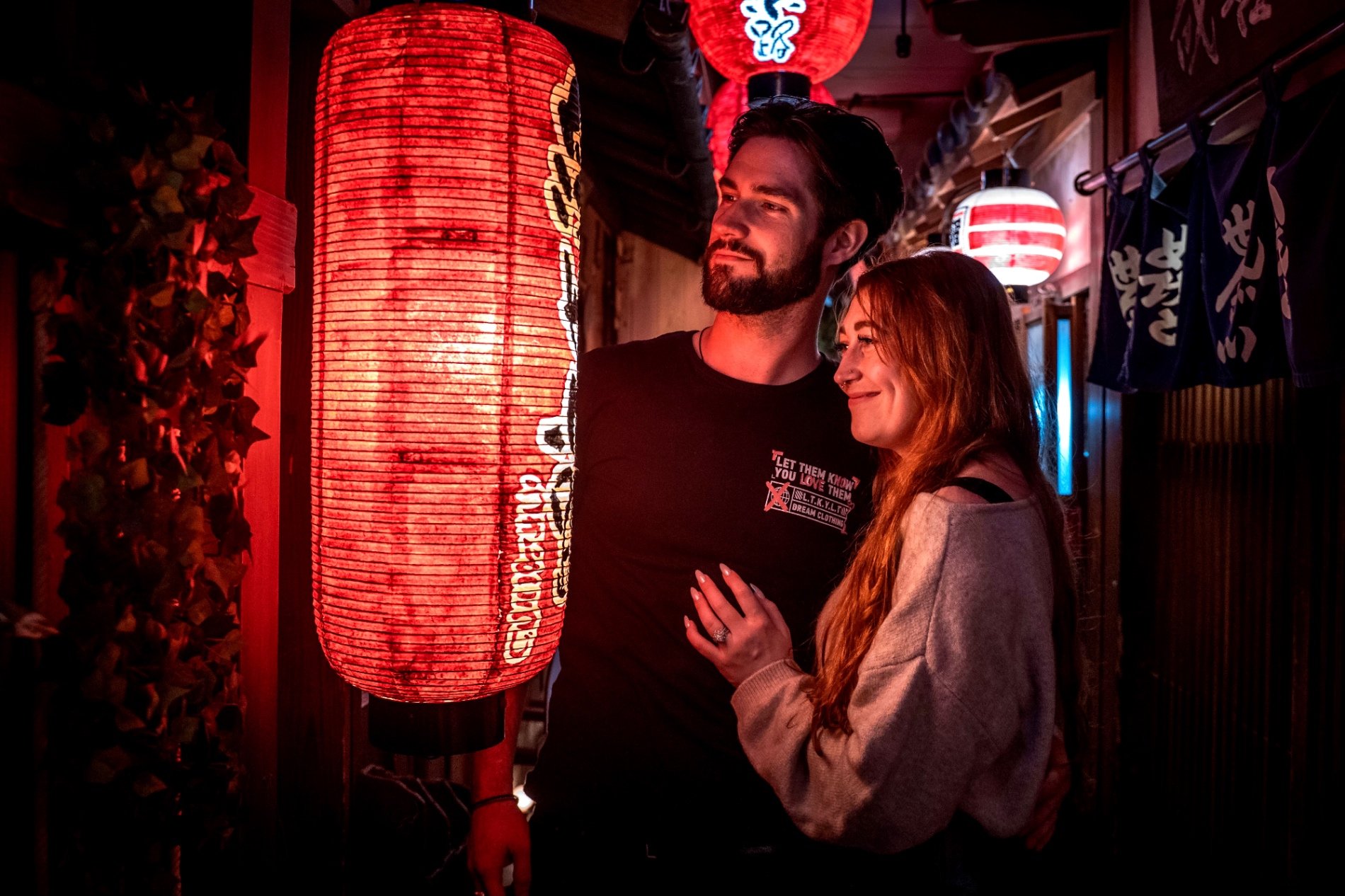
Tokyo after dark is the one city where the advertising lights the faces better than anything a photographer could carry. Here is the route, the window, and what to wear so the neon works for you.
Three things wreck a session in Japan and none of them is the photographer: water, wind and the calendar. All three are predictable enough to plan around, and two of them improve the pictures.
Almost everything that goes wrong with a camera in Japan comes down to whose ground you are standing on. Shrine and temple basics, tripods, permissions, and which Gion lanes are now closed.
Momiji works down the country and down the mountains, so the season is a calendar rather than a month. Where the maples peak week by week, what the crowds do, and how to plan a photoshoot around it.
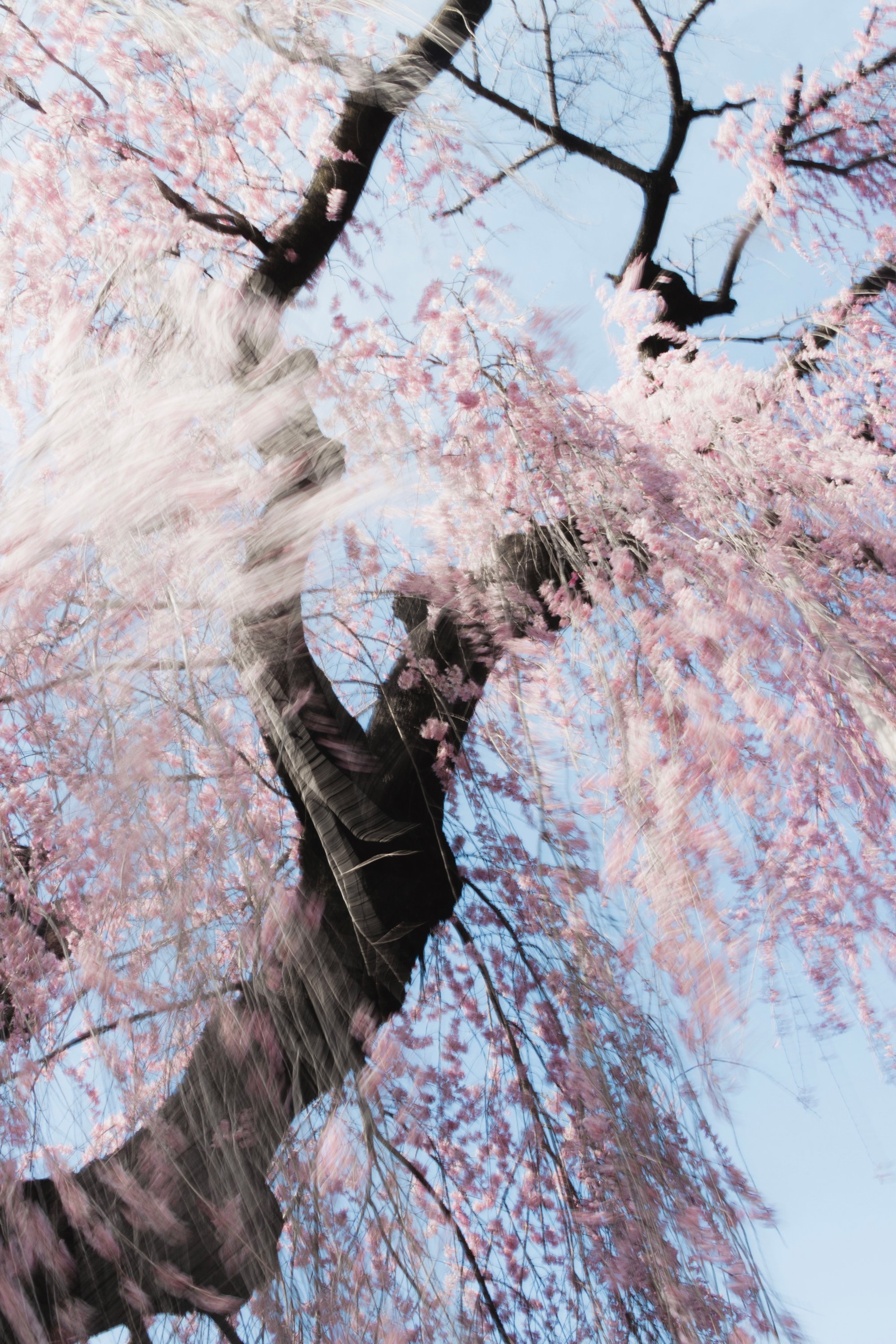
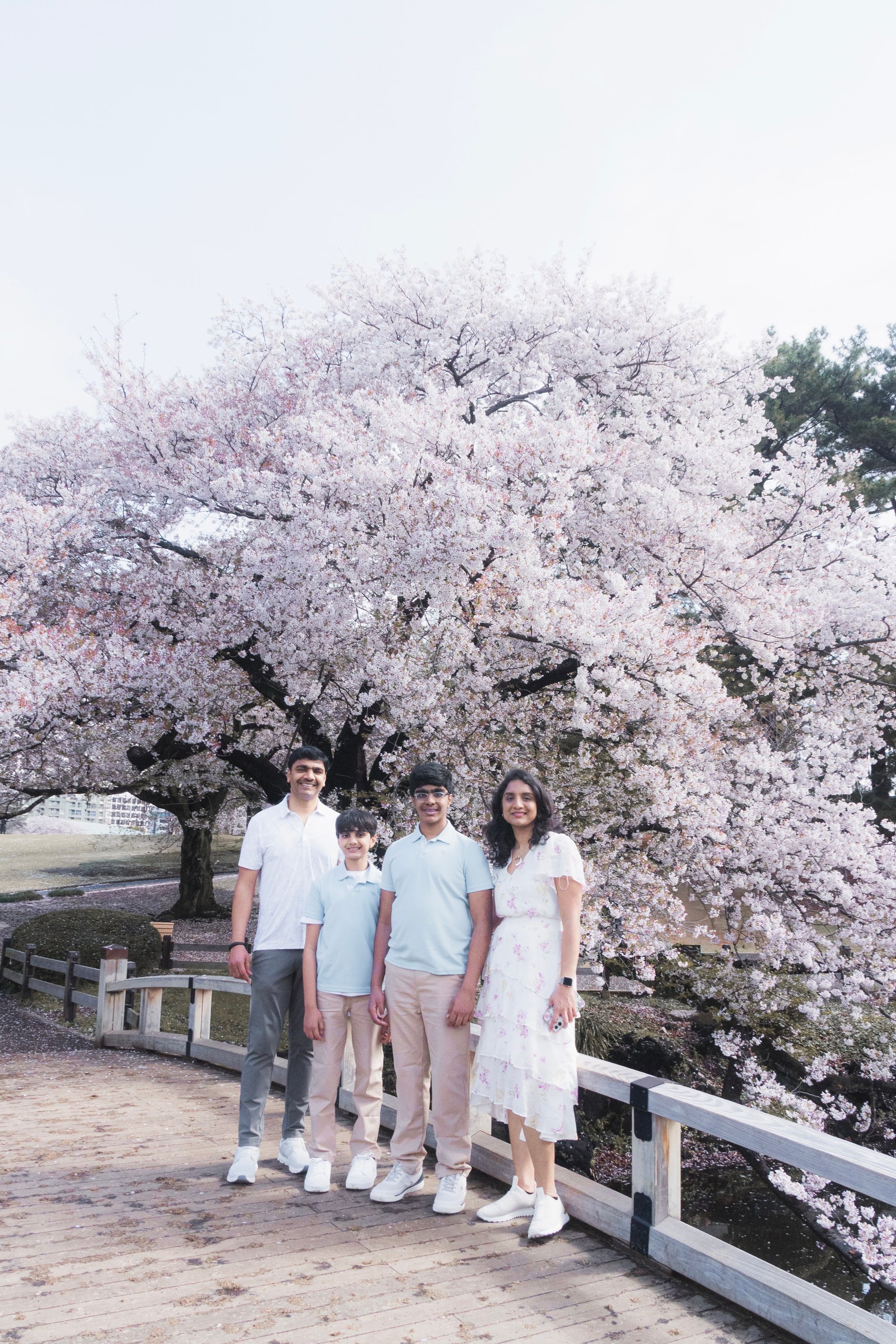
Full bloom lasts about a week and the date moves by up to a fortnight from year to year. Here is how the blossom really works, where it opens first, and how to plan a photoshoot around a window instead of a date.
In Japan the month matters more than the hour. Here is the year as a photographer meets it — what each season gives, what it costs, and why the two best ones can never be booked to a date.
Hokkaido keeps a different calendar: snow from December to March, no rainy season in June and lavender in July. Where to shoot in Sapporo and Otaru, and which weeks to avoid.
On Miyajima the tide decides the picture, not the clock. High water floats the great gate, low water lets you walk out to its feet, and the island empties after the last evening ferry.
Takayama's old town is three streets wide and empty at seven in the morning. Where to stand in Sanmachi Suji, how the valley at Shirakawa-go actually lights, and why the winter light-up is not a plan.
Kanazawa gives most of what people queue for in Kyoto with a fraction of the queue — a garden, two teahouse streets and earthen walls, all within a short walk. And it rains, which is half the reason it photographs well.
Fuji is a probability, not a location: clear from November to February, hidden for weeks in summer, and gone by mid-morning most days. Where to stand at Lake Kawaguchi, and why the session starts at first light.
Nikko is a shrine town with a mountain road behind it, and the two halves want different hours. Where to stand at Tosho-gu, why flat light wins, and how the Irohazaka traffic decides your October.
An hour from Tokyo, Kamakura gives you old Japan and the sea in one session. Where the Great Buddha lights best, why the bamboo here beats the famous grove, and the one place where standing in the road is not an option.
Nara is the one destination here that puts wild animals in the frame, and the first two hours after sunrise are the whole trick. Where the light falls, which station to use, and the deer rules that keep a family safe.
One gate standing in the water brings everyone to Hakone, and there is a queue in front of it. How to be there before it forms, what the odds on Fuji actually are, and where the session goes when the ropeway shuts.
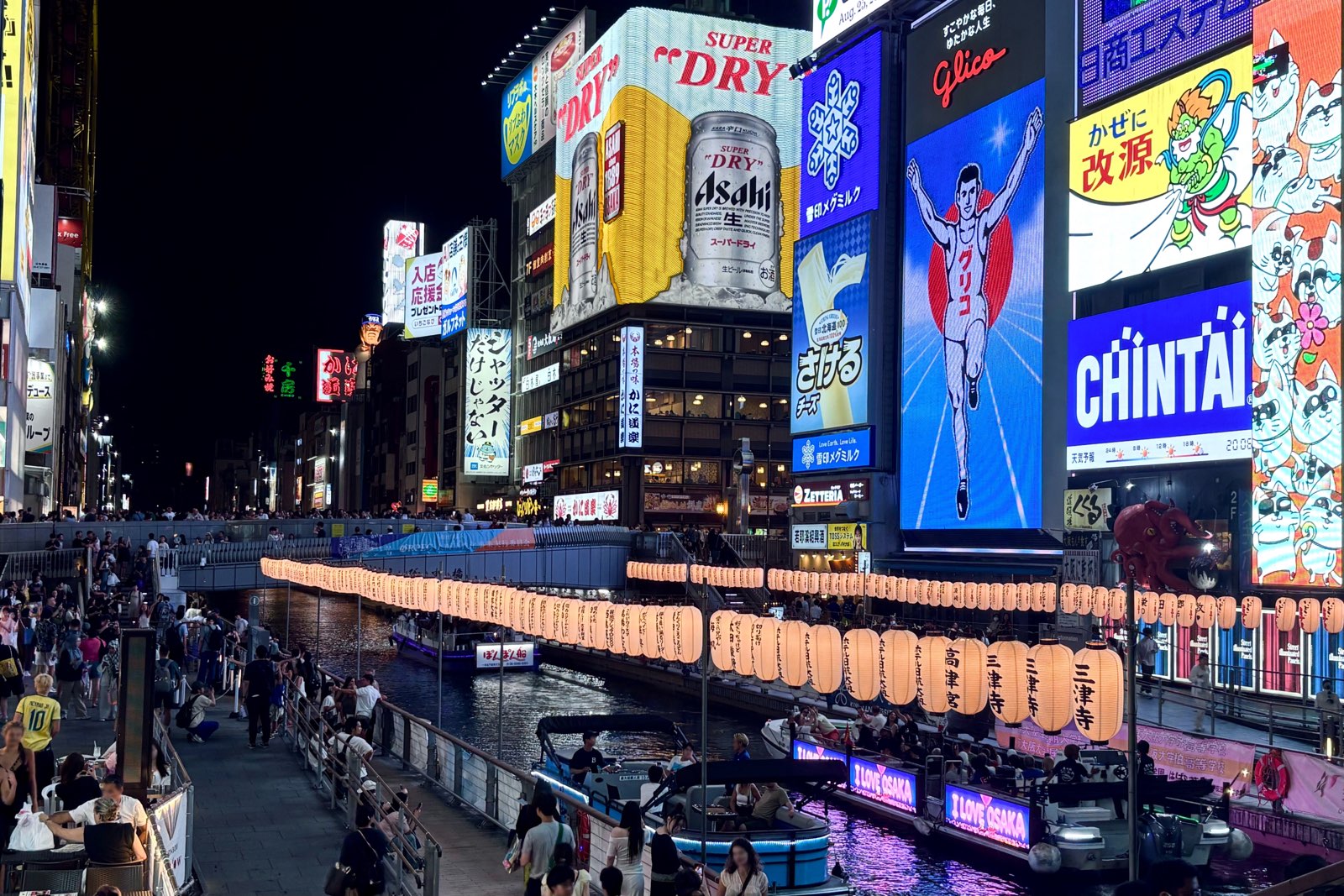
Osaka is the one city centre in Japan that gets easier after dark: the canal throws the neon back up and the crowd belongs in the frame. Here is the evening, and the daylight either side of it.
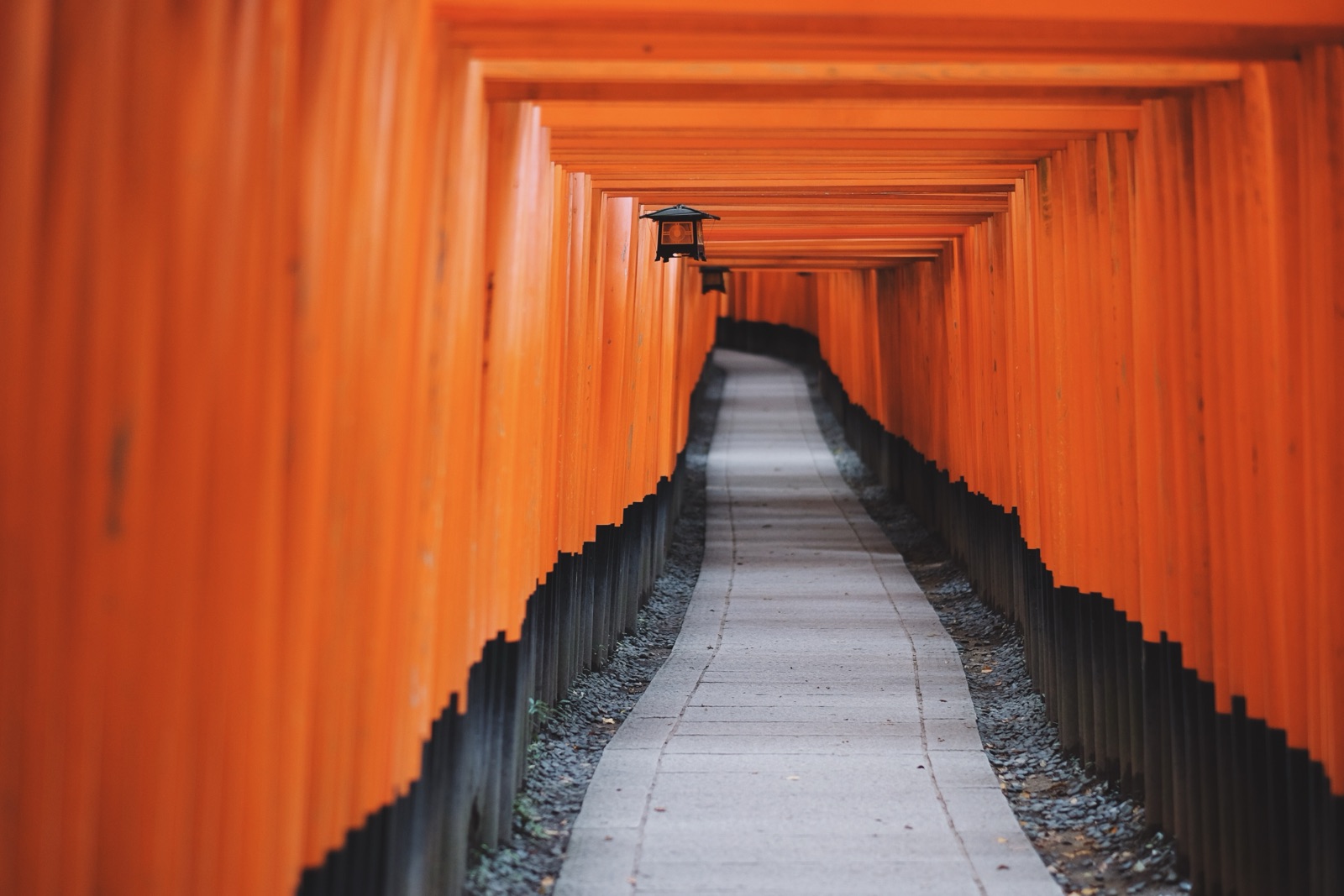
Kyoto's famous frames are a queue by nine and nearly private at six. Here is the hour each one works, the station that gets you there, and the rules in Gion that are not suggestions.
Tokyo gives you two good hours a day: the one after dawn in the old city and the one after sunset in the neon one. Here is where to stand in each, station by station, and what the seasons move.