Eloping in Japan: the complete guide to paperwork, locations and photographs
An elopement in Japan is two separate projects, and confusing them is what makes couples anxious for months. One is legal: whether and how you can register a marriage here, which is a question for your own embassy or consulate in Japan and for the municipal office where you would file, and for nobody else. The other is the day itself — the ceremony, where you stand, what you wear, who photographs it. That one is what most couples came for, and it does not depend on the first.
The legal part: ask the two offices that decide
Here is the shape of it, and only the shape. A marriage in Japan is created by registration, not by a ceremony: a couple files a marriage form at a city or ward office, and that filing is the legal act. Foreign nationals are generally asked to show that they are free to marry under their own country's law, usually through a document issued by their embassy or consulate in Japan — an affidavit of competency to marry, or a certificate of no impediment. Passports and Japanese translations are normally part of the file, and the form has space for witnesses' signatures.
Every one of those sentences carries an exception. What your embassy issues, whether it issues anything at all, what the office in front of you will accept, how long any of it takes — all of it varies by nationality and by office, and it changes. American citizens, for instance, can no longer have that affidavit notarised at their embassy in Japan and are pointed at the ward office instead. That is the kind of change that makes a blog post the wrong source.
So: contact your own embassy or consulate in Japan, and the specific municipal office where you intend to file, before you book flights or a venue. Ask both what they require, in writing, and ask again close to the date. Take no timeline, no document list and no promise from anyone who is not one of those two offices, including us.
A great many couples take the simpler route and marry legally at home, before or after the trip. And note what follows from the first paragraph: a ceremony here — at a shrine, in a garden, on a snowy street — registers nothing by itself. That frees the planning. Have the ceremony you want, where you want it, and let the paperwork run on its own timetable.
The symbolic ceremony most couples actually have
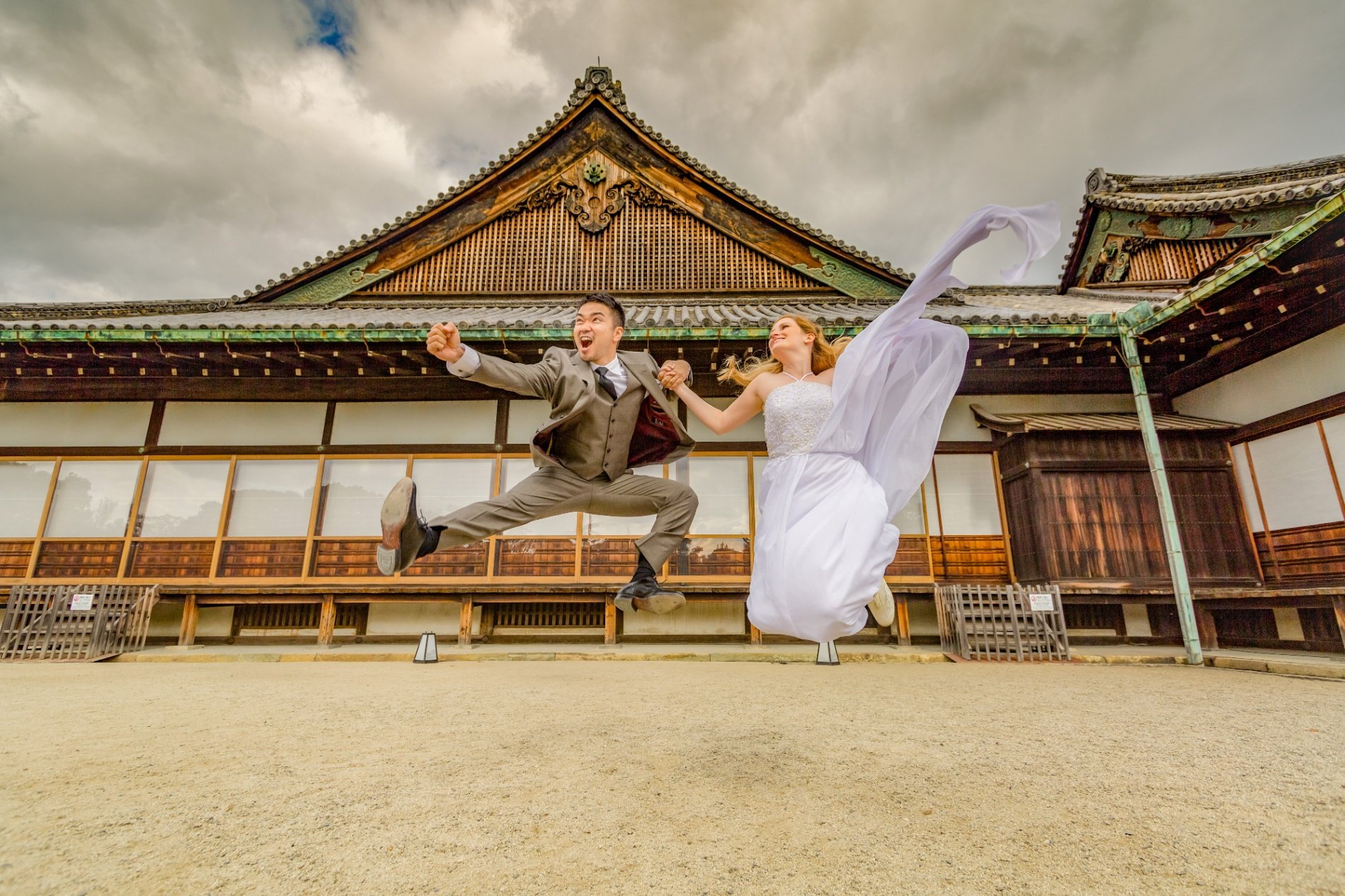
The usual shape of a Japanese elopement is twenty minutes of vows somewhere that means something, with two people or four. Some couples bring a celebrant; many read to each other with no officiant. Some bring two friends as witnesses, some bring nobody and call home afterwards.
Where you may hold it is the only real constraint. A park, a riverbank or a street is public, but staging is still staging, and a ceremony that blocks a path or a shrine gate is a problem even outdoors. A temple or shrine garden is that site's ground and needs the site's permission, which some grant and some do not. A ryokan garden, a rented townhouse or a hotel terrace belongs to the business and is usually the easiest yes, arranged when you book. Ask first and in writing; arriving with a dress and hoping is how couples end up saying their vows in a car park.
A shrine ceremony, if you want one
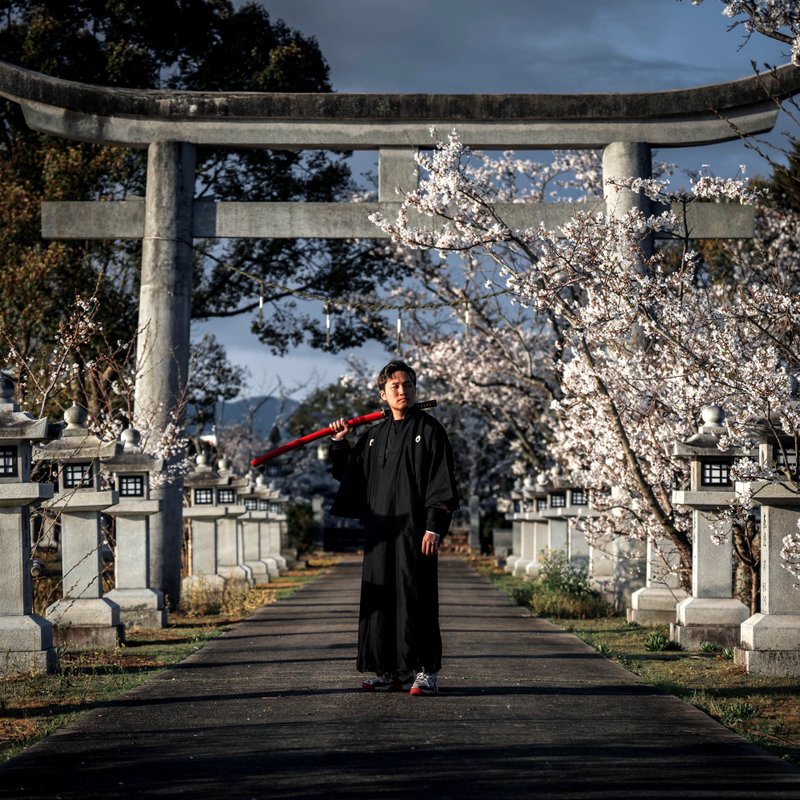
A Shinto shrine ceremony — shinzenshiki — is a real option for foreign couples, arranged through the shrine itself or through a hotel or venue that has an arrangement with one. It is a small, formal rite conducted by a priest, usually in Japanese, with room for family numbers rather than a crowd, and usually in traditional dress the venue provides and dresses you in.
Not every shrine offers it to visitors, and the ones that do set their own terms. The part that matters for photographs: shrines commonly restrict photography during the rite, sometimes to their own or an approved photographer, sometimes to fixed positions, sometimes not at all inside the hall. None of that is negotiable on the day, and all of it is knowable in advance — ask in one message about the order of the ceremony, who may attend, what you will wear, how long it takes and what photography is allowed, then plan the portraits for outside, before or after.
Kyoto: a garden, and a street before the shops open
Kyoto is the obvious choice and deserves to be. The Higashiyama lanes below Kiyomizu-dera are empty and blue at first light and full by nine; a temple garden in the last hour before closing gives you low sun, moss and no coaches; the Katsura riverside at Arashiyama works when the bamboo grove is a queue.
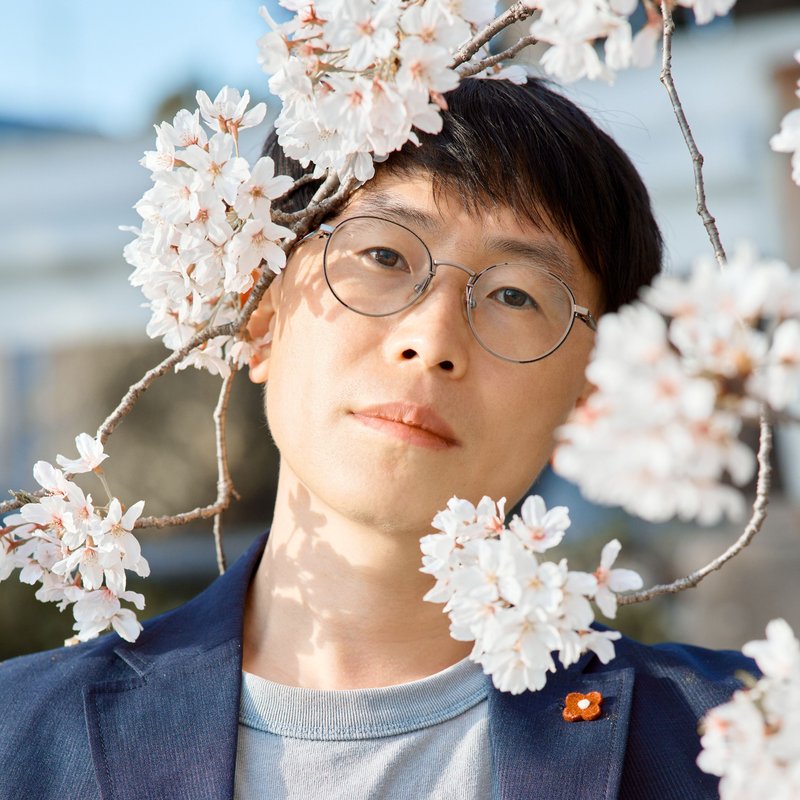
The constraint is that Kyoto's best ground belongs to temples and shrines with their own rules, and the weeks you most want — blossom in late March and early April, colour from mid-November — are the weeks those sites are least likely to say yes to an arranged shoot. Plan the ceremony somewhere you control and the photographs around the public streets and the river; treat a temple permission as a bonus.
What clients say about this kind of shoot
We had such a great photography experience with OKINI PHOTO TOUR! If you’re looking for an Osaka photographer, especially for a couple photoshoot in Osaka, I would definitely recommend them. The photographer made us feel comfortable from the beginning and guided us naturally with poses, so even if you’re not used to being in front of a camera, the experience is very relaxed and fun. What I really liked was that this wasn’t just a typical photoshoot. We walked around Osaka and enjoyed the city while taking photos, so it felt like both a photo tour and a local Osaka experience. The photos around Dotonbori and Osaka’s neon streets were especially beautiful. The photographer knew where to shoot, how to use the city lights, and how to capture natural moments between us. For couples traveling in Japan, honeymooners, or anyone searching for couple photography in Osaka, an Osaka travel photographer, or a Dotonbori photoshoot, OKINI PHOTO TOUR is a great choice. A wonderful way to keep memories from our trip to Osaka. Highly recommended!
— 伊藤尚也 on Soh
I had a truly unforgettable kimono photo shoot experience in Kyoto with Sanbao. He was warm, professional, and attentive to every detail. Since it was a busy weekend, he carefully selected a quieter temple location that was both peaceful and incredibly photogenic , a perfect setting away from the crowds. I’m not particularly familiar with wearing a kimono, so I wasn’t sure how to pose in a way that would look natural and elegant. But Sanbao is clearly very experienced . he thoughtfully designed the entire shoot based on the background, the setting, my kimono, and even my personality. He gave clear, gentle guidance and helped me feel comfortable and graceful throughout the session. Even the raw photos I received the same night were stunning. Each photo felt artistic, well-composed, and beautifully balanced (capturing not just how I looked, but how I felt in that moment. )It was truly a personalized, artistic experience that I’ll treasure forever. Highly recommend Sanbao to anyone.
— Xia on Sanbao Z.
We had a fantastic private photo session with SanBao. He’s highly professional, knows the area well, and was punctual. He kept great conversation throughout, which made us feel comfortable and relaxed. He also recommended a kimono rental and helped make the reservation, ensuring the whole process was smooth and well-planned. Most importantly, we absolutely love the photos he took of me and my family. You can tell he truly loves what he does—his expertise with lighting is amazing, and he has a real talent for capturing special moments. We couldn’t be happier with the results and highly recommend booking with SanBao!
— Molly on Sanbao Z.
Soh was the best! He knew all the hidden gems in Tokyo and we had the best shoot with him! Super professional, on time and gave great creative direction!
— Cathy D. on Soh
Soh was INCREDIBLE! The shots he got for us were so awesome, he knew so many amazing off the beaten path spots for pictures. 10/10 if you want awesome photoshoots come here!!
— Yeremi H. on Soh
I had such a great photoshoot experience with Okini! 📸✨ It was honestly so much fun, and the photos turned out absolutely beautiful. The Tokyo Tower spots were perfect, and our 2-hour photoshoot gave us so many amazing shots. Everything felt fun, relaxed, and worth it from start to finish. Definitely such a memorable experience and one I’d recommend if you want beautiful photos in Tokyo! 🗼💕
— Maria D. on Soh
Hakone: a ryokan, the lake and the cedar steps
Hakone is the two-person day that does not involve a city at all. A ryokan with a private onsen bath gives you tatami, a garden and somewhere warm to change; Lake Ashi gives you mist at dawn, the vermilion torii standing in the water and cedar stairs up to the shrine; and on a clear winter morning Fuji stands at the far end of the lake. It is about two hours out — the Odakyu Romancecar from Shinjuku to Hakone-Yumoto, then a bus over to the lake.
Ryokan are private businesses with firm views on photography in shared spaces and on outside vendors. Ask when you book, and expect the answer to cover where a photographer may work and at what hours.
Nikko and Takayama: cedar, lacquer and snow
Nikko is what couples choose when they want something older and darker than a garden: a carved and lacquered shrine complex under enormous cryptomeria, and avenues of cedar around the town that are a frame in their own right. It is a working World Heritage site with its own rules on arranged photography — ask through the shrine office well ahead. Colour reaches the high ground above the town from around mid-October, a month before Kyoto, and winter there is properly cold.
Takayama, across the mountains, is the snow version: dark wooden fronts along the Sanmachi streets, morning markets by the river, heavy and reliable snow in January and February, and the thatched houses of Shirakawa-go within reach. Limited express trains climb to it, and winter weather occasionally closes the roads and buses around it — build in a spare day and check conditions.
The shape of a two-person day
Start before sunrise with portraits in an empty street or on a lakeshore, while the light is soft and nobody is about. Go back to the room, eat properly, warm up, change. Hold the ceremony late in the morning or in the last hour of daylight, when the place is quiet again. Dinner is somewhere you booked weeks ago: the good small restaurants in Kyoto and Takayama do not take walk-ins.
Two things eat the day. Dressing is one: kimono dressing is a booked appointment with a professional, hair and make-up another, and neither compresses. Travel is the other — one place per day, and never a Kyoto morning with a Hakone evening.
Choose a weekday if you can, and avoid Golden Week at the end of April, Obon in mid-August and the New Year days, when shrines are at their fullest and many small businesses close; blossom week and the November colour weekends are nearly as busy. A Tuesday in early December gives you more of Japan to yourselves than a Saturday in April.
Kimono or a dress, and where you change
Both work, and the difference is logistics rather than looks. A rented kimono, or kimono and hakama for two, comes with dressing and usually hair; you are dressed at the shop and move at the pace the clothes allow, slower than you think on steps and gravel. A dress is yours to carry, and the problem becomes changing: there are few places to do it outdoors, so book a room near where you are shooting, or take a ryokan or townhouse for the day.
Weather decides more than taste: snow and a strapless dress make a short session, and August humidity does the same to silk.
Planning an elopement photoshoot in Japan
Book the day around one place and one hour of light, not a list of locations. A couple of hours covers a ceremony and portraits properly; a full day covers the dawn session, the ceremony and the evening, with the gaps you need to warm up and change. Anything more ambitious is a travel plan, not a wedding day.
Tell the photographer what the day is before anything else: two people, vows, no guests, and the parts that are private. They will know which shrine office answers emails, which garden is closed to shoots in November, and where to stand so that you can forget they are there.
You can read what an elopement photoshoot usually covers and book a photographer online.
Want professional photos in Kyoto?
Browse portfolios, compare packages, and book a verified local photographer in minutes.