Autumn Colours in Japan: where the maples peak week by week, from Nikko to Kyoto
Autumn in Japan is not a month, it is a front. The colour starts on the alpine slopes of Hokkaido in the middle of September and finishes in the temple gardens of Kyoto and on Miyajima in the first days of December, and in between it moves south and downhill at a walking pace. That is good news for a photoshoot: whatever fortnight your trip falls in between early October and early December, somewhere in Japan is at its peak. The trick is knowing where — and accepting that the where moves by a week or more from year to year.
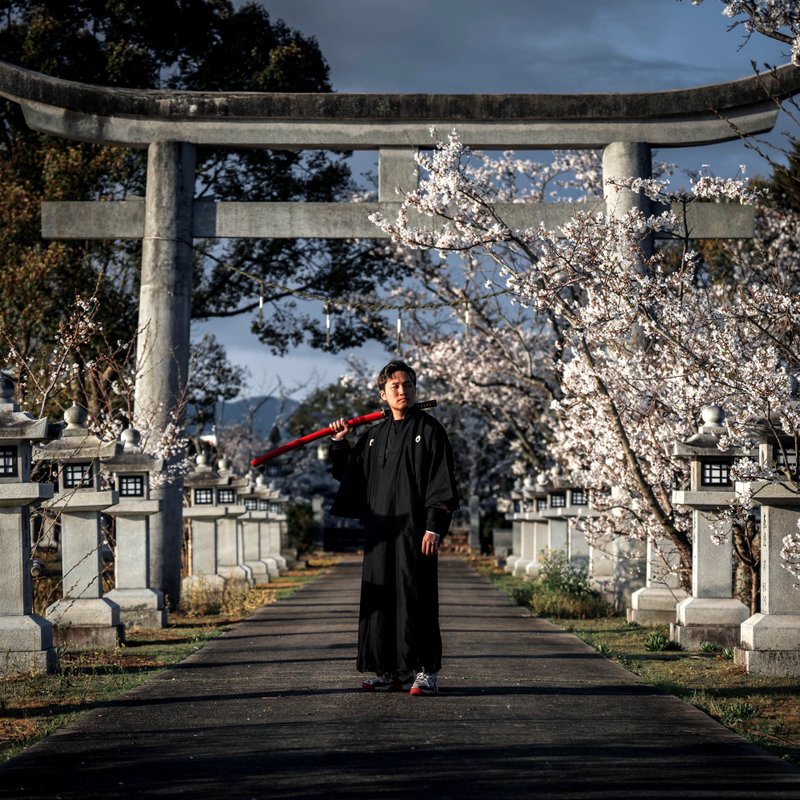
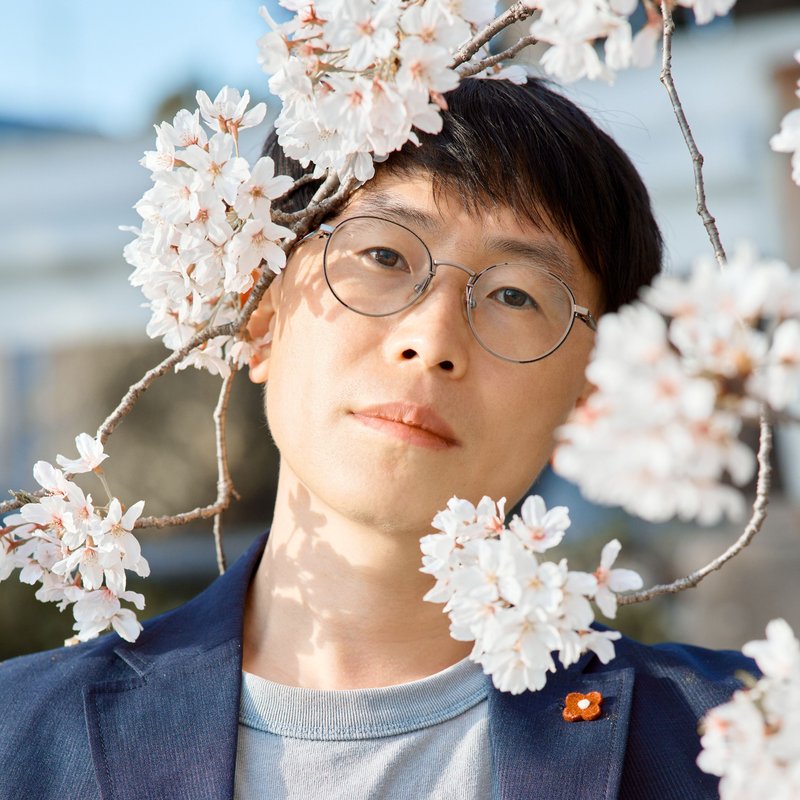
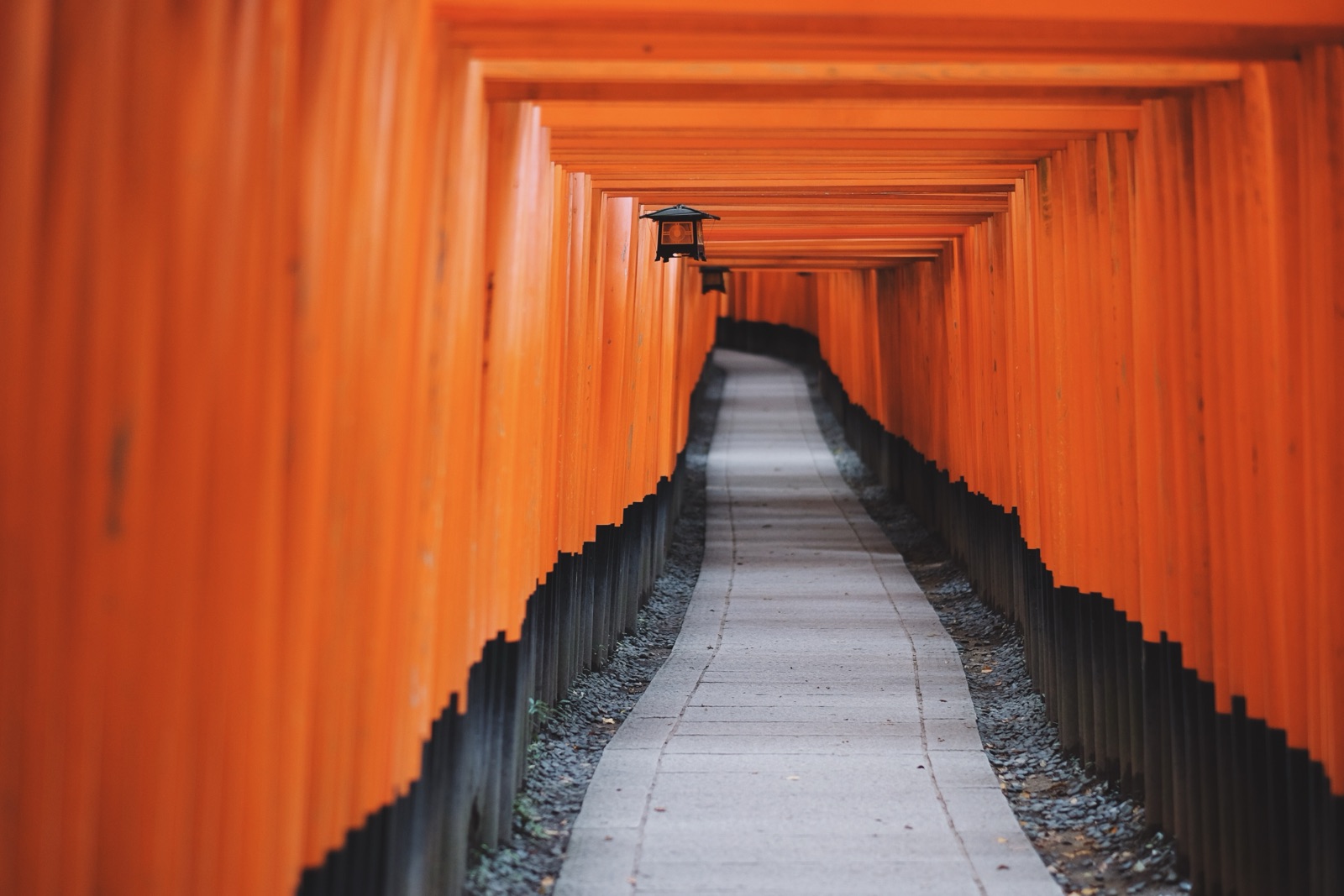
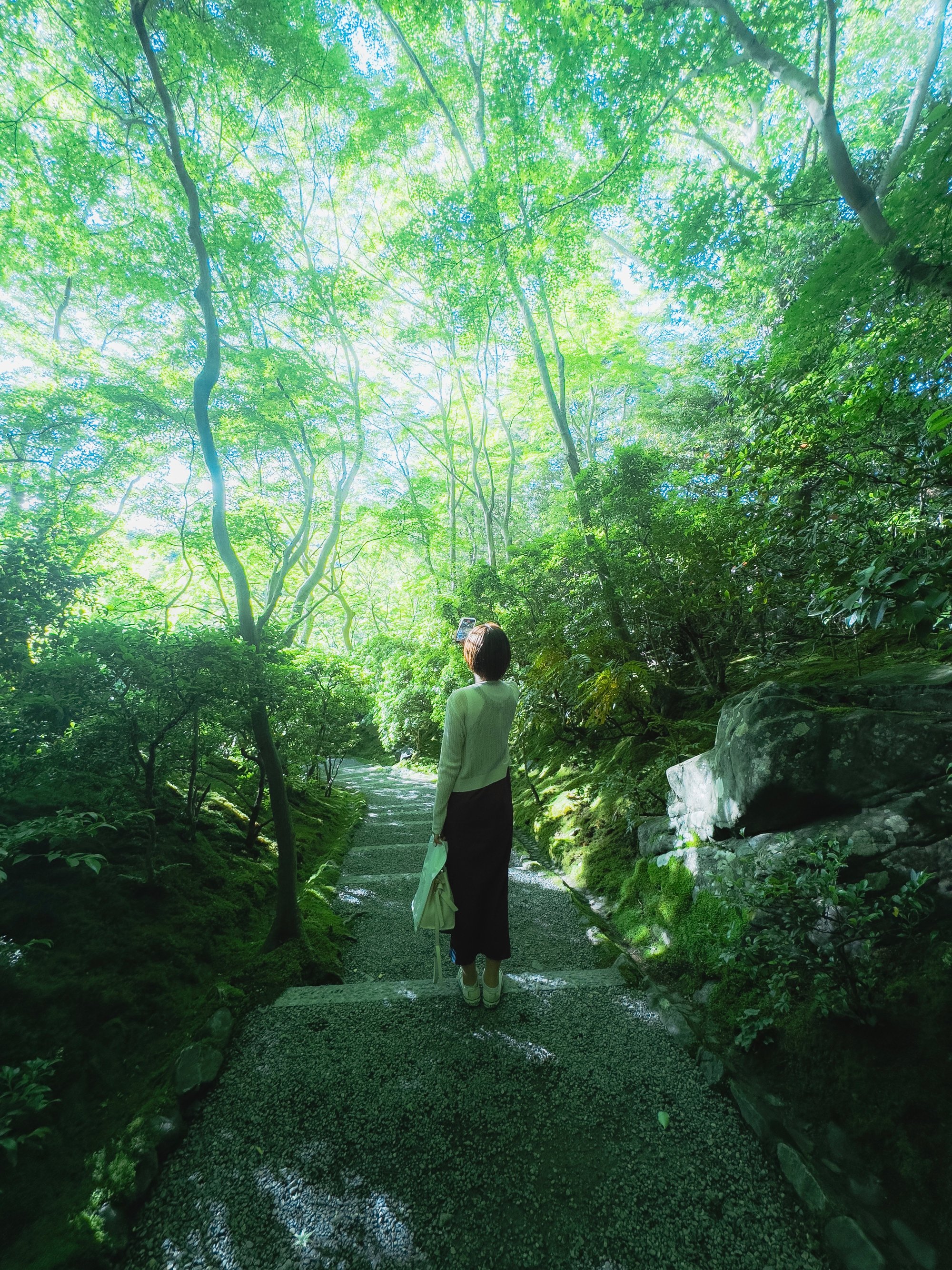
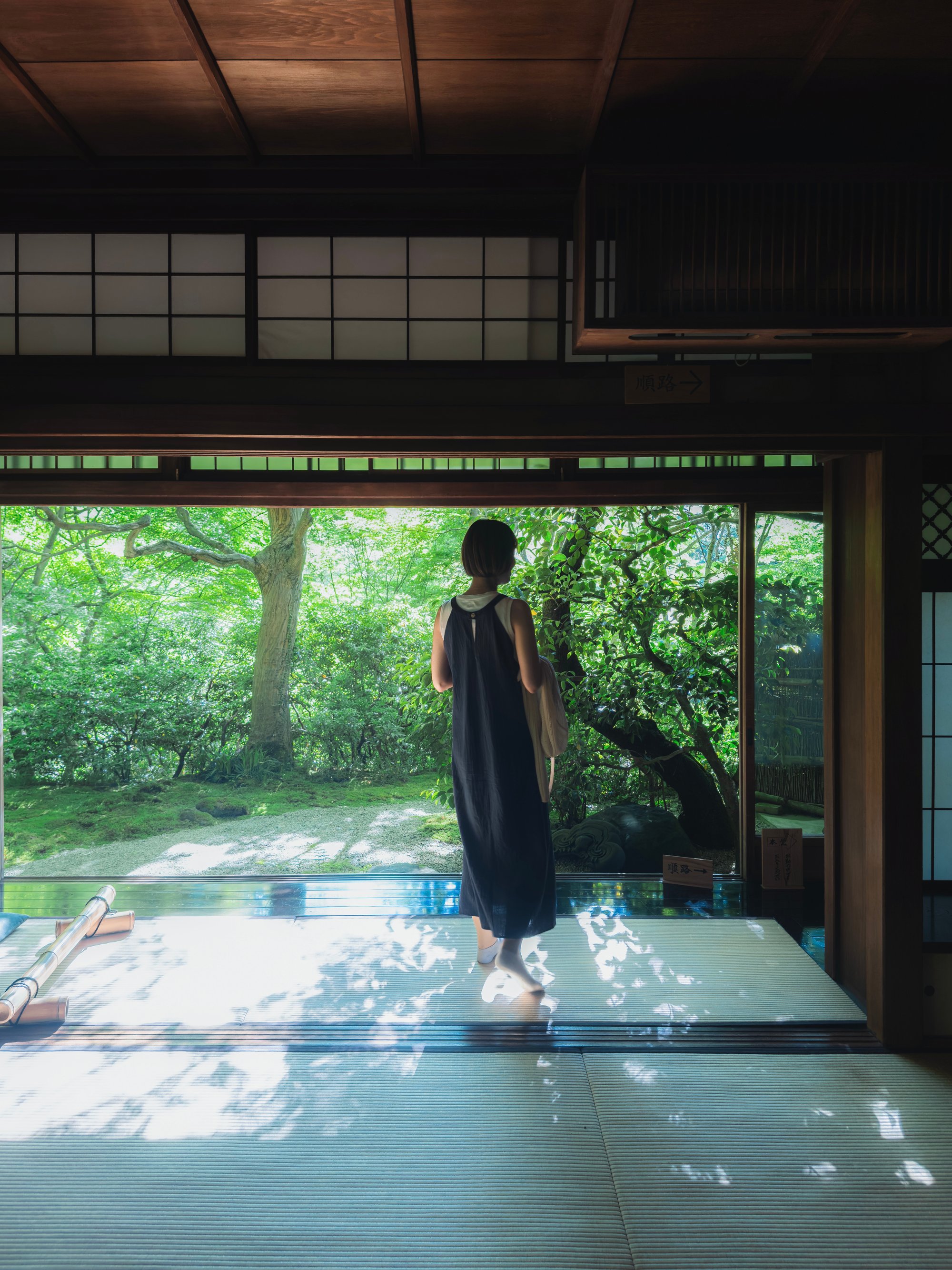
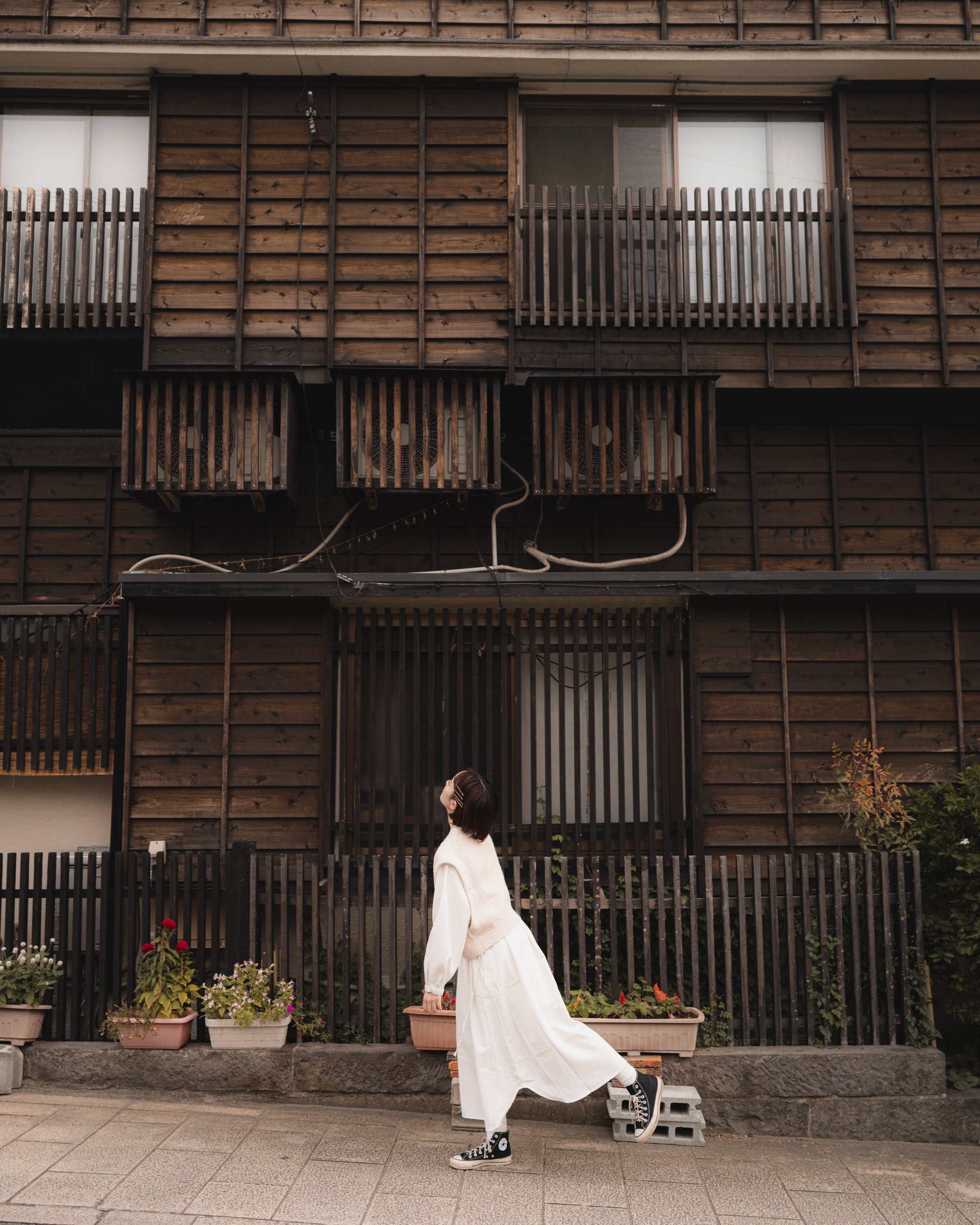
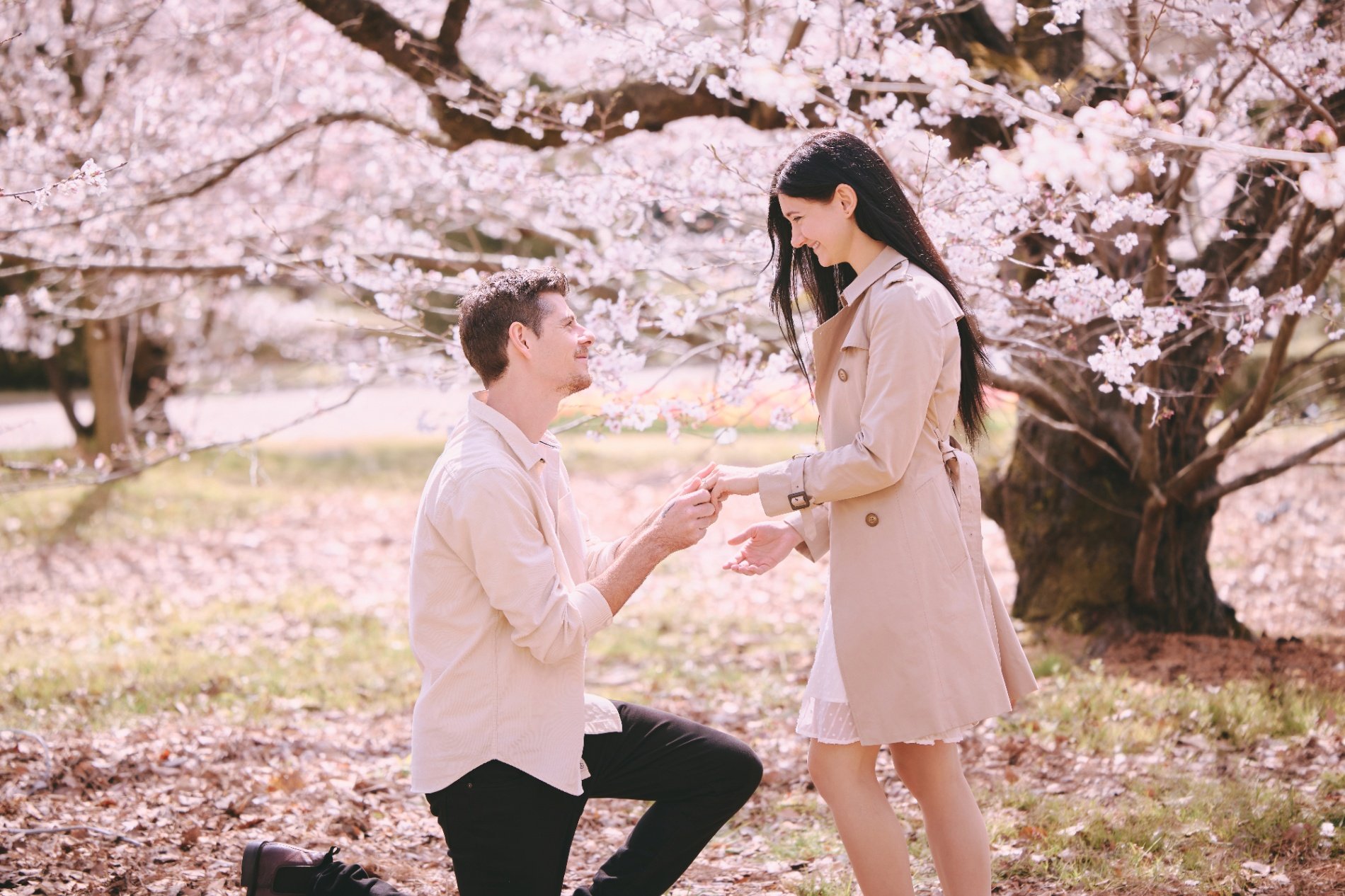
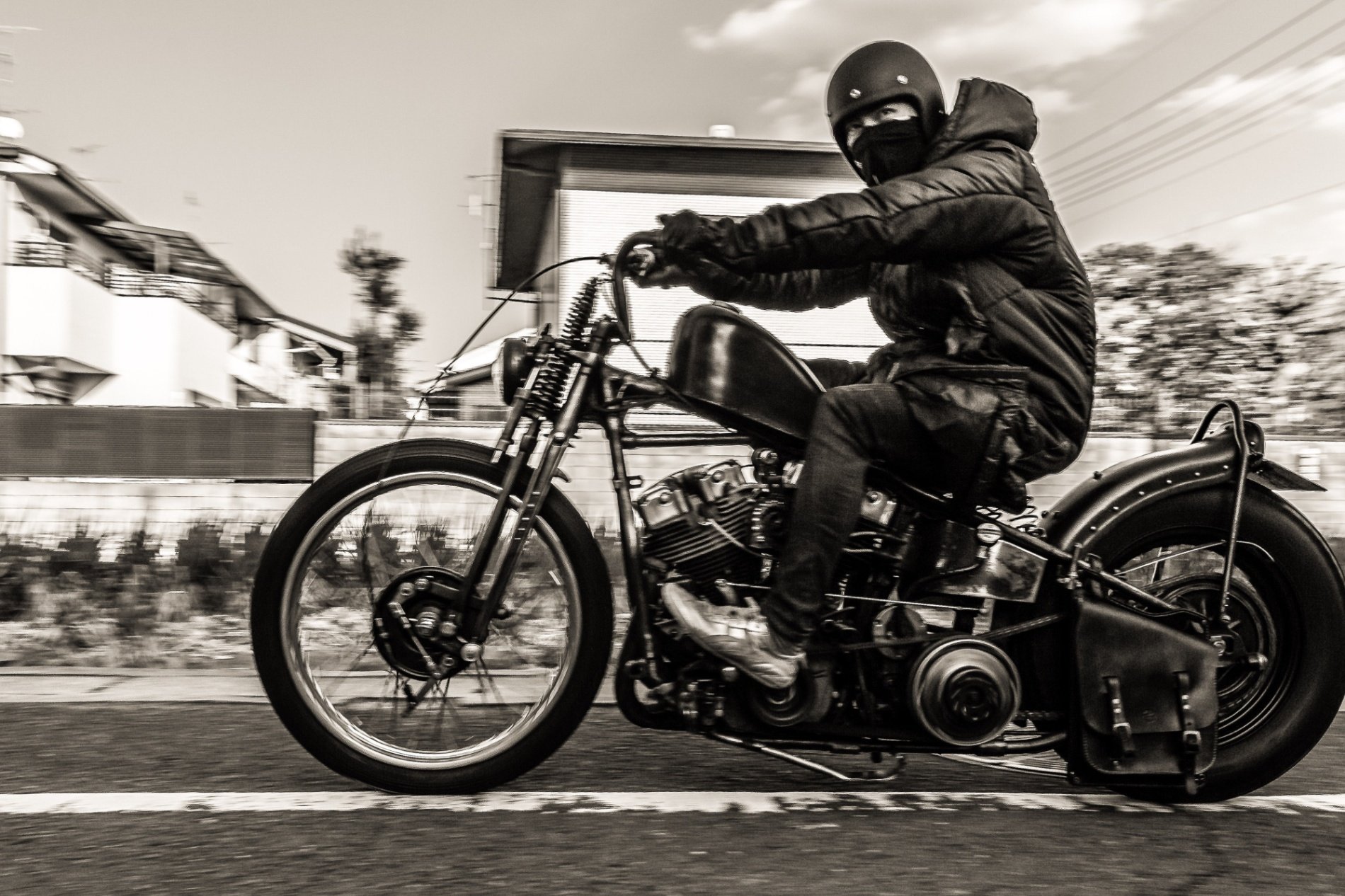
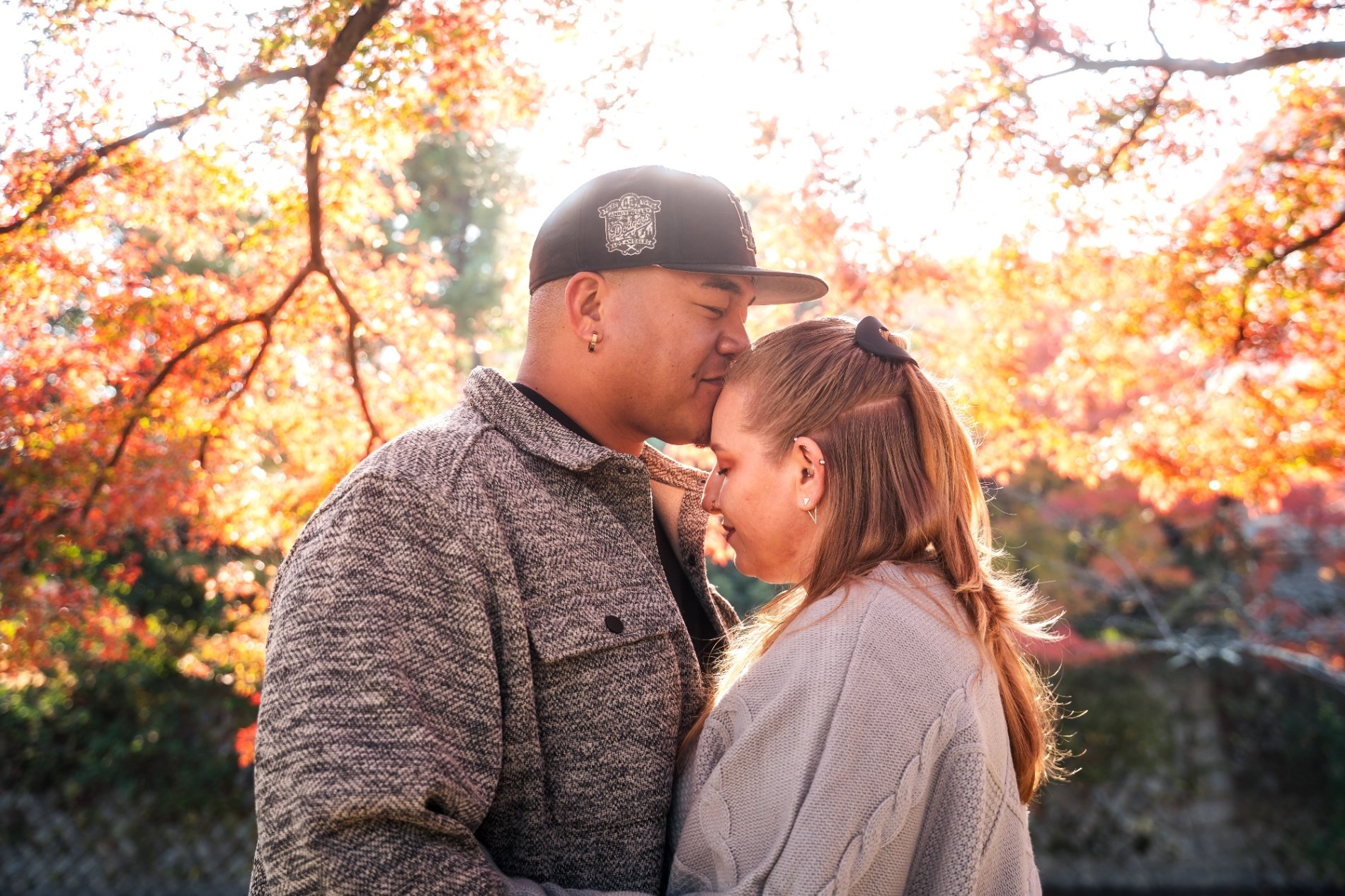
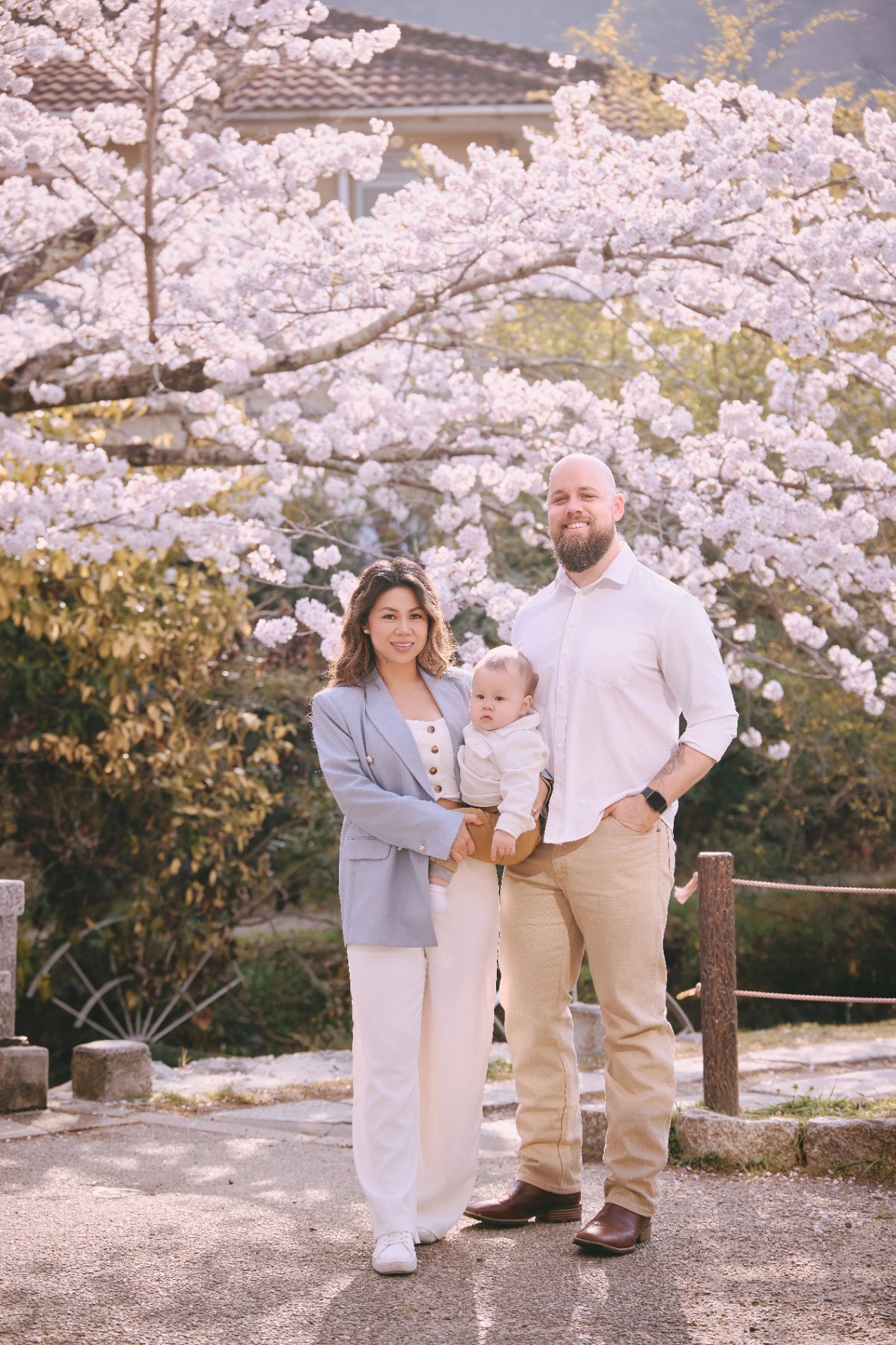
Real shots from Kyoto
How the front moves, north to south and high to low
Two things drive it. Altitude comes first: colour arrives on a mountain long before the town below it, so a valley can be finished at the top and green at the bottom in the same week. Latitude comes second. The alpine slopes of Daisetsuzan in Hokkaido turn around the middle of September, the earliest colour in the country; Sapporo's own parks follow in the last week of October or the first of November; the high ground above Nikko goes in the first half of October, the Japan Alps and Takayama at the turn of the month, Kanazawa in the second half of November, and Kyoto and Miyajima from around the middle of November into the first days of December.
What makes it move is weather rather than the calendar. Maples need cold nights and sunny days to go red; a warm, cloudy autumn delays everything and mutes the colour, and a dry summer can brown the leaves before they turn. Private forecasters — the Japan Weather Association and Weathernews are the two most quoted — publish the first autumn leaf forecast in early September and revise it several times as the front comes down, and recent seasons have run later than the old averages in a number of places. Check the current forecast rather than a list of dates from an old article, this one included.
Mid-October: Nikko above the switchbacks
The high country above Nikko is the first place on the main island that travellers reach easily. The Senjogahara marsh and the shores of Lake Chuzenji colour in the first half of October, with Kegon Falls dropping about a hundred metres beside them — there is a lift down to the lower viewing platform, ticketed and with its own hours, so check before you build a morning around it.
Between the town and the lake are the Irohazaka switchbacks, two one-way roads whose hairpins are named for the characters of the old syllabary. On an October weekend the queue of cars on them is genuinely hours long, and no photograph is worth sitting in it. Go on a weekday, or start before seven. The town itself, the cedars around Tosho-gu and the red lacquer of the Shinkyo bridge turn later, usually in the first half of November, and that lower session is the easier one: flat light under the trees, two hours from Asakusa on the Tobu limited express, no mountain road involved.
Late October into early November: Takayama, the high valleys and Kanazawa
The high valleys of the Japan Alps turn from the middle of October. Takayama itself, lower down, usually follows at the very end of the month or in the first days of November, and the combination that makes it worth the journey is dark Edo timber, white plaster and a maple behind it — the Higashiyama temple walk above the town and the riverbanks by the morning markets, both quiet before nine.
Fifty minutes away by bus, the thatched roofs of Shirakawa-go sit in a valley that colours in the first half of November — the version of that village almost nobody photographs, since everyone comes for the snow. Kanazawa is a fortnight behind again, with the maples in Kenroku-en in the second half of November. The garden's pines go under their conical winter ropes from around the start of the month, so for a week or two you can have both in one frame. Garden hours shift with the season and the coaches arrive mid-morning: another early start.
The second half of November: Kyoto
Kyoto is the main event and the hardest to shoot. The maples in the valley below Tofuku-ji's covered bridge are the picture most people have seen; in the peak weeks the temple has restricted photography from the bridge itself for crowd safety, so check the current rule rather than turning up with a plan. Eikan-do, the brick aqueduct at Nanzen-ji, the Philosopher's Path, the stone lanes below Kiyomizu-dera and the Katsura riverbank at Arashiyama all peak in the same fortnight, roughly from the middle of November into the first days of December.
The streets, the canal and the riverbanks are public and can be worked at first light. The temple gardens cannot: they are ticketed, they open on their own schedule, the queue is long by nine, and most of them refuse tripods. A session that wants both usually starts outside in the dark, takes the gardens as they open, and is finished by the time the coaches arrive.
What clients say about this kind of shoot
We had such a great photography experience with OKINI PHOTO TOUR! If you’re looking for an Osaka photographer, especially for a couple photoshoot in Osaka, I would definitely recommend them. The photographer made us feel comfortable from the beginning and guided us naturally with poses, so even if you’re not used to being in front of a camera, the experience is very relaxed and fun. What I really liked was that this wasn’t just a typical photoshoot. We walked around Osaka and enjoyed the city while taking photos, so it felt like both a photo tour and a local Osaka experience. The photos around Dotonbori and Osaka’s neon streets were especially beautiful. The photographer knew where to shoot, how to use the city lights, and how to capture natural moments between us. For couples traveling in Japan, honeymooners, or anyone searching for couple photography in Osaka, an Osaka travel photographer, or a Dotonbori photoshoot, OKINI PHOTO TOUR is a great choice. A wonderful way to keep memories from our trip to Osaka. Highly recommended!
— 伊藤尚也 on Soh
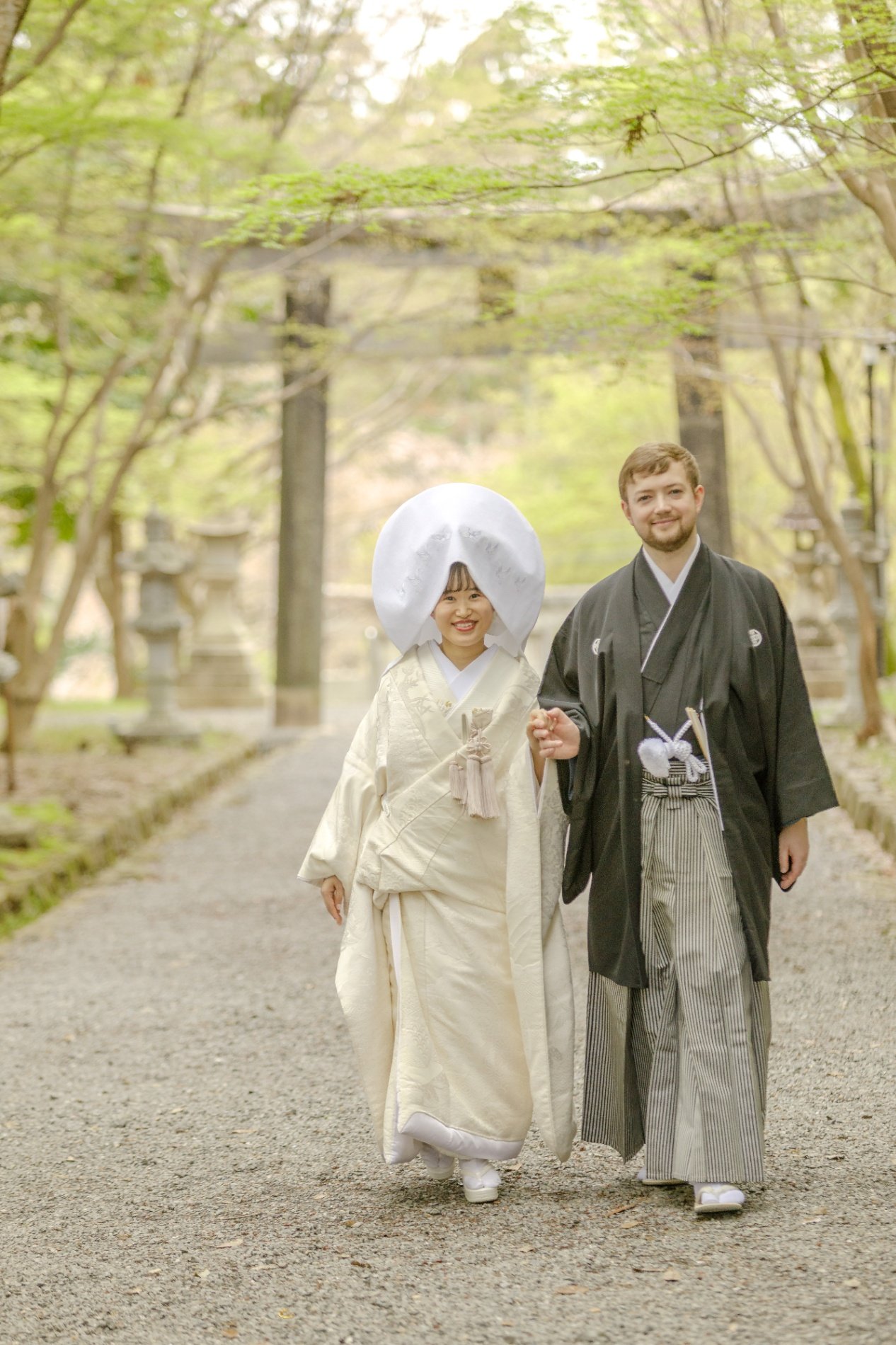
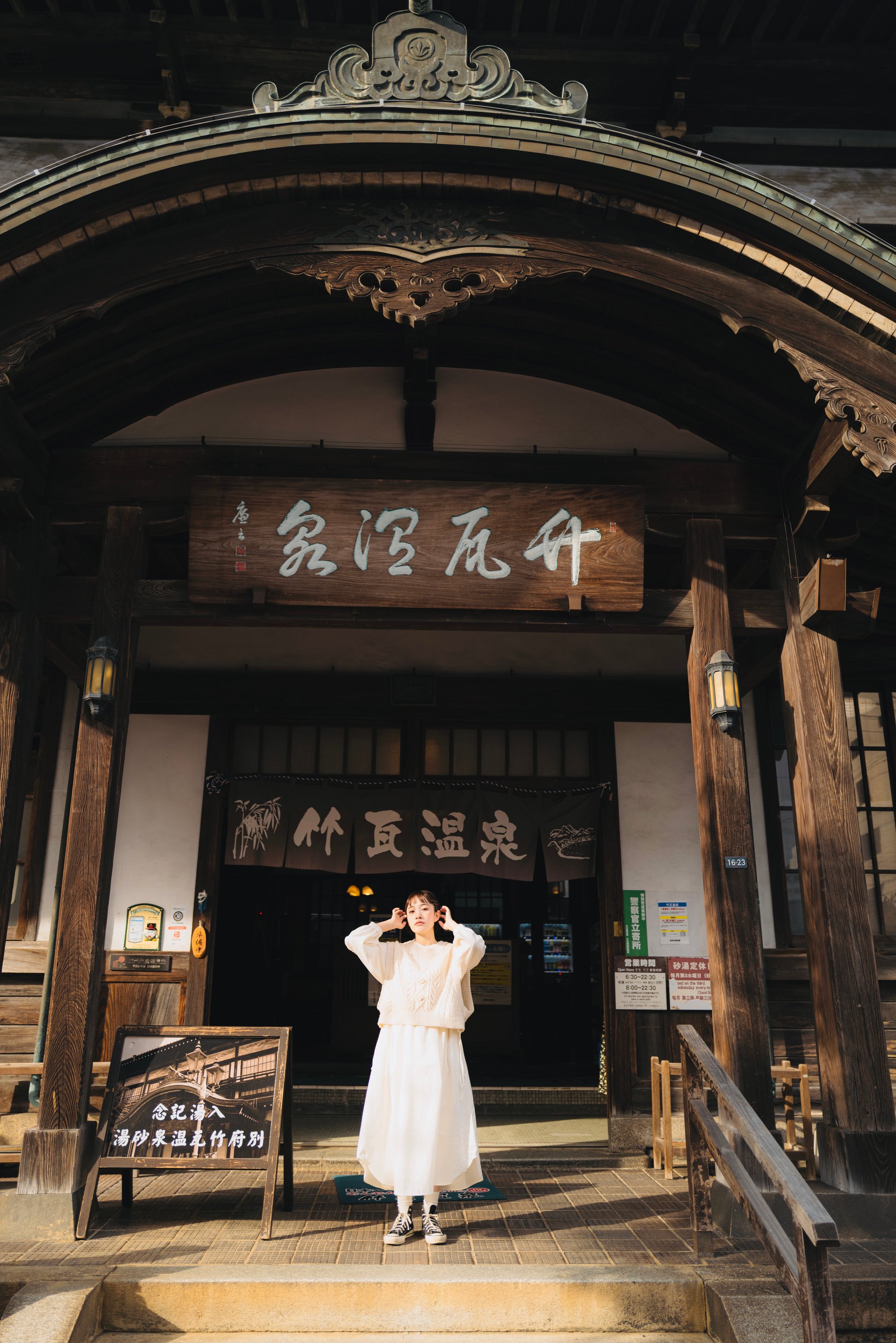
I had a truly unforgettable kimono photo shoot experience in Kyoto with Sanbao. He was warm, professional, and attentive to every detail. Since it was a busy weekend, he carefully selected a quieter temple location that was both peaceful and incredibly photogenic , a perfect setting away from the crowds. I’m not particularly familiar with wearing a kimono, so I wasn’t sure how to pose in a way that would look natural and elegant. But Sanbao is clearly very experienced . he thoughtfully designed the entire shoot based on the background, the setting, my kimono, and even my personality. He gave clear, gentle guidance and helped me feel comfortable and graceful throughout the session. Even the raw photos I received the same night were stunning. Each photo felt artistic, well-composed, and beautifully balanced (capturing not just how I looked, but how I felt in that moment. )It was truly a personalized, artistic experience that I’ll treasure forever. Highly recommend Sanbao to anyone.
— Xia on Sanbao Z.
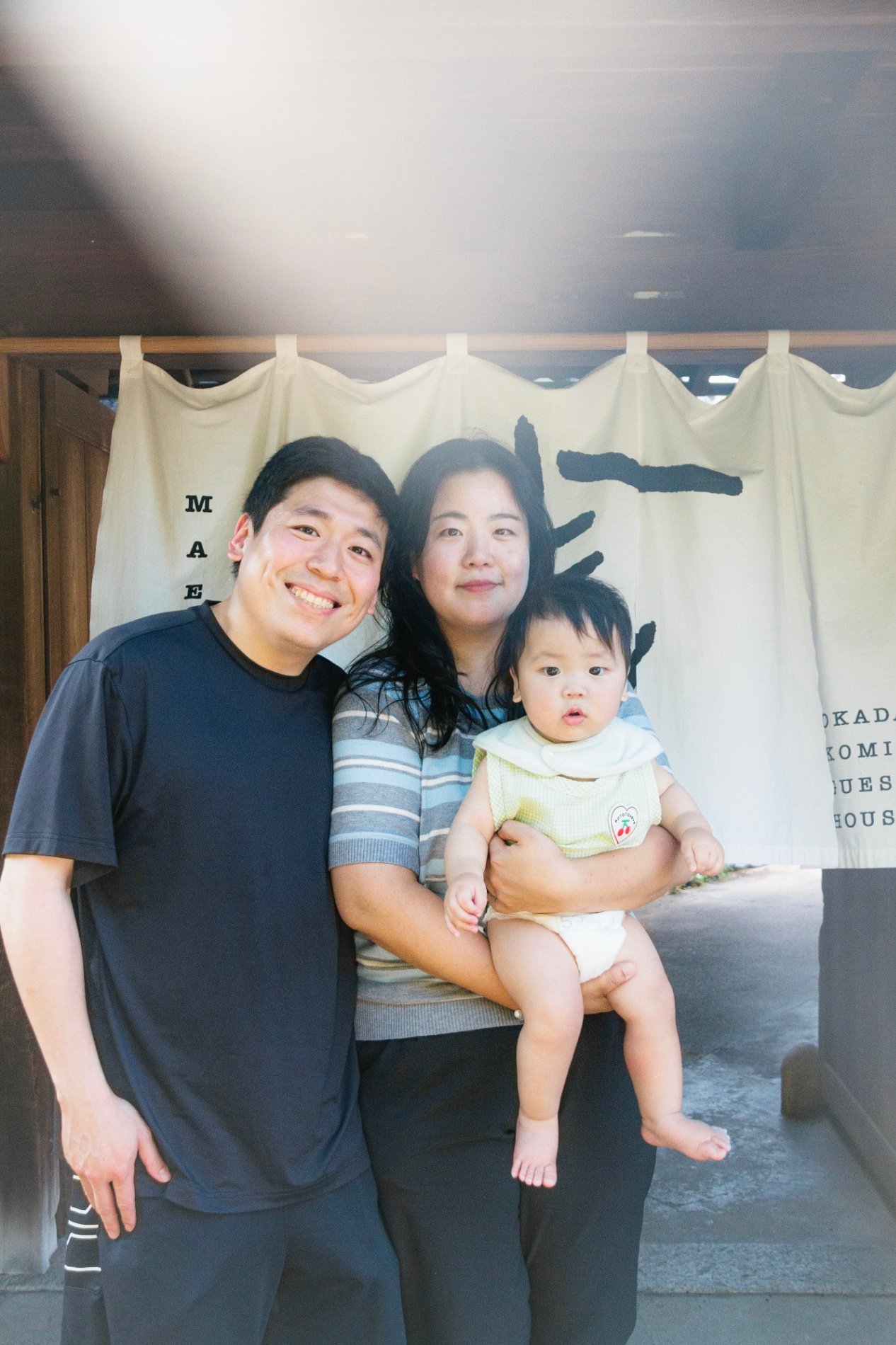
We had a fantastic private photo session with SanBao. He’s highly professional, knows the area well, and was punctual. He kept great conversation throughout, which made us feel comfortable and relaxed. He also recommended a kimono rental and helped make the reservation, ensuring the whole process was smooth and well-planned. Most importantly, we absolutely love the photos he took of me and my family. You can tell he truly loves what he does—his expertise with lighting is amazing, and he has a real talent for capturing special moments. We couldn’t be happier with the results and highly recommend booking with SanBao!
— Molly on Sanbao Z.
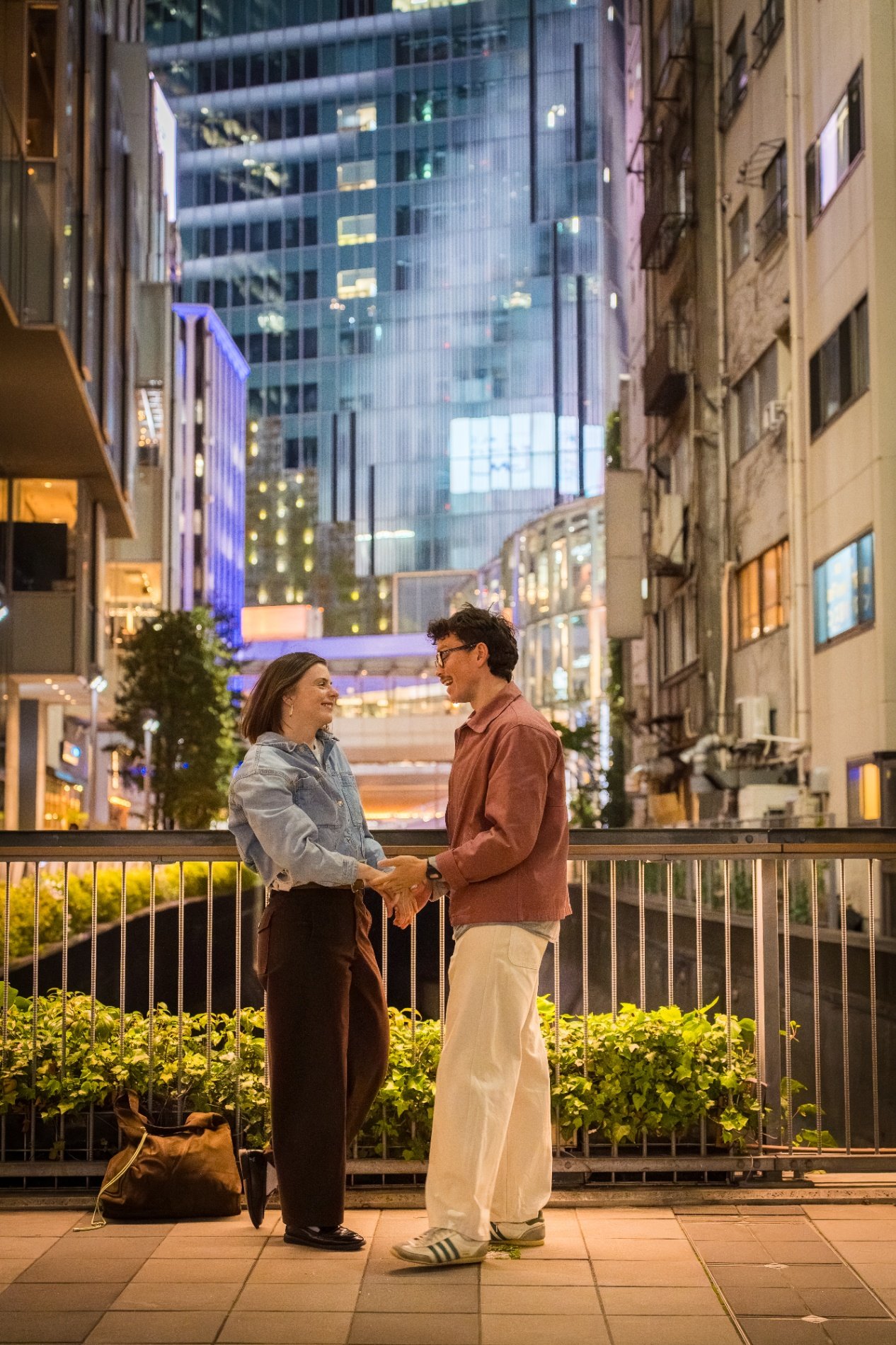
Soh was the best! He knew all the hidden gems in Tokyo and we had the best shoot with him! Super professional, on time and gave great creative direction!
— Cathy D. on Soh
Soh was INCREDIBLE! The shots he got for us were so awesome, he knew so many amazing off the beaten path spots for pictures. 10/10 if you want awesome photoshoots come here!!
— Yeremi H. on Soh
I had such a great photoshoot experience with Okini! 📸✨ It was honestly so much fun, and the photos turned out absolutely beautiful. The Tokyo Tower spots were perfect, and our 2-hour photoshoot gave us so many amazing shots. Everything felt fun, relaxed, and worth it from start to finish. Definitely such a memorable experience and one I’d recommend if you want beautiful photos in Tokyo! 🗼💕
— Maria D. on Soh
Late November into early December: Miyajima, and Tokyo's gold
On Miyajima the maples of Momijidani are at their deepest in the second half of November, and the island holds two variables at once: the colour and the tide. High water puts the great torii and the shrine walkways in the sea, low water lets you walk out across the sand, and both are worth photographing — check a tide table before you fix the hour. The ropeway that climbs towards Mount Misen shuts for wind and for maintenance, so treat the summit as a bonus.
Tokyo's autumn is gold rather than red. The ginkgo avenue at Meiji Jingu Gaien turns for roughly ten days at the end of November, a straight double row that funnels the eye and photographs beautifully into low sun. The classical gardens — Rikugien and Koishikawa Korakuen among them — hold maples into the first days of December, are ticketed, and have lately run their evening openings on advance timed tickets. Check before you plan an evening around one.
The evening illuminations, and what they mean for a session
Through the peak weeks a good number of temples and gardens open again after dark with the trees lit, as a separate entry from the daytime visit. They are spectacular and not an easy photoshoot: the queue can be long, the paths are one-way, tripods are refused almost everywhere, and the schedule is announced each year rather than fixed. Assume nothing and check.
If an evening session is what you want, treat it as a portrait job in difficult light rather than a landscape one: wide apertures, a subject who can stand still, and frames that use the lit trees as a background instead of trying to hold every leaf. The alternative costs less effort — the hour after sunrise at the same place, with nobody in it.
The busiest weeks of the Japanese travel year
Blossom week is famous, but the maple weeks carry more domestic travel. Kyoto in late November is booked out months ahead, the buses are unusable in the middle of the day, and the gap between a Saturday and a Tuesday at the same garden is enormous. Weekday mornings are the whole strategy.
Two practical consequences. Book the accommodation long before anything else — in Kyoto and at Nikko that means months. And put the session at the front of the day: at seven the temple approach is a street of maples with two joggers on it; at ten it is a line of people waiting for a gate.
When the colour comes late
It happens often now: a run of mild autumns has pushed several places more than a week behind the old averages. There are three answers, and none is going home.
Shoot the half-turned trees: a canopy still green at the edges and scarlet in the middle has more depth in a photograph than a uniform red one, and the light gets through it. Or go up — a mountain road, a ropeway or a high valley will be a week or two ahead of the town at its foot. Or go later than planned within the same region — Kyoto's last gardens hold into the first days of December, the ginkgos turn reliably after the maples, and a fallen-leaf carpet on moss or temple stone is a picture in its own right, not a consolation prize.
Planning an autumn photoshoot in Japan
Choose the week by region rather than the region by week. If the trip is in the middle of October, the session belongs at Nikko or in the mountains; at the end of the month, Takayama; in the second half of November, Kyoto, Kanazawa or Miyajima. Then give the photographer the final say on the exact morning — a week's notice and one flexible day is usually the difference between peak colour and nearly.
An hour covers one garden or one riverbank properly, and in these weeks that is the right size of plan. Start at first light, keep the second location within a short walk, and treat an evening illumination as a separate short session rather than the end of a long one.
Read the destination page for Kyoto and the other eleven, see what a couples photoshoot usually covers, and book a photographer online.
Want professional photos in Kyoto?
Browse portfolios, compare packages, and book a verified local photographer in minutes.