How Much Does a Photoshoot in Japan Cost? What sets the price and what is included
Nobody can hand you a single price for a photoshoot in Japan, because there is no single price to hand over. Every photographer sets their own packages, and the number on a profile is the one that photographer chose for that city, that session length and that amount of editing. What can be explained is the part that never changes: what sits inside the number, what pushes it up or down, and what you still pay for separately on the day. Get those three straight and comparing two profiles stops being guesswork.
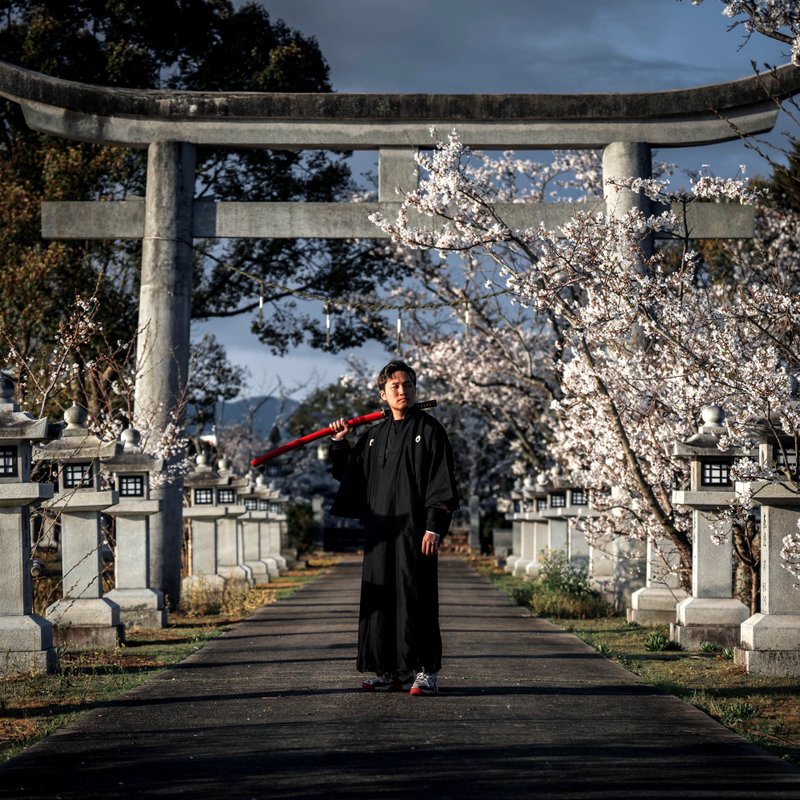
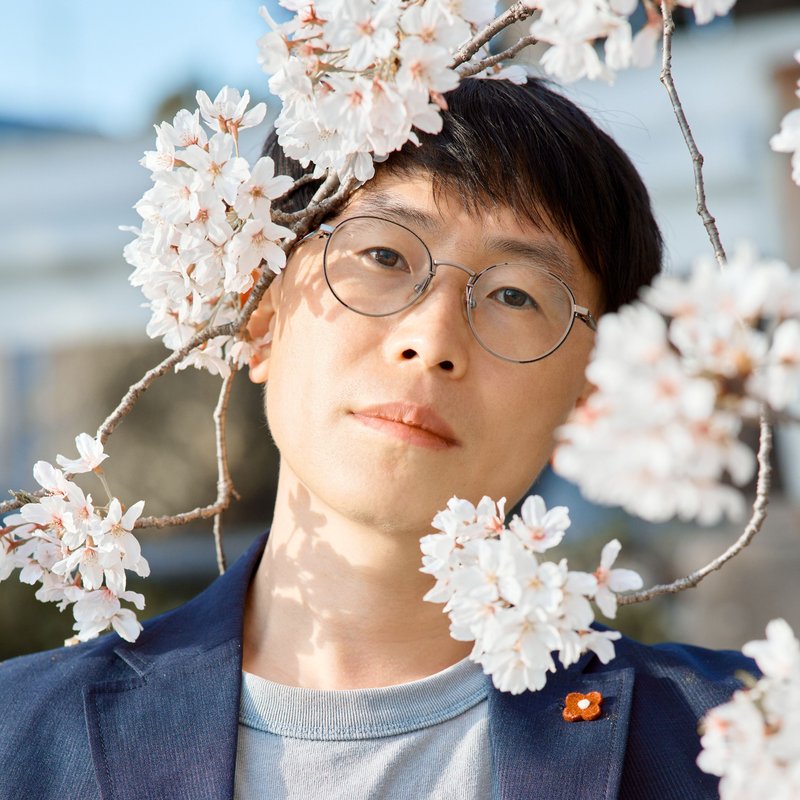
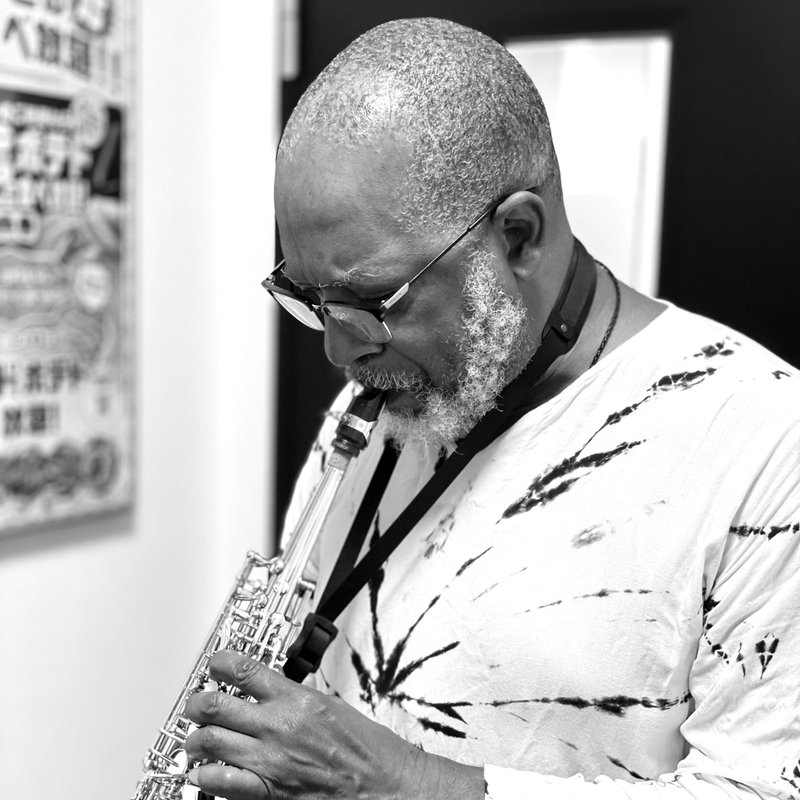
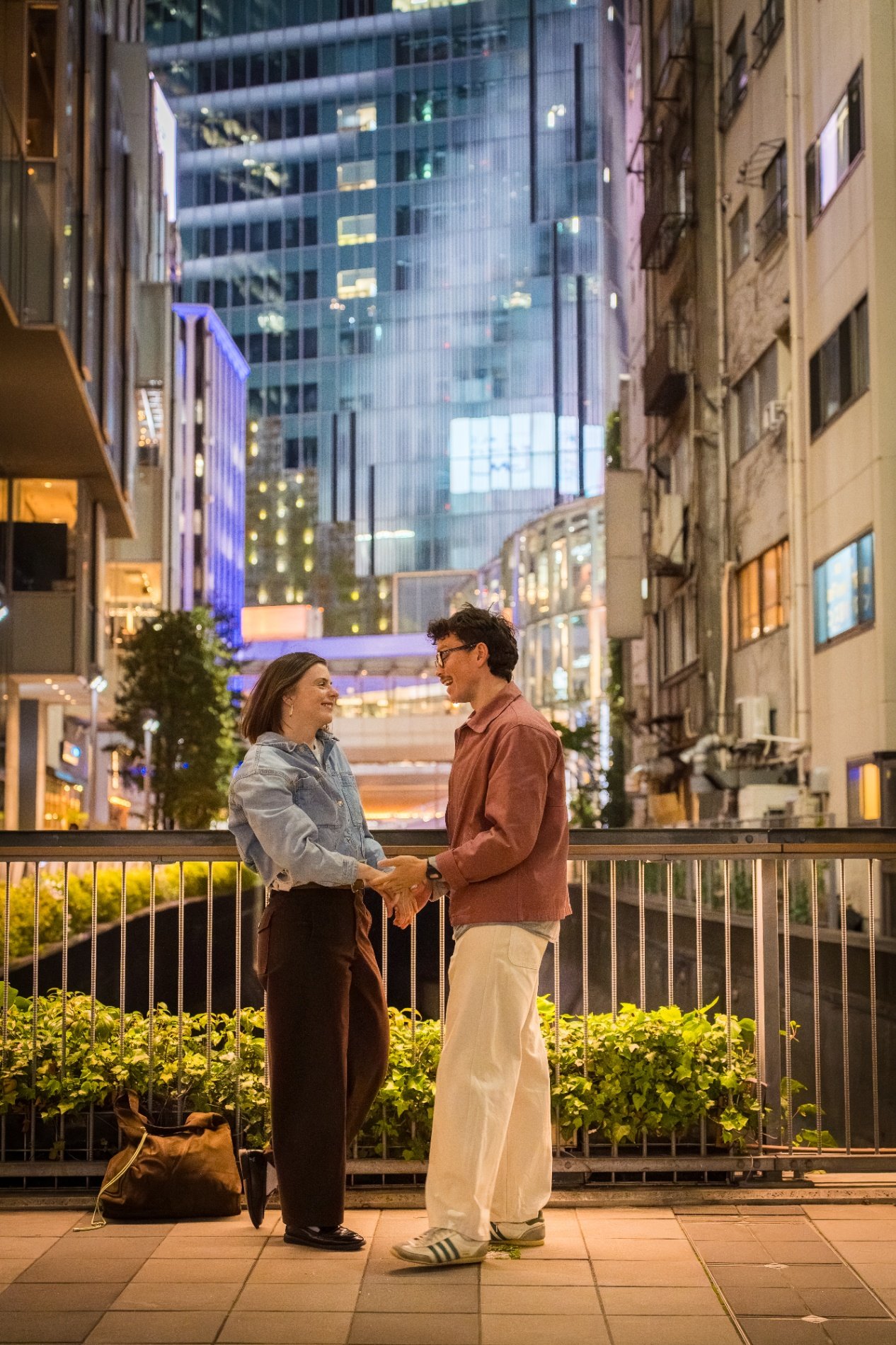
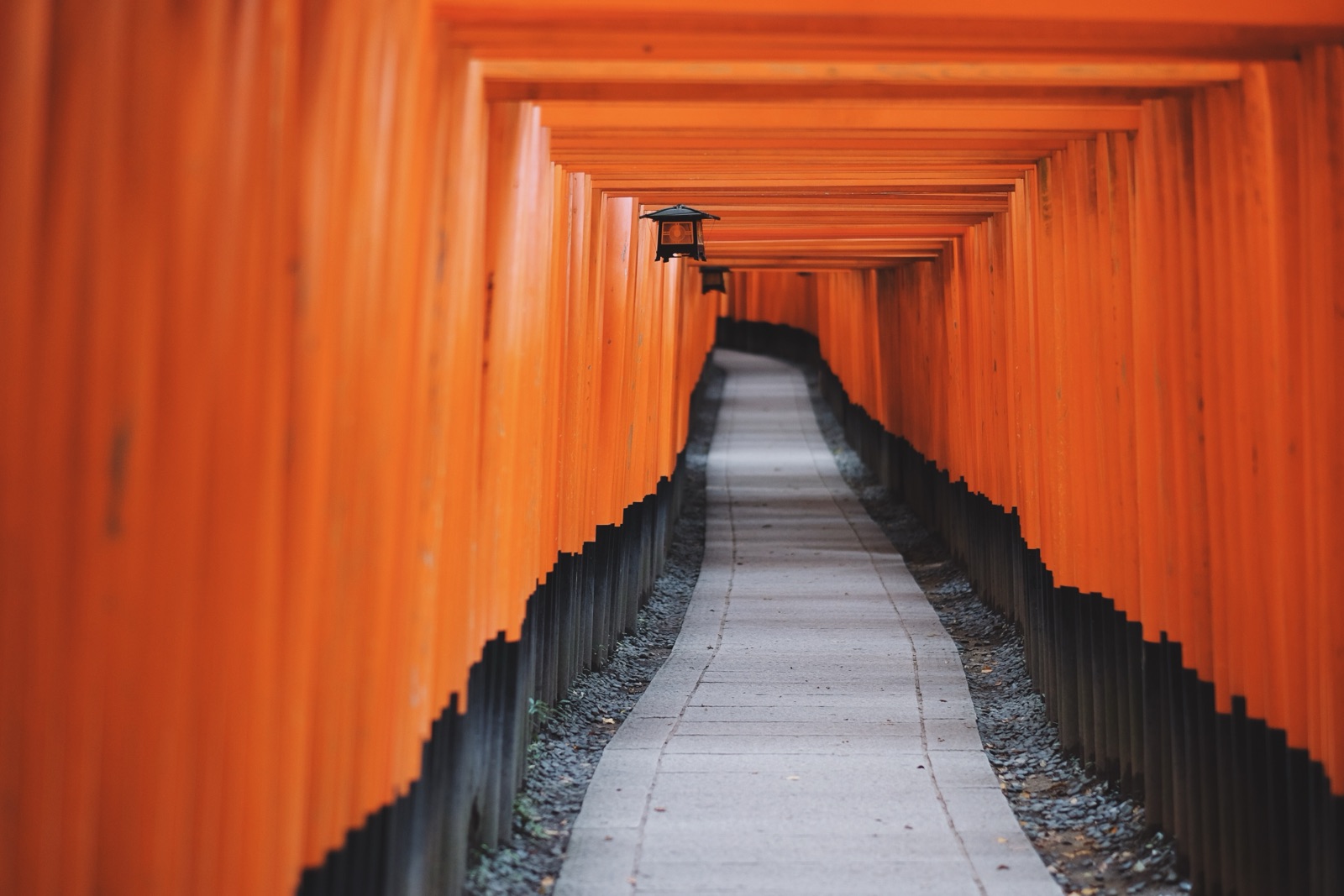
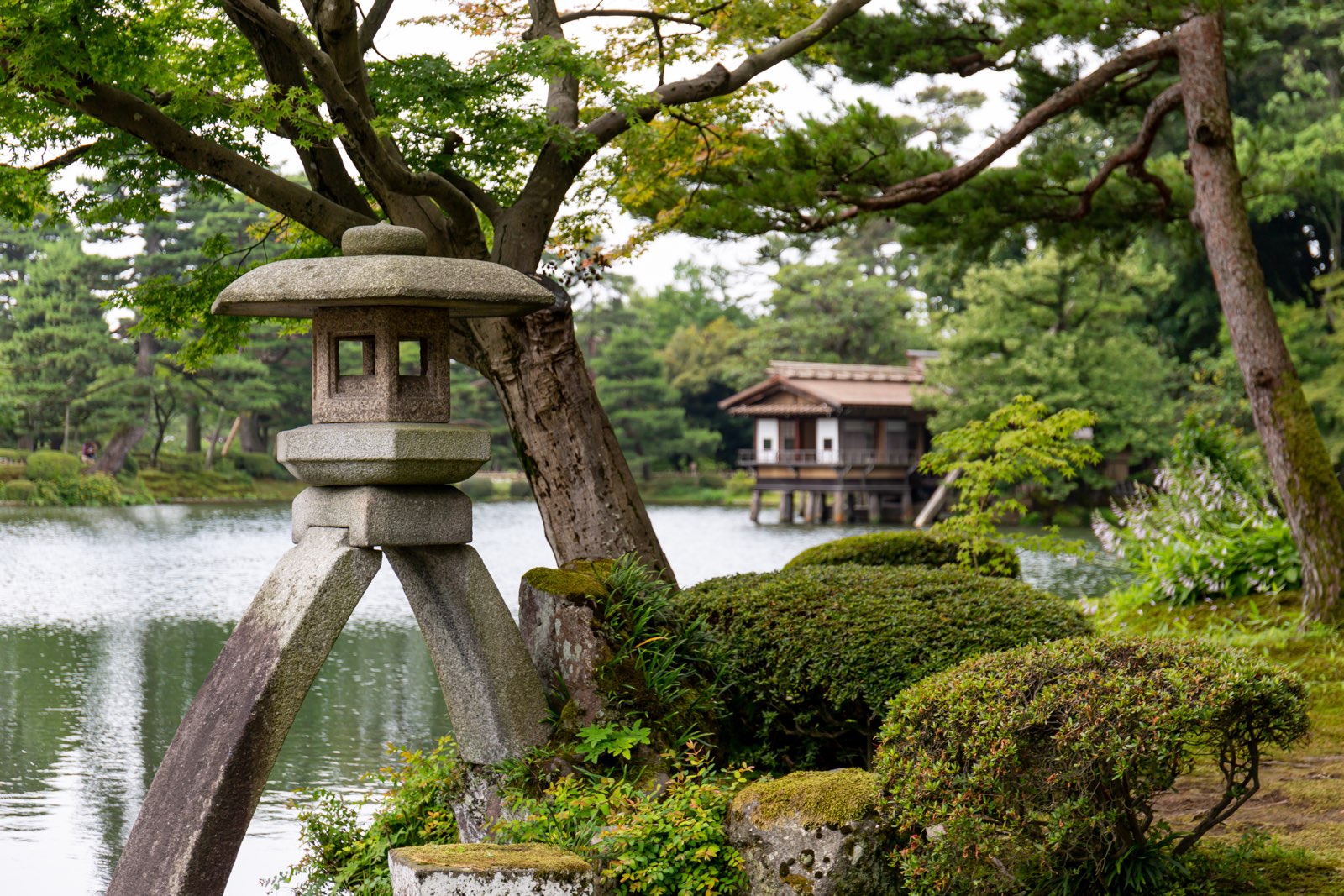
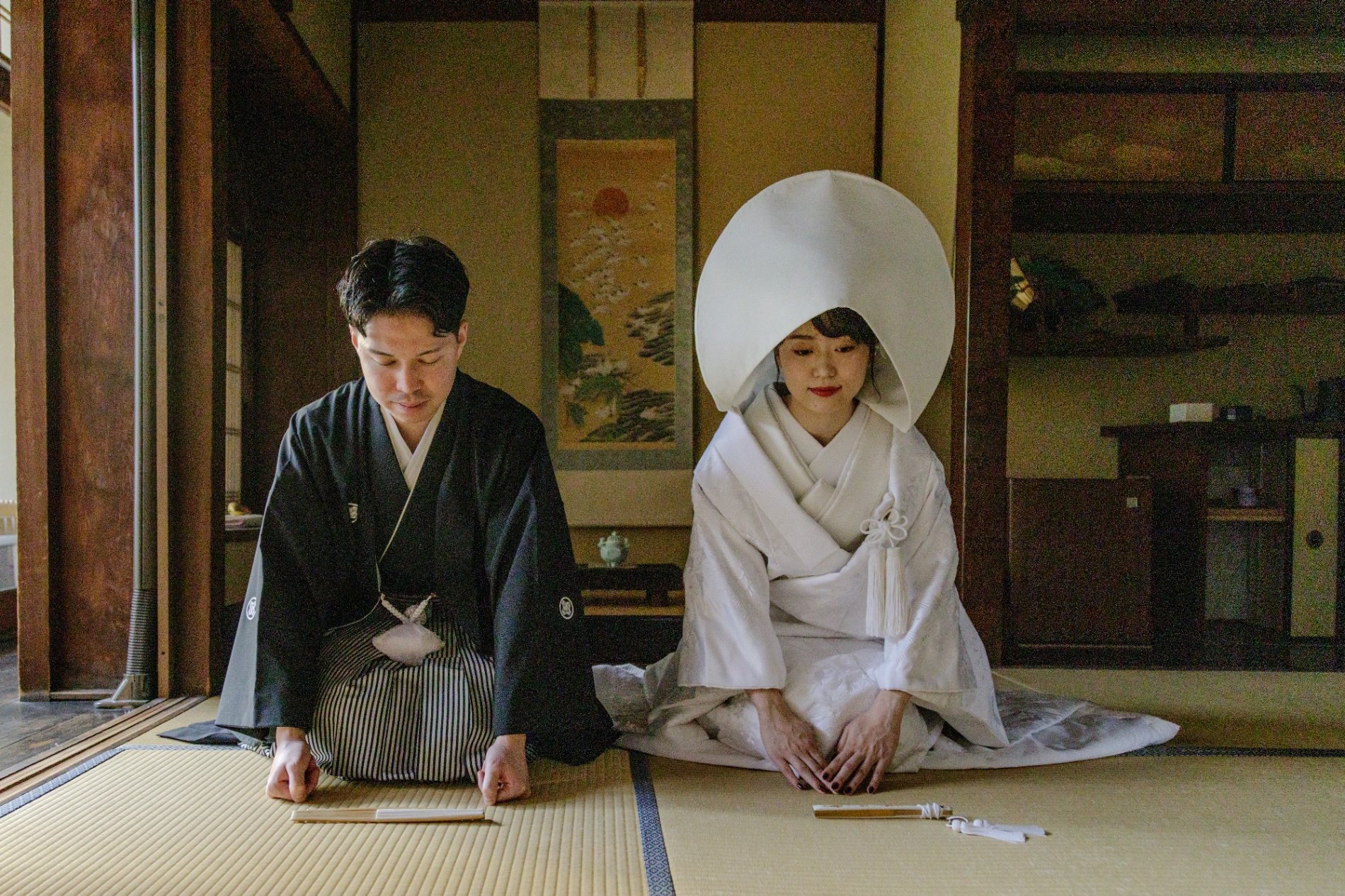
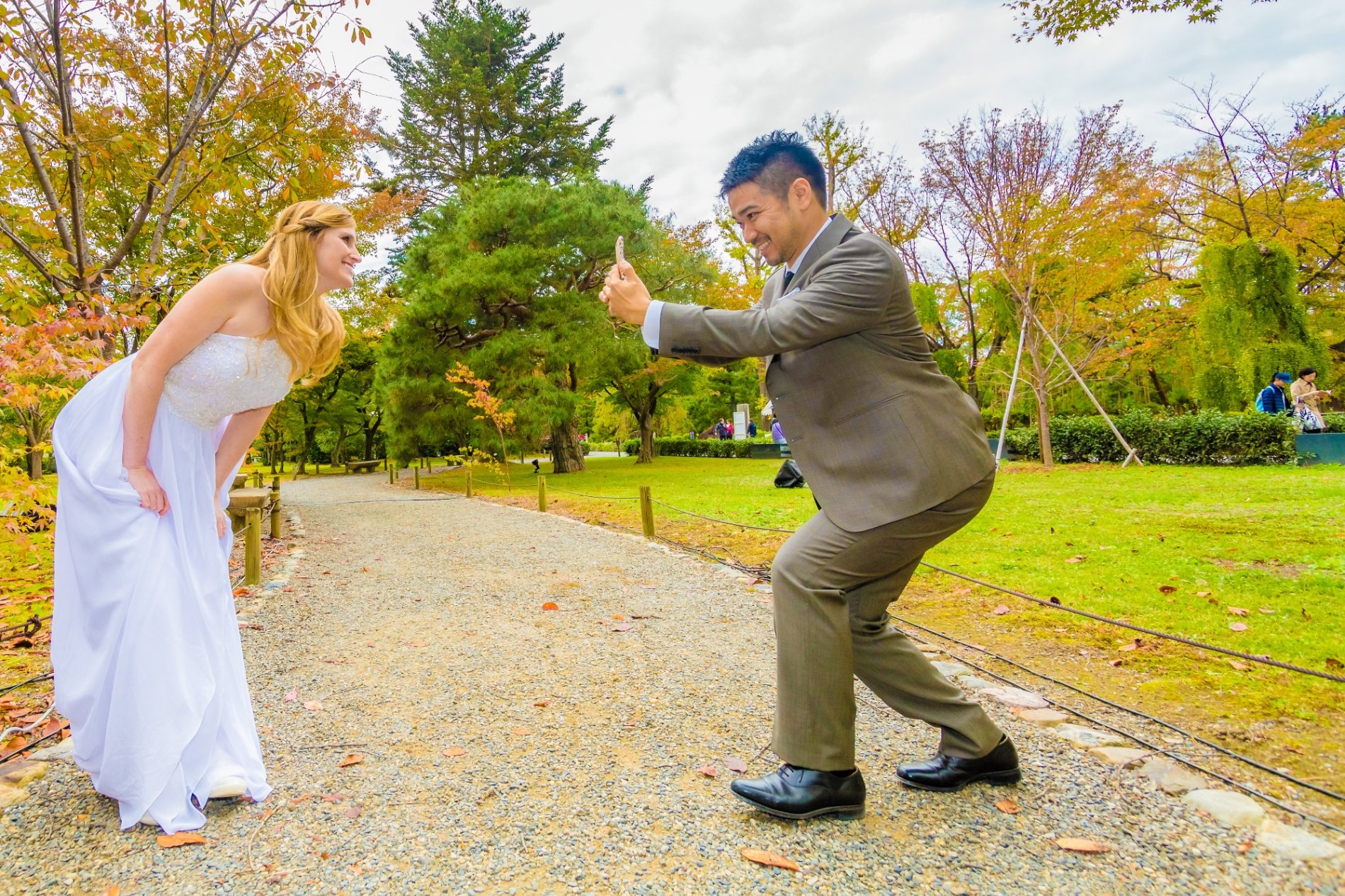
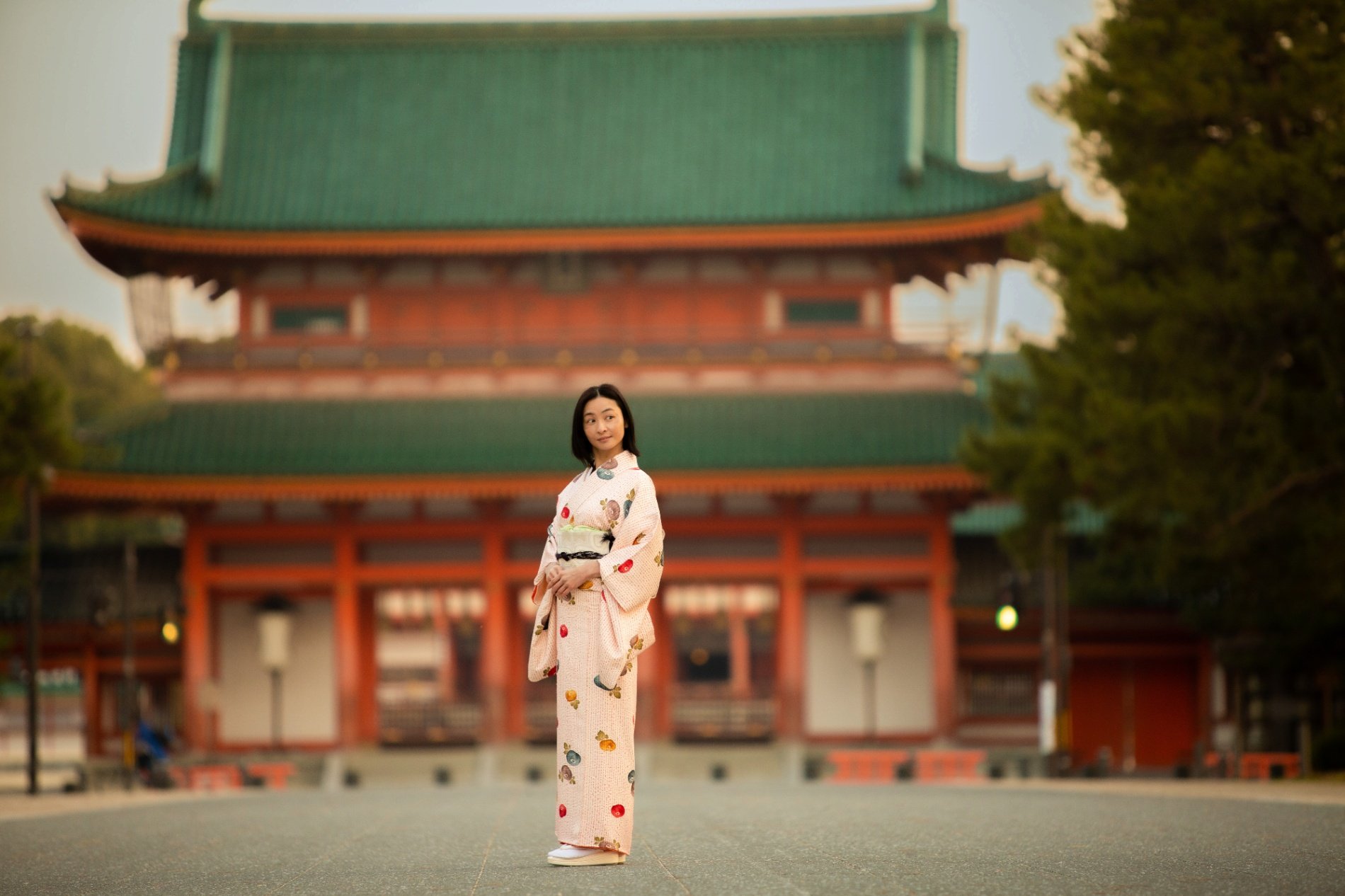
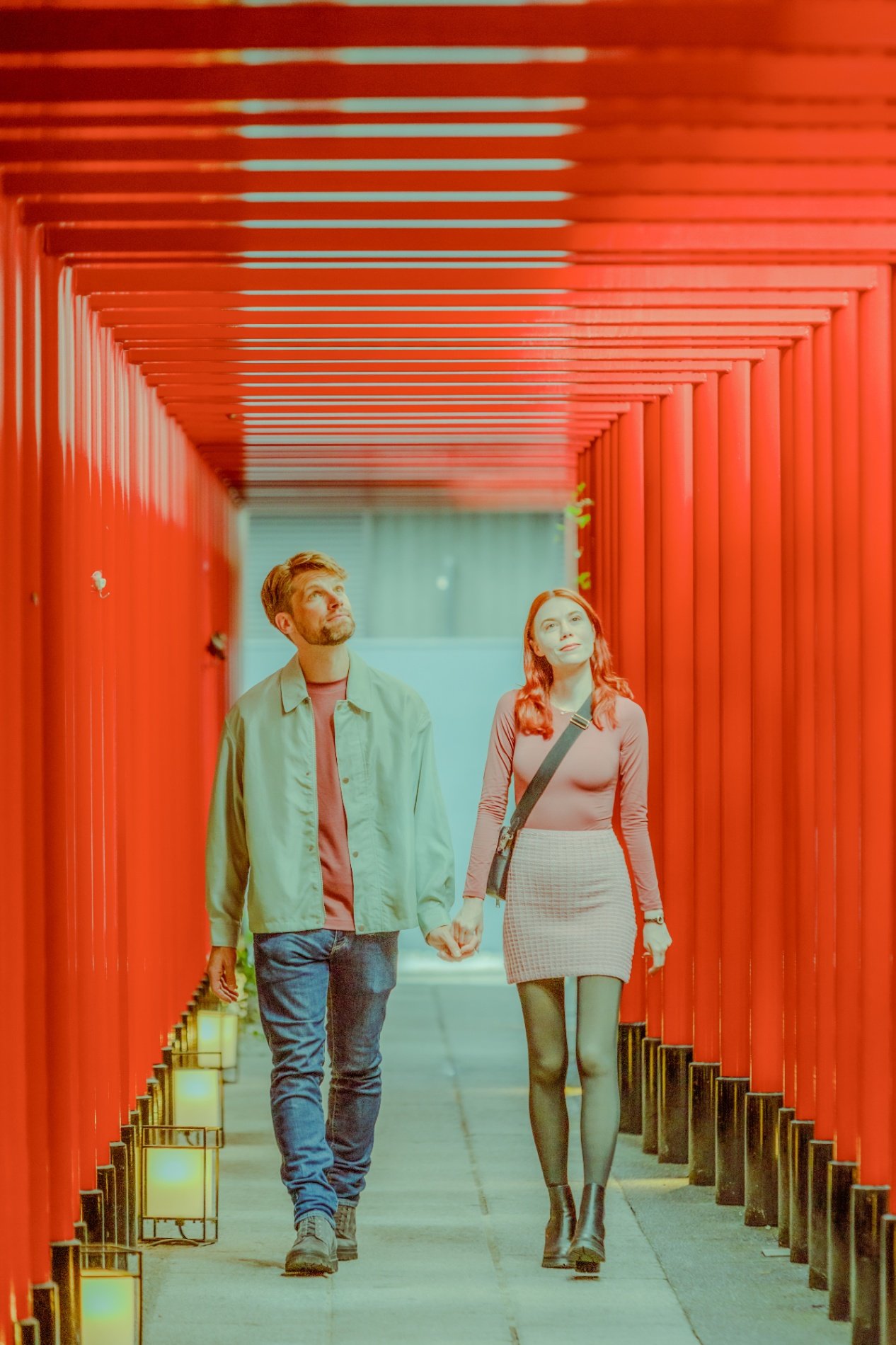
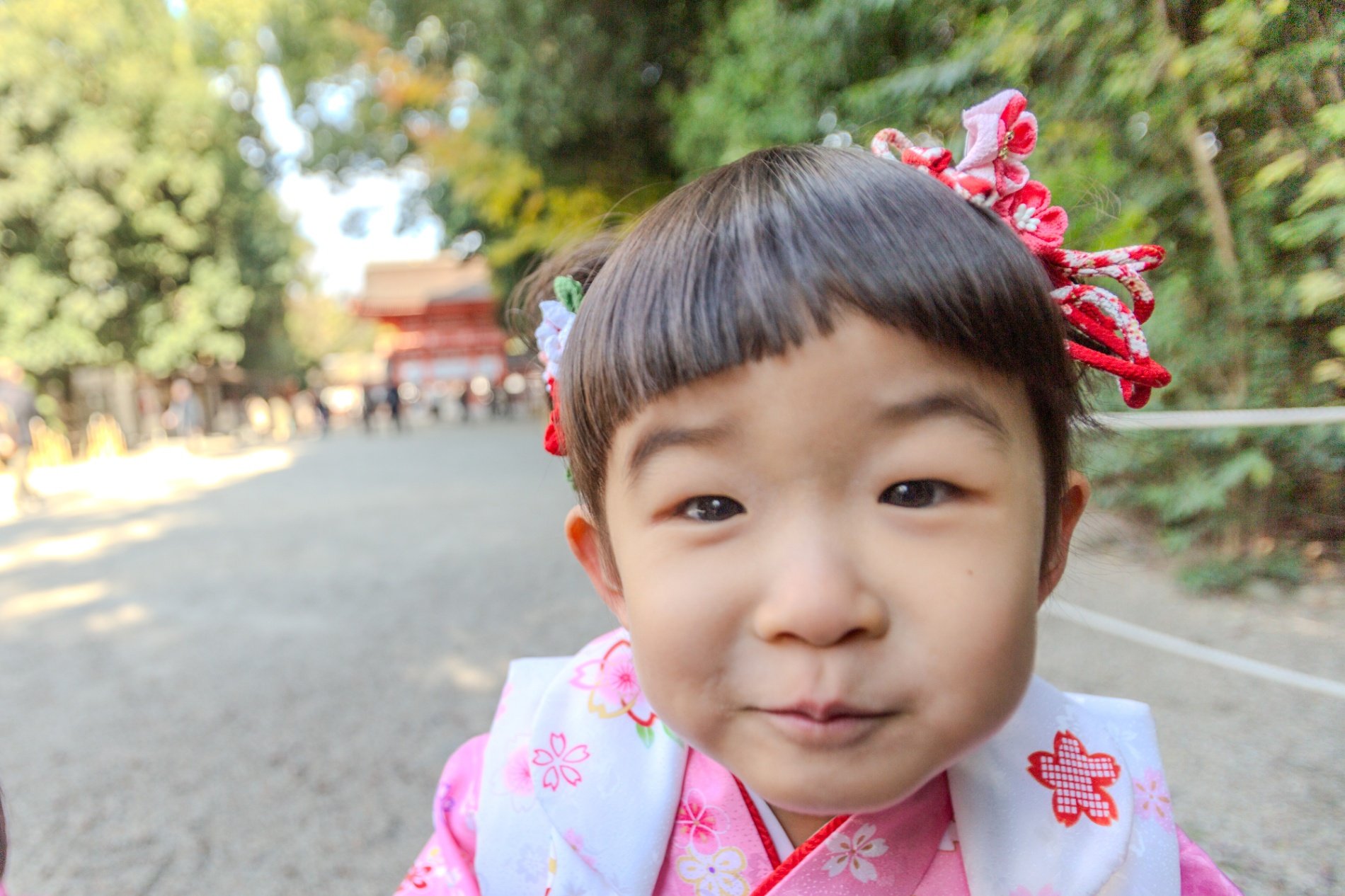
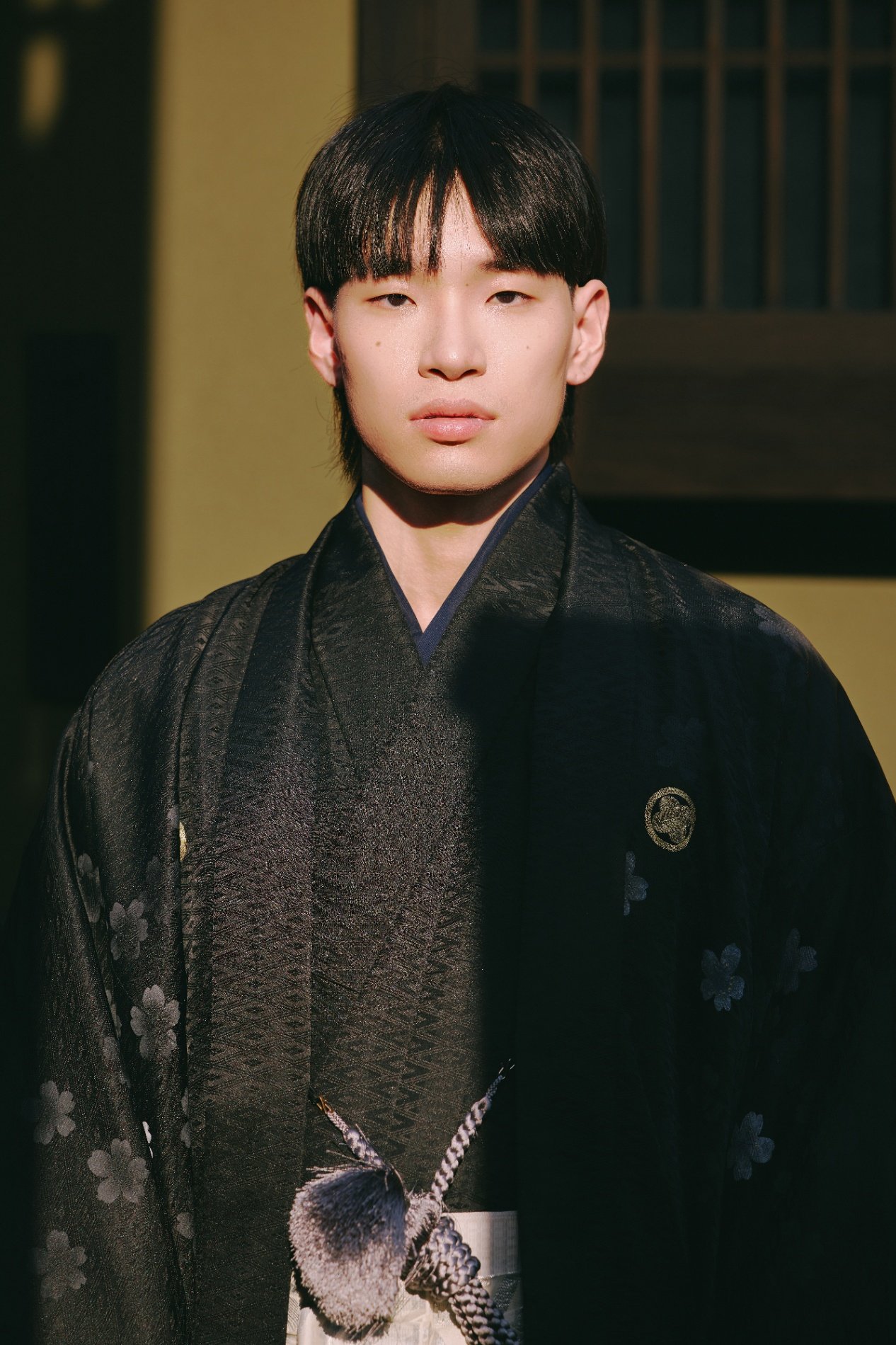
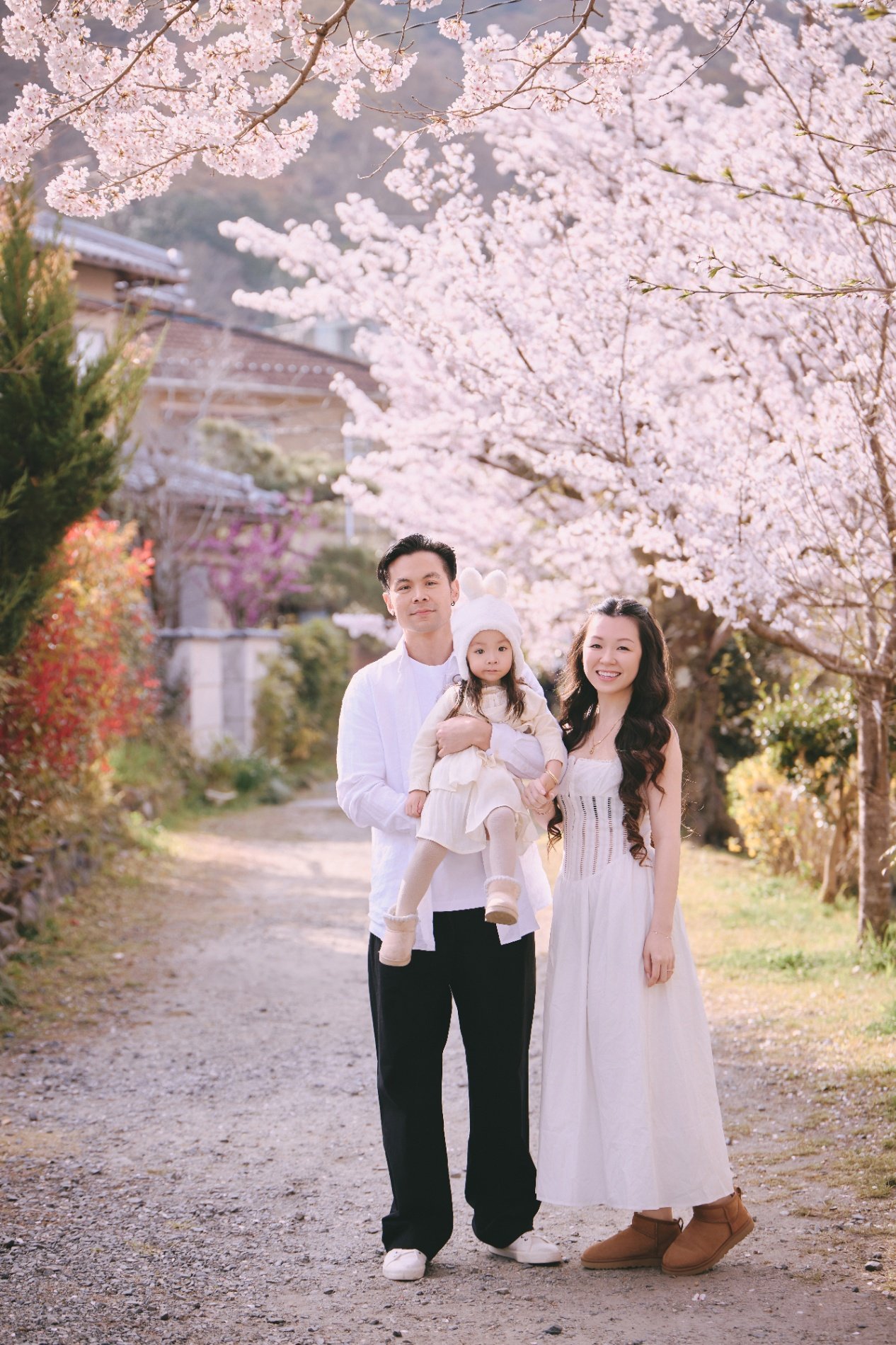
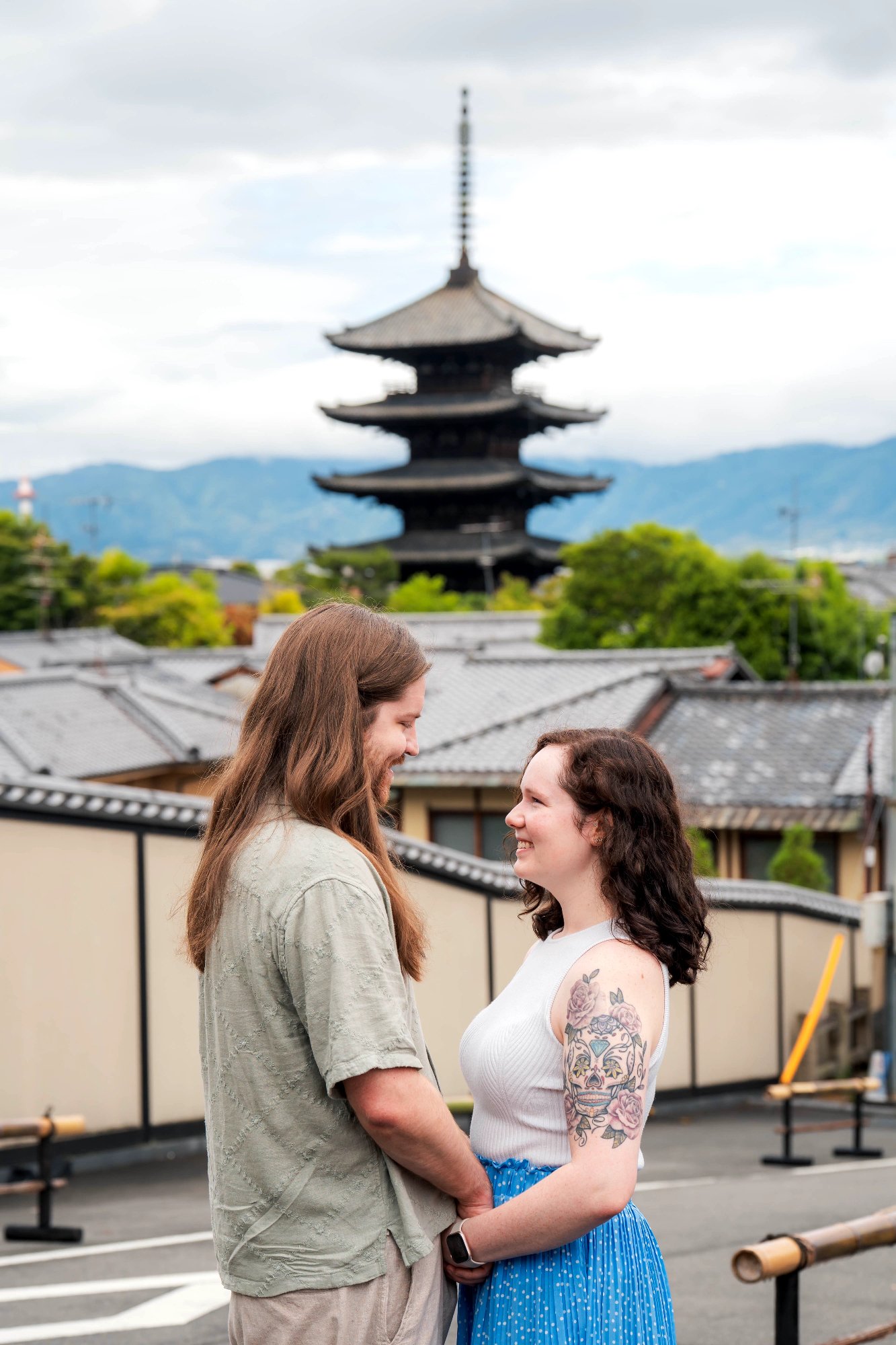
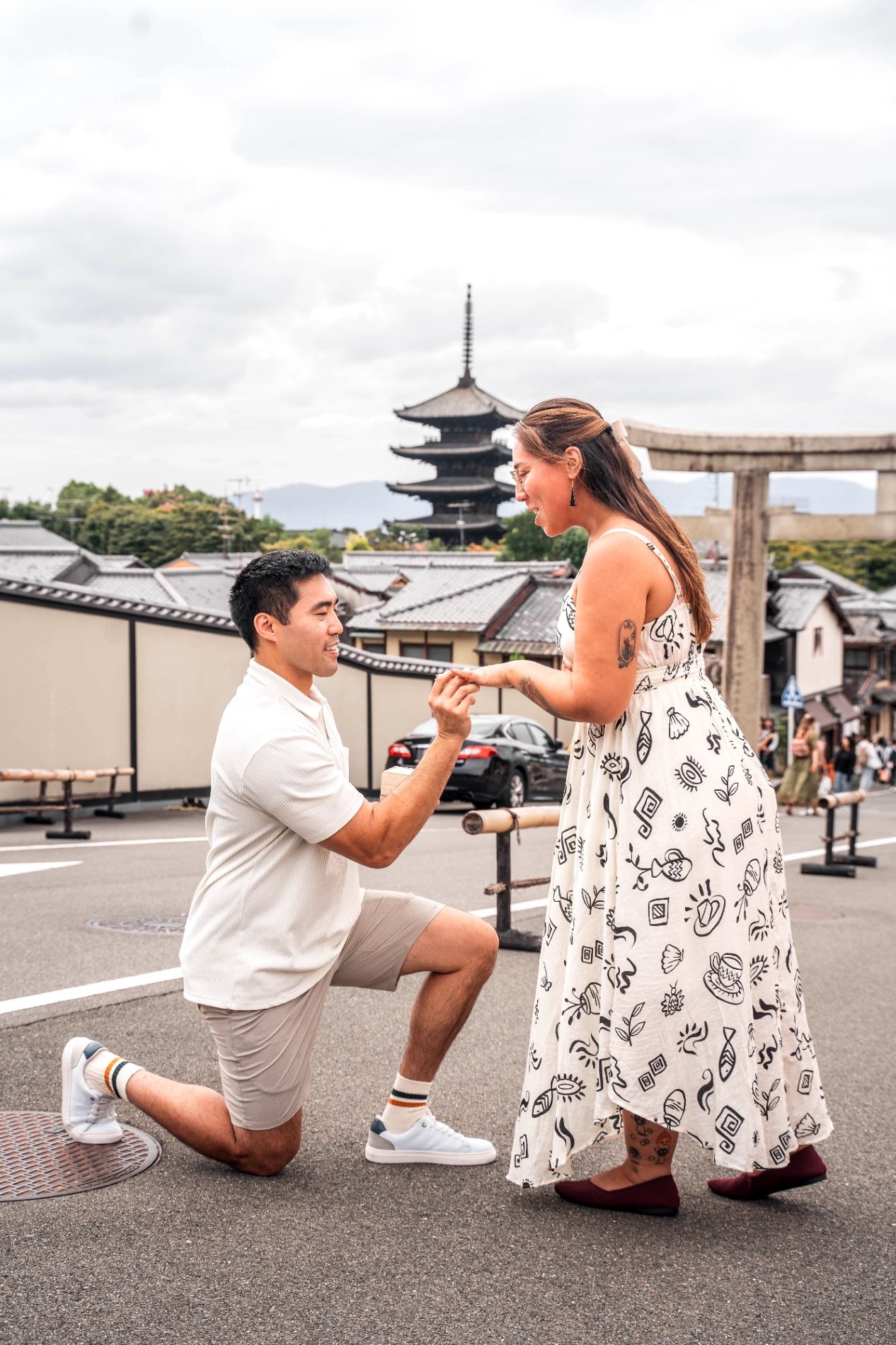
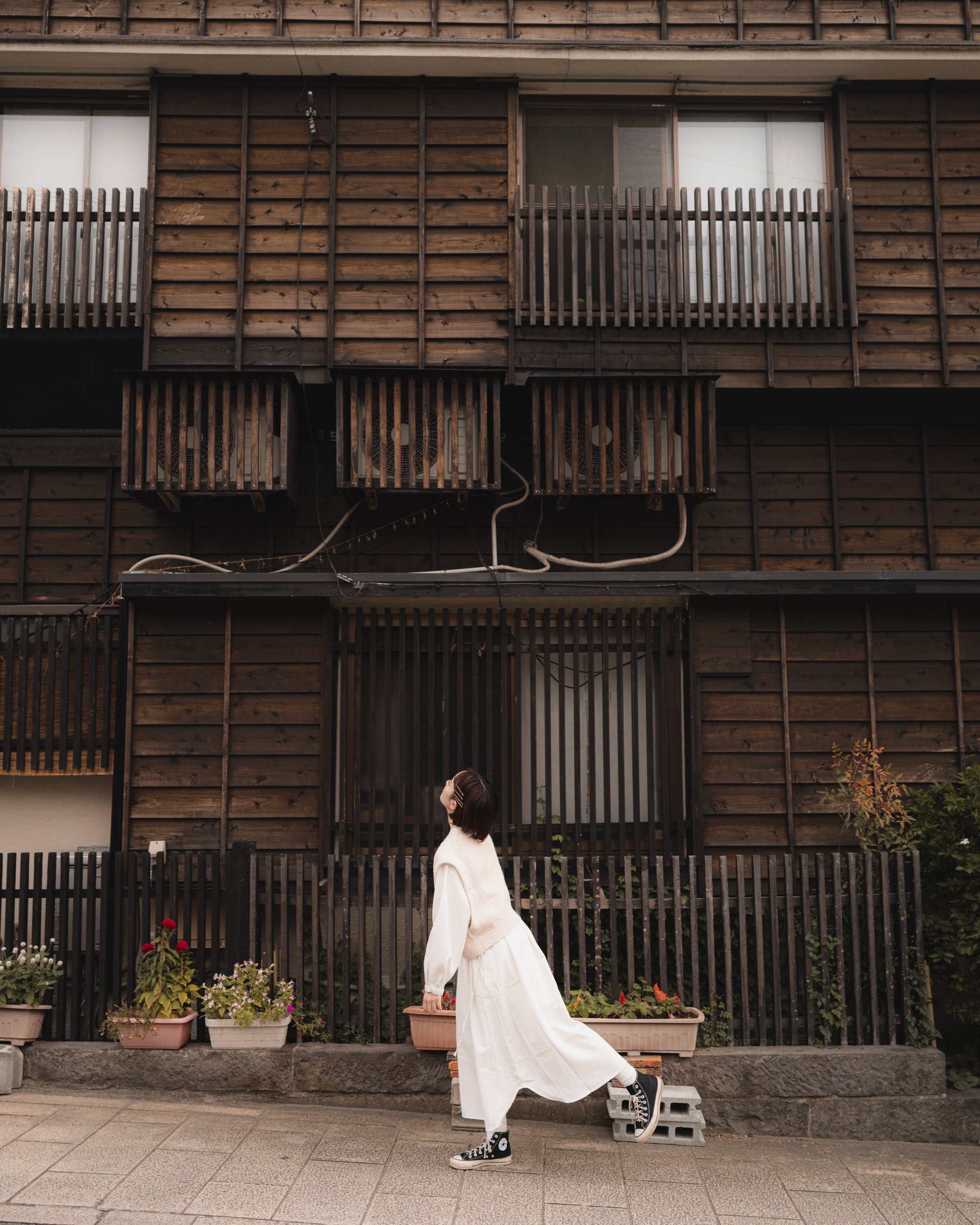
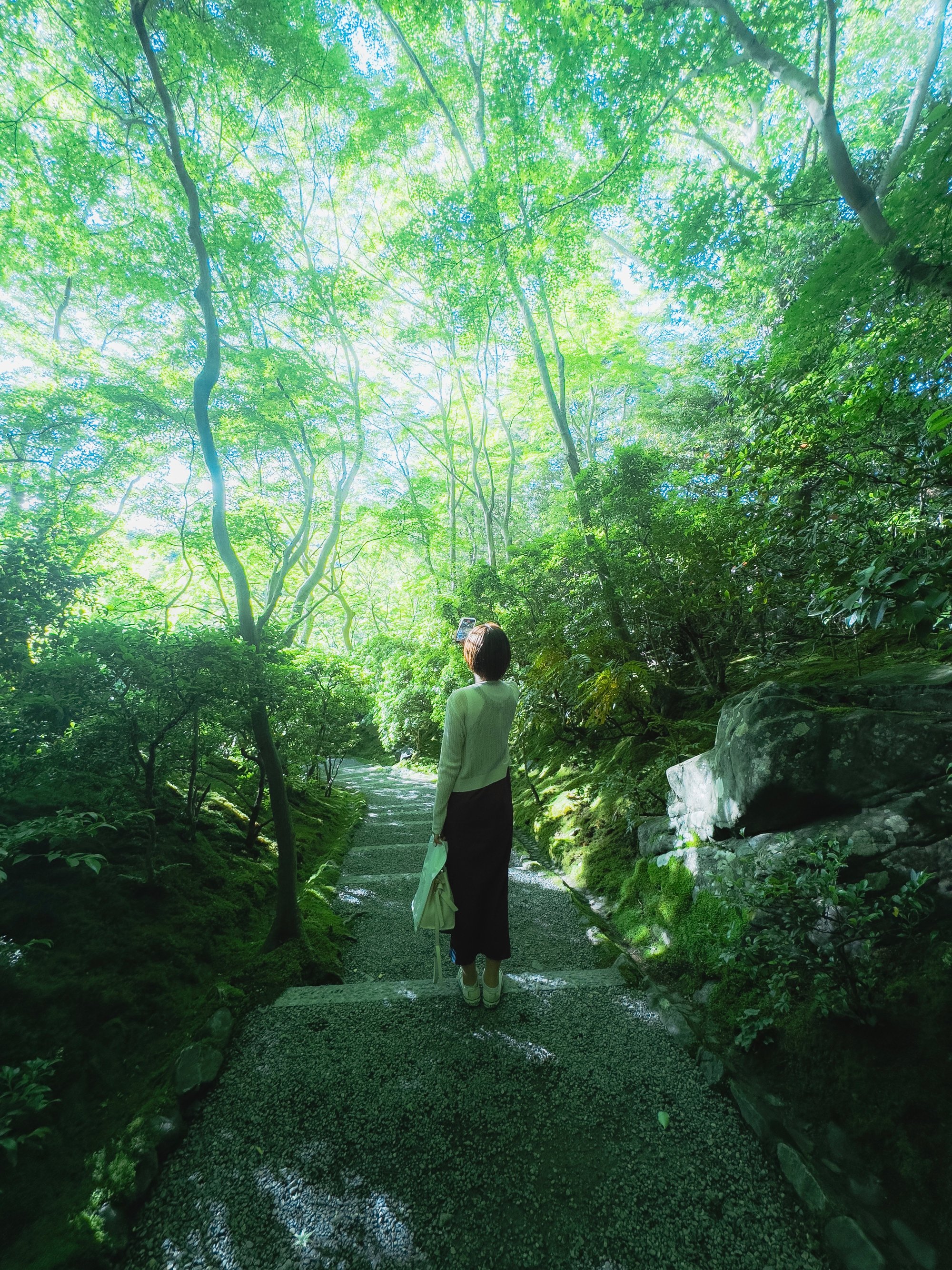
Real shots from Kyoto
The number on a profile is the number you pay
A package is built by the photographer, not by us: a session length, a number of edited images, a delivery time, sometimes a second location or a second shooter. It carries one number, and that number appears everywhere afterwards — in the catalogue, on the package page, on the payment screen and on your card statement. Nothing is bolted on at the end: no booking fee waiting on the last screen, no service line that appears once you have committed, no cash expected at the meeting point.
Prices are shown in euros, in Japan as on the rest of the platform. Almost everyone booking here is arriving from elsewhere and planning the trip in another currency, and a euro figure is comparable from one profile to the next without yen arithmetic in a hotel lobby. Your own bank converts at its own rate on the day.
Payment happens online when you book. Japan still runs on cash for plenty of things; a photoshoot booked through the platform is not one of them, and nobody should be asking you for an envelope at a station exit.
What a package includes
Four things, every time. The photographer's working time for the session you agreed. Their movement inside the location you agreed on — walking you from the shrine approach to the back lane, or riding two stops on the Yamanote line if the session covers two districts. The editing: culling, colour and the retouching a finished image needs, delivered as the agreed number of images rather than a memory card of everything. And the delivery itself, a private online gallery you download from.
Which means the awkward conversation at the end does not exist: nobody hands you a list of extras once the pictures are on a screen and you have fallen in love with them. Anything genuinely outside the package — a second shooting day, a run of extra edited frames — is agreed before it happens, not after.
What moves a package up or down
Session length is the first lever and the biggest: an hour in one district is a different piece of work from a half day across a city, and the editing load grows with it.
The number of edited images is the second, and the one travellers underestimate: editing is most of the hours in this job, so a generous image count is not a bigger memory card, it is more of the photographer's week.
Then travel. A session that starts and ends inside Tokyo asks less than a first-light session at Lake Kawaguchi, which may mean the night before in a small inn and a train back in the middle of the day. The hour matters too: dawn or well after dark is not the same ask as mid-morning, and in Japan the good hours are the unsocial ones. A second shooter — worth it for a wedding or an elopement, rarely otherwise — is a second professional's day, and group size moves a package as well, because more people means more frames, more direction and more editing.
Distance, dawn starts and why Japan is different
Japan concentrates all of this into one decision: how early. The country's best-known frames — the gate tunnels at Fushimi Inari, the bamboo at Arashiyama, a clear Fuji over the lake, the deer lawns at Nara — are pictures of a place with nobody in it, and the only way to get that is to be there before the first coach.
For the photographer, a dawn start outside their own city is not an early alarm, it is a night away or a taxi, because the first local train often does not run early enough to put anyone in position before the light. A Kyoto dawn booked with a Kyoto-based photographer and the same session booked with someone travelling in from Osaka are not the same piece of work, and the packages will not match. Which is why booking someone who lives where you want to shoot is usually both the better picture and the better arrangement: local knowledge, and no travel to absorb.
What clients say about this kind of shoot
We had such a great photography experience with OKINI PHOTO TOUR! If you’re looking for an Osaka photographer, especially for a couple photoshoot in Osaka, I would definitely recommend them. The photographer made us feel comfortable from the beginning and guided us naturally with poses, so even if you’re not used to being in front of a camera, the experience is very relaxed and fun. What I really liked was that this wasn’t just a typical photoshoot. We walked around Osaka and enjoyed the city while taking photos, so it felt like both a photo tour and a local Osaka experience. The photos around Dotonbori and Osaka’s neon streets were especially beautiful. The photographer knew where to shoot, how to use the city lights, and how to capture natural moments between us. For couples traveling in Japan, honeymooners, or anyone searching for couple photography in Osaka, an Osaka travel photographer, or a Dotonbori photoshoot, OKINI PHOTO TOUR is a great choice. A wonderful way to keep memories from our trip to Osaka. Highly recommended!
— 伊藤尚也 on Soh
I had a truly unforgettable kimono photo shoot experience in Kyoto with Sanbao. He was warm, professional, and attentive to every detail. Since it was a busy weekend, he carefully selected a quieter temple location that was both peaceful and incredibly photogenic , a perfect setting away from the crowds. I’m not particularly familiar with wearing a kimono, so I wasn’t sure how to pose in a way that would look natural and elegant. But Sanbao is clearly very experienced . he thoughtfully designed the entire shoot based on the background, the setting, my kimono, and even my personality. He gave clear, gentle guidance and helped me feel comfortable and graceful throughout the session. Even the raw photos I received the same night were stunning. Each photo felt artistic, well-composed, and beautifully balanced (capturing not just how I looked, but how I felt in that moment. )It was truly a personalized, artistic experience that I’ll treasure forever. Highly recommend Sanbao to anyone.
— Xia on Sanbao Z.
We had a fantastic private photo session with SanBao. He’s highly professional, knows the area well, and was punctual. He kept great conversation throughout, which made us feel comfortable and relaxed. He also recommended a kimono rental and helped make the reservation, ensuring the whole process was smooth and well-planned. Most importantly, we absolutely love the photos he took of me and my family. You can tell he truly loves what he does—his expertise with lighting is amazing, and he has a real talent for capturing special moments. We couldn’t be happier with the results and highly recommend booking with SanBao!
— Molly on Sanbao Z.
Soh was the best! He knew all the hidden gems in Tokyo and we had the best shoot with him! Super professional, on time and gave great creative direction!
— Cathy D. on Soh
Soh was INCREDIBLE! The shots he got for us were so awesome, he knew so many amazing off the beaten path spots for pictures. 10/10 if you want awesome photoshoots come here!!
— Yeremi H. on Soh
I had such a great photoshoot experience with Okini! 📸✨ It was honestly so much fun, and the photos turned out absolutely beautiful. The Tokyo Tower spots were perfect, and our 2-hour photoshoot gave us so many amazing shots. Everything felt fun, relaxed, and worth it from start to finish. Definitely such a memorable experience and one I’d recommend if you want beautiful photos in Tokyo! 🗼💕
— Maria D. on Soh
What you pay for separately
The package covers the photographer. It does not cover the country. Entry to temples, shrine halls, gardens and observation decks is yours, and so is the photographer's ticket if the session goes inside a paying site. Ropeways, cable cars and boats across a lake are the same.
Kimono rental and the dressing that goes with it is a separate booking with a separate shop. A site that charges for an arranged shoot on its ground charges you, not the platform, and charges it on the day at the gate. Taxis on a dawn start, before the trains begin, are yours. So are your own rail tickets; whether a rail pass earns its keep depends entirely on your route and the terms change, so check rather than assume.
None of it is hidden. It is simply on a different bill.
Kimono and permission at the gate
Kimono derails a budget and a timetable at once. Rental, dressing and hair are booked with the shop, they take a chunk of the morning, the shops open when they open rather than at dawn, and everything has to be back by closing. Three constraints on a session, none of them inside a photography package.
Permission is the other one. A professional or arranged shoot on temple or shrine ground usually needs that site's own agreement, and what counts as commercial is the site's call, not yours. Some say yes with a fee, some say yes without one, some say no, and the rules have tightened more than once in recent years — check before you go. Let the photographer do the asking; that is part of what local experience buys.
The season decides more than the package does
The calendar is the lever with the largest effect and the smallest cost. A weekday morning in a shoulder month is a different experience of the same place from a Saturday in blossom week — and of availability. Golden Week at the end of April, Obon in the middle of August and the first days of January are the windows when photographers are committed months ahead, and when a dawn start stops being an optimisation and becomes the only way to see the ground at all.
If your dates can move even slightly, move them off the peak weekend. If they cannot, book far earlier than feels necessary: in those weeks the constraint is not money, it is that there is nobody left to book.
How to compare two packages, and what to ask
Compare like with like or the exercise is meaningless. Put the two side by side on session length, on the number of edited images, on how long delivery takes, on whether travel to your location sits inside the package, on whether a second place or a train hop between districts is included, and on what happens if it rains — in a country with a rainy season and a typhoon season, that last one is not theoretical. Then read the profile and the reviews, and check the portfolio holds the thing you want at the hour you want it. A brilliant daylight garden portfolio may not be the one for neon at midnight.
Then ask the plain questions. How long delivery takes and what arrives. Whether the images can be used the way you intend to use them. Whether the photographer has shot that location at that hour. Who arranges permission where a site needs it, and who pays it. What happens if the weather cancels the morning, and whether the session can move. A good photographer answers all of that in a message or two, and the answers tell you more than the number does.
One thing you will not be asked for: a tip. Tipping is not customary in Japan and is not expected. The price you agreed is the whole arrangement, and pressing money on someone afterwards is genuinely awkward here. If you want to say thank you, write the review.
Planning a photoshoot in Japan
Decide the hour before anything else, because in Japan the hour is the picture. Then decide how far you will travel for it, and only then look at packages — a session at first light an hour outside a city and a session after work in the middle of one are different jobs with different numbers attached.
Book earlier than feels necessary, especially for blossom, autumn colour and the clear winter mornings when Fuji is out. Tell the photographer what the session is for, how many of you there are and what you want to do with the pictures afterwards, all in the first message. That conversation is what makes a package fit.
You can see how it works end to end, read what a couples photoshoot usually covers, browse the destination pages for Tokyo, Kyoto and Lake Kawaguchi, and book a photographer online.
Want professional photos in Kyoto?
Browse portfolios, compare packages, and book a verified local photographer in minutes.