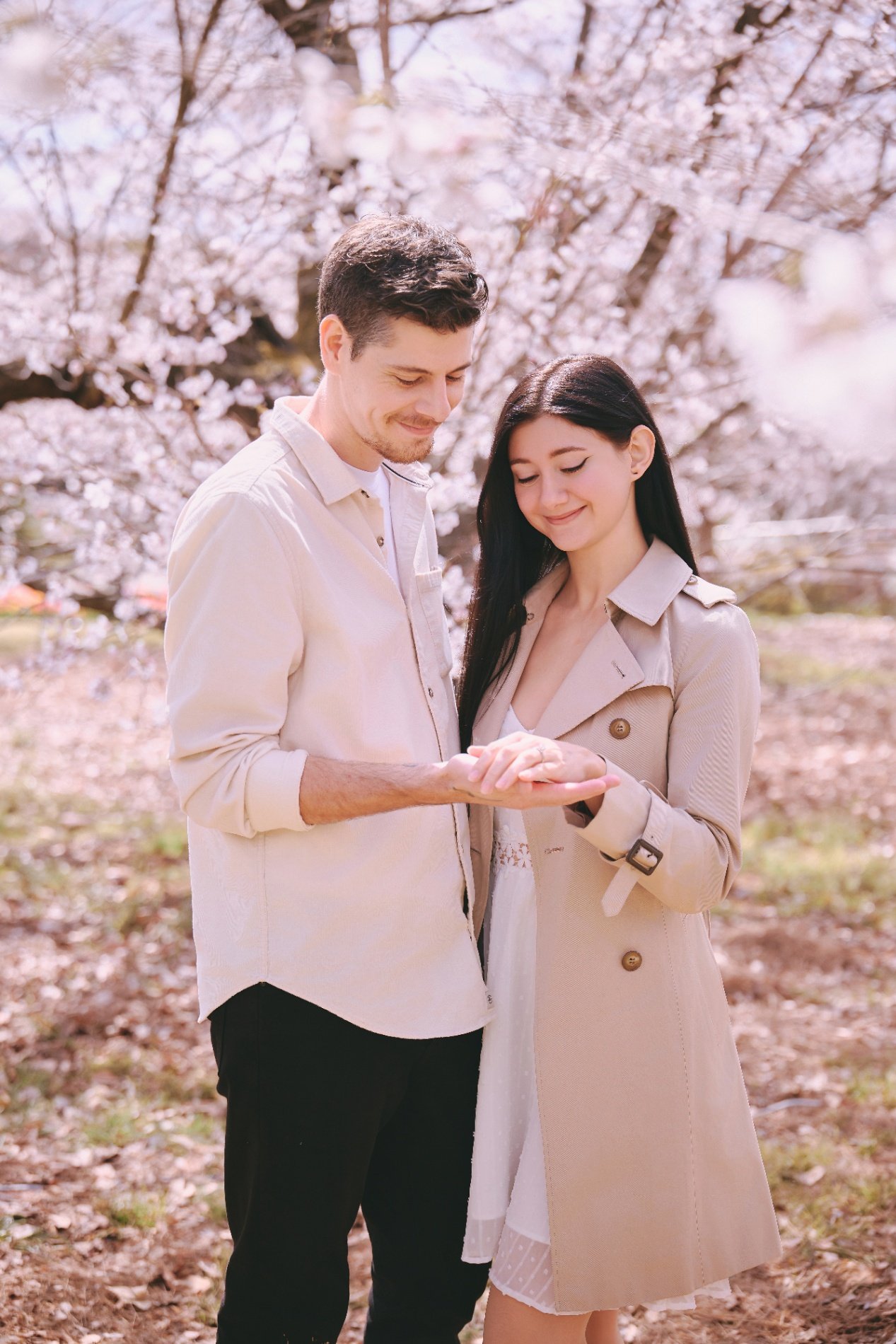
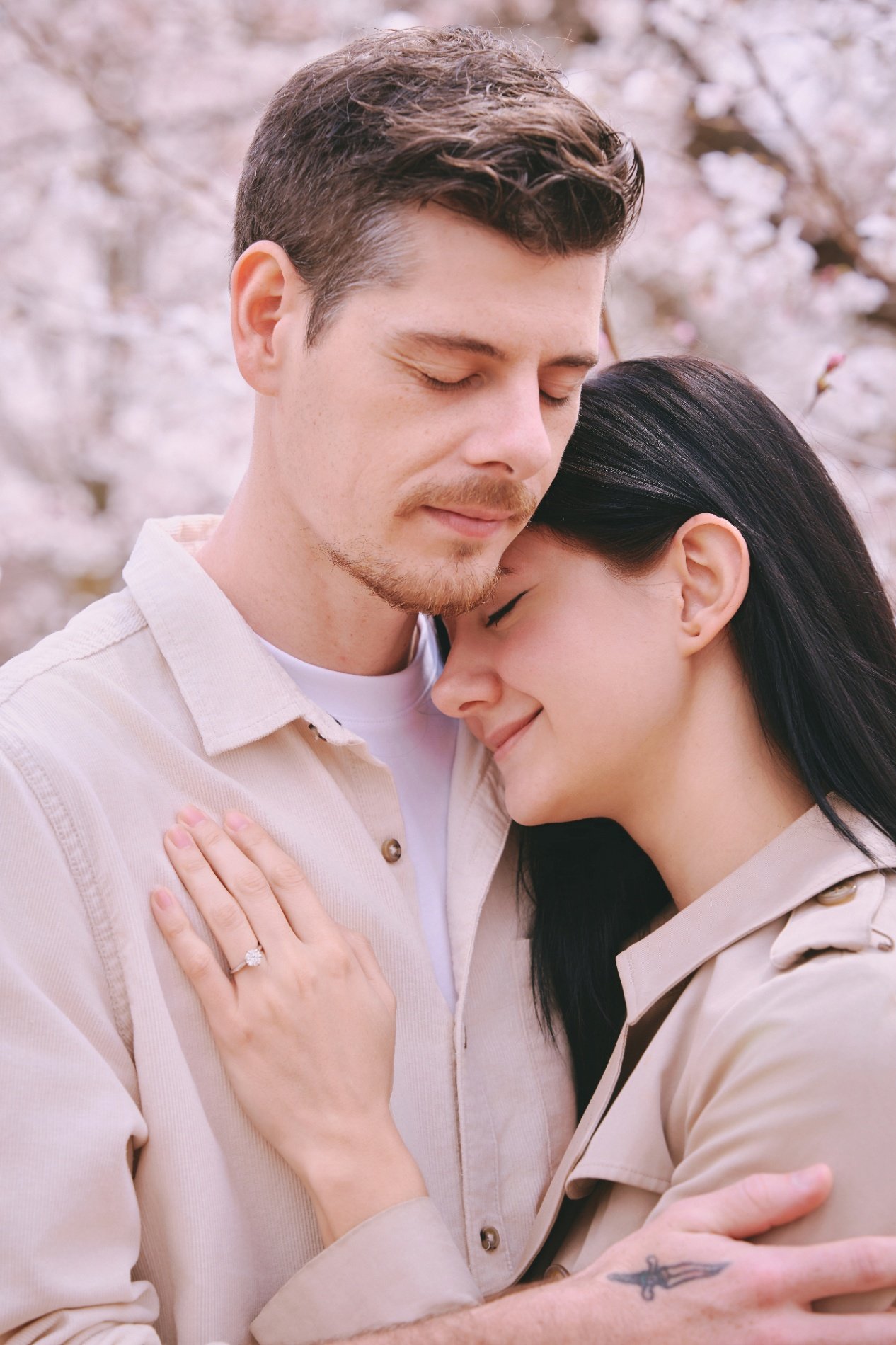
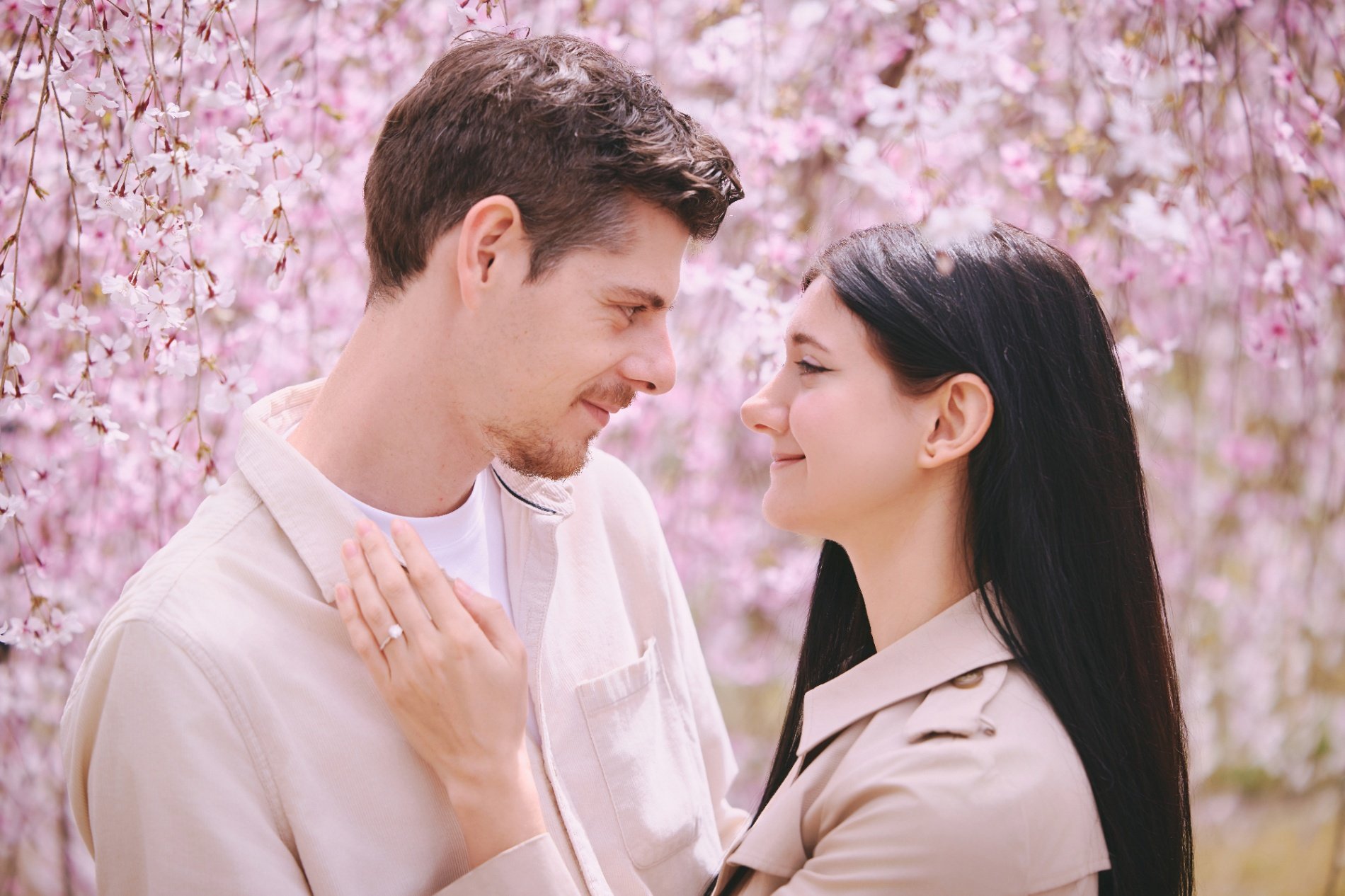
Proposing in Kyoto: Fushimi Inari at dawn, a garden at closing, and the rules
Kyoto gives you the best proposal frames in Japan and the most ways to get one wrong. The places that work are open at hours nobody is awake for, and the places that do not work refuse for reasons worth respecting — they are working temples, working shrines and streets where people live. Get both halves right and the city hands you a morning that no other city in the country can. Get the second half wrong and you have staged a scene where you were asked not to.
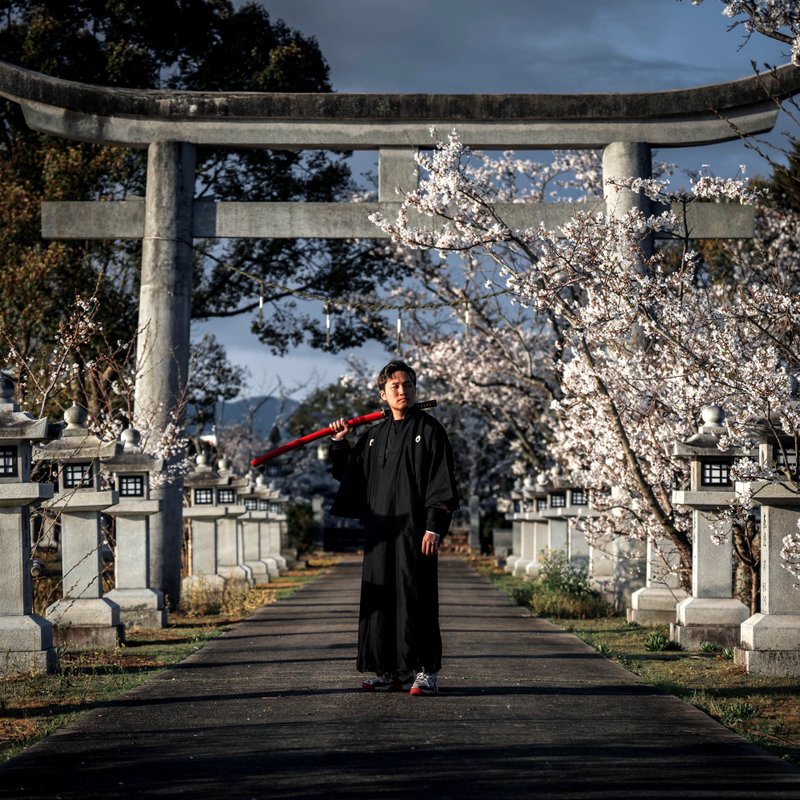
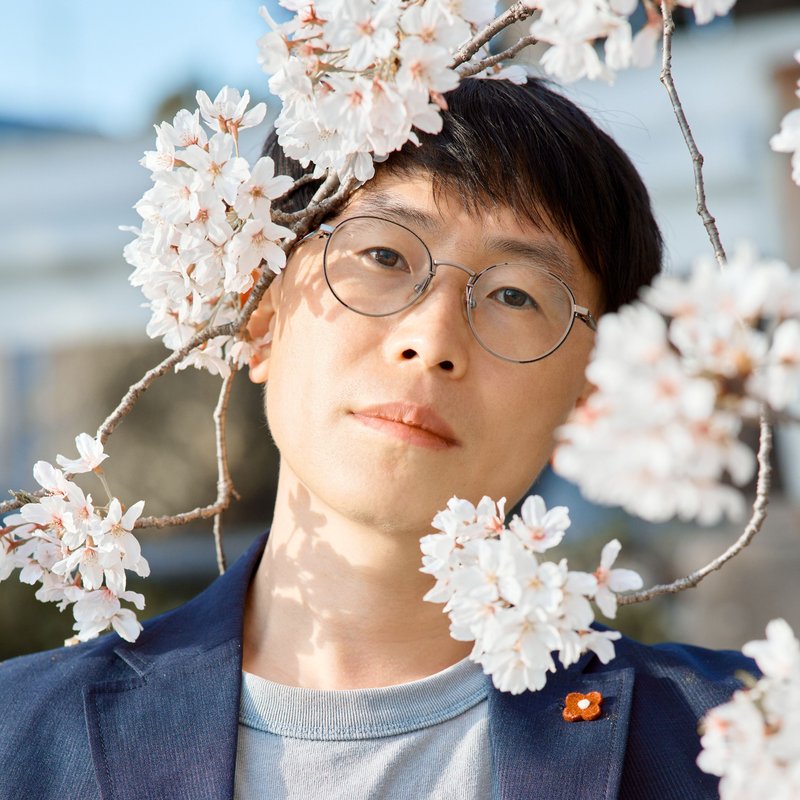
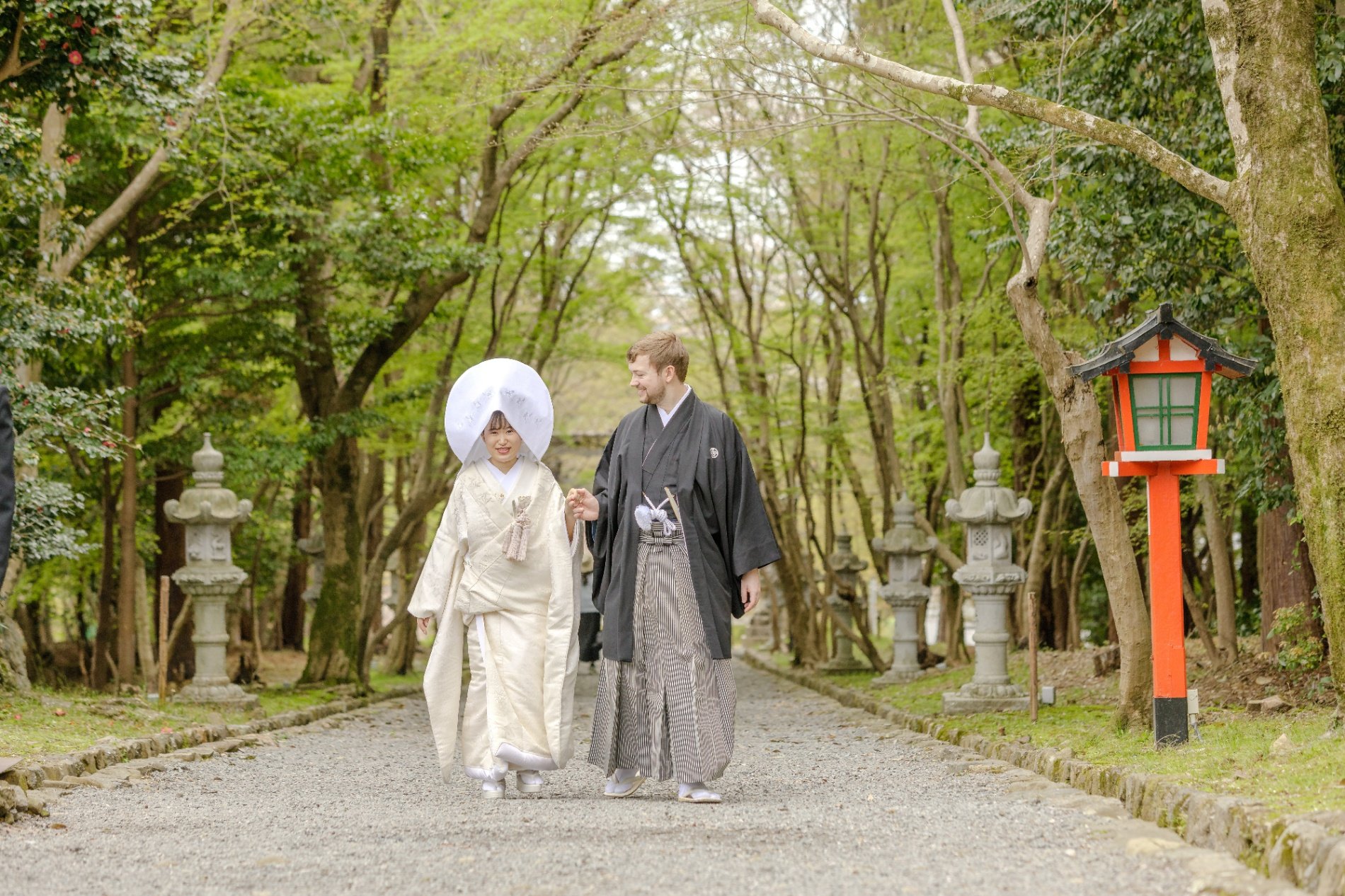
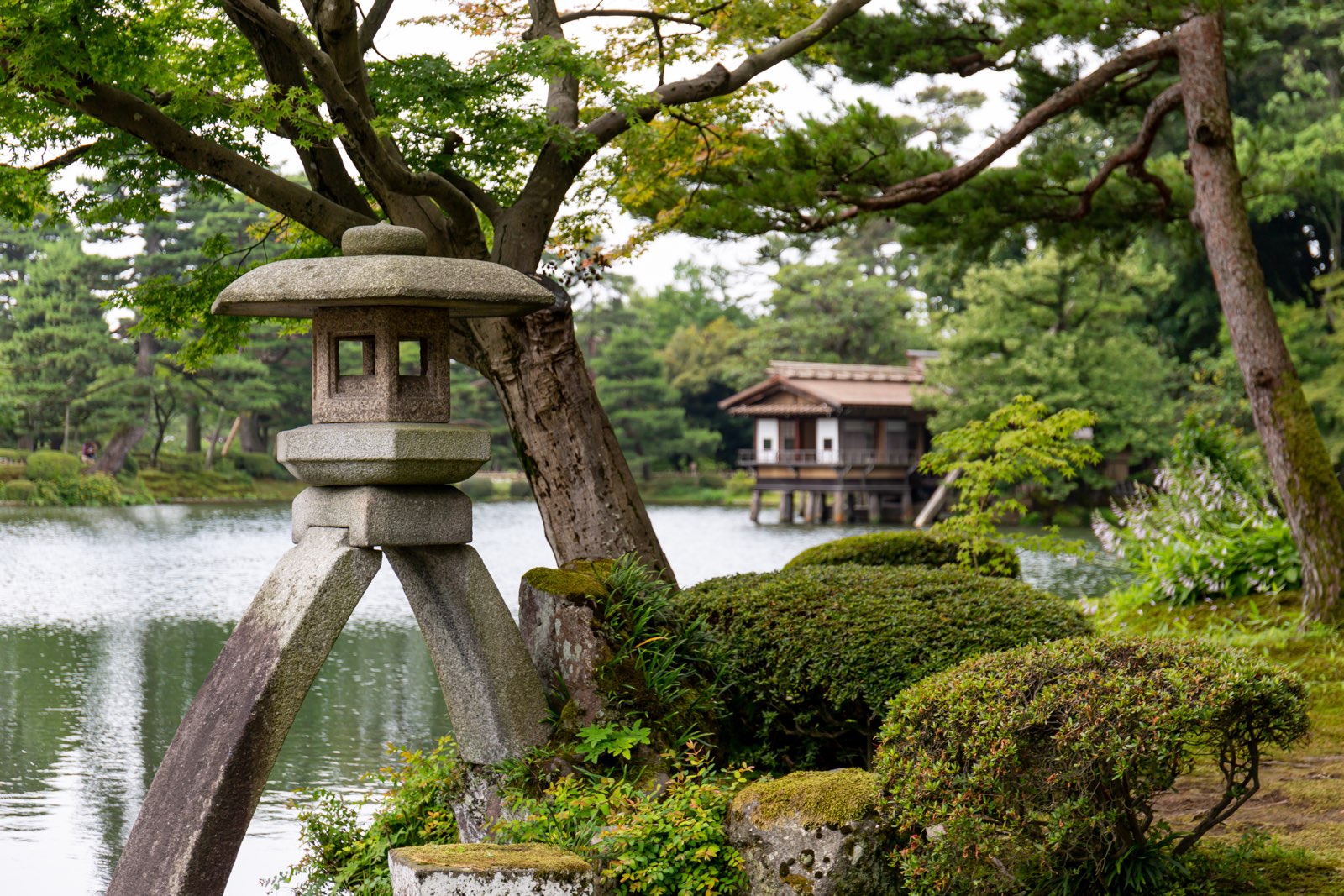
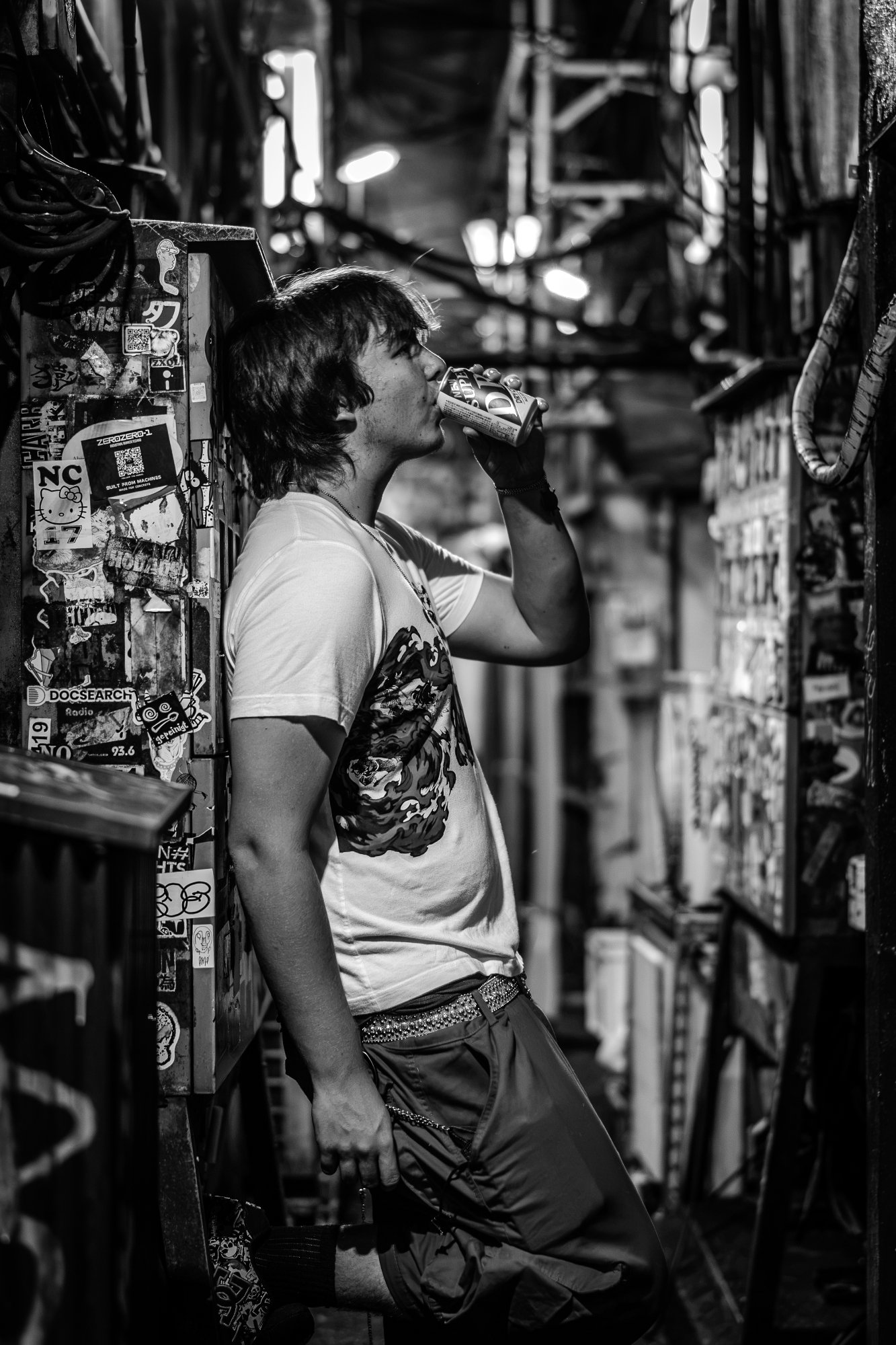
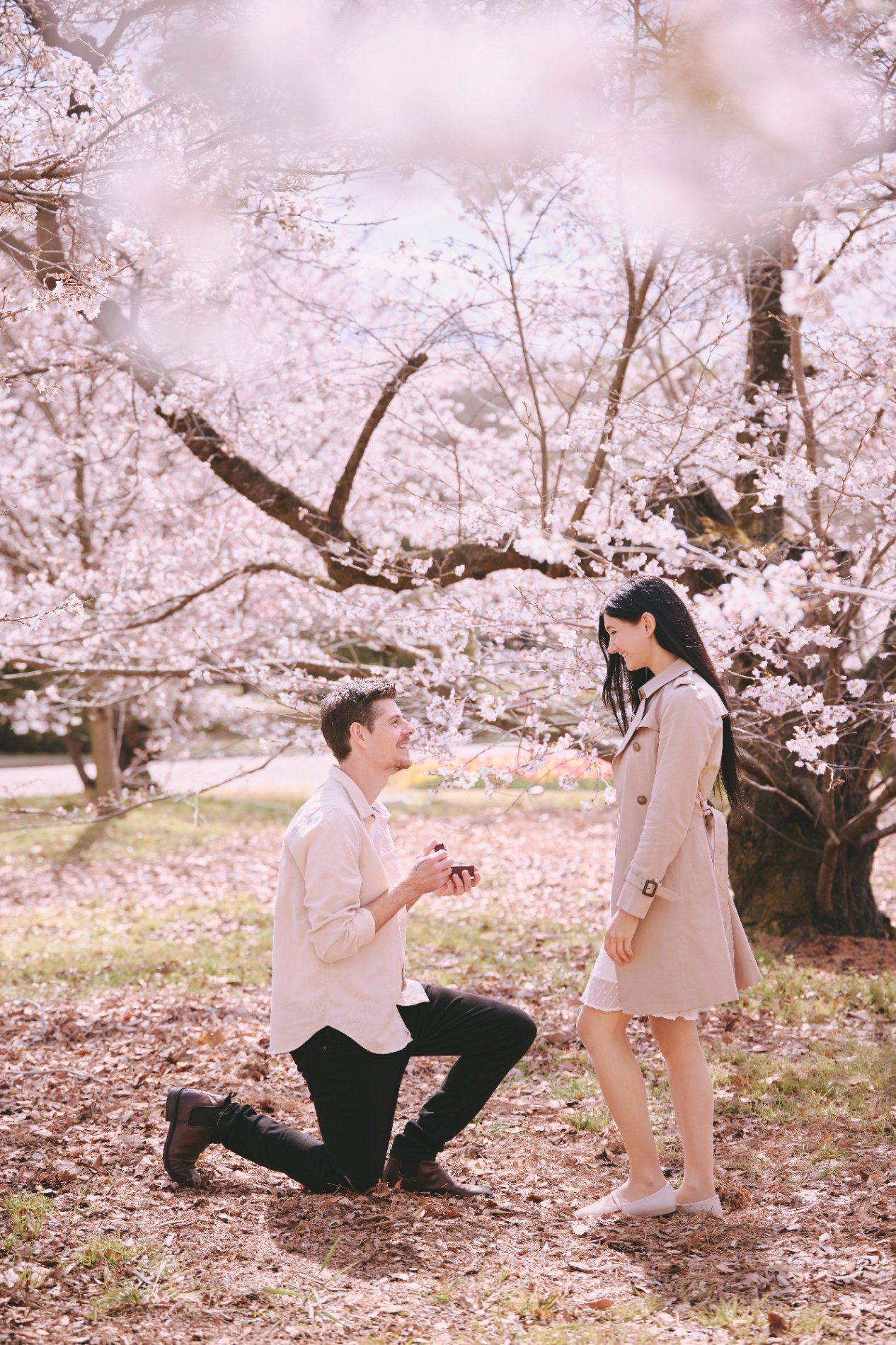
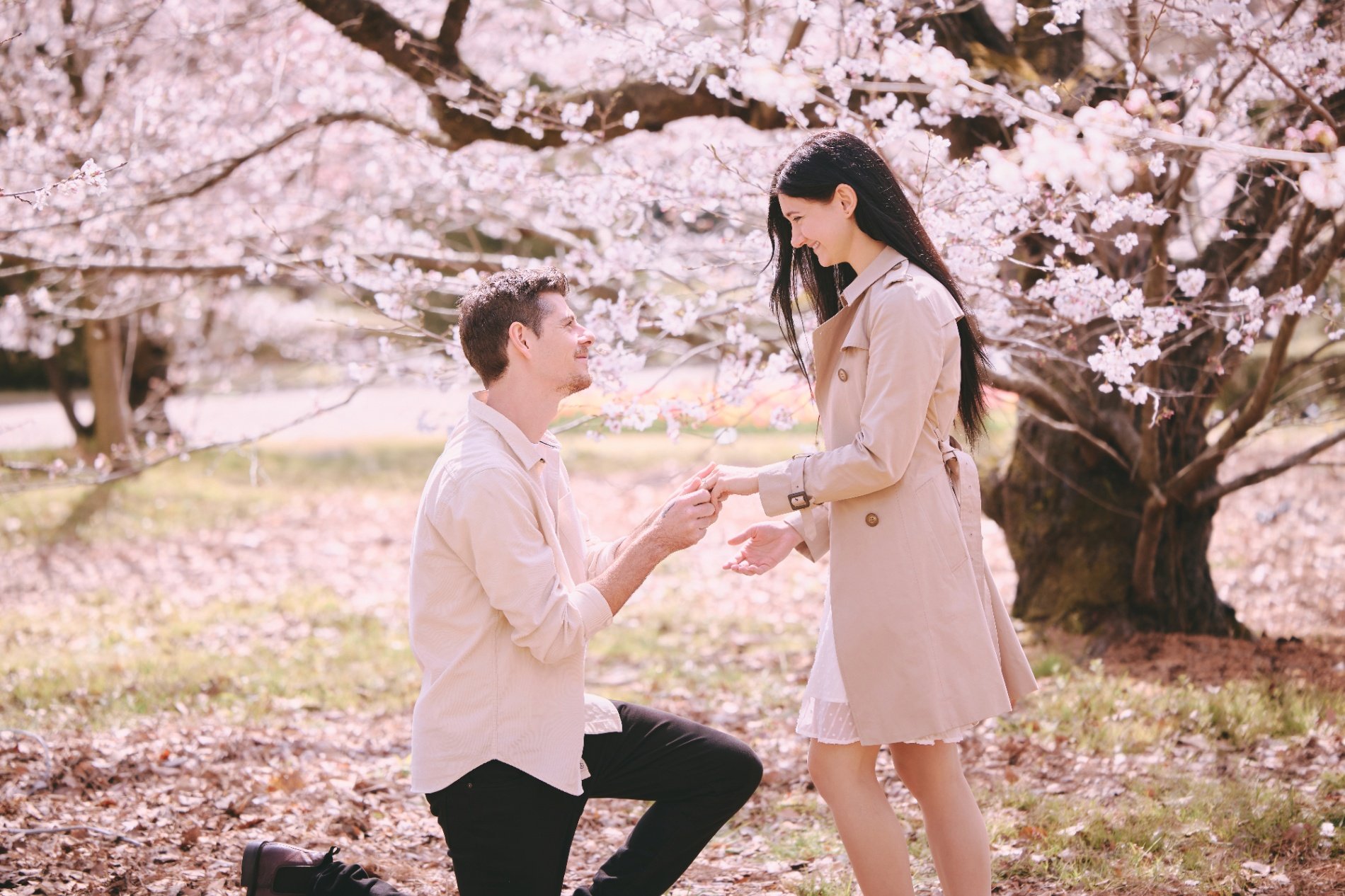
Real shots from Kyoto
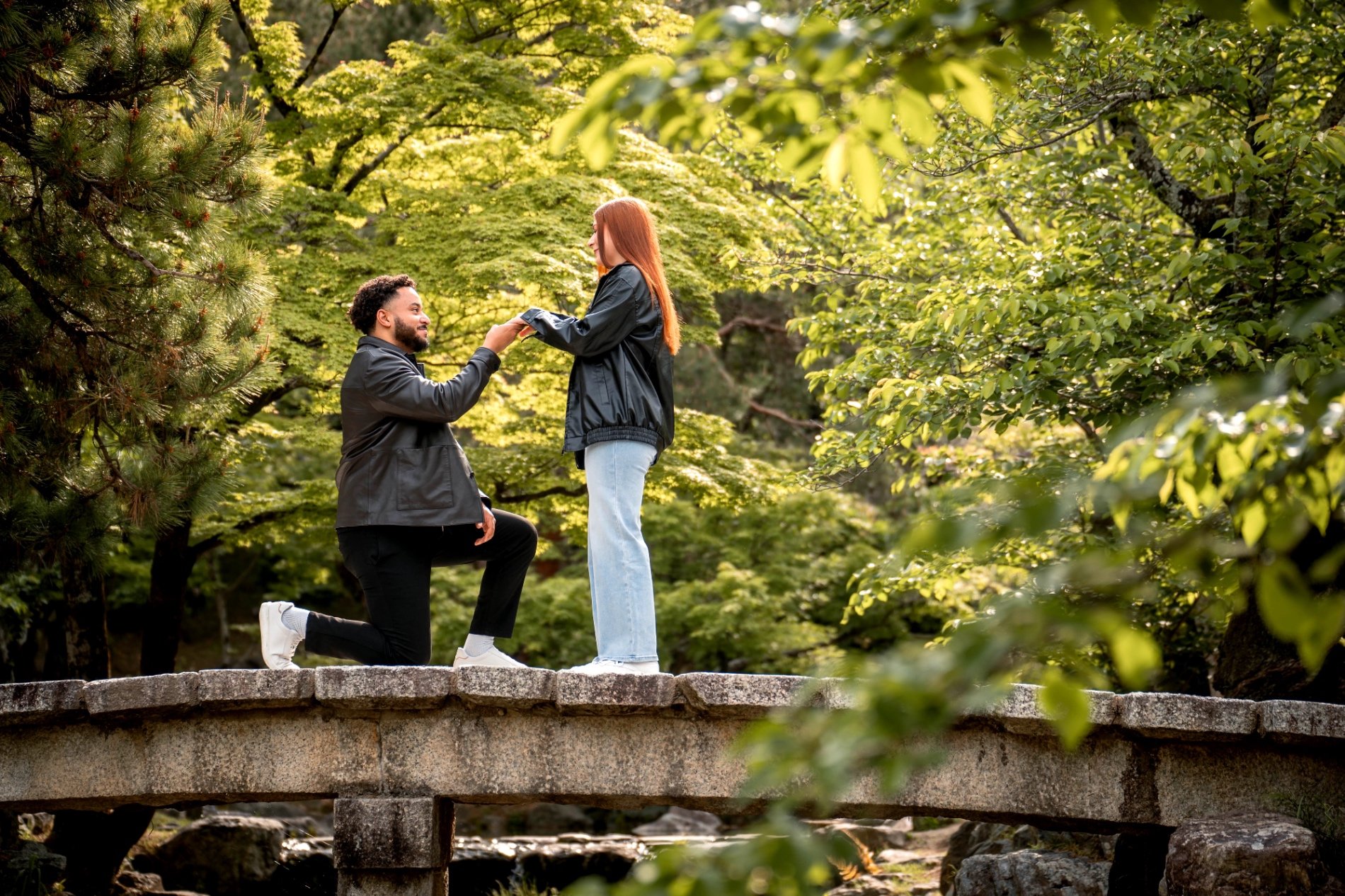
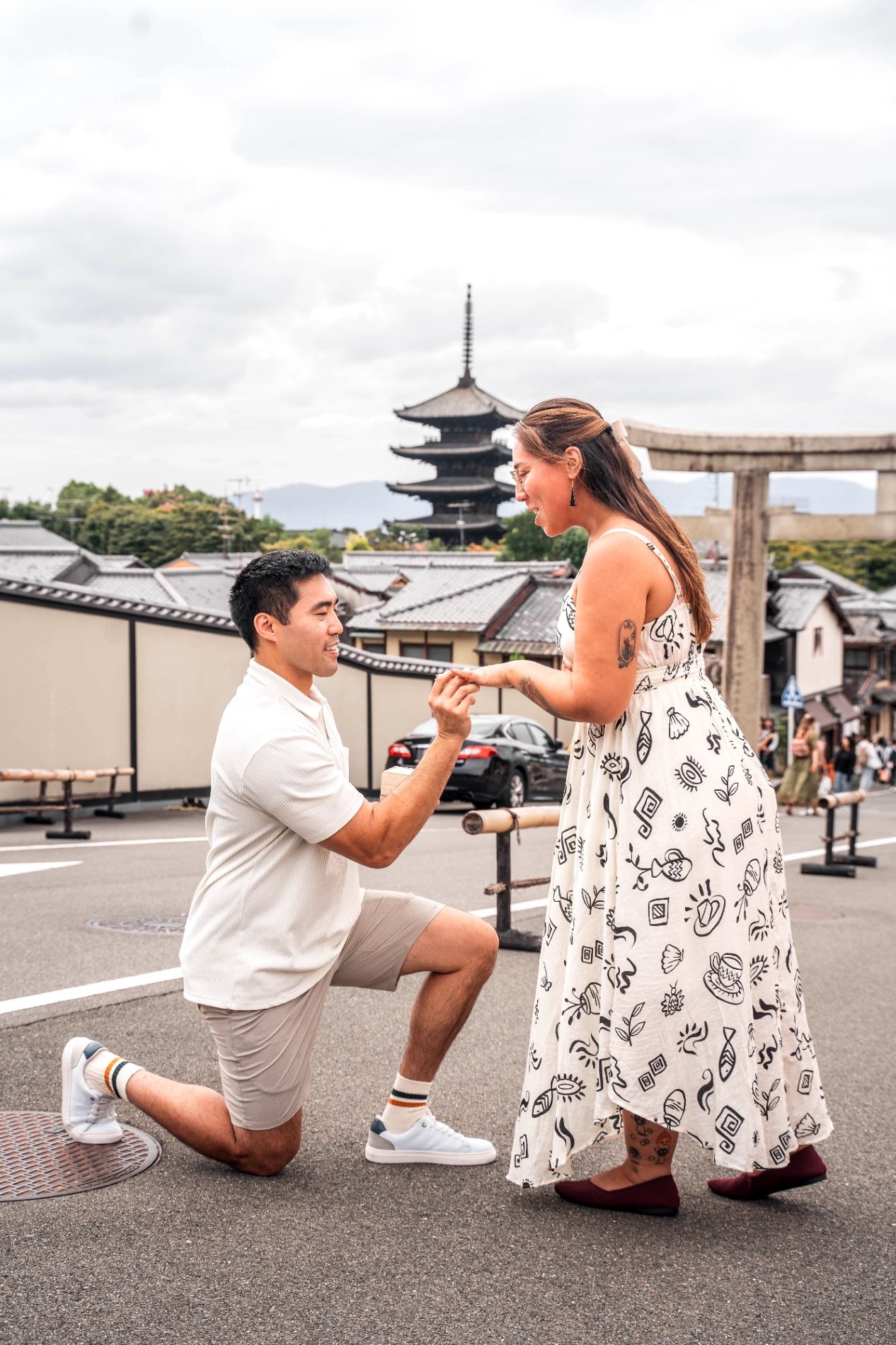
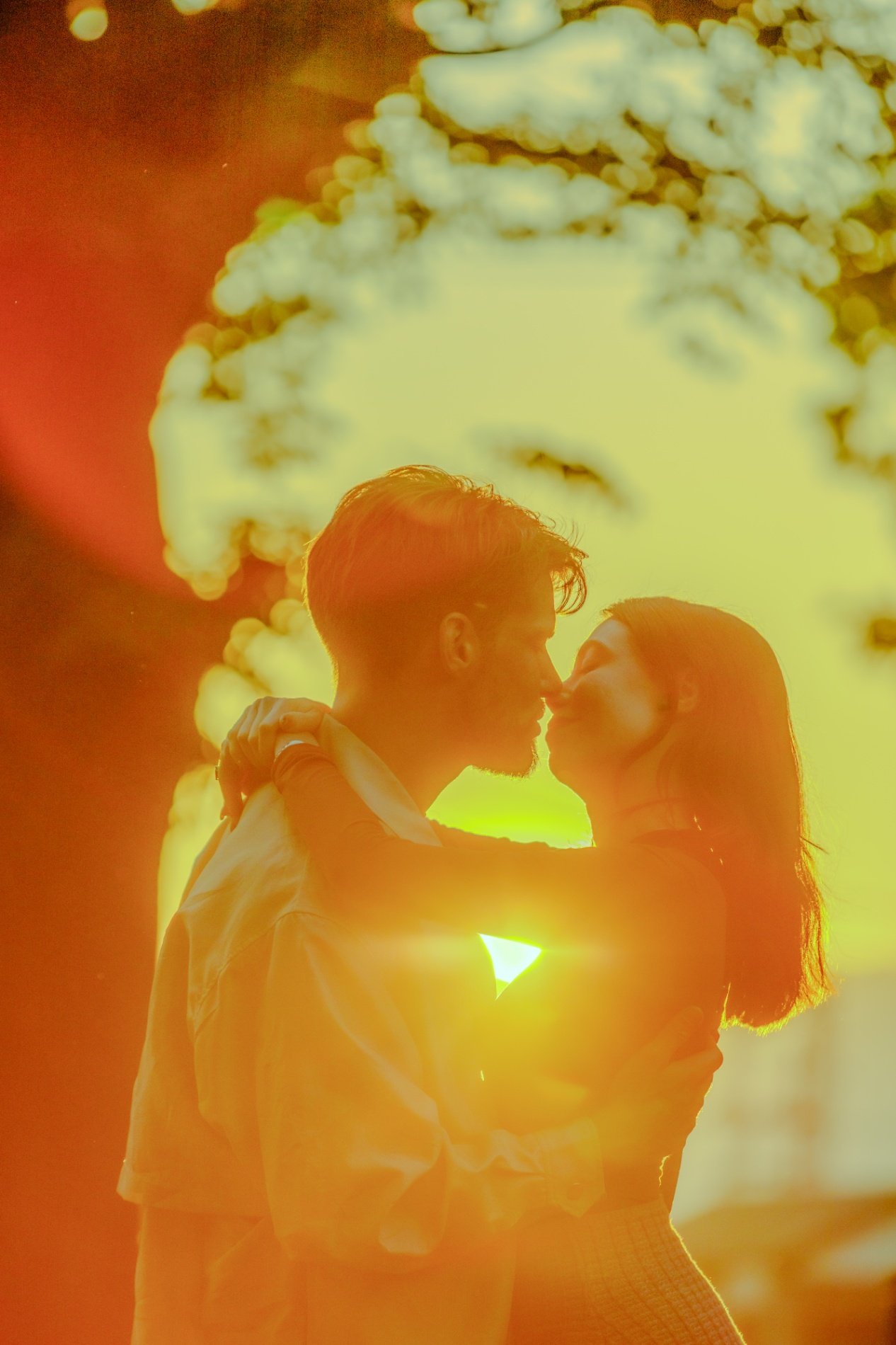
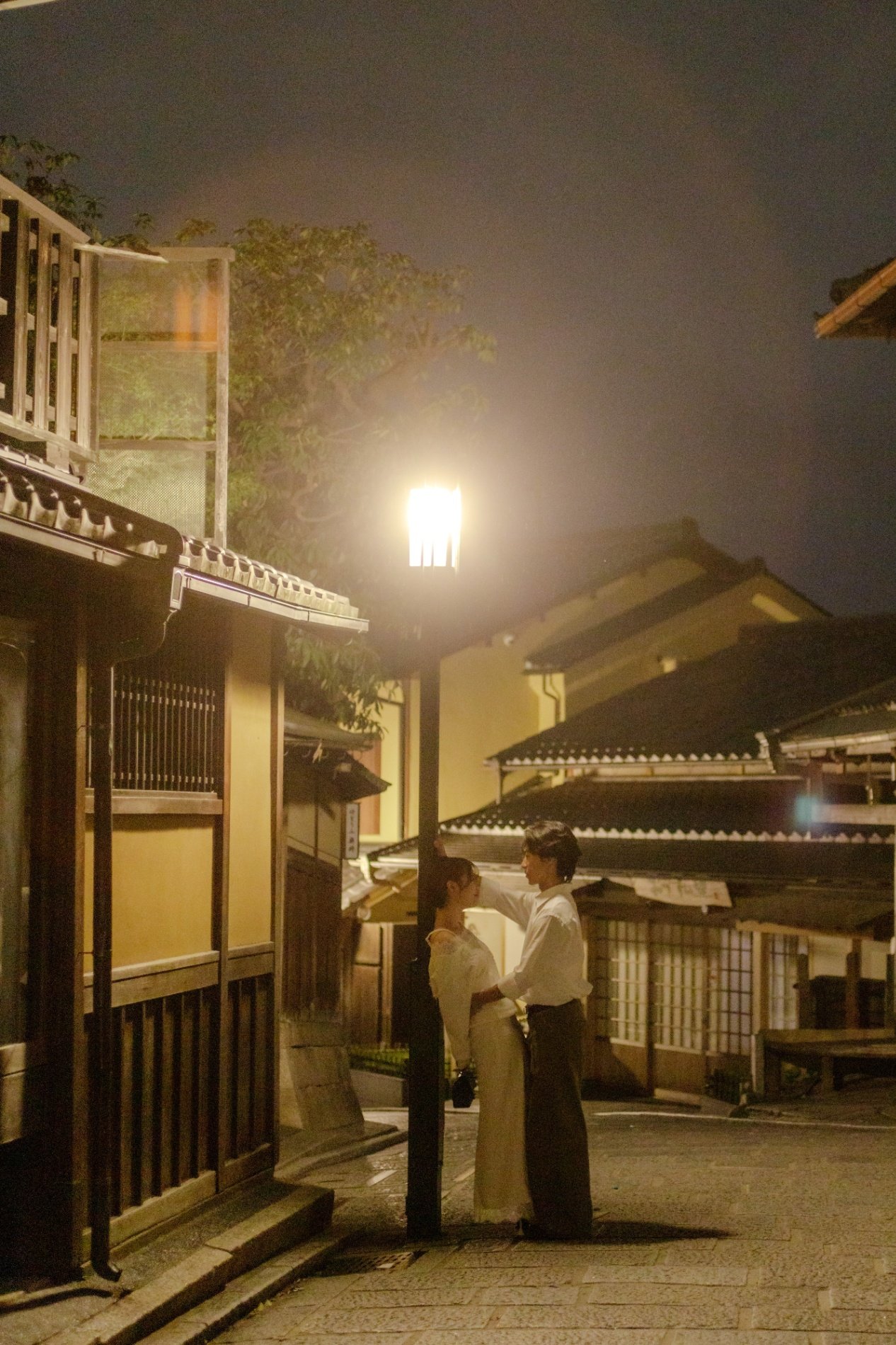
Fushimi Inari before six
Fushimi Inari is open around the clock and there is no gate and no admission, which makes it the one great Kyoto site you can use before dawn. That matters, because the lower run of the senbon torii — the dense tunnel of gates everyone comes for — is shoulder to shoulder from about eight in the morning until late afternoon.
Before six it is empty, lit by the lanterns along the path, and quiet in a way the same place is never quiet later. As first light comes through the gaps between the gates the vermilion goes from orange-lit to daylit within about twenty minutes. Above the Yotsutsuji junction, thirty to forty-five minutes of steady climbing up from the main hall, the path is quiet at any hour because most visitors turn back there; that upper stretch is where you get both the gates and the emptiness, at the cost of a real walk in the dark.
Treat it as what it is. Fushimi Inari is an active shrine, not a set: walk to the side of the path rather than down the middle, do not block the way for people who are there to pray, and do not move anything. Tripods and anything that looks like an arranged production are the shrine's call and the rules change, so ask rather than assume. Take the JR Nara line two stops from Kyoto Station to Inari, or the Keihan line to Fushimi-Inari; before the first train, a taxi.
Arashiyama: the riverside after the grove fills
The bamboo grove is a narrow public path and it fills by eight. It is also, frankly, a harder frame than it looks — tall vertical lines, deep shade, and a queue moving through your shot. The better ground at Arashiyama is the river. The Katsura runs under the Togetsukyo bridge with wooded hills behind it, boats pulled up on the gravel, and a shoreline wide enough that nobody has to walk around you.
Early morning light comes over the hills from upstream and puts the bridge in silhouette; an hour later the water carries the reflection of the slopes. In the second half of November the hills above the river turn and the whole valley becomes the picture, which also means the crowds move here from Kyoto's eastern temples. Get off at Saga-Arashiyama on the JR Sagano line, about fifteen minutes from Kyoto Station, or take the Randen tram or the Hankyu line to the south bank.
A garden in the last hour before closing
Temple gardens empty out before they close. The last admission is earlier than the closing time and both move with the season and with the temple, so they are worth checking on the day rather than the week before, but the pattern holds: the coaches have gone, the light is low and long, and the moss is at its best.
A private moment in a garden is a different proposition from a photograph of one. An arranged shoot on temple or shrine ground is that site's decision, and many temples simply do not allow it — some refuse outright during blossom week and the autumn weeks when they are busiest, some allow it with permission arranged in advance, some charge for it, and most refuse tripods anywhere. There is no city-wide permit and no one to appeal to: the answer comes from the temple office, and the only correct response to a no is to go somewhere else.
Gion in the evening: what is open and what is not
The Shirakawa canal at Tatsumi Bridge is one of the best evening frames in Japan — willows over the water, wooden fronts, lanterns coming on in the blue hour, and a small stone bridge. It is a public street and it remains open. So does Hanamikoji, the wide street that carries every visitor into Gion.
The private alleys off them are a different matter. Since 2024 they have been closed to visitors, with signs at the entrances and a posted fine for going in, after years of geiko and maiko being followed and filmed. Photographing geiko or maiko without their consent is not allowed, and the rule exists because people behaved badly. None of this is a technicality to be worked around with a local guide: the alleys are private, the women hurrying along them are going to work, and Gion is somewhere people live. Stay on the public streets, keep a staged scene off the middle of the pavement, and do not follow anyone.
What clients say about this kind of shoot
We had such a great photography experience with OKINI PHOTO TOUR! If you’re looking for an Osaka photographer, especially for a couple photoshoot in Osaka, I would definitely recommend them. The photographer made us feel comfortable from the beginning and guided us naturally with poses, so even if you’re not used to being in front of a camera, the experience is very relaxed and fun. What I really liked was that this wasn’t just a typical photoshoot. We walked around Osaka and enjoyed the city while taking photos, so it felt like both a photo tour and a local Osaka experience. The photos around Dotonbori and Osaka’s neon streets were especially beautiful. The photographer knew where to shoot, how to use the city lights, and how to capture natural moments between us. For couples traveling in Japan, honeymooners, or anyone searching for couple photography in Osaka, an Osaka travel photographer, or a Dotonbori photoshoot, OKINI PHOTO TOUR is a great choice. A wonderful way to keep memories from our trip to Osaka. Highly recommended!
— 伊藤尚也 on Soh
I had a truly unforgettable kimono photo shoot experience in Kyoto with Sanbao. He was warm, professional, and attentive to every detail. Since it was a busy weekend, he carefully selected a quieter temple location that was both peaceful and incredibly photogenic , a perfect setting away from the crowds. I’m not particularly familiar with wearing a kimono, so I wasn’t sure how to pose in a way that would look natural and elegant. But Sanbao is clearly very experienced . he thoughtfully designed the entire shoot based on the background, the setting, my kimono, and even my personality. He gave clear, gentle guidance and helped me feel comfortable and graceful throughout the session. Even the raw photos I received the same night were stunning. Each photo felt artistic, well-composed, and beautifully balanced (capturing not just how I looked, but how I felt in that moment. )It was truly a personalized, artistic experience that I’ll treasure forever. Highly recommend Sanbao to anyone.
— Xia on Sanbao Z.
We had a fantastic private photo session with SanBao. He’s highly professional, knows the area well, and was punctual. He kept great conversation throughout, which made us feel comfortable and relaxed. He also recommended a kimono rental and helped make the reservation, ensuring the whole process was smooth and well-planned. Most importantly, we absolutely love the photos he took of me and my family. You can tell he truly loves what he does—his expertise with lighting is amazing, and he has a real talent for capturing special moments. We couldn’t be happier with the results and highly recommend booking with SanBao!
— Molly on Sanbao Z.
Soh was the best! He knew all the hidden gems in Tokyo and we had the best shoot with him! Super professional, on time and gave great creative direction!
— Cathy D. on Soh
Soh was INCREDIBLE! The shots he got for us were so awesome, he knew so many amazing off the beaten path spots for pictures. 10/10 if you want awesome photoshoots come here!!
— Yeremi H. on Soh
I had such a great photoshoot experience with Okini! 📸✨ It was honestly so much fun, and the photos turned out absolutely beautiful. The Tokyo Tower spots were perfect, and our 2-hour photoshoot gave us so many amazing shots. Everything felt fun, relaxed, and worth it from start to finish. Definitely such a memorable experience and one I’d recommend if you want beautiful photos in Tokyo! 🗼💕
— Maria D. on Soh
Where it does not work
Inside temple and shrine halls, where photography is usually forbidden outright. On the private alleys. Anywhere a proposal with a photographer would block a working street, a gate path or a queue. At any site whose own rules treat an arranged shoot as commercial — and what counts as commercial is the site's definition, not yours. The Kiyomizu-dera approach streets in the middle of the day, where you would be proposing inside a slow-moving river of people.
Asking is not a formality here; it is the whole etiquette. Ask early, ask in writing where you can, and if the answer is no, take it as given.
The practical morning: taxi, cold and the signal
Kyoto taxis run through the night and can be booked the evening before, which is how you reach Fushimi Inari for five in the morning. In early April the sun comes up around a quarter to six and in late November around half past six, so a 4:45 pick-up covers the first and a 5:45 the second. Dawn in both months is in single figures Celsius and the city sits in a basin that holds the cold; by late December it is near freezing at first light.
Agree the signal before you separate: a phrase, a stop at a particular gate, a hand out of a pocket. Give the photographer a plan for where to stand and which way you will walk, and then walk slowly. A second photographer is worth discussing if you want the wide frame and the faces at the same instant, but two strangers with cameras are harder to hide than one, and on a narrow path they get in each other's way.
Have an indoor plan for rain. Kyoto in June is wet for days at a time, and the covered shopping arcades, the vast public concourse and staircase inside Kyoto Station, and a rented townhouse with permission all work when the gardens do not. Rain also empties the famous places, which is not the worst thing that can happen to a morning.
Kimono, and why kneeling is harder than it looks
A rented kimono is a real option and a real commitment. Dressing is an appointment, it takes time, and rental shops open in the morning rather than before dawn — so kimono and a sunrise proposal do not fit in the same hour. Most couples who want both propose at first light in ordinary clothes and dress later for a second session.
Then there is the kneeling. An obi is tied firmly around the middle and a kimono is wrapped, not fastened; going down on one knee pulls the whole thing out of line, and standing up again without help is harder than anyone expects. The hem is not yours either. If you are set on kimono for the moment itself, stay standing, take both her hands and do it that way; it photographs better anyway.
A kimono is formal dress with rules, not a costume. Wear it the right way round and take the shop's advice on how to walk in it.
Two alternatives if Kyoto feels too busy
Nara is under an hour away and runs at a quarter of the pace: the great hall of Todai-ji, the lantern-lined approaches, deer everywhere, and a park big enough to be empty early. The deer are wild animals — do not push them into the frame.
Osaka is the evening answer rather than the morning one. Dotonbori's canal and neon give a proposal a completely different register, loud and modern, half an hour from Kyoto on the train.
Planning a proposal photoshoot in Kyoto
Pick one place and one hour, and build everything around it. Sixty minutes is enough for the question and the portraits afterwards; ninety lets you move from the shrine or the river into a second setting while the light is still low. Do not try to cross the city mid-session — Kyoto's sites are far apart, and the traffic at nine in the morning is the reason dawn plans work.
Tell the photographer the whole plan in advance, including the parts you are nervous about, and let them handle permission questions with any site that requires it. That local knowledge — which gate is quiet, which garden says yes, which street to avoid on a Sunday — is most of what you are booking.
You can read what a proposal photoshoot usually covers, see the destination page for Kyoto, check how it works, and book a photographer online.
Want professional photos in Kyoto?
Browse portfolios, compare packages, and book a verified local photographer in minutes.