Nara Photoshoot Guide: deer at first light, Todai-ji and the lantern path at Kasuga
Nara is a half day from Kyoto or Osaka and it gives you something neither of them can: animals in the picture. Several hundred hectares of park in the middle of a small city, more than a thousand wild deer living in it, and a bronze Buddha in one of the largest wooden buildings on earth at the far end. The catch is that all of it works on a timetable. The first two hours after sunrise put low light across the lawns, mist in the hollows and almost nobody in the frame; by eleven the trains from Kyoto and Osaka have arrived, the cracker vendors are open, and the deer have moved to where the food is. Come early, and know how to behave around an animal that is not tame.
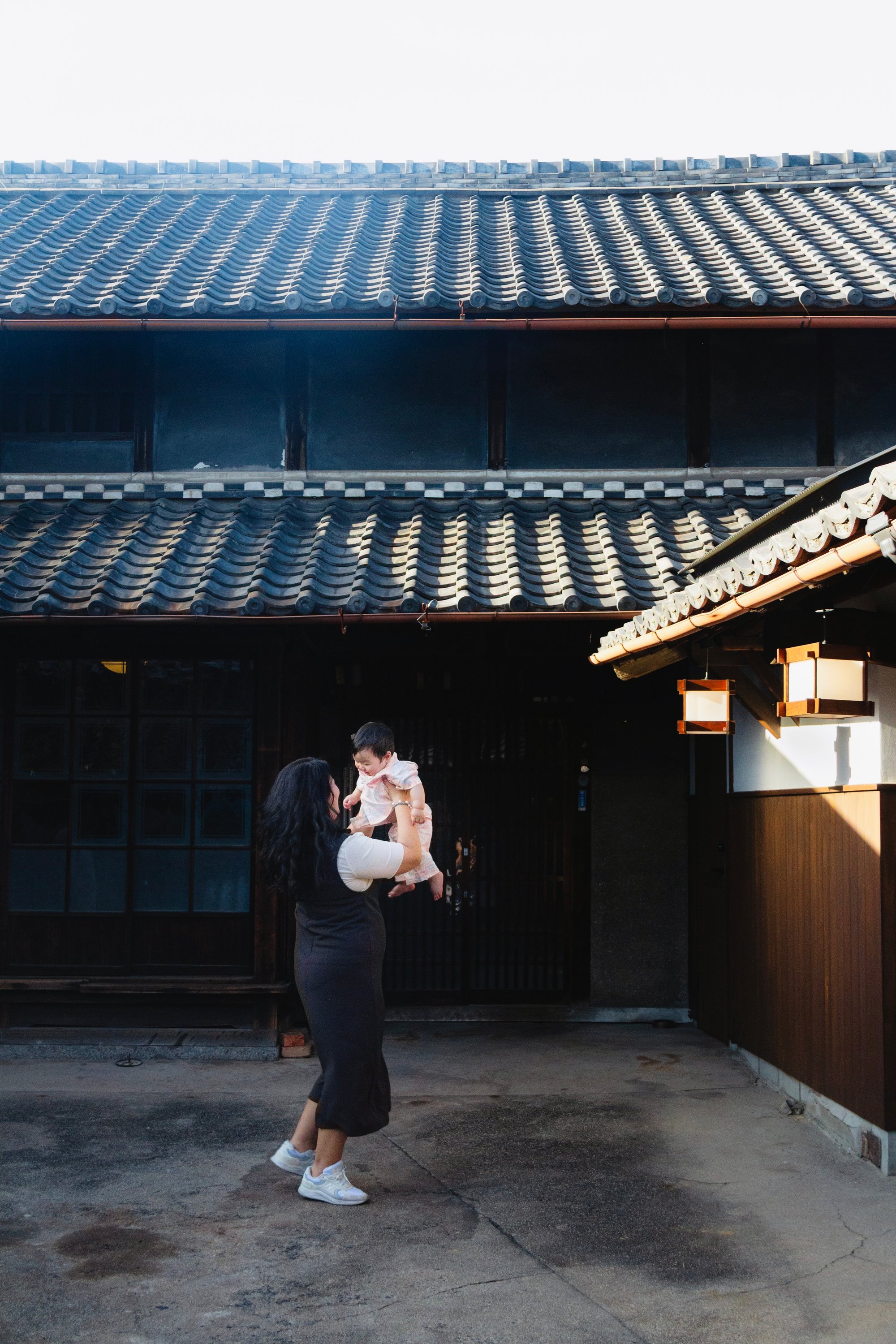
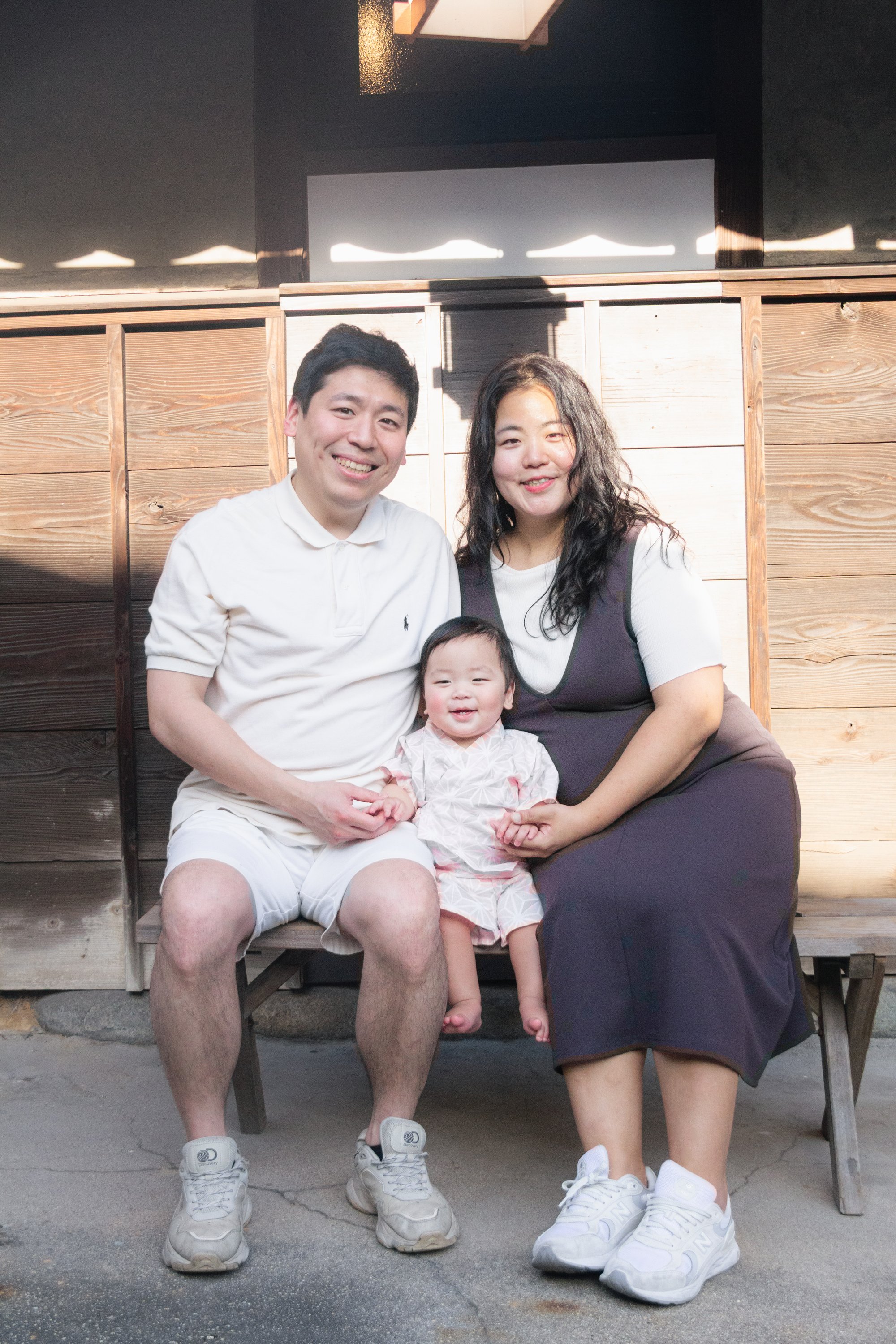
Real shots from Nara
The deer are wild animals, and that is the briefing
They are protected as a natural monument and they have lived alongside the city for centuries, which makes them fearless rather than friendly. Some of them bow — a learned move that means give me the cracker, not hello — and if the cracker does not arrive they will butt, nip, tug at a sleeve or a bag, and occasionally kick. Most reported injuries happen in the seconds around feeding: buying the crackers, holding them up, or having run out.
So: feed only the crackers sold by the licensed vendors in the park, nothing from your own bag. Keep food, maps and paper out of open pockets, because they will go in after it. Feed quickly rather than holding a cracker up for a photograph, and when you are empty show both open palms — they understand that and lose interest. Do not put crackers into a small child's hands, and do not stand a child next to a stag for the picture. Autumn is the rut and the males are unpredictable then; there is an annual antler-cutting ceremony each year, but assume antlers are on. Nobody chases a deer for a frame, nobody corners one, and if a group starts crowding an animal the photograph is already lost.
Handled that way, a session with the deer is easy and genuinely lovely. Children sit, the deer come, and the pictures make themselves.
First light on the lawns
The open grassland on the park's western side is the classic setting: wide lawns with cedars and low hills behind, dotted with deer that are spread out and calm before the vendors open. The sun comes up over the hills to the east, so shooting back towards them gives backlight and long shadows across the grass, while turning your back on the hills gives clean light on faces. In autumn and winter the mornings often start with mist on the grass and the whole scene goes grey-gold for about twenty minutes.
Walk east along the main path and the park narrows into the approach to Todai-ji. The crowd builds along that axis first, so if you want empty lawns, stay off it early and work the open ground.
Todai-ji: the great gate, the hall and the terrace above
The Nandaimon, Todai-ji's south gate, is the largest temple gate in the country and it is free to walk through: massive timbers, and two guardian figures from the early thirteenth century standing in its side bays behind protective mesh, which is why photographs of them rarely work. The gate is a scale device — put people small under it and the frame does the rest.
Beyond it, the Daibutsuden houses the great bronze Buddha. The present hall dates from the early eighteenth century and is smaller than the one it replaced, which tells you how big the original was. The precinct is ticketed, hours shift with the season, and what may be photographed inside is the temple's decision, so check before you count on an interior frame. The outer courtyard gives the whole building without any of that.
The best-kept part of Todai-ji is above it. Walk five or ten minutes up the slope on the path to the right of the hall, past stone-walled lanes and small sub-temples, and you reach Nigatsu-do, a hall on stilts with a wooden veranda that looks out over the Daibutsuden's roof and the city beyond. It is a working hall and the veranda is a quiet place at dawn and a warm one at sunset. The lanes leading up to it are as good as the view.
The lantern path to Kasuga Taisha
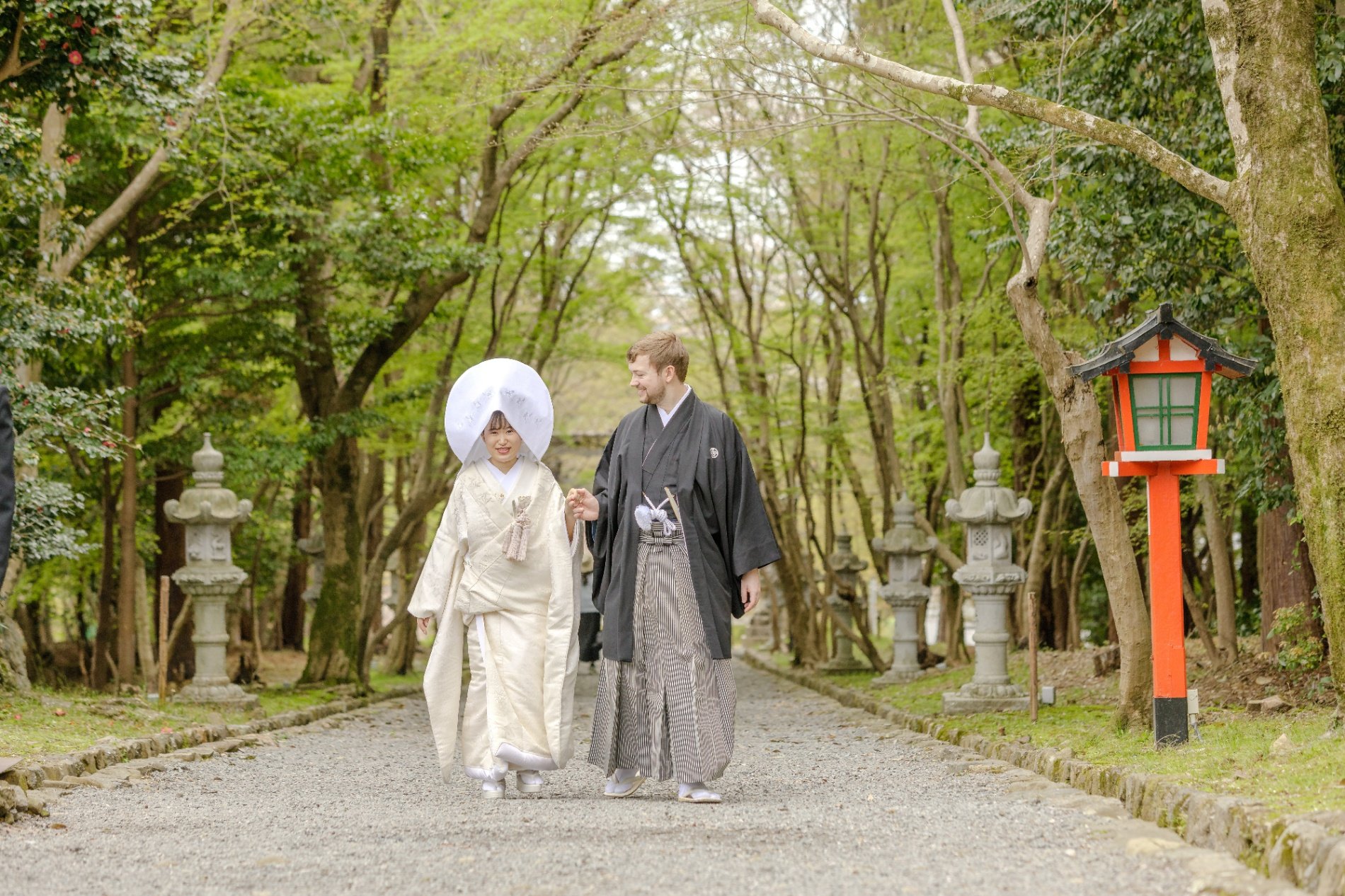
From the eastern side of the park, a path climbs through cedar forest towards Kasuga Taisha lined with thousands of stone lanterns, most of them furred with moss. Under trees, the light is low and even all day, which makes this the one part of Nara that holds up at noon and the obvious plan on a hot August morning or in rain — and it is at its best an hour after rain, when the moss is green and the stone is dark.
The shrine itself is vermilion against the forest, with rows of hanging bronze lanterns along its corridors. The inner precinct is ticketed and the lanterns are lit on only a couple of festival days a year; those dates move, so check rather than plan around them. This is a working shrine: walk to the side of the approach rather than down the middle, and do not aim a camera into a hall where a sign says not to. Reckon on twenty-five minutes on foot from the park's western edge, or take a bus part of the way.
What clients say about this kind of shoot
We had such a great photography experience with OKINI PHOTO TOUR! If you’re looking for an Osaka photographer, especially for a couple photoshoot in Osaka, I would definitely recommend them. The photographer made us feel comfortable from the beginning and guided us naturally with poses, so even if you’re not used to being in front of a camera, the experience is very relaxed and fun. What I really liked was that this wasn’t just a typical photoshoot. We walked around Osaka and enjoyed the city while taking photos, so it felt like both a photo tour and a local Osaka experience. The photos around Dotonbori and Osaka’s neon streets were especially beautiful. The photographer knew where to shoot, how to use the city lights, and how to capture natural moments between us. For couples traveling in Japan, honeymooners, or anyone searching for couple photography in Osaka, an Osaka travel photographer, or a Dotonbori photoshoot, OKINI PHOTO TOUR is a great choice. A wonderful way to keep memories from our trip to Osaka. Highly recommended!
— 伊藤尚也 on Soh
Soh was the best! He knew all the hidden gems in Tokyo and we had the best shoot with him! Super professional, on time and gave great creative direction!
— Cathy D. on Soh
Soh was INCREDIBLE! The shots he got for us were so awesome, he knew so many amazing off the beaten path spots for pictures. 10/10 if you want awesome photoshoots come here!!
— Yeremi H. on Soh
I had such a great photoshoot experience with Okini! 📸✨ It was honestly so much fun, and the photos turned out absolutely beautiful. The Tokyo Tower spots were perfect, and our 2-hour photoshoot gave us so many amazing shots. Everything felt fun, relaxed, and worth it from start to finish. Definitely such a memorable experience and one I’d recommend if you want beautiful photos in Tokyo! 🗼💕
— Maria D. on Soh
⭐⭐⭐⭐⭐ I can’t recommend Soh enough! He captured one of the most important moments of our lives—my surprise engagement at Tokyo Tower—and absolutely exceeded every expectation. From the moment we met, Soh made the entire experience feel natural, comfortable, and special. After capturing the proposal perfectly, he took us to several other incredible spots around Tokyo so we could get photos that truly captured the energy, beauty, and authentic feel of the city. Every location added something different, and he knew exactly where to go and how to capture the moment. The photos are more than just pictures—they’re memories we’ll have for the rest of our lives. Looking back at them instantly brings us back to that night in Tokyo. Hiring Soh was one of the best investments I made on this entire trip, especially for such an important moment. If you’re visiting Tokyo and looking for a photographer for an engagement, couples shoot, or just unforgettable memories of the city, book Soh. You will not regret it. Thank you, Soh, for helping make an already unforgettable night even more incredible! 🇯🇵💍❤️
— Rolando R. on Soh
Mr Bernard is very kind & profesional photographer.. He know every spot photo & know my angle too.. I like the result.. Thank you so much.. I love it...
— Agustin T. on Bernard L.
Naramachi, the ponds and the plan for rain
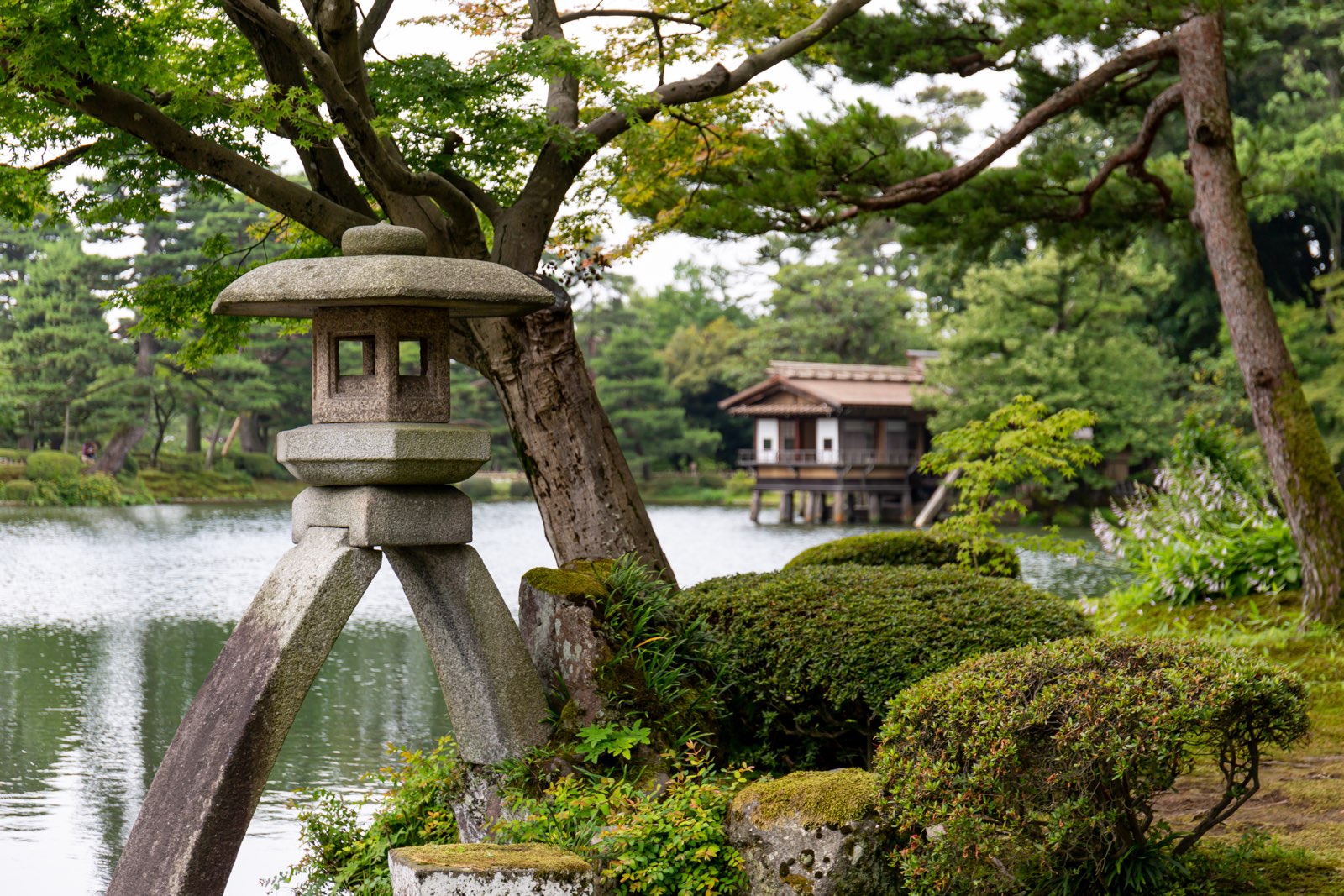
South of the park, Sarusawa Pond mirrors the wooded hill of Kofuku-ji. Be warned before you build a frame on it: the temple's five-storey pagoda is under a restoration cover and the works are scheduled to run for years — check whether it is visible before you go. Ukimido, a hexagonal pavilion standing in a pond a few minutes into the park, is a better early-morning subject and almost always empty.
For weather, Naramachi is the answer: the old merchant quarter of narrow lanes, lattice house fronts and small shops, sheltered enough to carry a session in rain. The walled gardens nearby are ticketed, quiet, and built to be looked at in any weather.
Getting there, and which station
There are two stations and the difference matters with children. Kintetsu Nara sits right by the park — a few minutes to the lawns, about twenty to Todai-ji — and is the fast option from Kyoto and from Osaka Namba. JR Nara is fifteen to twenty minutes further west on foot, and is the one to use if a rail pass is paying for the journey. Either way the run from Kyoto or Osaka takes well under an hour, which is what makes a dawn session realistic: the first trains of the day put you on the lawns before the day-trippers.
Inside the park, everything above is walkable, but the walk is real. Lawns to Todai-ji is ten minutes, Todai-ji to Kasuga another fifteen to twenty, and the ground goes from flat gravel to slopes and steps once you climb to Nigatsu-do. A buggy is fine on the main paths and awkward above them.
What the seasons do
Blossom comes to the deer lawns from late March into early April and is the busiest week of the Nara year after New Year. Wisteria follows in the shrine gardens in late spring — dates move, check. Summer is hot and humid to a degree that decides the schedule for you: shoot at seven or go under the Kasuga cedars. In the second half of November the park's maples turn and the light through them onto the lawns is the best of the year, with weekend crowds to match. Winter is the sleeper: pale gold grass, bare branches, clear cold air, deer close together, and a hillside burning festival in late January whose date moves every year — one to check, not to assume.
Planning a Nara photoshoot
One short session early beats a long one later, and with small children that is not a preference but a rule. Sixty minutes at seven in the morning on the lawns and under the Nandaimon will give you more than two hours after lunch in a crowd. Ninety minutes to two hours lets you add the climb to Nigatsu-do or the lantern path, at a walking pace that suits the family rather than the photographer.
Book the day around the trains rather than the light: you want to be walking into the park as the sun comes up, which usually means the first or second service from the city you slept in. Nara also works as the quiet morning inside a Kyoto trip, which is how most families use it.
A photographer who works here often knows which lawn the deer favour at that hour, where the mist sits and how to keep a group of animals interested without a cracker in a child's hand — that is most of what you are booking. The destination page for Nara covers the rest of the city, family sessions explain how a shoot with children usually runs, and you can book a photographer online.
Want professional photos in Nara?
Browse portfolios, compare packages, and book a verified local photographer in minutes.