Best Time of Year for a Photoshoot in Japan: season by season
Japan is the country where the month decides the photograph. Everywhere else the argument is about the hour; here you choose a fortnight first, and it decides whether you stand under blossom, in a wet green garden, under red maples or in falling snow. The islands run roughly three thousand kilometres from Hokkaido to the southern seas, so the same week can be late winter in Sapporo and warm spring in Osaka. None of what follows is a date: the two seasons people fly for move by up to a fortnight from year to year, and the only sane way to plan a session around them is to book a window and keep the morning flexible.
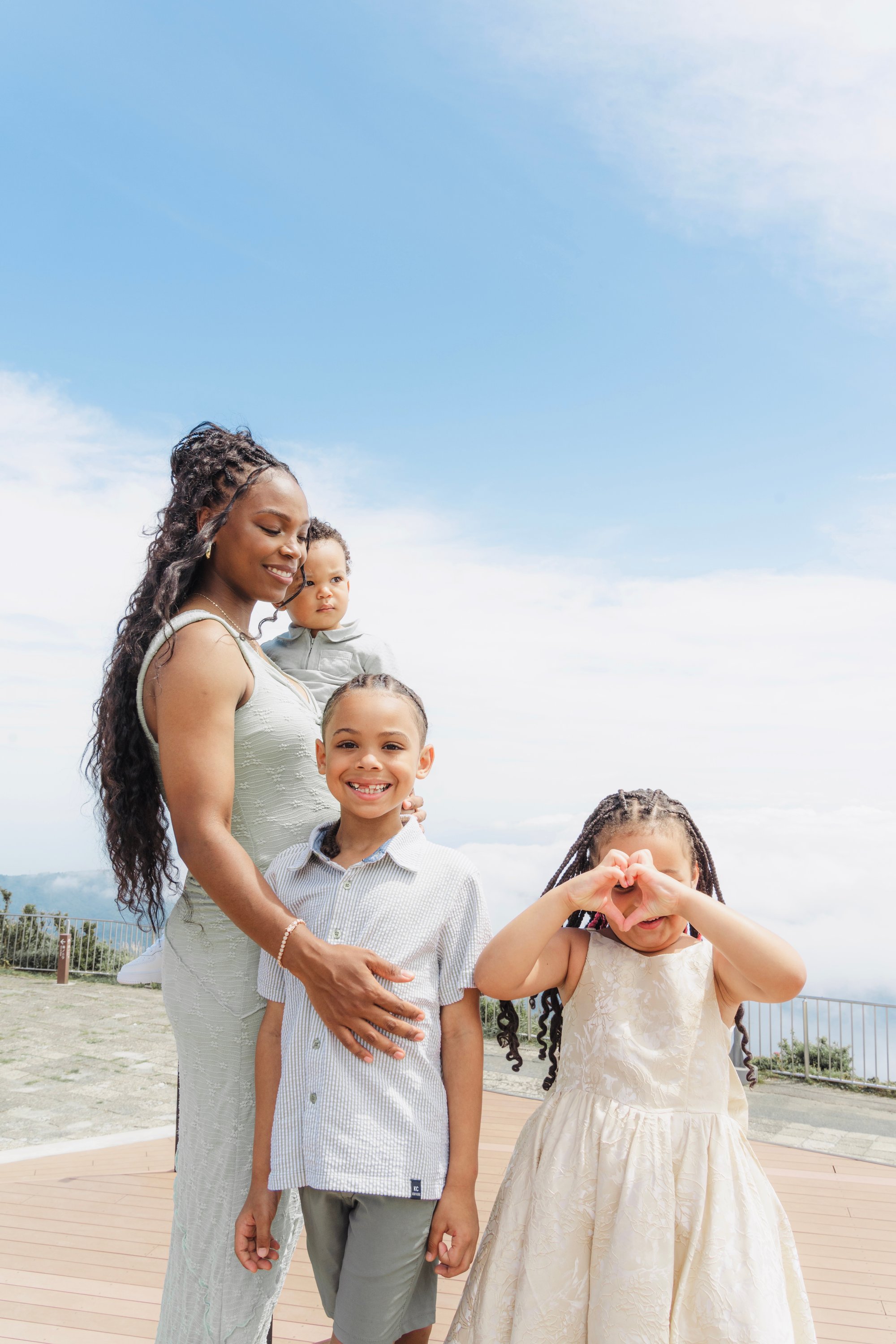
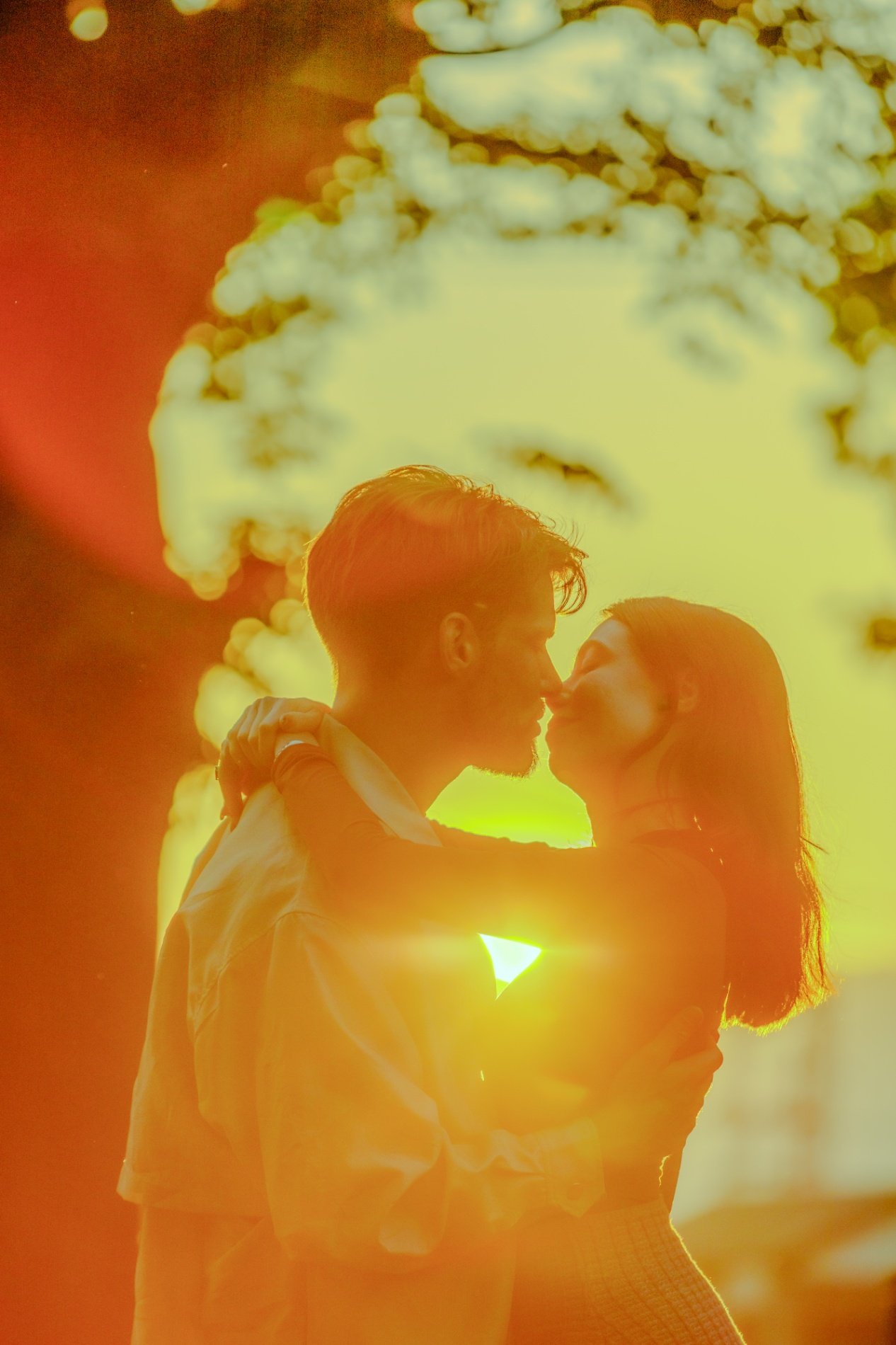
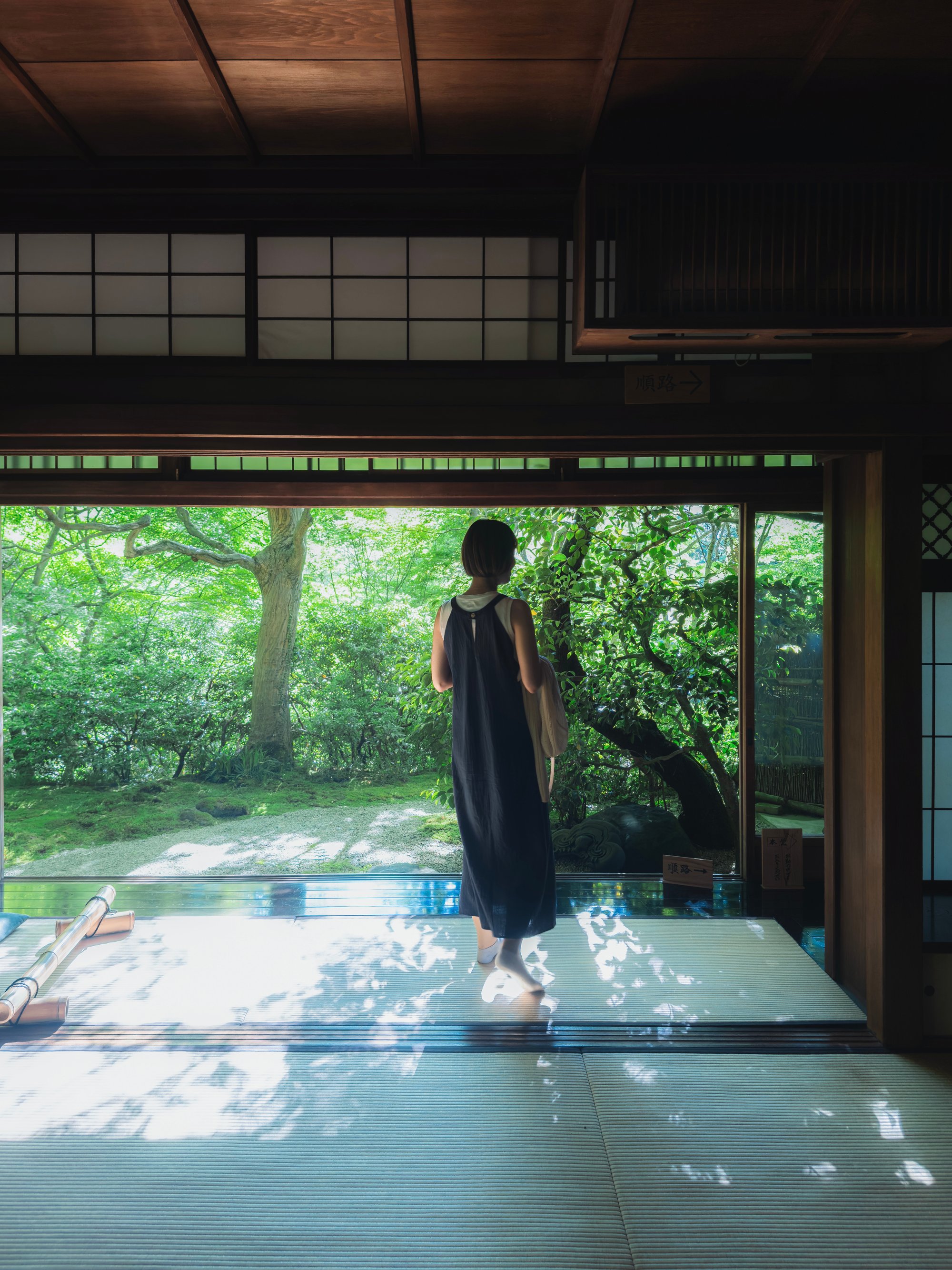
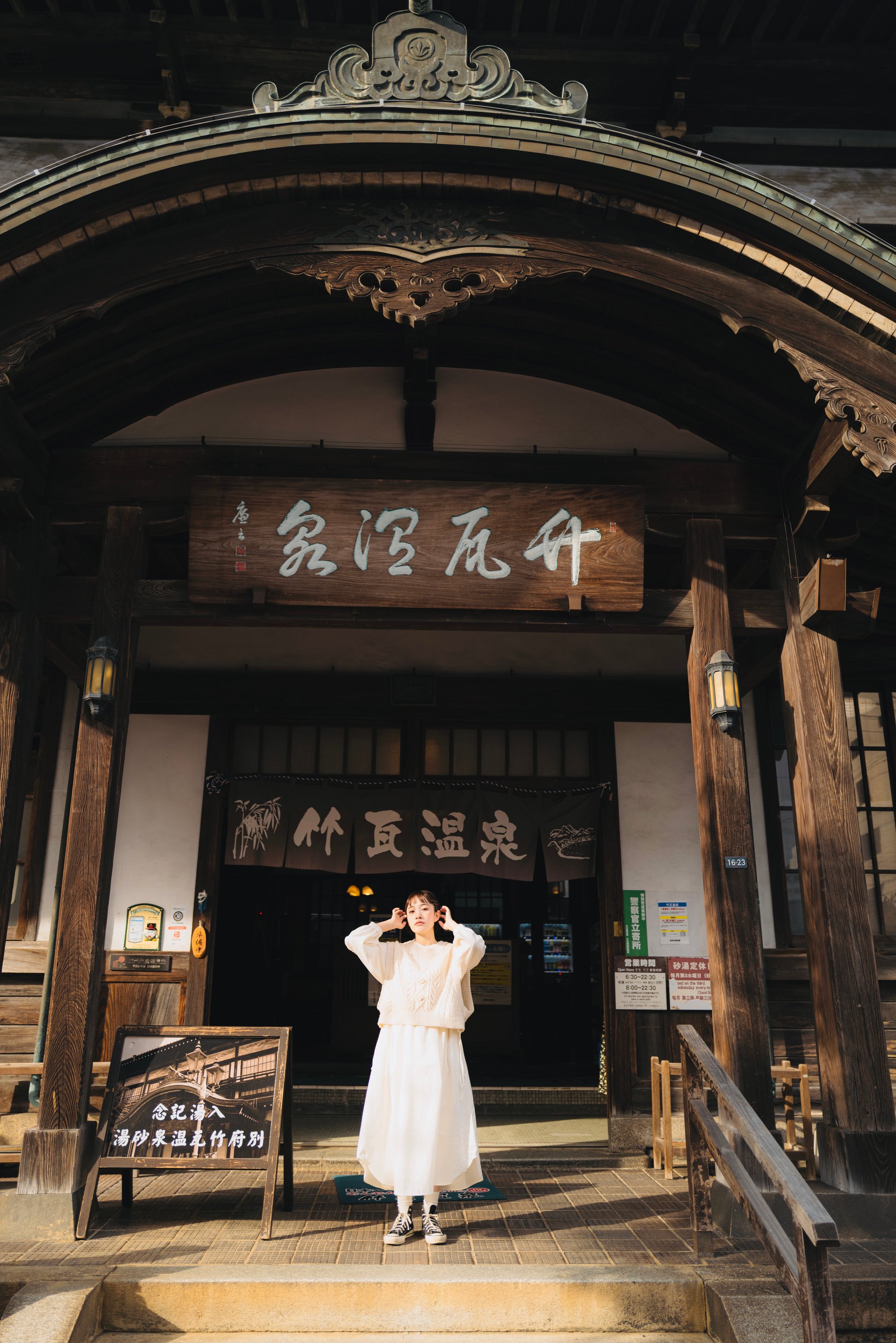
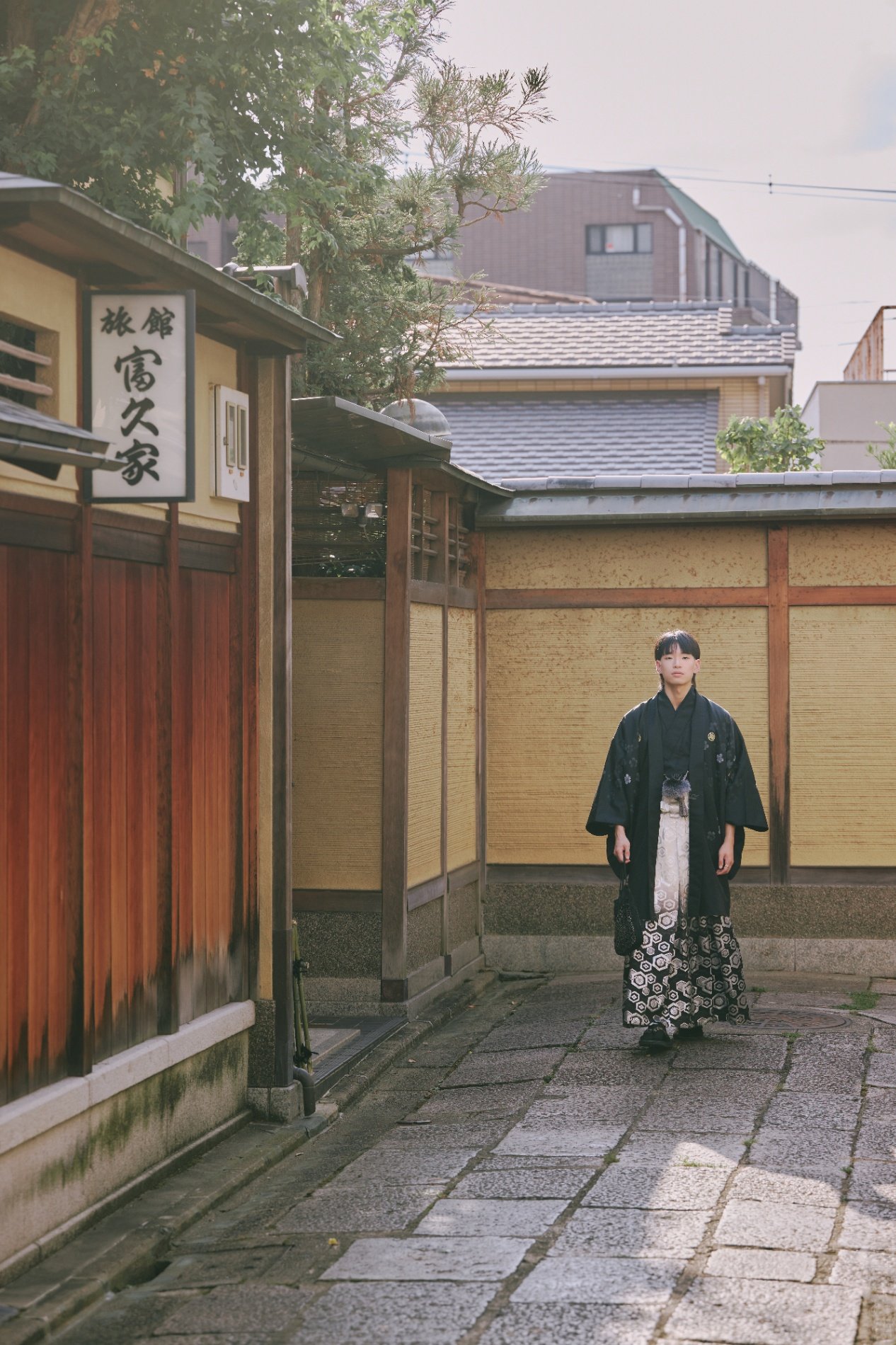
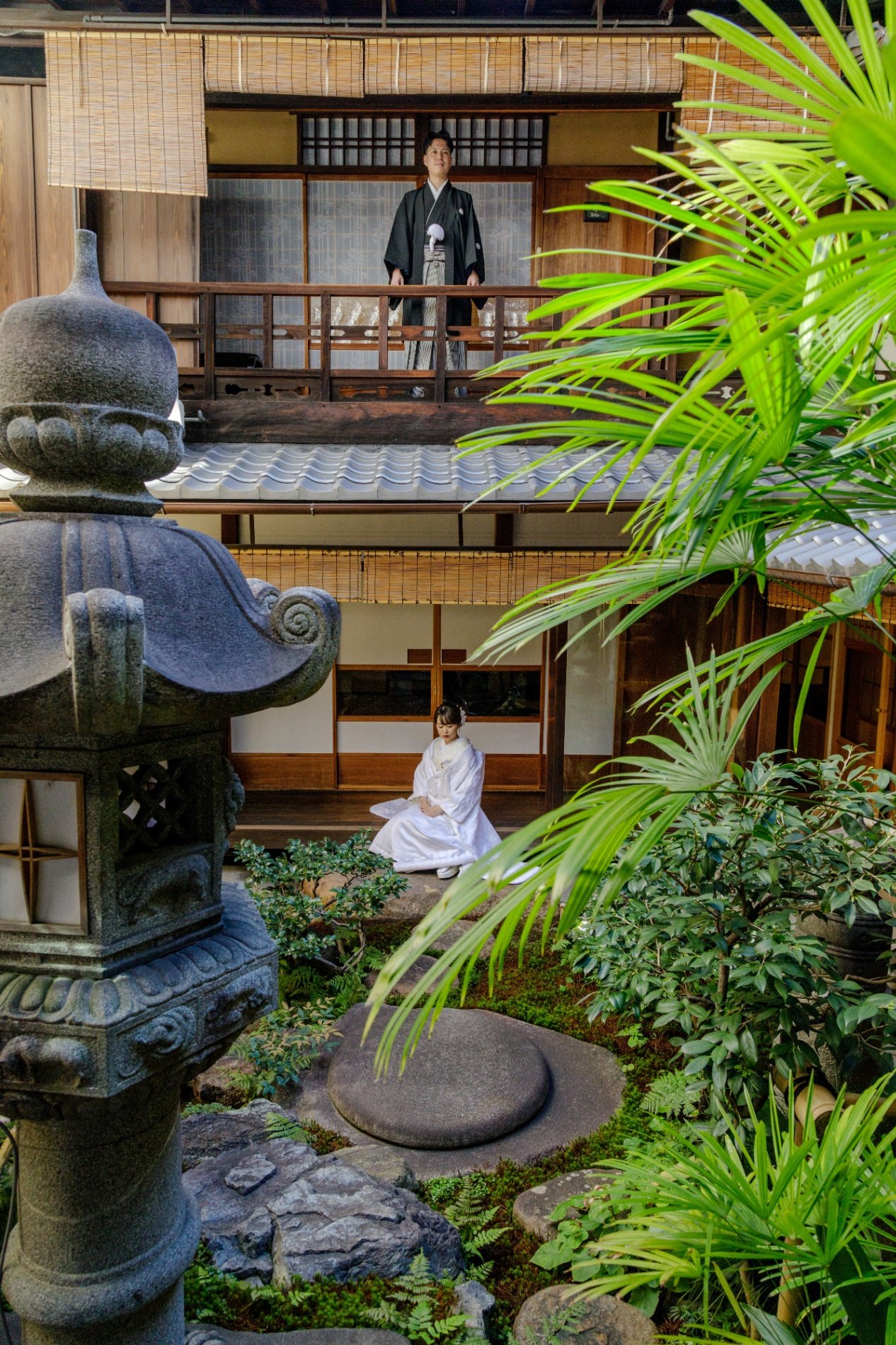
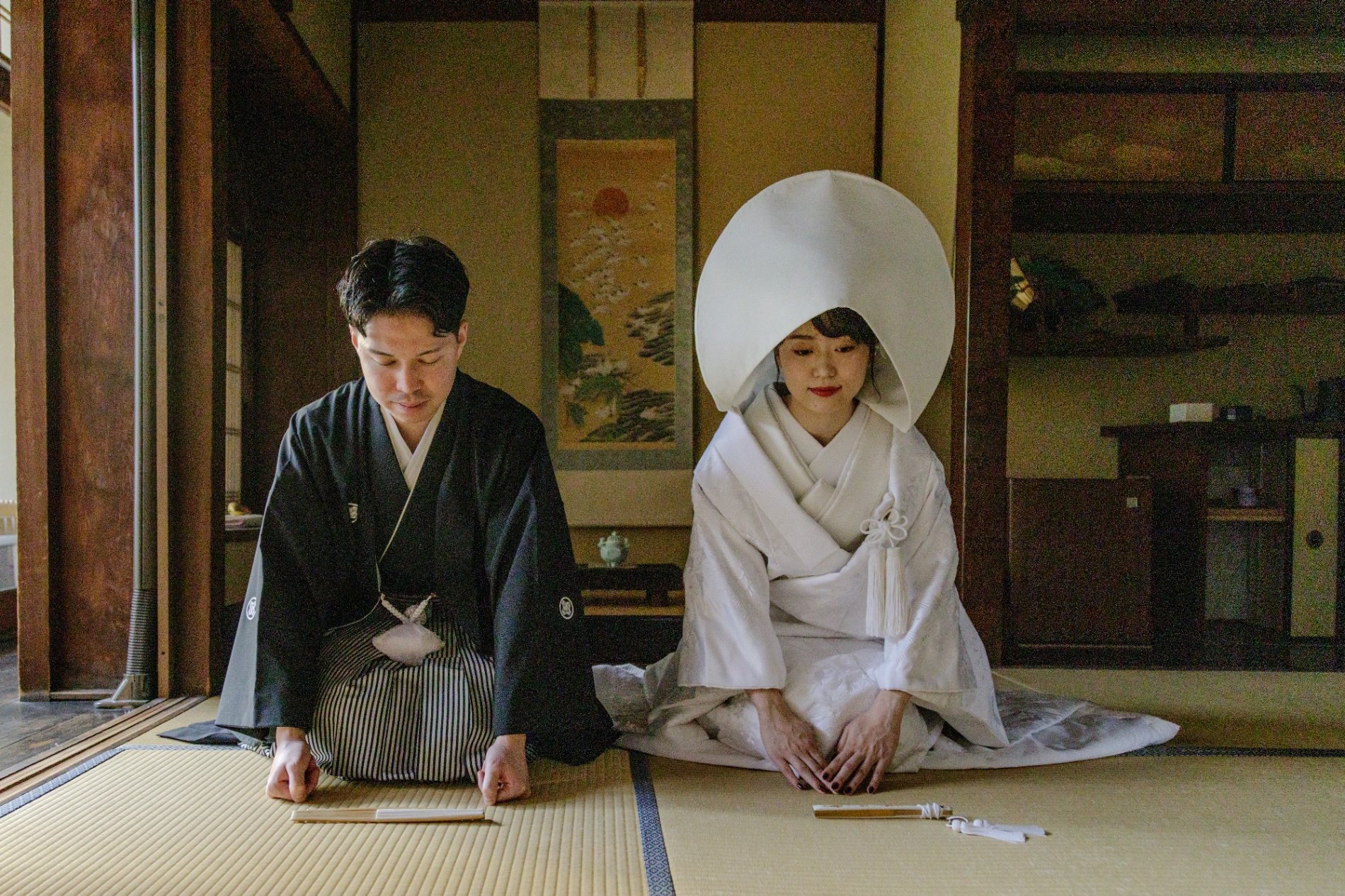
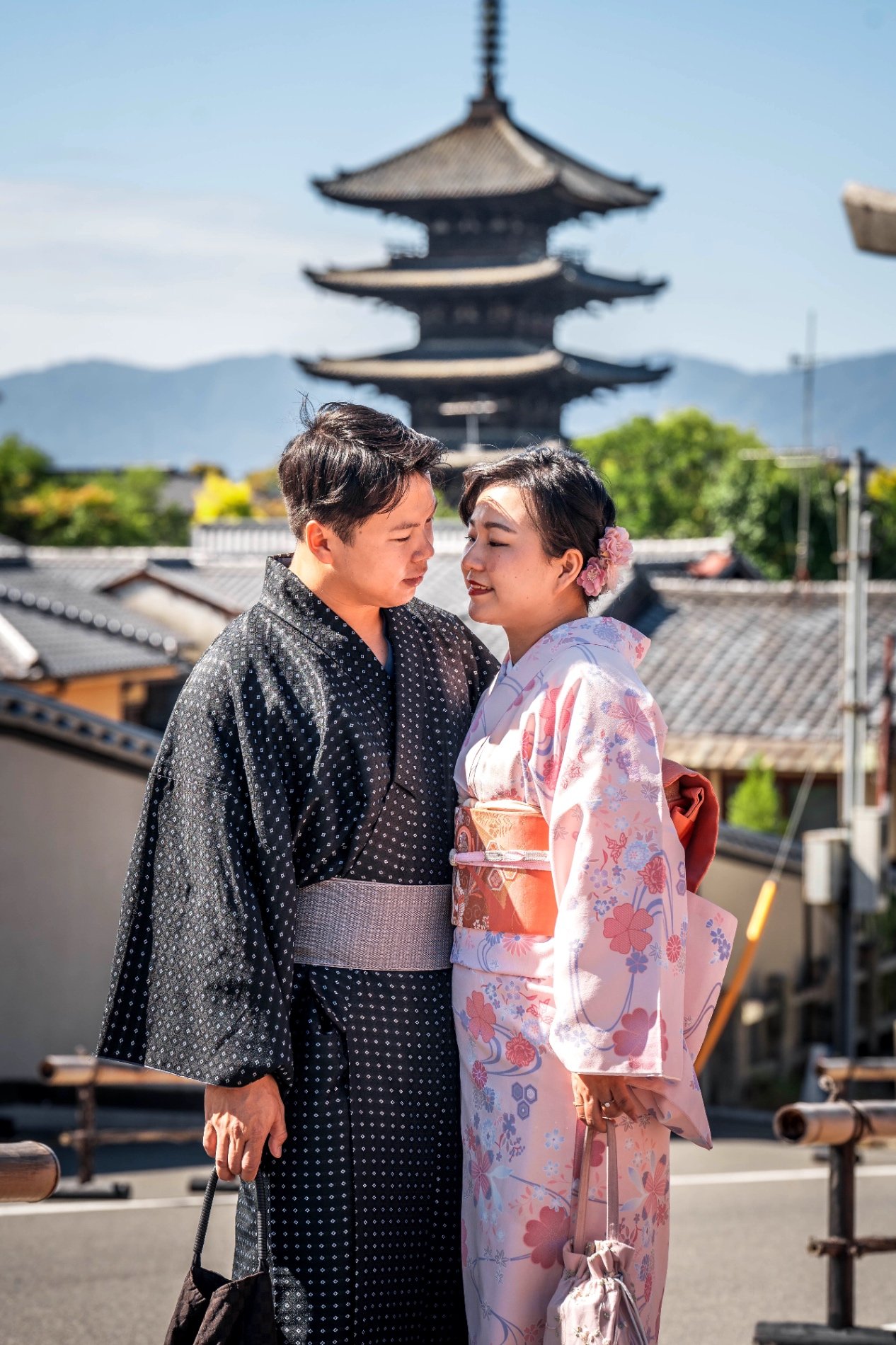
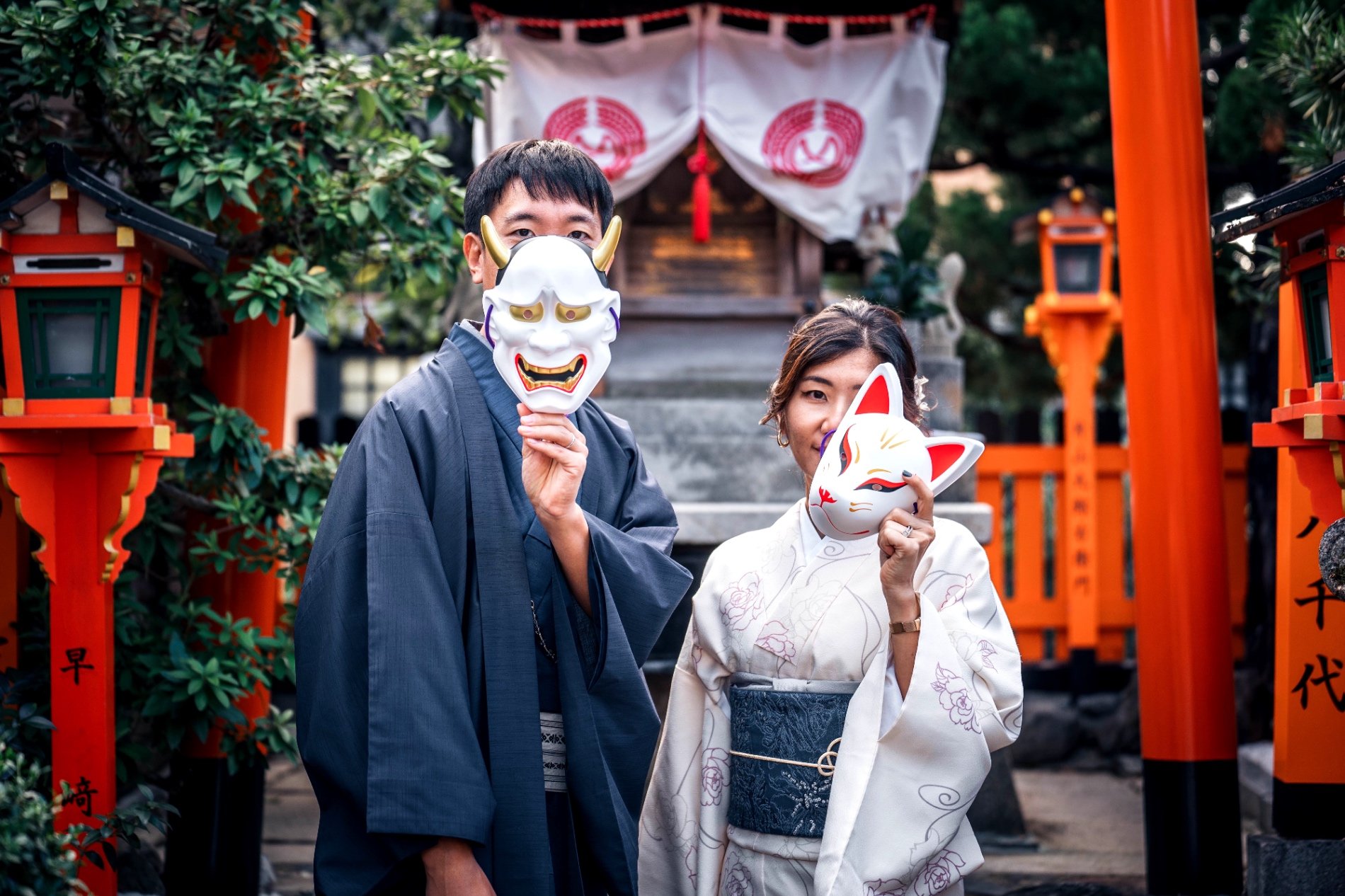
Real shots from Kyoto
The two seasons nobody can schedule
Blossom and maples are forecast, not calendared. The Japan Meteorological Agency stopped publishing its own bloom forecast in 2010 and now announces only the opening and the full bloom at its sample trees in each city; the forecasts people plan by come from private forecasters, the Japan Weather Association and Weathernews being the two most quoted. The first blossom map appears in midwinter and is revised every week or two through the spring; the autumn leaf forecast starts in early September and is revised as the front comes down.
Read both as probabilities. A January forecast is a statement about accumulated warmth, and one mild fortnight in February moves the answer by a week. So fix the travel dates, then agree the exact morning once you are in the country and the trees have shown their hand.
Late March to mid-April: blossom, and the whole country outdoors
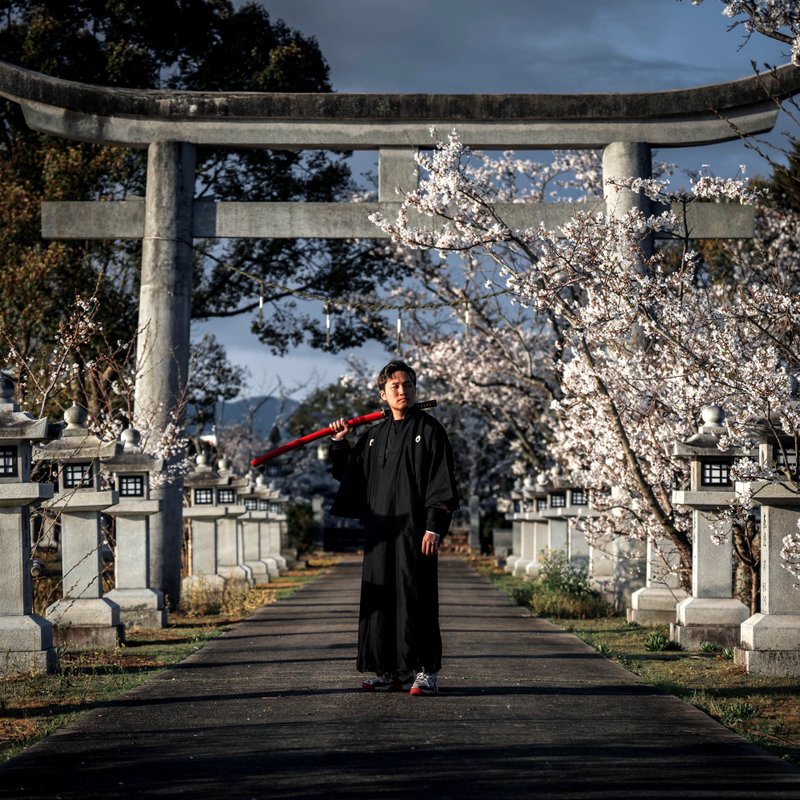
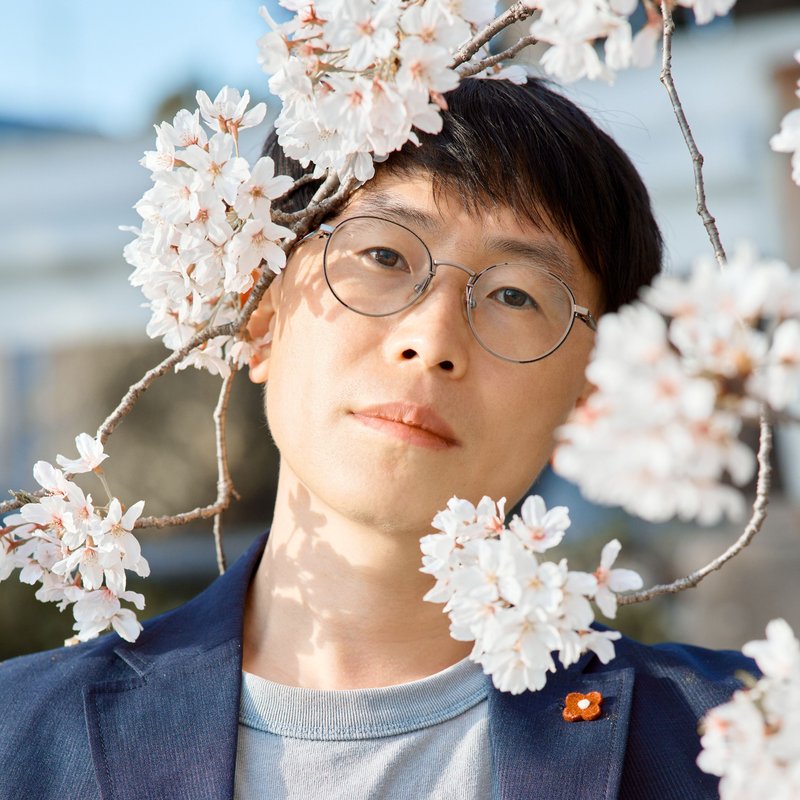
The cherry opens from late March in Tokyo, Kyoto and Osaka and runs into the first days of April. Full bloom holds about a week, and one windy afternoon or a day of heavy rain can end it early. The colder and higher places follow: Kanazawa and Takayama in the first half of April, the Fuji lakes and Chureito Pagoda around the middle of the month, Nikko later, Hokkaido not until the end of April or the start of May.
What it gives needs no explanation; what it costs is less advertised: this is the hardest fortnight of the year in which to find a room in Kyoto, the famous riverbanks stand three deep by mid-morning, and tarpaulins cover the parks from early. Sessions that work in blossom week start at first light, in position before six.
Golden Week and May: the easiest month, and the northern bloom
The run of public holidays at the end of April and into the first week of May is Golden Week, the busiest travel window of the Japanese year. Trains fill, the famous places fill, and the exact shape of the week shifts from year to year — check it before you fix anything.
Either side of it, May is one of the two easiest months in the country: the rains have not started, the heat has not arrived, the maples are in new green and the wisteria hangs through late April into May. In the north this is the blossom. Sapporo flowers in the last days of April or the first of May, and in Hokkaido the plum and the cherry often open in the same week, which happens nowhere else in Japan.
June to mid-July: the rainy season, and what it is good for
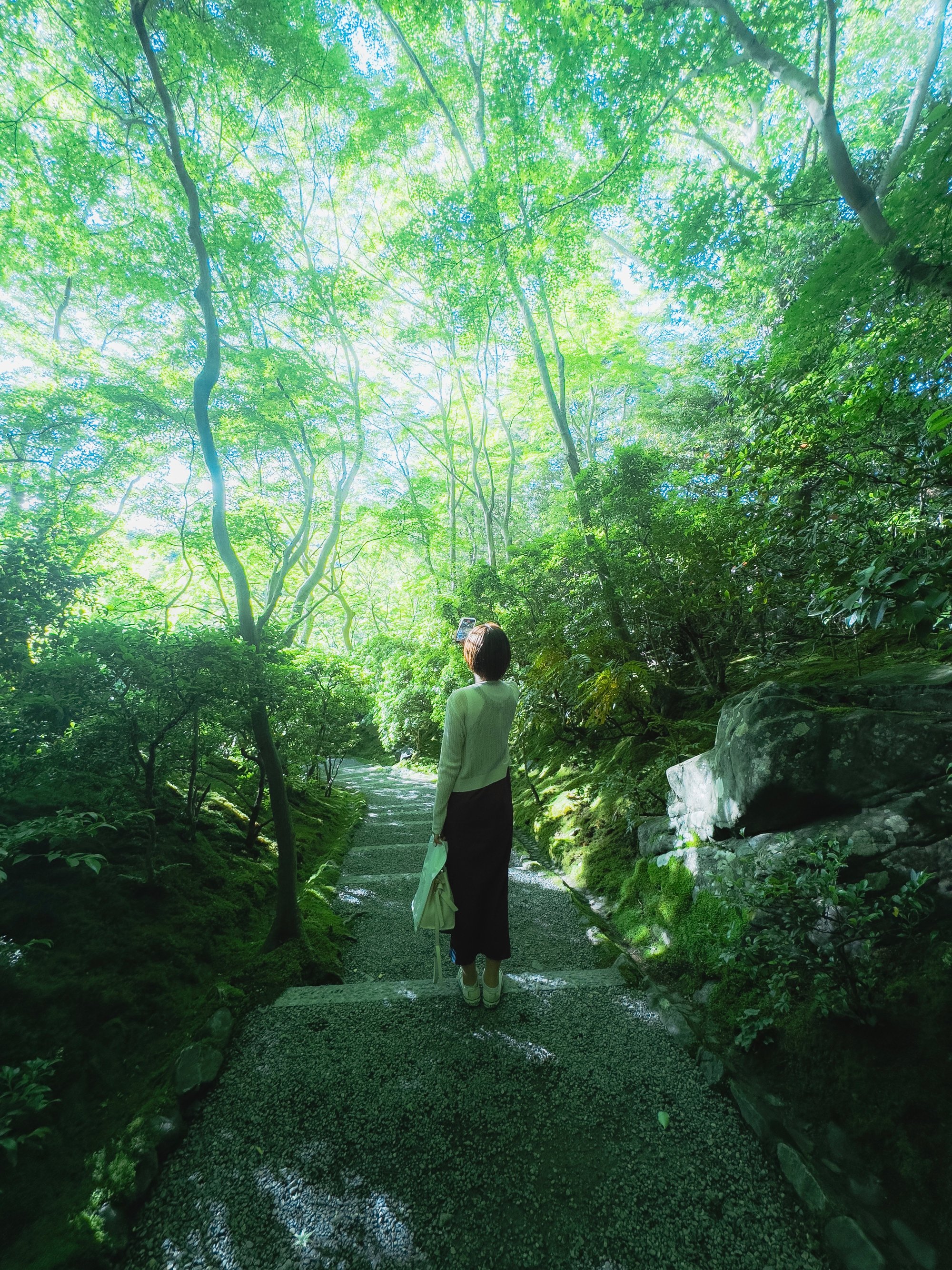
Tsuyu covers most of the country from early June to mid-July and peaks in late June. It is not a monsoon: it rains in long grey spells rather than all day, mornings are often dry, and what it does to pictures is mostly good. Wet stone in Kyoto doubles every lantern, the moss is at its best of the year, a paper umbrella stops being a prop and becomes sensible, and the hydrangeas arrive — Kamakura's temple gardens are the classic, busy enough in the peak fortnight that some run timed entry, and the Hakone Tozan railway climbs between banks of them.
The costs are humidity, long grey afternoons and mountains that spend the month inside cloud, which puts Fuji out of the question. Hokkaido escapes the rainy season altogether — the whole argument for going north in June.
What clients say about this kind of shoot
We had such a great photography experience with OKINI PHOTO TOUR! If you’re looking for an Osaka photographer, especially for a couple photoshoot in Osaka, I would definitely recommend them. The photographer made us feel comfortable from the beginning and guided us naturally with poses, so even if you’re not used to being in front of a camera, the experience is very relaxed and fun. What I really liked was that this wasn’t just a typical photoshoot. We walked around Osaka and enjoyed the city while taking photos, so it felt like both a photo tour and a local Osaka experience. The photos around Dotonbori and Osaka’s neon streets were especially beautiful. The photographer knew where to shoot, how to use the city lights, and how to capture natural moments between us. For couples traveling in Japan, honeymooners, or anyone searching for couple photography in Osaka, an Osaka travel photographer, or a Dotonbori photoshoot, OKINI PHOTO TOUR is a great choice. A wonderful way to keep memories from our trip to Osaka. Highly recommended!
— 伊藤尚也 on Soh
I had a truly unforgettable kimono photo shoot experience in Kyoto with Sanbao. He was warm, professional, and attentive to every detail. Since it was a busy weekend, he carefully selected a quieter temple location that was both peaceful and incredibly photogenic , a perfect setting away from the crowds. I’m not particularly familiar with wearing a kimono, so I wasn’t sure how to pose in a way that would look natural and elegant. But Sanbao is clearly very experienced . he thoughtfully designed the entire shoot based on the background, the setting, my kimono, and even my personality. He gave clear, gentle guidance and helped me feel comfortable and graceful throughout the session. Even the raw photos I received the same night were stunning. Each photo felt artistic, well-composed, and beautifully balanced (capturing not just how I looked, but how I felt in that moment. )It was truly a personalized, artistic experience that I’ll treasure forever. Highly recommend Sanbao to anyone.
— Xia on Sanbao Z.
We had a fantastic private photo session with SanBao. He’s highly professional, knows the area well, and was punctual. He kept great conversation throughout, which made us feel comfortable and relaxed. He also recommended a kimono rental and helped make the reservation, ensuring the whole process was smooth and well-planned. Most importantly, we absolutely love the photos he took of me and my family. You can tell he truly loves what he does—his expertise with lighting is amazing, and he has a real talent for capturing special moments. We couldn’t be happier with the results and highly recommend booking with SanBao!
— Molly on Sanbao Z.
Soh was the best! He knew all the hidden gems in Tokyo and we had the best shoot with him! Super professional, on time and gave great creative direction!
— Cathy D. on Soh
Soh was INCREDIBLE! The shots he got for us were so awesome, he knew so many amazing off the beaten path spots for pictures. 10/10 if you want awesome photoshoots come here!!
— Yeremi H. on Soh
I had such a great photoshoot experience with Okini! 📸✨ It was honestly so much fun, and the photos turned out absolutely beautiful. The Tokyo Tower spots were perfect, and our 2-hour photoshoot gave us so many amazing shots. Everything felt fun, relaxed, and worth it from start to finish. Definitely such a memorable experience and one I’d recommend if you want beautiful photos in Tokyo! 🗼💕
— Maria D. on Soh
Mid-July to August: heat, haze, Obon and typhoons
High summer catches northern Europeans out: days above thirty-five degrees, nights that do not cool, and a white haze that hides Fuji for weeks. July and August are the climbing season on the mountain and the worst months for photographing it. Typhoon season runs from July into October with its peak in August and September, heaviest in the south and west; a named storm shuts the trains for a day rather than a week, so the answer is a spare day in the itinerary. Obon, in the middle of August, is the second great domestic travel week.
Summer still has its own pictures: the festival and firework season runs through July and August with dates announced locally each year, neon does not care about heat, and Hokkaido is in its short, dry, brilliant summer with lavender and flower fields around Furano and Biei. In the cities, shoot the first hour after sunrise and the two hours around dusk, and give the middle of the day to the arcades.
September and October: the air clears, the colour starts high
The second half of September is the turn: typhoons still come, but the humidity drops, the light sharpens, the rice goes gold before the harvest and red spider lilies line the field edges. Fuji reappears on a good morning.
October is one of the best travelling months and the start of the maple calendar, which works from the top down: the alpine slopes of Daisetsuzan in Hokkaido turn around the middle of September, the first colour in the country, and the high ground above Nikko follows in the first half of October. October in Nara is also the rut: the stags in the park are unpredictable and genuinely dangerous, the park broadcasts warnings, and the traditional antler-cutting is held each October — keep children back and deer crackers out of their hands.
November into early December: the best weeks of the year
If the dates are yours to choose, choose November. The maples reach Takayama and the high valleys at the end of October, Kanazawa and Kenroku-en in the second half of November, Kyoto and Miyajima from the middle of the month into the first days of December. The air is at its clearest of the year, the Fuji season opens — cold, clear mornings from November to February are the best odds the mountain ever gives — and in Tokyo the Meiji Jingu Gaien ginkgo avenue turns gold for roughly ten days at the end of the month.
The costs are crowds and queues. These are the busiest weeks of the Japanese domestic travel year: Kyoto's temple gardens are a slow-moving line by nine, several run ticketed evening openings with their own camera rules, and weekends are far worse than weekdays. November is also shichi-go-san, when families take small children to a shrine in formal dress — a lovely thing to watch, and not a scene to photograph without asking.
December to February: snow, short days and a mountain you can see
Winter is the underrated season, and the reason is the mountain. The cold air that makes January uncomfortable is the air that makes Fuji visible, and a clear morning on the shore of Lake Kawaguchi gives the picture that the whole of summer refuses.
Inland and north, winter is the entire point: snow is deep and reliable in Sapporo from December and in Takayama and at Shirakawa-go through January and February. Otaru's canal and gas lamps, the ice sculptures in Sapporo in early February and the Shirakawa-go light-ups on a handful of January evenings are all dated, ticketed or reservation-only, their arrangements announced afresh each year — Shirakawa-go's evenings have run on applications made months ahead. Check first, book second, plan the session third.
The costs are daylight and cold. The sun is gone before half past four in Tokyo in December and earlier in Hokkaido, so a winter session is two short windows rather than a day, and twenty minutes at minus ten is a long time for anyone not dressed for it. Add the New Year days around 1 January, when small businesses close, the shrines are at their fullest and the trains fill in both directions.
Planning a photoshoot in Japan
Decide the season first and the city second. If the blossom or the maples are the reason for the trip, give yourself a week in the right region rather than a date, and settle the exact morning after you arrive: a photographer who works in Kyoto every November knows which garden is three days ahead of the one on the posters. If the trip is already fixed, build the session around what that month does well instead of around someone else's photograph — June gives wet stone and moss, August gives neon, January gives a mountain.
An hour is enough for one place done properly. The difference between seven in the morning and eleven is the difference between a garden and a queue, and in blossom and maple weeks it is not close.
Browse the destination page for Kyoto and the other eleven, see what a couples photoshoot usually covers, and book a photographer online.
Want professional photos in Kyoto?
Browse portfolios, compare packages, and book a verified local photographer in minutes.