Rain, Typhoons and Golden Week: photographing Japan when the plan goes wrong
Three things wreck a photo session in Japan, and none of them is the photographer: water, wind and the calendar. All three behave predictably enough to plan around, and two of them — rain and an overcast sky — quietly improve the pictures. The plan that fails is the one built on a single perfect morning at a single famous place. The plan that works has a second option ten minutes away and a spare day somewhere in the trip.
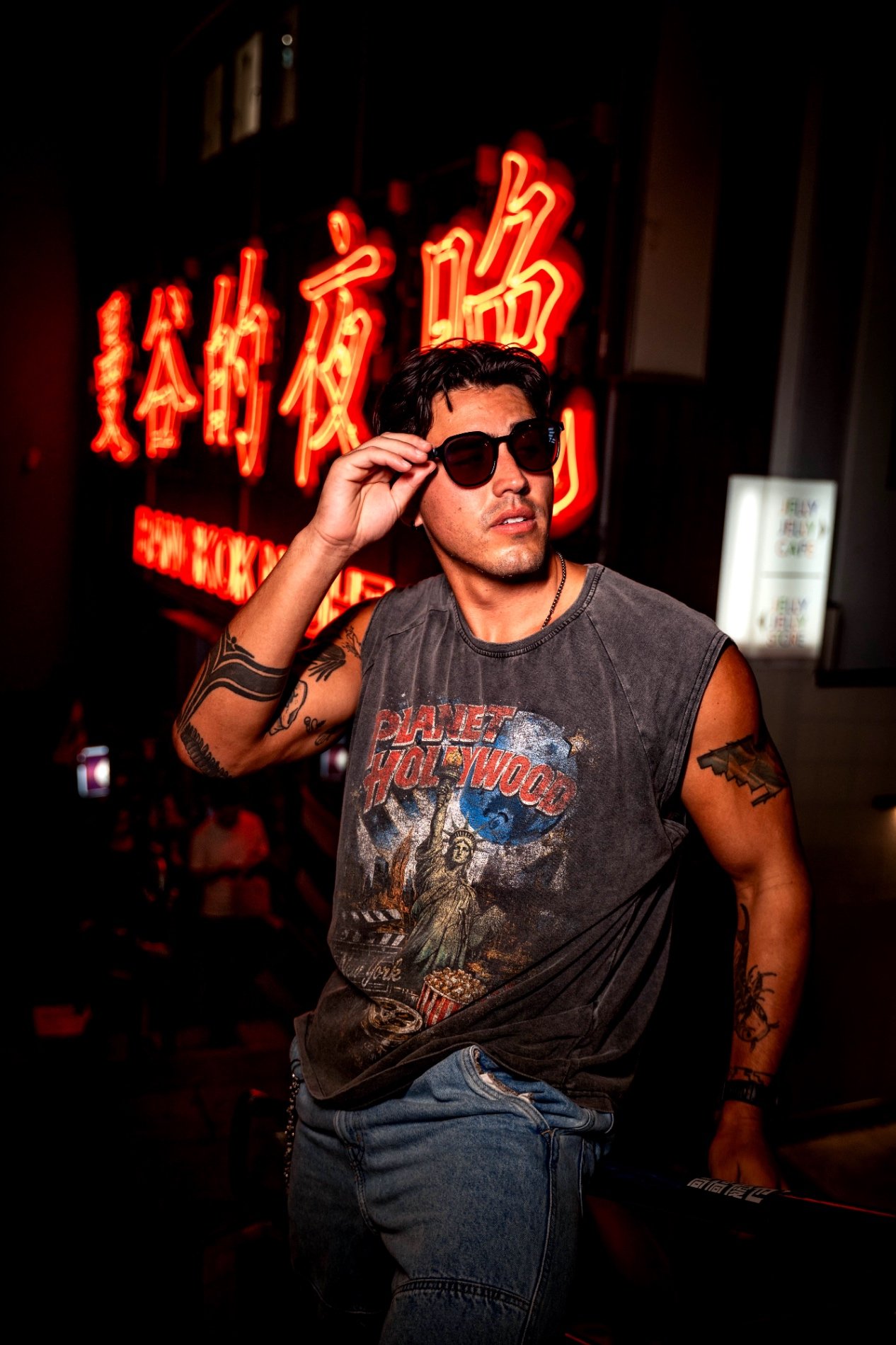
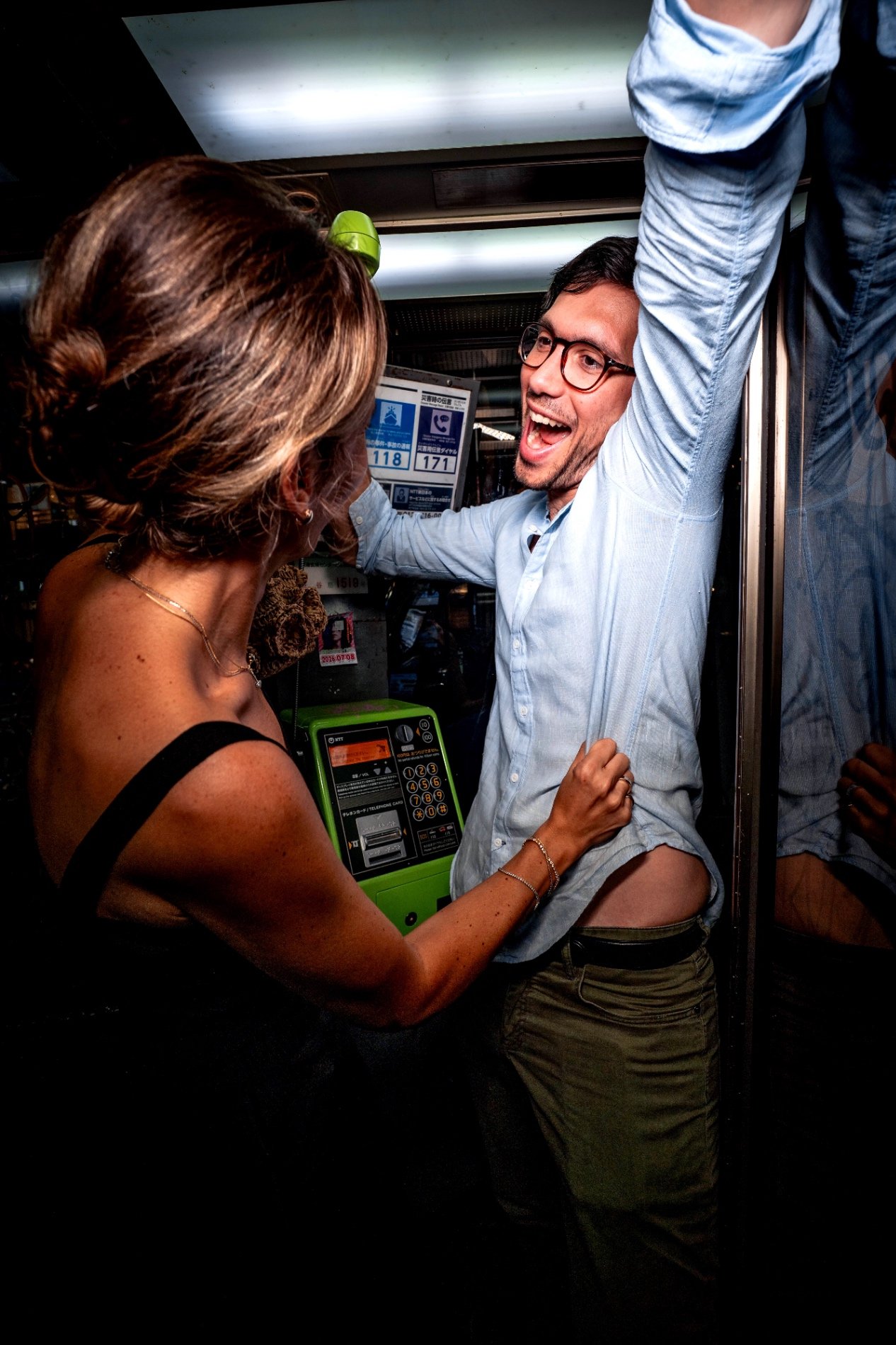
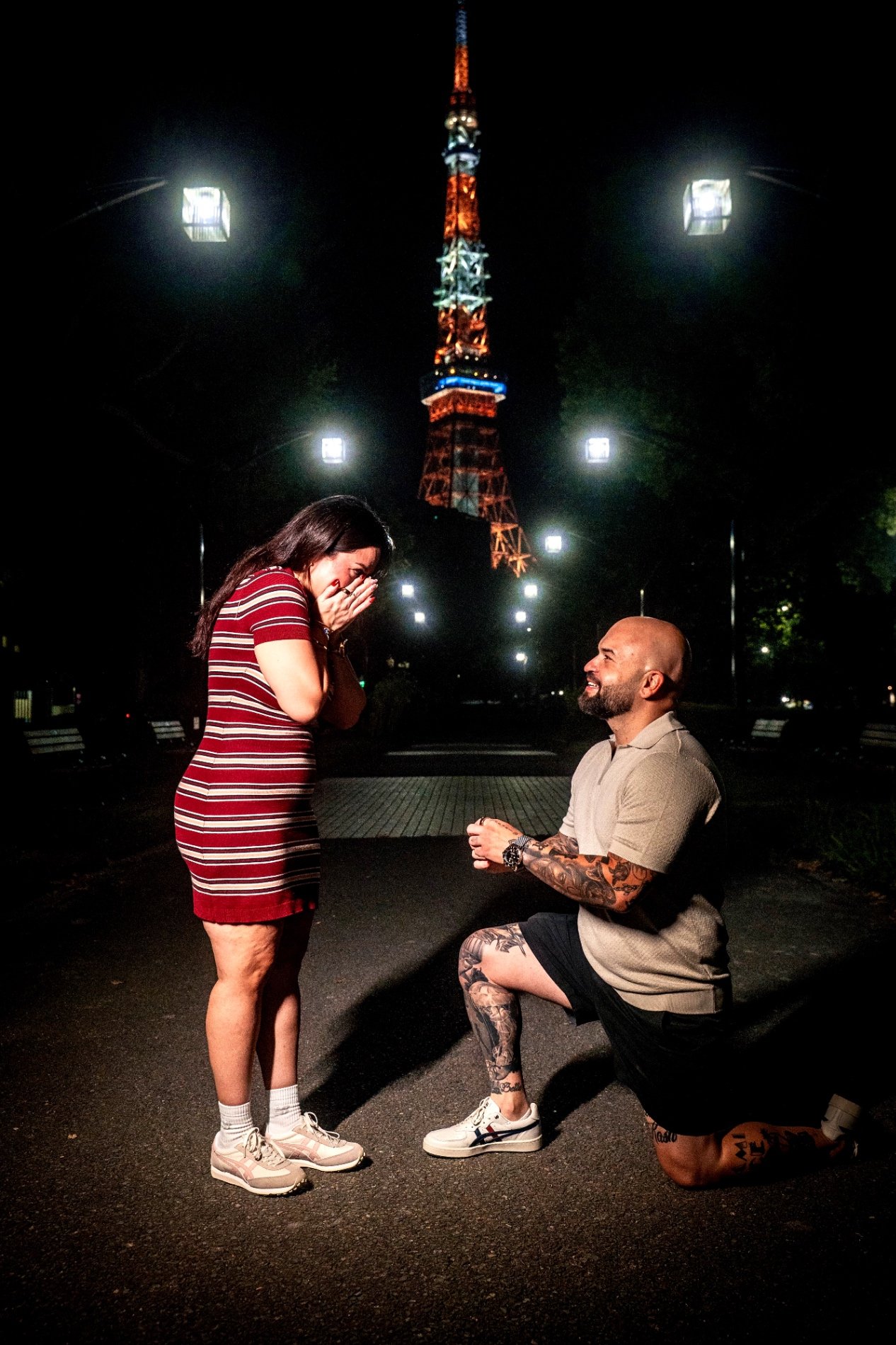
Real shots from Tokyo
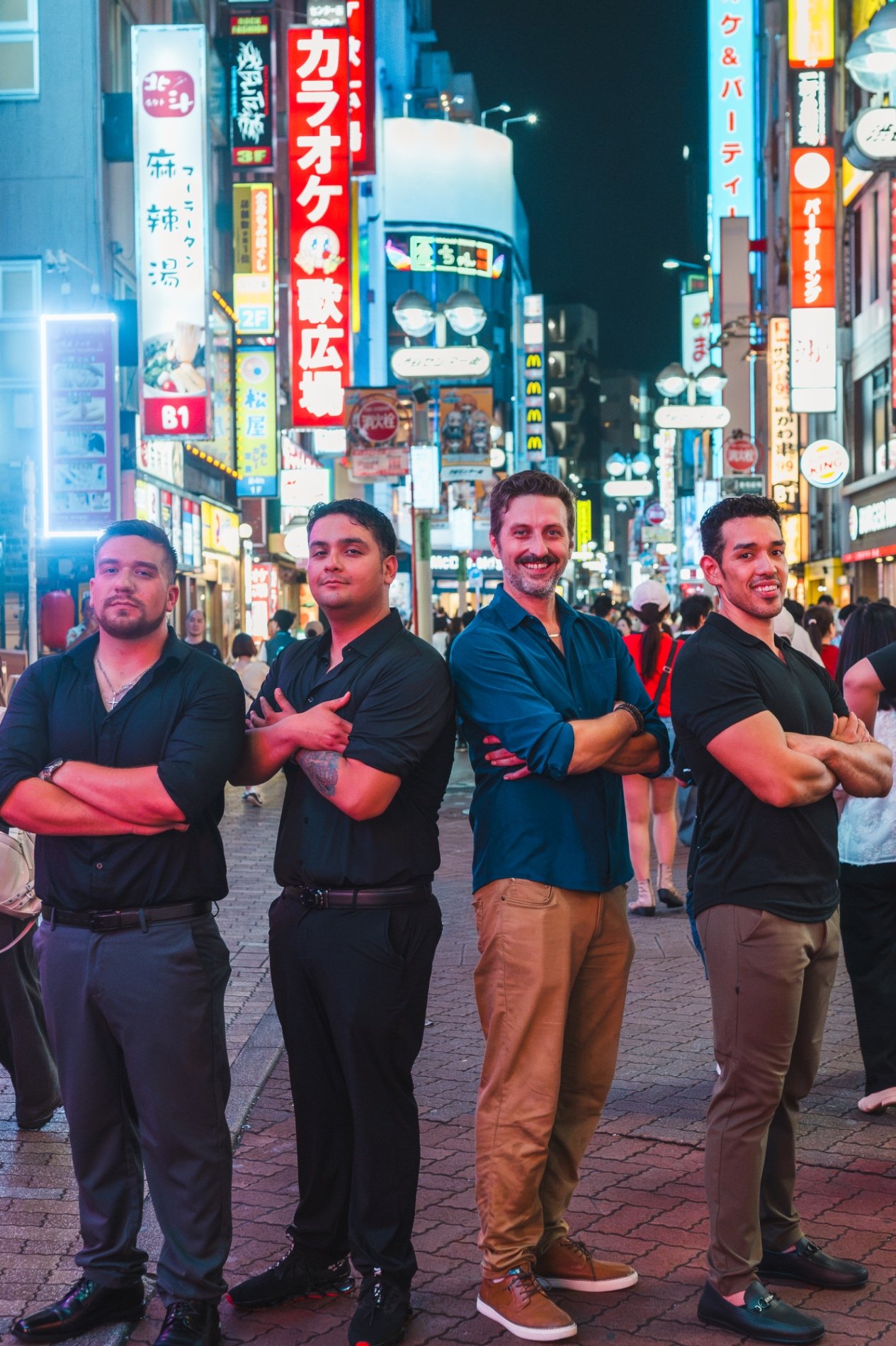
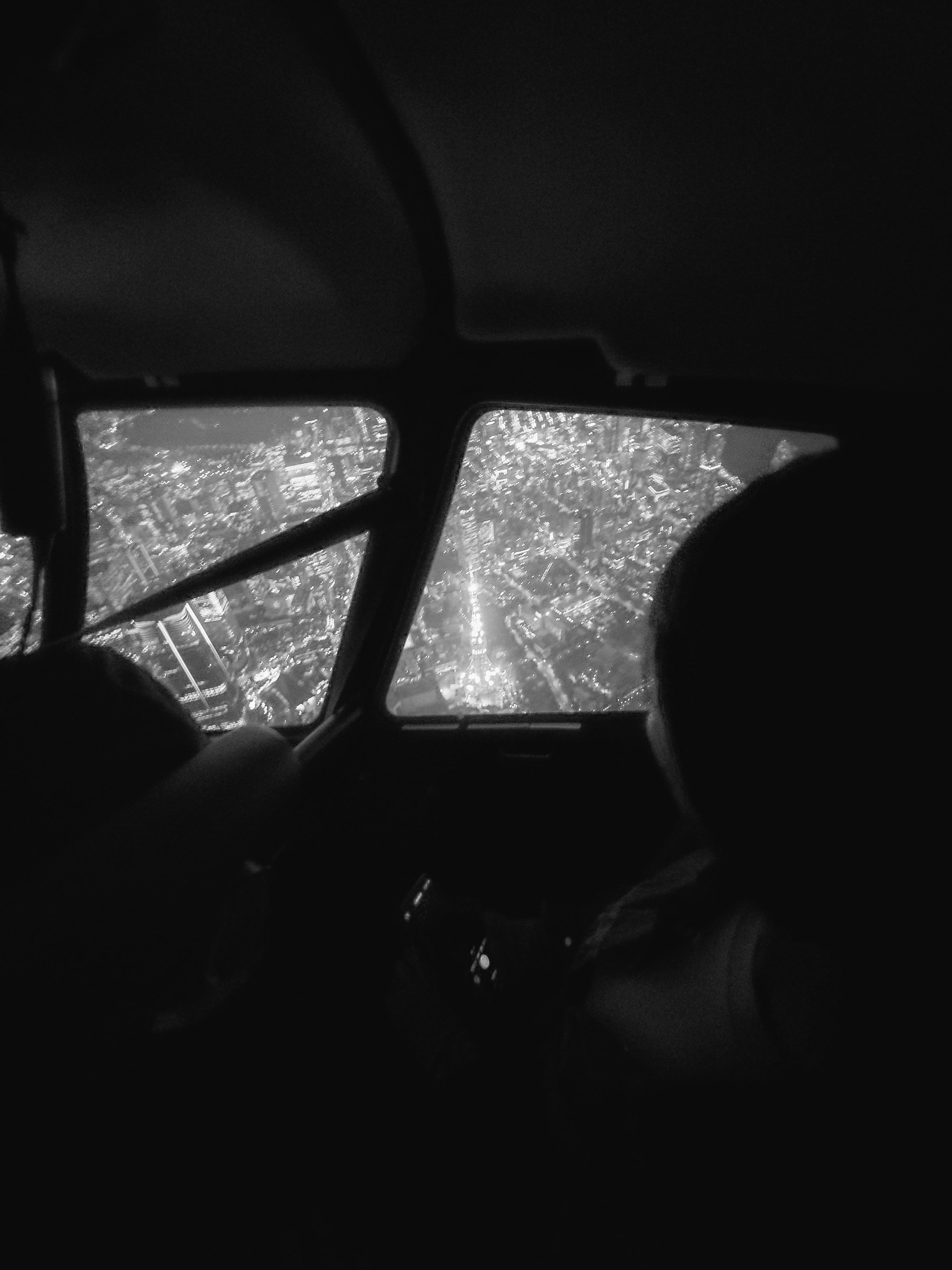
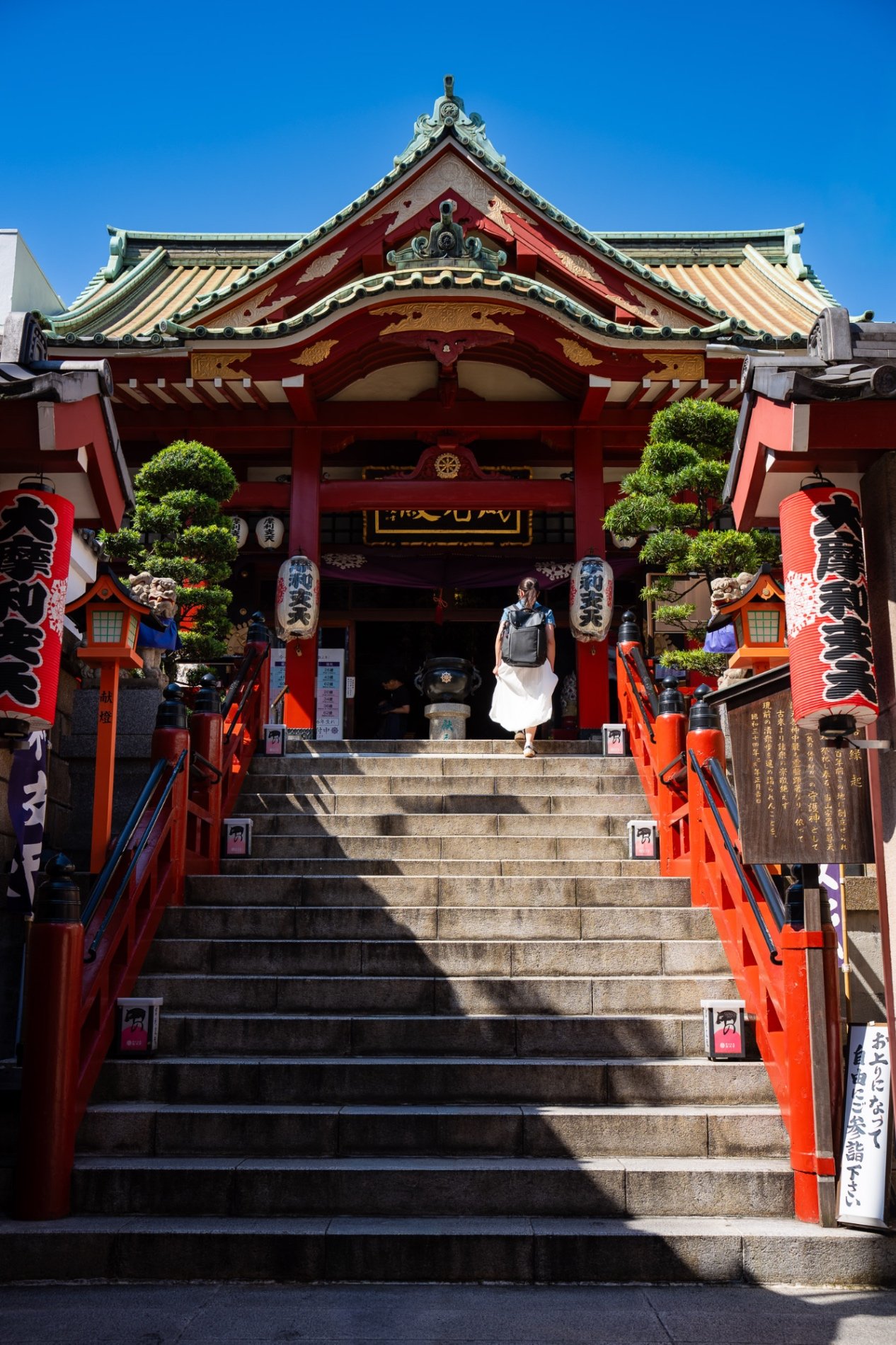
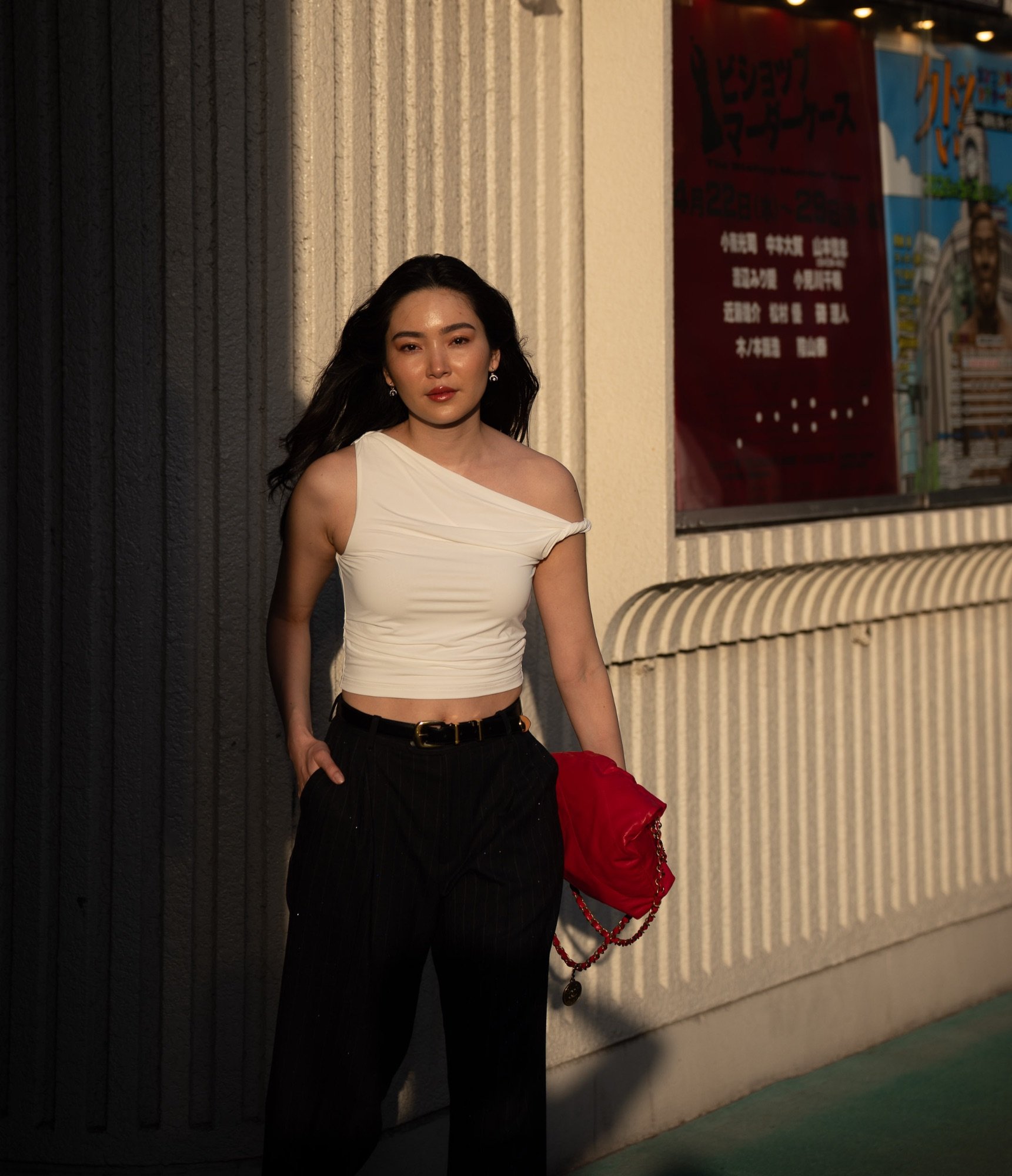
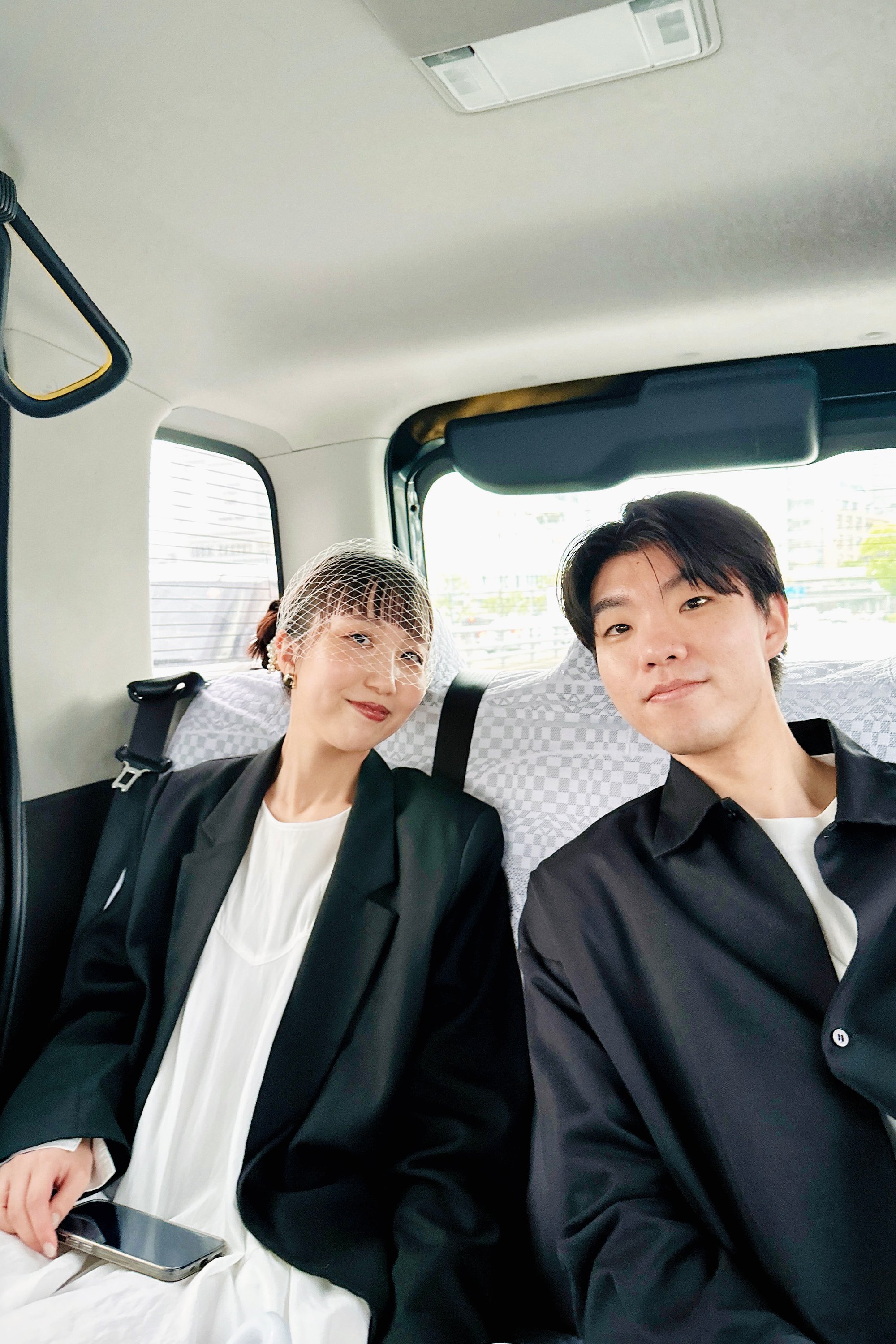
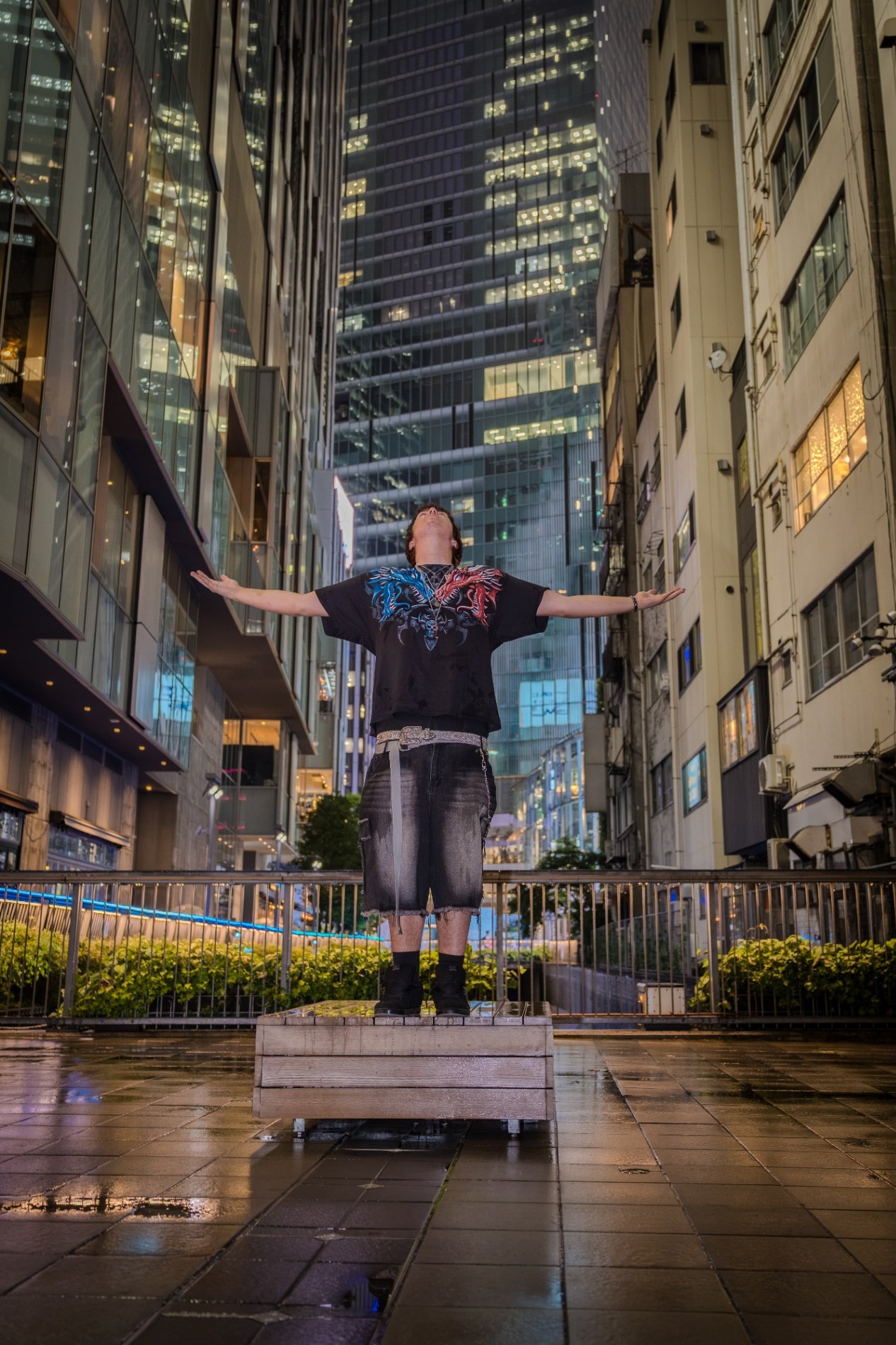
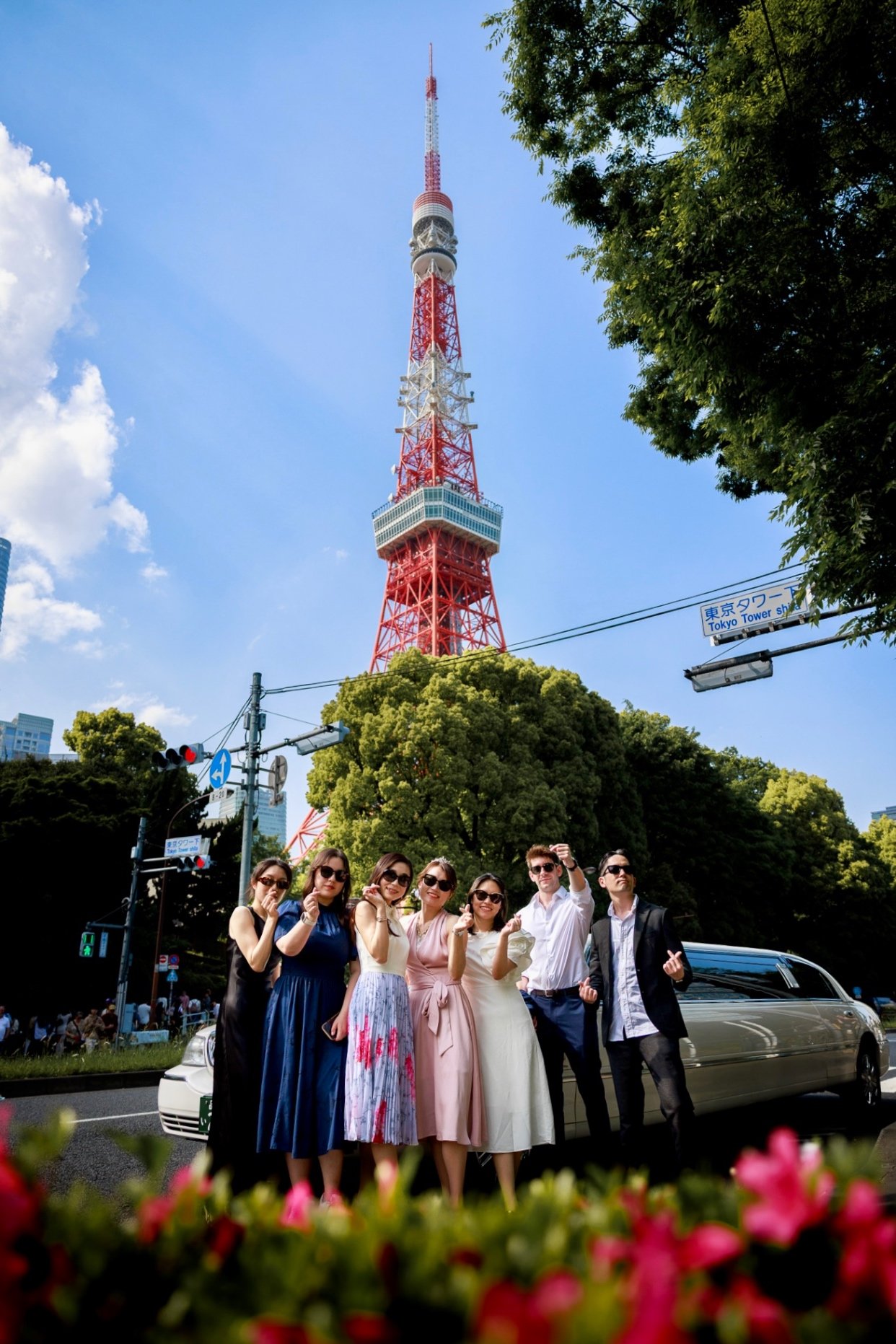
Rain: the season, and what it does to a picture
The rainy season, tsuyu, runs from around the start of June to the middle of July over most of the country and peaks in the second half of June. Hokkaido is effectively exempt from it, which is why Sapporo and the north are a real answer to a June trip. The dates shift by a week or two each year, so treat them as a window rather than a promise. Outside that season rain arrives in every month, usually as a few hours rather than a whole day.
What rain does to a photograph is mostly good. Cloud is a softbox the size of the sky: no harsh shadows, no squinting, even skin tones, colours that saturate instead of blowing out. Wet stone in Kyoto goes from grey to black and starts reflecting lanterns; wet asphalt in Tokyo doubles every sign in it. A clear vinyl umbrella, sold in every convenience store, reads as light rather than a blockage and gives two people something to stand under. The rain that actually stops a session is wind-driven, horizontal and cold, and that one you move indoors or move by an hour.
Kyoto and Osaka with the rain on
Kyoto gains the most. The Higashiyama lanes are narrow, shuttered and quiet in a shower, and the stone is at its best wet. Temple verandas give a dry frame looking out at a garden being rained on, where photography is allowed — read the signs, some halls say no. Nishiki Market is covered end to end; it is a working food market rather than a set, so ask stallholders before photographing their goods, and do not eat while walking, which the market asks specifically. Teramachi and Shinkyogoku run north from there under cover for several blocks, and the station's own concourse and long stairway are architecture in their own right, indoors and open late.
Osaka is built for this. Shinsaibashi-suji is a covered shopping street that runs straight into Dotonbori, and Tenjinbashisuji — the longest covered arcade in the country at around two and a half kilometres — is a whole session by itself with almost no daylight involved. Dotonbori's signs are better in rain than out of it, because the canal picks them up, and Hozenji Yokocho, a lantern-lit stone alley a minute from the noise, is the quiet frame most visitors walk past.
Tokyo and Hakone with the rain on
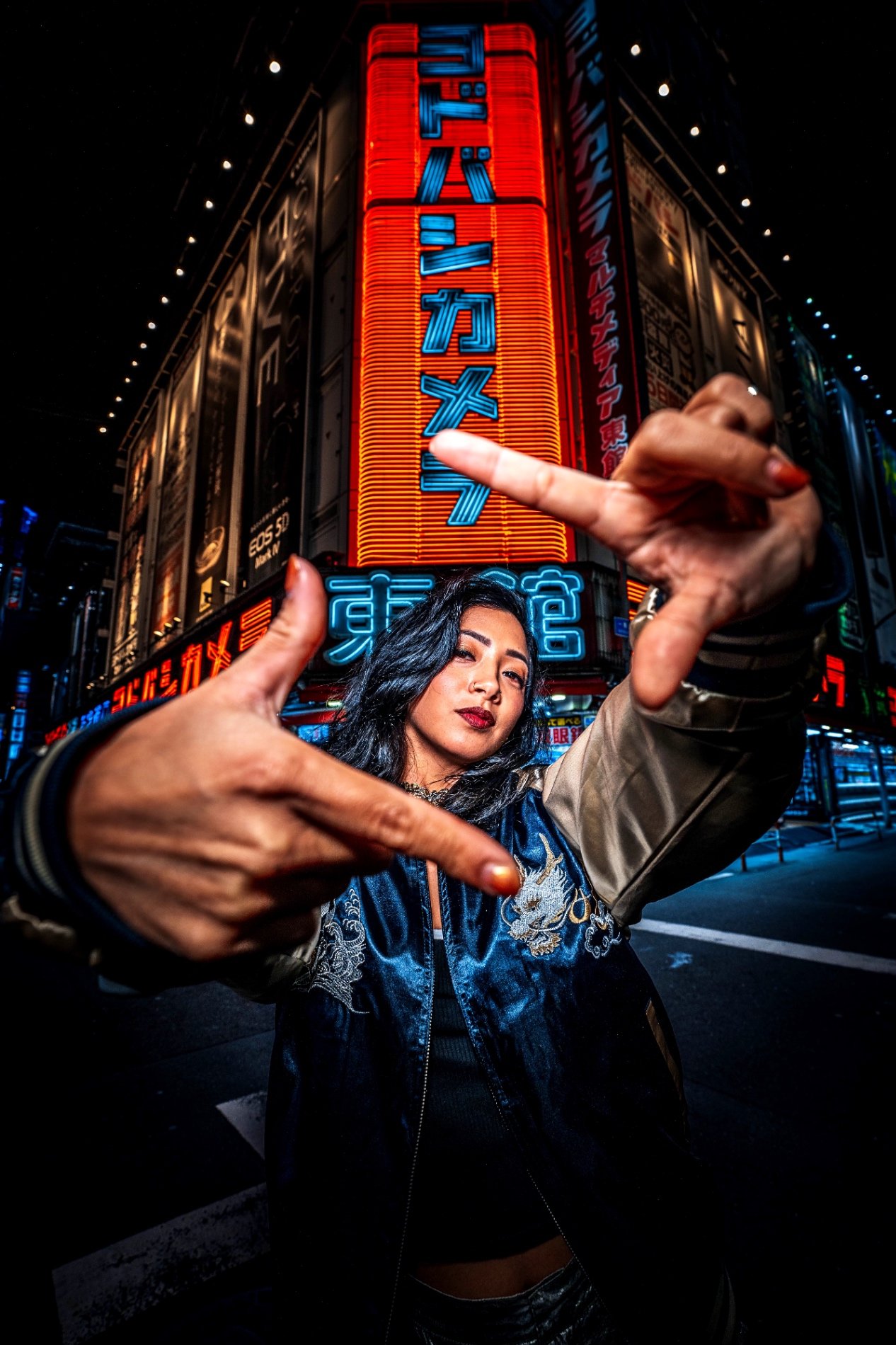
In Tokyo the fallback is architecture. Station buildings, department-store atriums, covered shopping streets and the glass canyons of Marunouchi all work in a downpour, and the neon districts at night are better wet than dry. A digital-art museum is the strongest wet-weather option in the city, with one condition: entry is by timed slot booked ahead, it sells out, and the venue's own rules on tripods and on anything that looks like a professional shoot matter far more than the forecast.
Hakone is the opposite case, because its best frames are outdoors and its transport is weather-dependent. The ropeway over Owakudani suspends for high wind and for volcanic gas warnings, sometimes at short notice, so build the day so it still works without it: the Tozan railway's switchbacks, the lake shore, the indoor museums. June turns the railway into its own attraction, with hydrangeas banked along the line for several weeks from mid-month; the operator has run a slower evening service with the flowers lit in some years, and the dates are published each spring, so check. Fuji is usually invisible in a rainy June anyway, which is a reason to plan Hakone around water and forest rather than the mountain.
Typhoons: what actually happens
Typhoon season runs July to October and peaks in August and September. The south and west take the worst of it; Tokyo usually gets an edge rather than a centre, and Hokkaido the least. A storm that matters is named, tracked for days and reported in English well ahead.
The part visitors underestimate is how Japan responds. Rail operators use what they call a planned suspension: they flag the possibility a couple of days out, publish a concrete plan — which lines, from which hour — around the middle of the day before, then stop running rather than strand trains between stations. It can close an entire Shinkansen section along with the local network. It is announced, and it is almost always a day rather than a week. The day after a typhoon clears is often the best light of the whole trip: washed air, huge clouds, visibility for miles.
So the plan is a spare day, not a cancellation. Keep the session movable rather than welded to one morning, and never put it on the day you arrive or the day you fly home. Tell the photographer early if a storm is tracking towards your date: moving a session two days is easy a week out and hard on the morning.
What clients say about this kind of shoot
Marvin is so nice ! and also knows good spots where to take photos ✨✨✨ I RECOMMEND
— Btihal on Marvin T.
Working with Deniz was such a pleasure! He knew great spots to photograph that made the photoshoot exactly how I envisioned. I would certainly recommend this to any tourist or any local to Tokyo looking to elevate their images while in Japan. He was professional, kind, & extremely friendly. He gave direction when needed and communicated effectively. 10/10!! 😊
— Rebecca R. on Deniz D.
Deniz did an exceptional job with my shoot, customized it to my liking, and made me feel comfortable throughout the whole process. Highly recommend him for indoor/outdoor shoots around Tokyo!
— Molly C. on Deniz D.
A lovely experience. Marvin knew all the good spots and led the way. No thinking necessary on my part, which I loved. A pleasure to work with.
— Siobhan on Marvin T.
Marvin is FANTASTIC! He captured amazing photos of us and they were exactly what we were wanting from the session. Marvin knows all the best spots and ensures you have the best experience. Highly recommend Marvin’s photography services.
— Sara on Marvin T.
We had such a great photography experience with OKINI PHOTO TOUR! If you’re looking for an Osaka photographer, especially for a couple photoshoot in Osaka, I would definitely recommend them. The photographer made us feel comfortable from the beginning and guided us naturally with poses, so even if you’re not used to being in front of a camera, the experience is very relaxed and fun. What I really liked was that this wasn’t just a typical photoshoot. We walked around Osaka and enjoyed the city while taking photos, so it felt like both a photo tour and a local Osaka experience. The photos around Dotonbori and Osaka’s neon streets were especially beautiful. The photographer knew where to shoot, how to use the city lights, and how to capture natural moments between us. For couples traveling in Japan, honeymooners, or anyone searching for couple photography in Osaka, an Osaka travel photographer, or a Dotonbori photoshoot, OKINI PHOTO TOUR is a great choice. A wonderful way to keep memories from our trip to Osaka. Highly recommended!
— 伊藤尚也 on Soh
The three windows where a dawn start is the only option
Golden Week, from the end of April into the first week of May, is the single busiest domestic travel period of the year outside New Year. Obon in the middle of August is the second, and the New Year days around 1 January are the third — many small businesses close then and the shrines are at their fullest. On the busiest routes the fastest Shinkansen services have been run as fully reserved during these periods, with no unreserved cars at all, so check the arrangement for your dates rather than assuming you can turn up and stand.
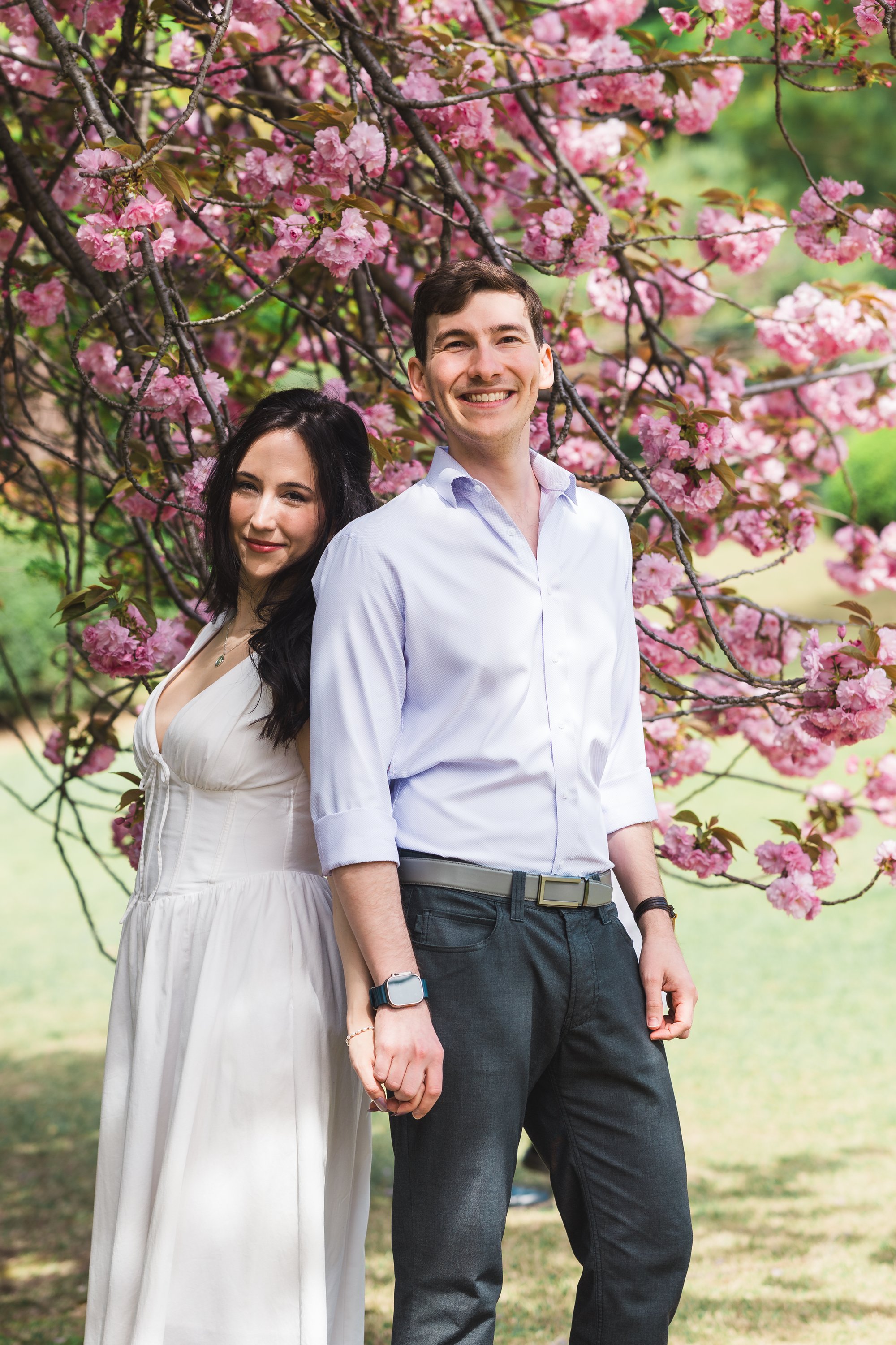
For photographs this matters in one way: in those weeks the difference between six and ten in the morning is the difference between a place and a queue. Blossom week everywhere and autumn colour weekends in Kyoto behave the same way on a smaller scale. If your trip lands in one of these windows, book at first light and treat that as non-negotiable rather than as the photographer being difficult.
Trains, IC cards, and why a photographer is booked to a place
Everything local runs on an IC card — Suica, Pasmo, ICOCA and their siblings, which work across the country for trains, buses, lockers and vending machines. Cards were hard to buy for a stretch after 2023 and general sales resumed in 2025, alongside a tourist version sold at the airports; availability has moved around, so check before relying on it. A phone can carry one instead.
Between regions the Shinkansen is the spine: Tokyo to Kyoto is a little over two hours, Tokyo to Osaka a bit more. Rail passes exist in national and regional forms, their terms change, and the fastest services are not always included — work out whether one earns its keep on your route rather than buying one on principle. Nothing in a session should assume a hire car.
One practical consequence: a photographer is booked to a place and a time, not to your train. If the line is suspended or you are running late, the message you send at the moment you find out is worth more than any apology afterwards. Most photographers will move a start time by an hour if they know an hour ahead.
Heat, haze and the other failure mode
July and August are hot and humid at a level that surprises people, and hazy with it — the reason Fuji disappears for weeks at a time in summer. A midday session in August is a bad idea for adults and a worse one with children or grandparents along. Shift to first light, keep it to sixty minutes, carry water. November to February is the mirror image: the clearest air of the year, the best Fuji mornings, early blue hour, and cold that shortens a session more honestly than heat does.
Planning a Japanese photoshoot that survives the weather
Book the hour, not the day. Dawn and the last hour of light are more reliable and better-looking than anything in between, and an early start is also the answer to crowds, heat and holiday weeks. Then give the session somewhere to go: a covered street, a station, an arcade or a temple veranda within a few minutes of the main location, agreed in advance so nobody improvises in the rain.
Sixty minutes covers one area properly, including a move indoors. Two hours covers two areas with a train hop, which is also enough to let a shower pass. If the trip is short and the weather unsettled, put the session in the middle of it rather than at either end, so there is somewhere to move it to.
Ask your photographer two questions when you book: what happens if it rains, and what happens if the trains stop. Both have good answers, and both are easier settled in writing beforehand than by message at six in the morning. Read the destination page for Tokyo, see what a family photoshoot usually covers, and browse photographers online.
Want professional photos in Tokyo?
Browse portfolios, compare packages, and book a verified local photographer in minutes.