Photo Etiquette in Japan: what you may photograph at shrines, temples and in Gion
Most of what goes wrong with a camera in Japan is not a rule anyone hid from you. It is the difference between ground that is public and ground that belongs to somebody — a shrine, a temple, a tea house, a family, a bar with six seats in it. Japan is generous on the first kind of ground and firm on the second, and the line between them is often a strip of gravel, or a lane two metres wide with a sign at the end of it. Learn to see that line and almost nothing else about photographing here is difficult.
What follows is the stable part: the shrine and temple conventions, the tripod default, what a site means by commercial, and the Gion closures. Anything narrower — which hall allows cameras this year, which site has introduced a permit — you check on the day. The sign in front of you outranks anything written a year earlier, including this page.
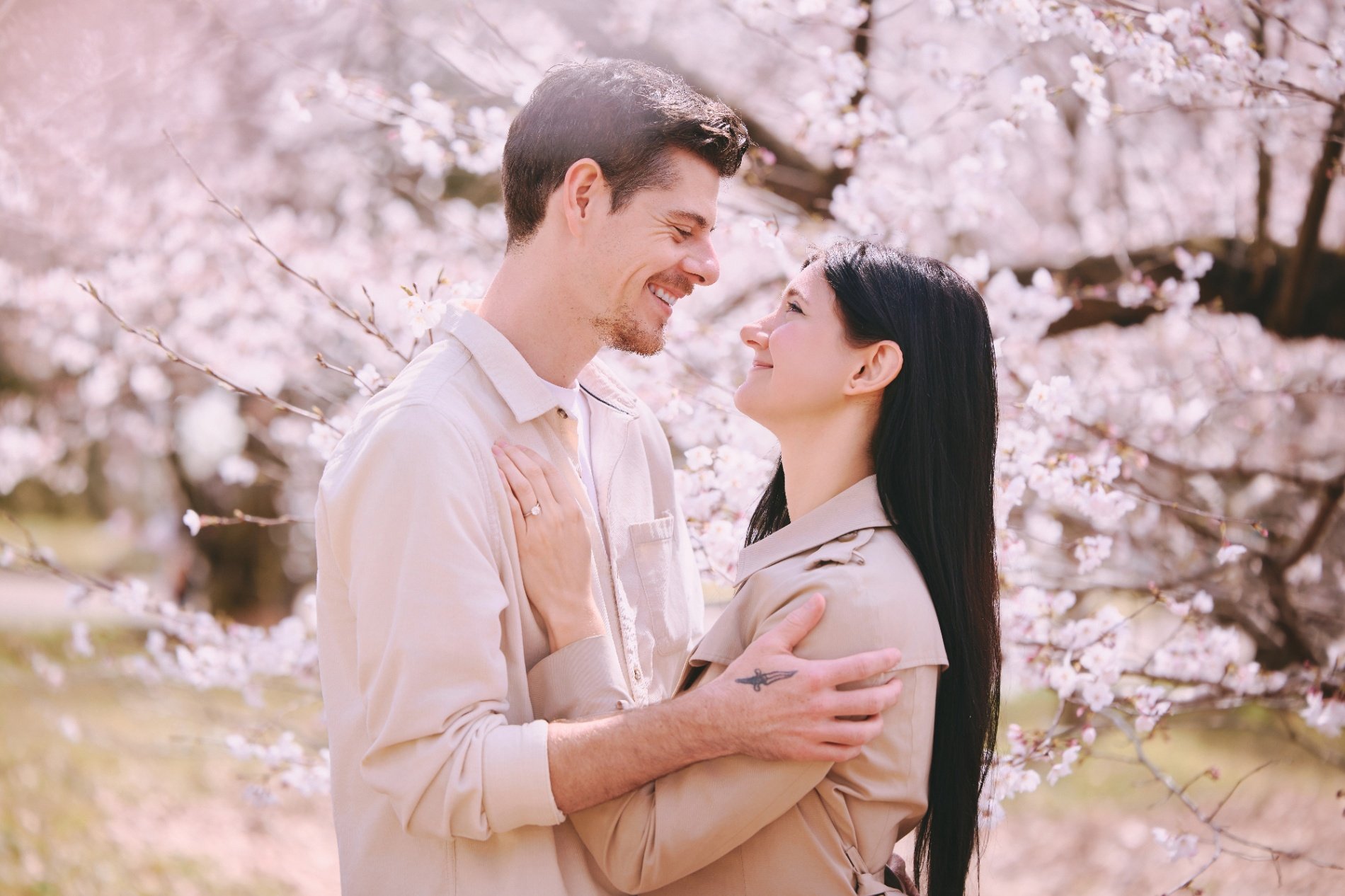
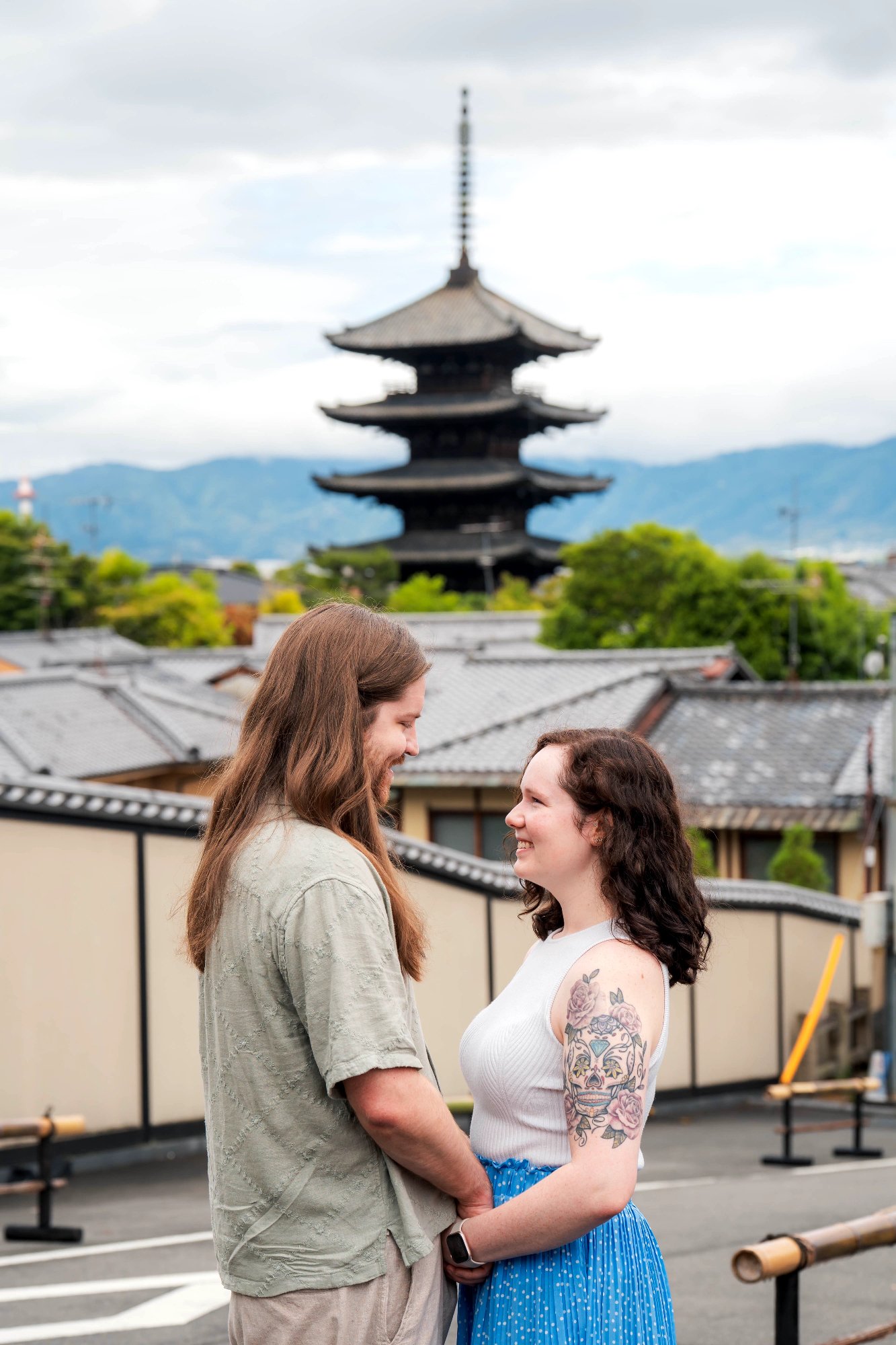
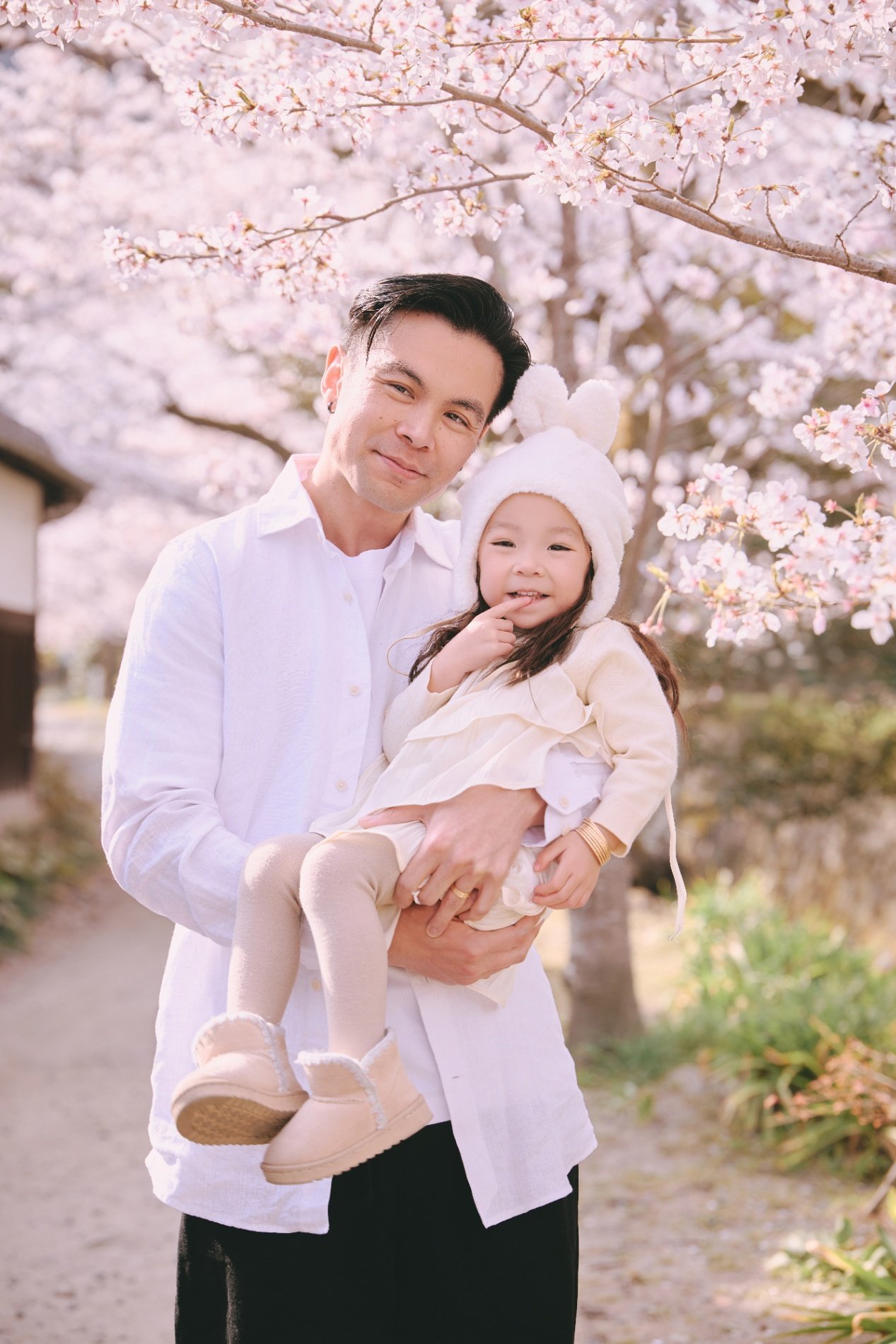
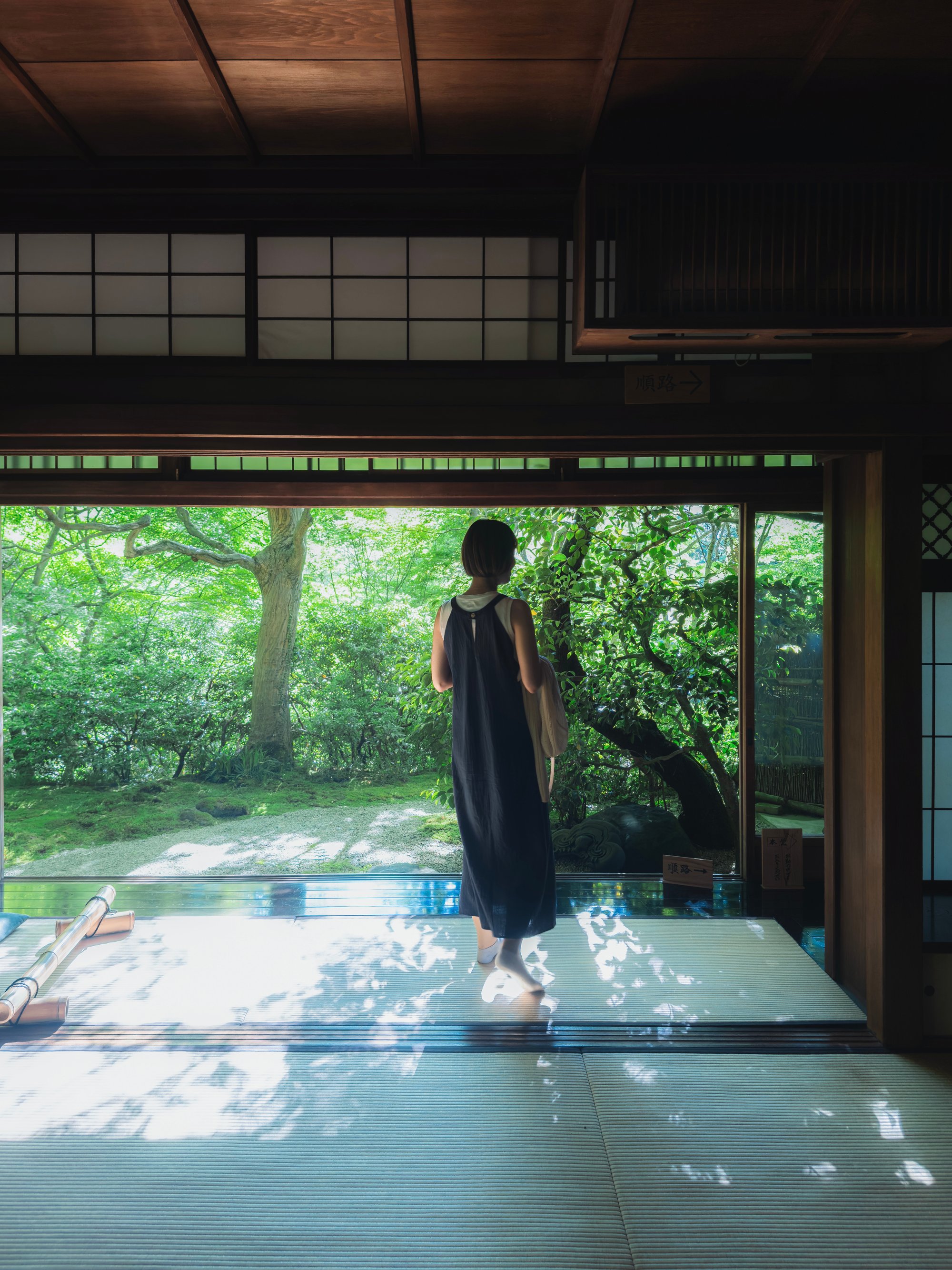
Real shots from Kyoto
Shrines: the gate, the path and the water
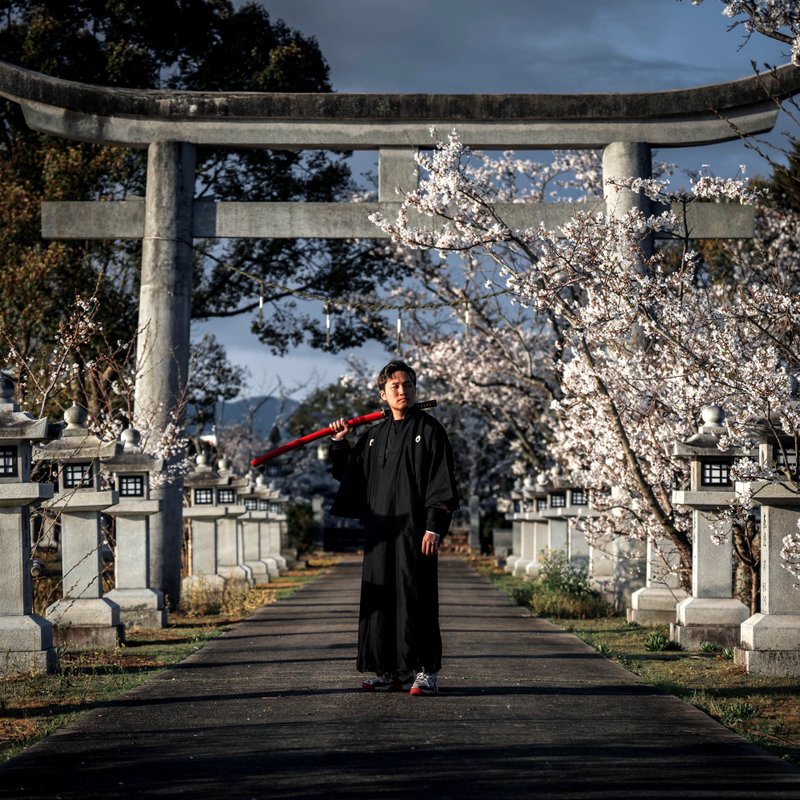
A torii marks the point where you cross from outside to inside. The convention is to pause there, bow once, then walk up the side of the path rather than down the middle, because the middle belongs to the deity. At the temizuya, the water basin near the entrance, you rinse your hands before going further. None of it is enforced by anybody; it is the equivalent of not talking during a service, and visitors who get it right are noticed.
For the camera the practical version is short. The approach, the gates and the grounds are almost always fine. The inner sanctuary is not. Do not photograph over the shoulder of somebody praying at the offering box, keep flash off anywhere near worship, do not climb on a torii, a lantern or a stone fox, and do not build a posed frame across the path people use to reach the hall. A shrine is not a museum with an admission desk; it is a working place full of people who came for something other than a photograph.
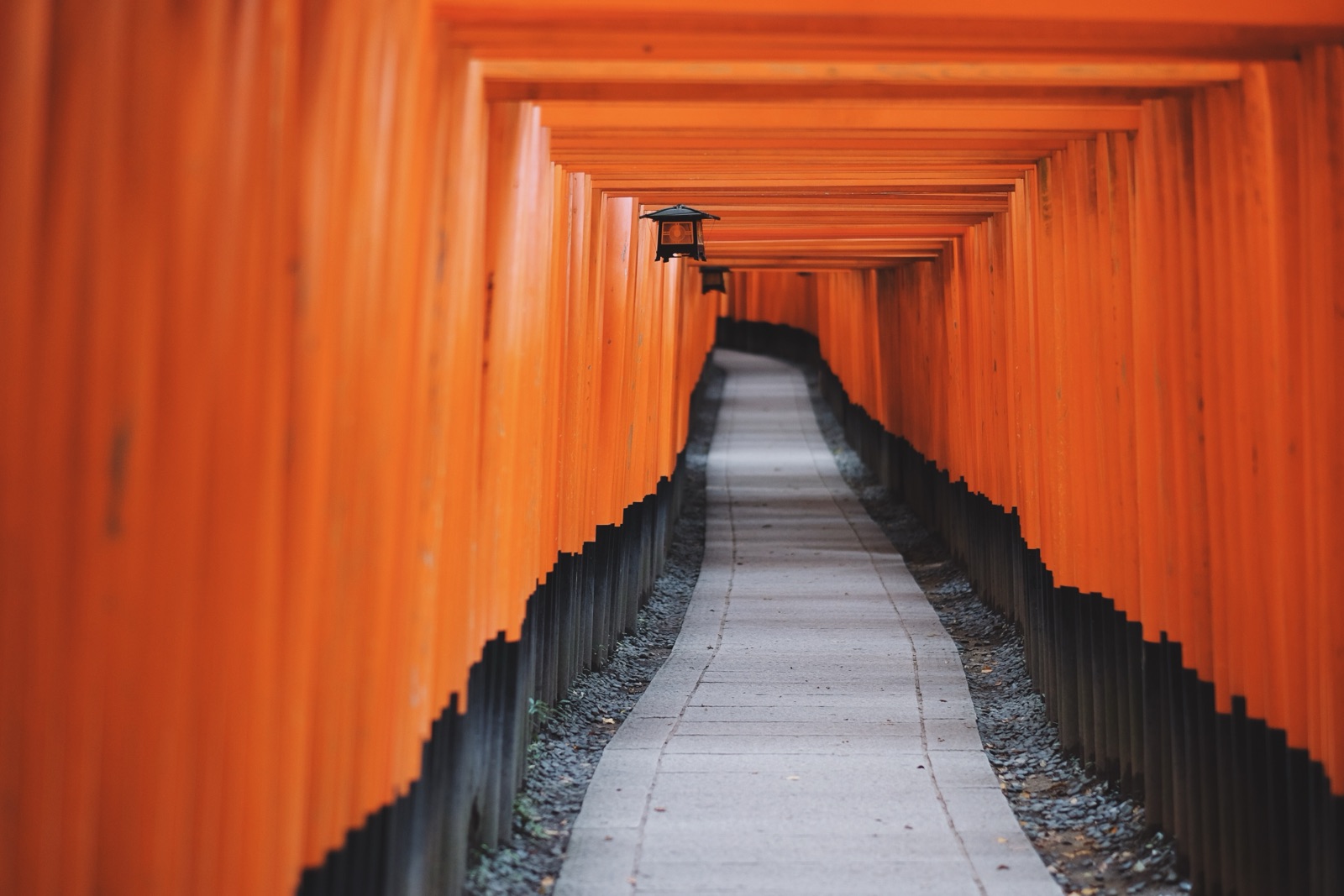
Fushimi Inari in Kyoto is the extreme case: its tunnel of torii is both the most photographed object in the country and a pilgrimage route people walk before dawn, and every gate is a donation with a donor's name on it. The path is free and open, the first stretch is solid with visitors from mid-morning, and the sensible hour is the one before sunrise. Stay out of the walking lane, and stage nothing at the small altars up the hill, which are in constant use.
On Miyajima the great torii stands in the sea, so the picture depends on the tide — published, and worth checking for your date. The deer there and in Nara are wild animals with no fear of people: they take paper out of hands and bags, and a stag in autumn is not a prop.
Temples: main halls, statues and tripods
The pattern at a temple is the same shape, and the specifics vary more. Grounds, gates, pagodas and approaches are generally open to a camera. Inside the main hall usually is not, and where it is not there is a sign, often a symbol rather than a sentence in English. Statues are the sharp end of it: many halls allow no photography of the image at all, some allow it without flash, a few allow it freely. If there is no sign, ask at the desk rather than assume.
Tripods are refused at most temples and allowed at a few, occasionally on registration or for a fee. Assume no. A tripod plants a person in a crowd flow and turns a public path into a private studio, which is why monopods and selfie sticks appear on the same lists. The incense burner in front of a hall is in use, too; standing in front of it to get the smoke in frame is standing in somebody's way.
At Nikko, Tosho-gu's carved gates are outdoors and open to a camera, while several of the halls you step inside are signed no-photography at the door. Todai-ji in Nara is the opposite case and normally lets you photograph the Great Buddha. That contrast is why the rule is read the sign at this door, not temples say no.
What "commercial" means, and who decides it
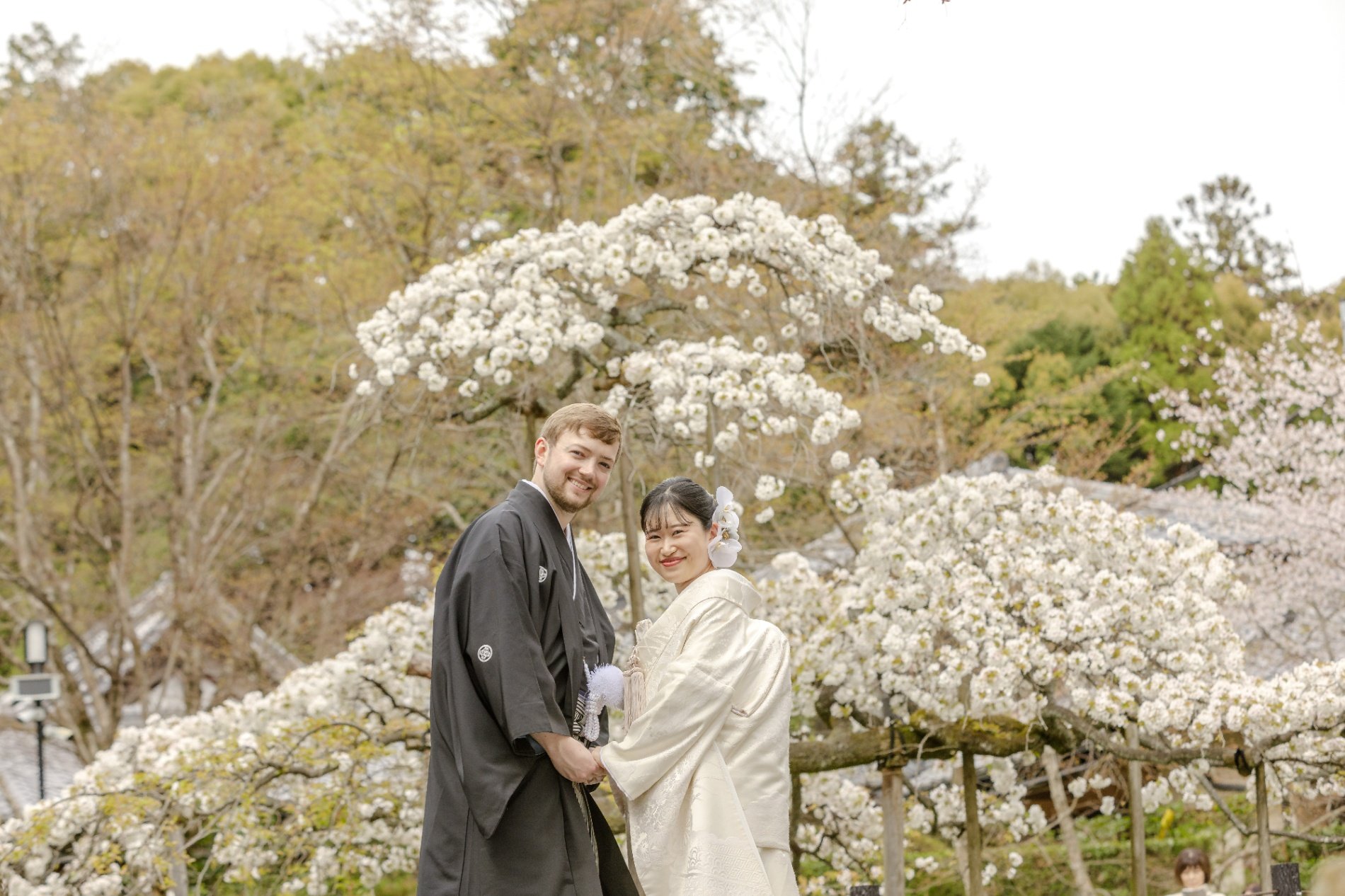
This is the part that catches booked sessions rather than tourists. A traveller with a phone is a visitor. A couple in rented kimono standing where they are told, with somebody working a camera on them, reads as a shoot — and many sites treat a shoot as commercial use of their ground whether or not money changes hands there. Kiyomizu-dera in Kyoto publishes the clearest version: photography and filming for commercial purposes, including images that use the temple's buildings as a background, needs permission, and drones, tripods, monopods, wedding shoots, model shoots and cosplay shoots are all named as restricted. Other sites say less and mean the same.
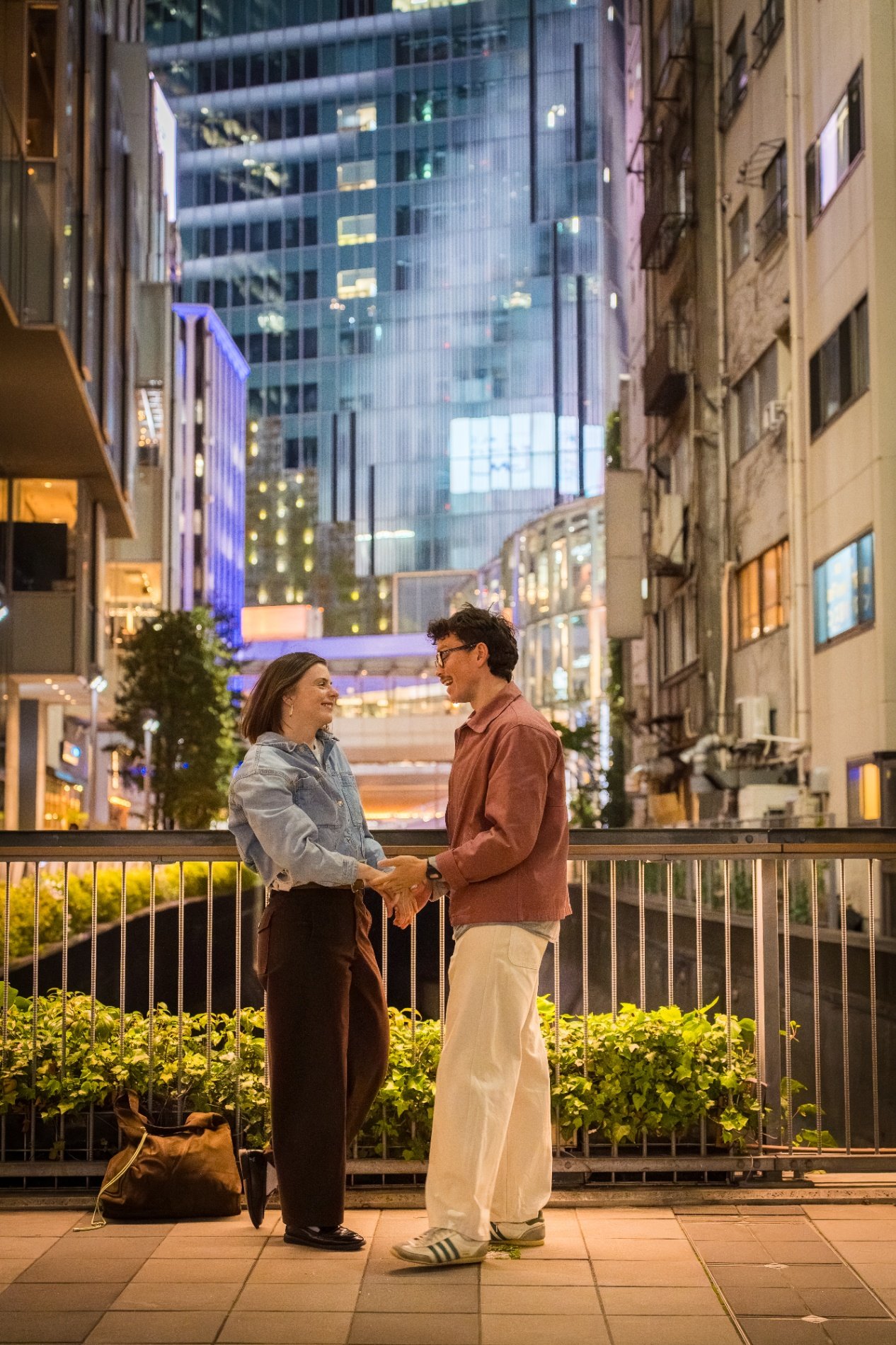
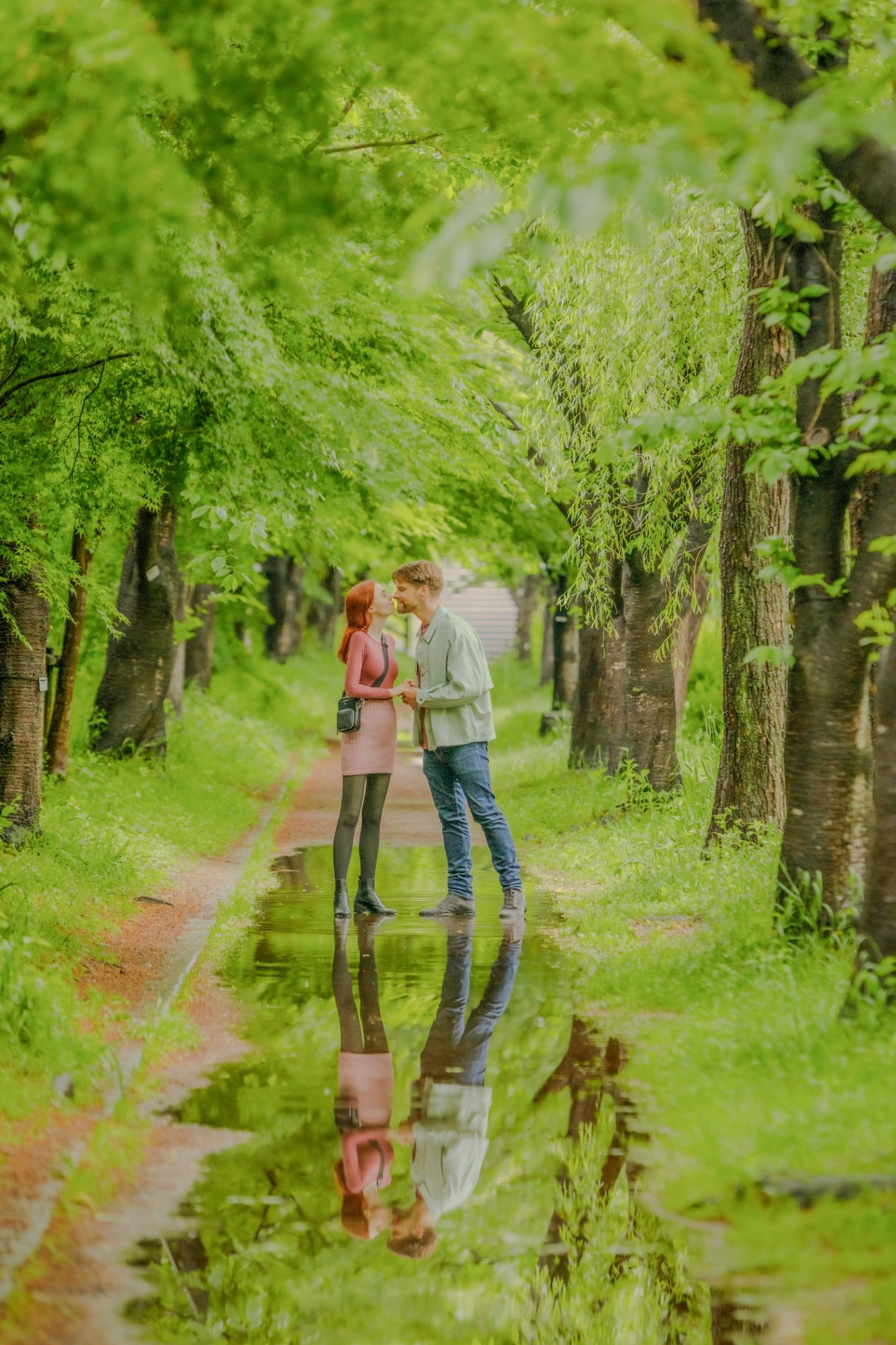
What follows is simple. If the session you want is inside a named precinct, somebody has to ask that site in advance, in Japanese, and the answer may be yes, yes with conditions, yes with a fee, or no. It is the site's call — not the photographer's, not yours. Being stopped halfway through is the worst outcome for everybody, and it is why so many Japanese sessions are built on the streets, approaches and parks around a famous place rather than inside its walls. For photographs of two people that is usually the better ground anyway.
What clients say about this kind of shoot
We had such a great photography experience with OKINI PHOTO TOUR! If you’re looking for an Osaka photographer, especially for a couple photoshoot in Osaka, I would definitely recommend them. The photographer made us feel comfortable from the beginning and guided us naturally with poses, so even if you’re not used to being in front of a camera, the experience is very relaxed and fun. What I really liked was that this wasn’t just a typical photoshoot. We walked around Osaka and enjoyed the city while taking photos, so it felt like both a photo tour and a local Osaka experience. The photos around Dotonbori and Osaka’s neon streets were especially beautiful. The photographer knew where to shoot, how to use the city lights, and how to capture natural moments between us. For couples traveling in Japan, honeymooners, or anyone searching for couple photography in Osaka, an Osaka travel photographer, or a Dotonbori photoshoot, OKINI PHOTO TOUR is a great choice. A wonderful way to keep memories from our trip to Osaka. Highly recommended!
— 伊藤尚也 on Soh
I had a truly unforgettable kimono photo shoot experience in Kyoto with Sanbao. He was warm, professional, and attentive to every detail. Since it was a busy weekend, he carefully selected a quieter temple location that was both peaceful and incredibly photogenic , a perfect setting away from the crowds. I’m not particularly familiar with wearing a kimono, so I wasn’t sure how to pose in a way that would look natural and elegant. But Sanbao is clearly very experienced . he thoughtfully designed the entire shoot based on the background, the setting, my kimono, and even my personality. He gave clear, gentle guidance and helped me feel comfortable and graceful throughout the session. Even the raw photos I received the same night were stunning. Each photo felt artistic, well-composed, and beautifully balanced (capturing not just how I looked, but how I felt in that moment. )It was truly a personalized, artistic experience that I’ll treasure forever. Highly recommend Sanbao to anyone.
— Xia on Sanbao Z.
We had a fantastic private photo session with SanBao. He’s highly professional, knows the area well, and was punctual. He kept great conversation throughout, which made us feel comfortable and relaxed. He also recommended a kimono rental and helped make the reservation, ensuring the whole process was smooth and well-planned. Most importantly, we absolutely love the photos he took of me and my family. You can tell he truly loves what he does—his expertise with lighting is amazing, and he has a real talent for capturing special moments. We couldn’t be happier with the results and highly recommend booking with SanBao!
— Molly on Sanbao Z.
Soh was the best! He knew all the hidden gems in Tokyo and we had the best shoot with him! Super professional, on time and gave great creative direction!
— Cathy D. on Soh
Soh was INCREDIBLE! The shots he got for us were so awesome, he knew so many amazing off the beaten path spots for pictures. 10/10 if you want awesome photoshoots come here!!
— Yeremi H. on Soh
I had such a great photoshoot experience with Okini! 📸✨ It was honestly so much fun, and the photos turned out absolutely beautiful. The Tokyo Tower spots were perfect, and our 2-hour photoshoot gave us so many amazing shots. Everything felt fun, relaxed, and worth it from start to finish. Definitely such a memorable experience and one I’d recommend if you want beautiful photos in Tokyo! 🗼💕
— Maria D. on Soh
Gion: which lane is public and which is not
Gion is the one place where the rules are formal, posted and recent. Signs went up in 2019 banning photography on the area's private streets, and from spring 2024 the local district council closed the private alleys off Hanamikoji to visitors altogether: no entry, no tours, no photography, with no-entry signs at the lane mouths and a posted fine for walking in anyway. Those lanes are somebody's front door and somebody's workplace.
What stays open is most of what you came for. Hanamikoji itself is a public street, the Shirakawa canal with its willows and the Tatsumi bridge is public, and Pontocho across the river is not affected by the Gion measure. Those three carry a whole evening between them, and all three are better at dusk, when the lanterns come on and the machiya fronts stop reading as a wall of dark wood.
Geiko and maiko are people travelling to work, usually late in the afternoon and usually in a hurry. Do not follow them, do not block a doorway, do not put a lens in a face, do not touch anybody. Consent is the whole rule and it is rarely given on the street. Most of the figures in full makeup you see in daylight around Higashiyama are visitors who have booked a makeover, which is a fine thing to do and still not a reason to crowd somebody.
Strangers, shops and six-seat bars
Away from religious sites the rule is one sentence: ask. A person's likeness is taken seriously here. Ask parents before photographing children, and ask before photographing a shopkeeper or a counter — Kyoto's Nishiki Market has plenty of stalls that would rather you did not photograph the goods.
Tokyo's drinking alleys are where visitors most often get this wrong. The lanes of Golden Gai in Shinjuku are private roads and the district's own association has banned photography in them without consent, so treat it as somewhere to have a drink rather than somewhere to shoot. Omoide Yokocho beside Shinjuku station is looser, but the counters are two metres wide and the people at them are eating: ask, and take no for an answer. On trains and platforms, keep flash off, keep doorways clear, and do not set up a tripod — station staff will stop you and they are right to.
Drones, briefly
Assume no. Japan requires registration and remote identification above a low weight threshold, restricts flying to daylight and to within visual line of sight, and bans flights over densely inhabited districts without a permit applied for in advance — and those districts cover essentially all of central Tokyo, Kyoto and Osaka. Shrines, temples, parks and municipalities post bans of their own on top. A drone is not part of a holiday session in a Japanese city.
Planning a photoshoot that stays on the right side of the line
Decide the ground before the date. A session on public streets, approaches, riversides and parks needs nobody's permission and can start at first light, which is also when those places look their best. A session inside a named precinct needs that site asked in advance, and the answer should come back before anything else is booked. Japan tightened its visitor rules in 2019 and again in 2024, so check the current position rather than a year-old account of it.
Sixty minutes covers one district done properly — the Higashiyama lanes at dawn, or Gion at dusk from Hanamikoji to the Shirakawa canal. Two hours lets you add a second area or a change of clothes. Kimono makes everything slower: dressing takes time, and stairs and gravel are real.
A photographer who works a city every week knows which gate opens first, which lane has a new sign on it this month and which desk to ask. Read the destination page for Kyoto, see what a couples photoshoot usually covers, and browse photographers online.
Want professional photos in Kyoto?
Browse portfolios, compare packages, and book a verified local photographer in minutes.