Cherry Blossom Photoshoot in Japan: when the sakura actually opens, city by city
The most searched question about Japan has an uncomfortable answer: nobody knows when the cherry will open until a few weeks beforehand. Full bloom lasts roughly a week in any one city, the date moves by up to a fortnight from one year to the next, and a trip booked to the long-term average will miss it about as often as it hits. That is not a reason to give up on the idea — it is a reason to plan it differently. Book a window rather than a day, keep the mornings free, and settle the session with the photographer once the trees in that city have declared themselves.
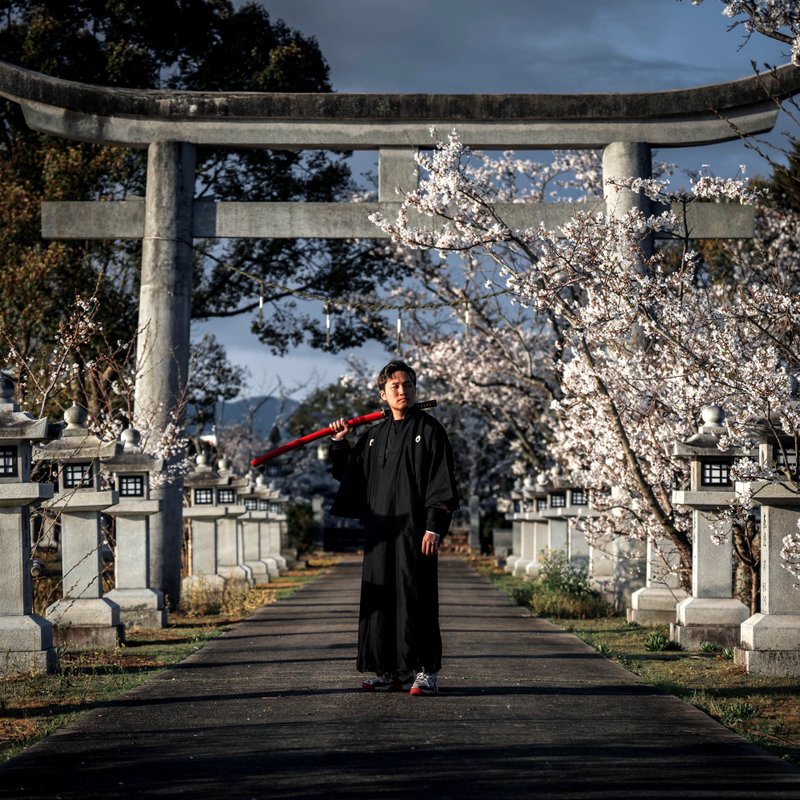
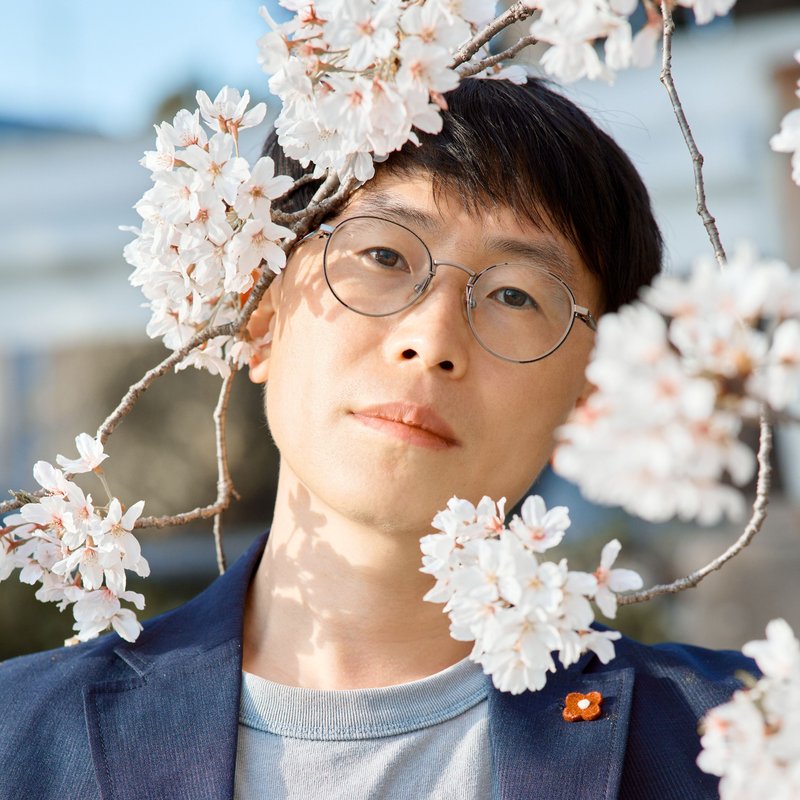
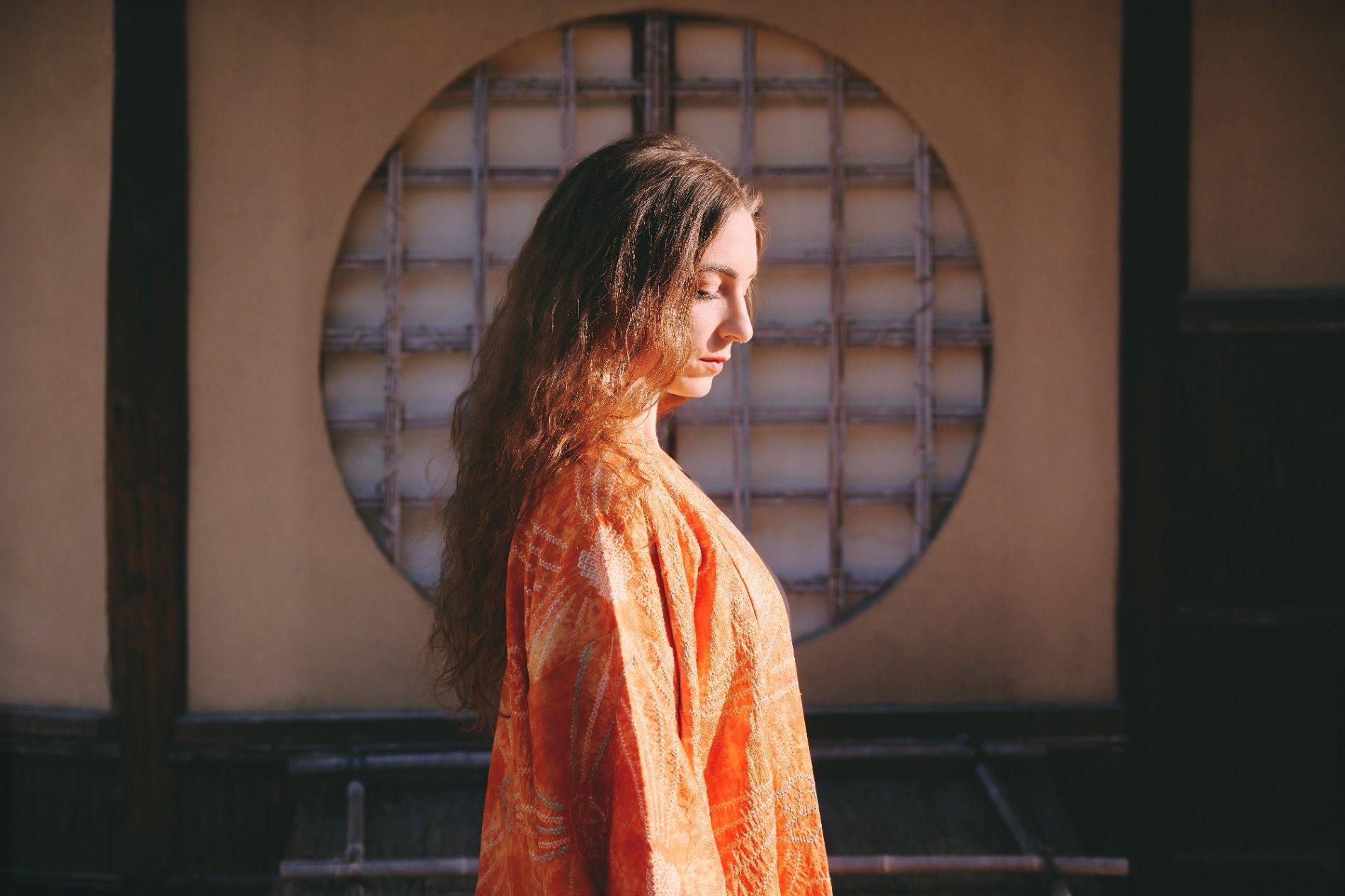
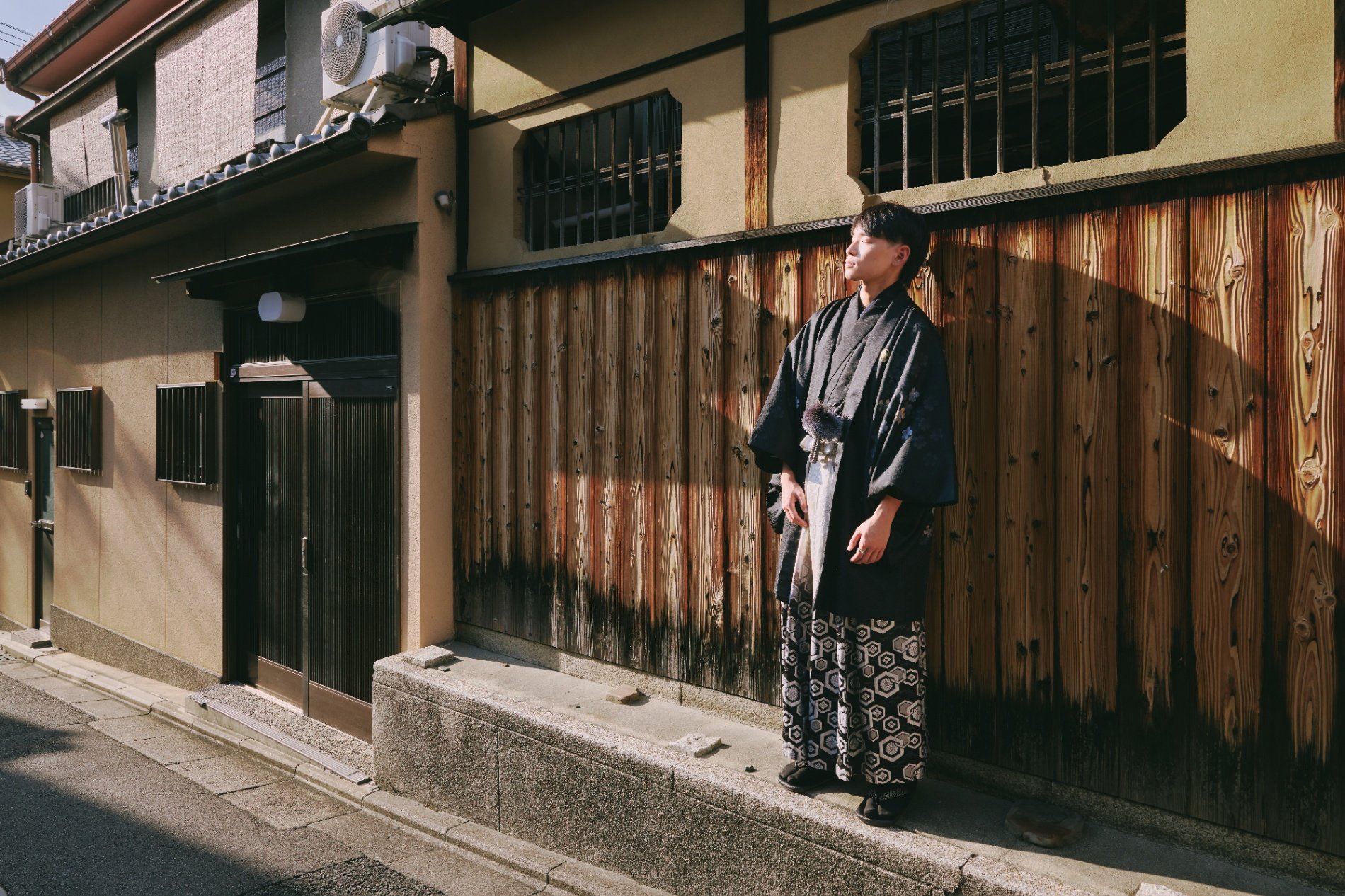
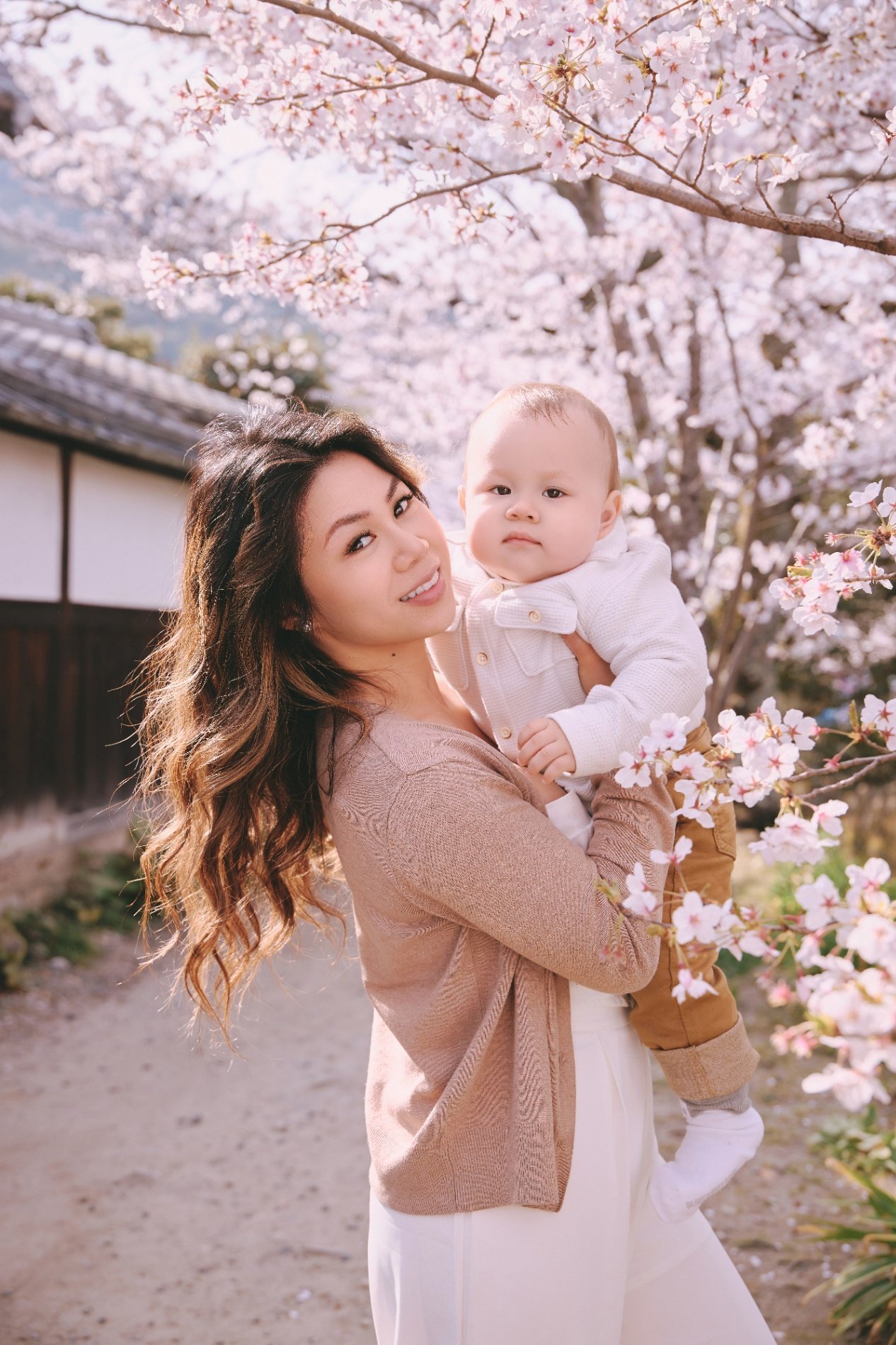
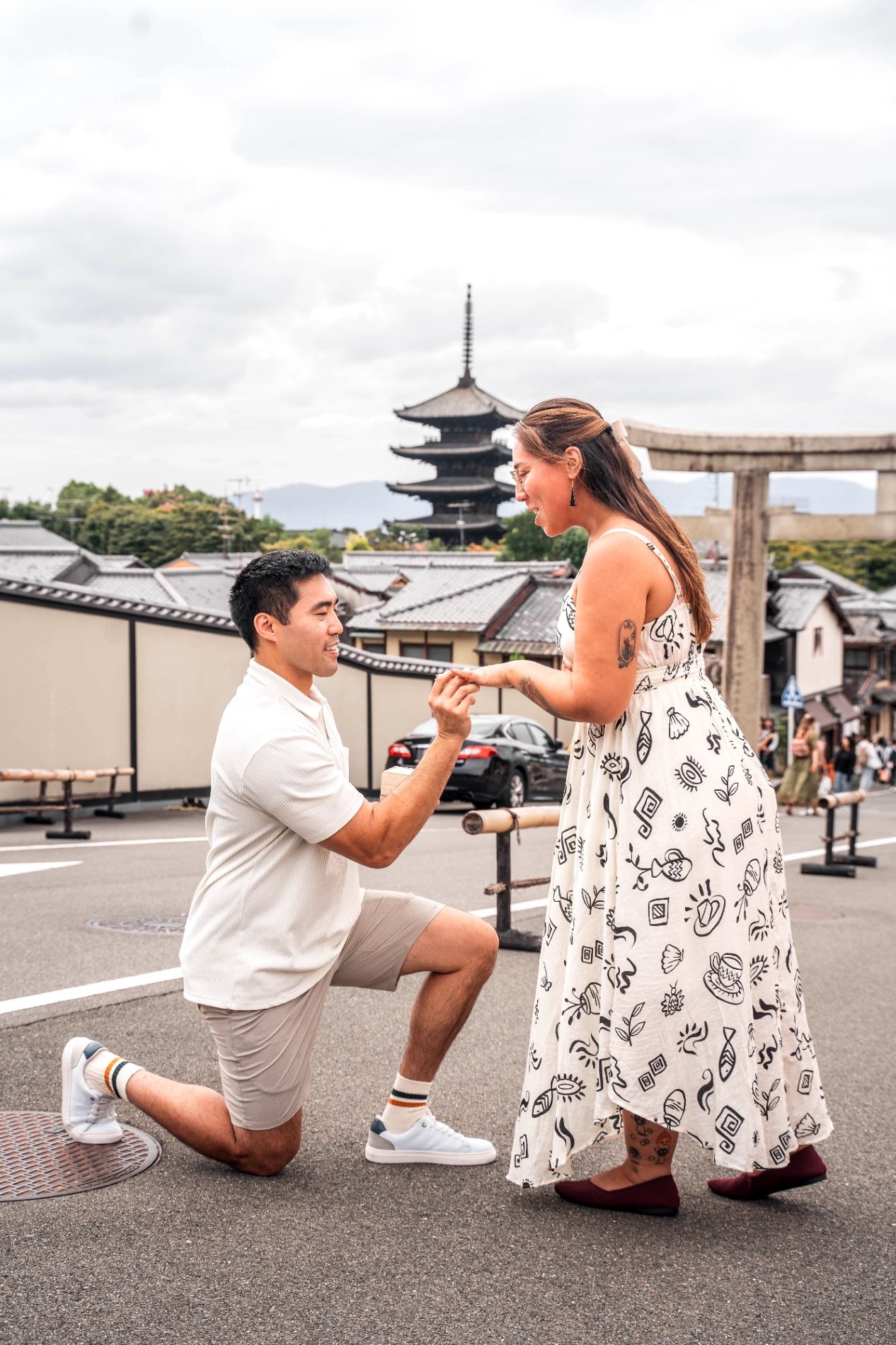
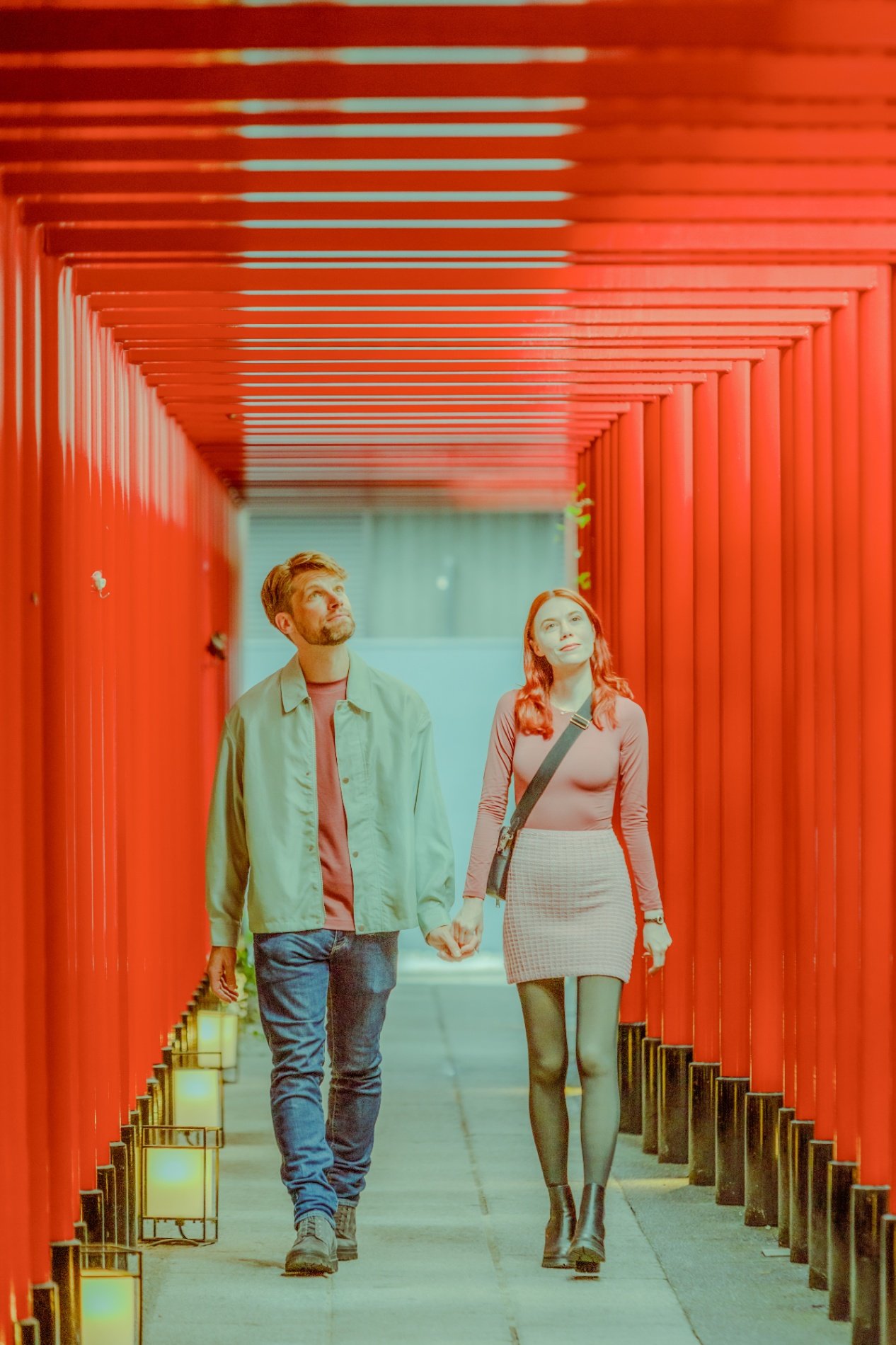
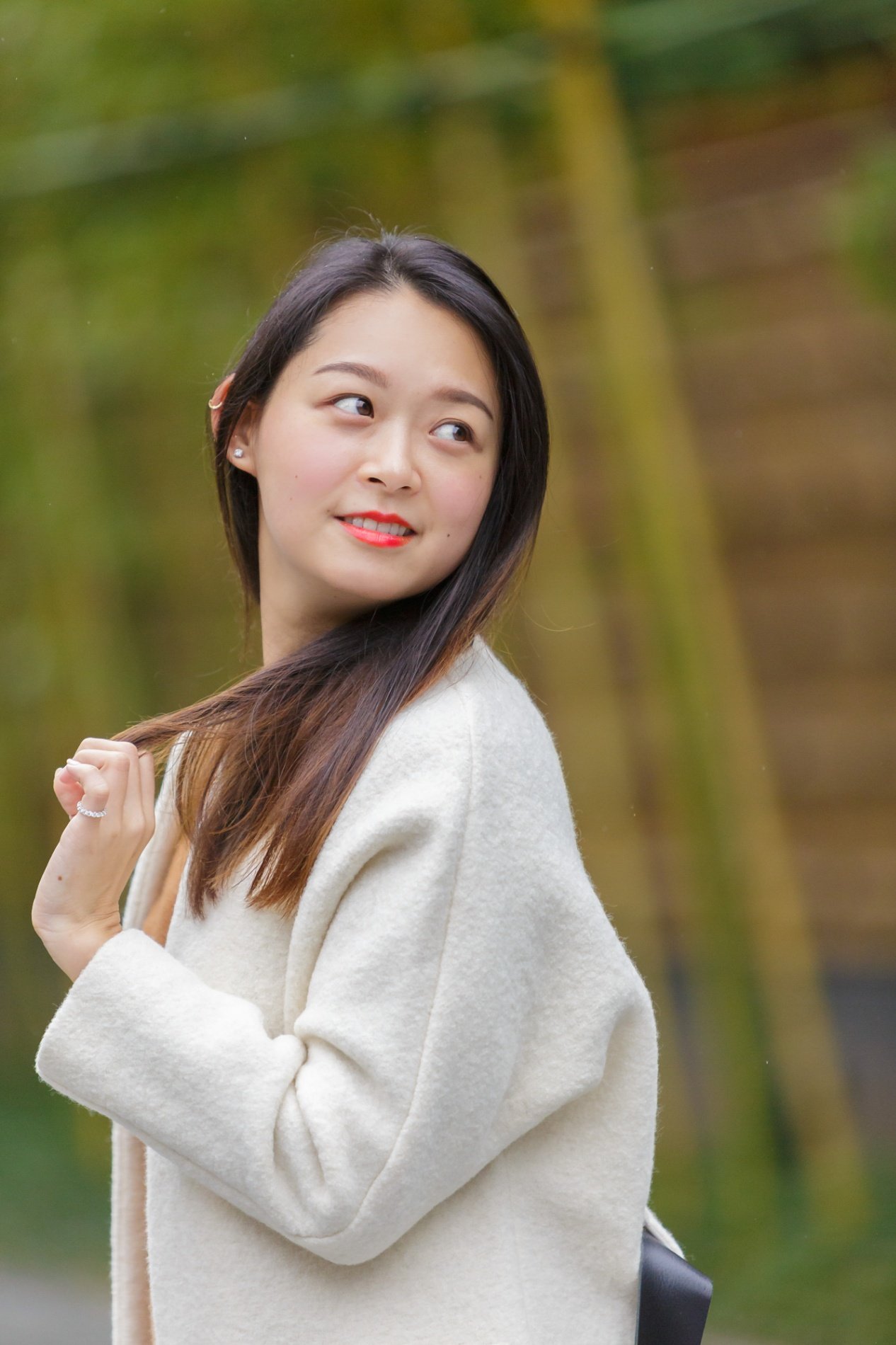
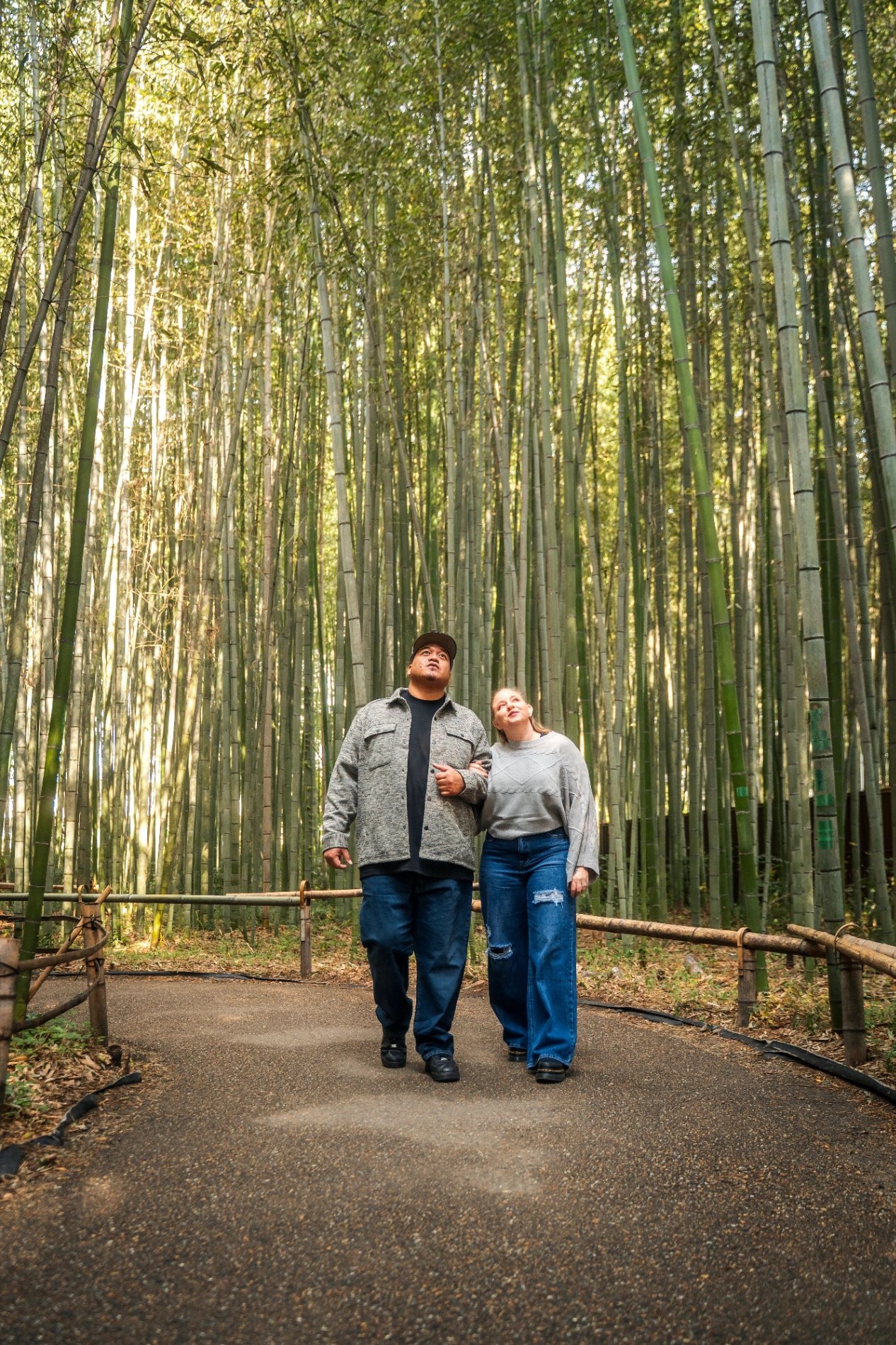
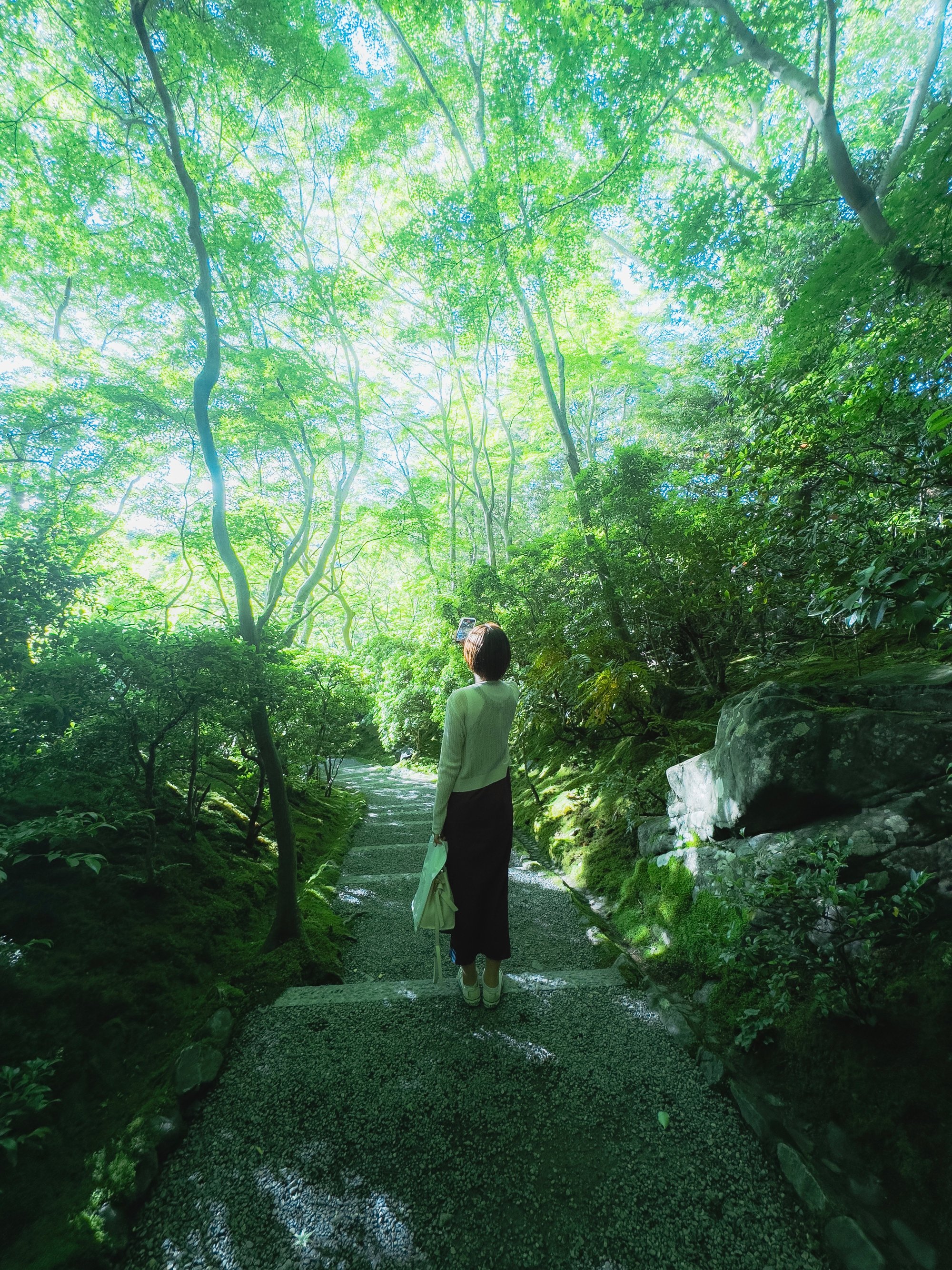
Real shots from Kyoto
What full bloom actually means
The national benchmark is one variety, Somei Yoshino, and almost every tree of it is a clone of the same original stock — which is why a city flips from bare to white in two or three days rather than over a month. The meteorological agency declares the opening when five or six flowers are out on its sample tree in that city, and full bloom when about eighty per cent are open — usually a week after the opening in the main cities.
From full bloom you have roughly a week, less if the weather turns: one windy afternoon takes half of it down in what the Japanese call a blossom blizzard, and a day of hard rain ends it. Neither is a disaster. Petals collect into drifting rafts on a canal, wet ones stick to stone and to sleeves, and the half-fallen stage gives pictures the poster version never does.
The forecasts, and how to read them
The agency stopped publishing its own bloom forecast in 2010 and now announces only the opening and the full bloom at its sample trees. The forecasts everyone plans by come from private forecasters — the Japan Weather Association and Weathernews are the two most quoted — and the first maps appear in midwinter, then get revised every week or two through February and March as the accumulated warmth becomes clearer.
Use them properly: in January a forecast is a rough regional shape, by the first days of March it is worth booking trains around, and in the week itself the local reports name individual parks. What they cannot tell you is which small garden three streets away is a few days ahead of the famous one — that is what a local photographer brings to the morning.
The window, city by city
The front moves from south-west to north-east and from low ground upwards. Tokyo, Kyoto and Osaka open from late March and are usually at full bloom in the first days of April, with Kamakura and Nara on the same clock. Kanazawa follows a few days behind, Takayama around the middle of April, and the Fuji lakes and Chureito Pagoda at the same time — a good two weeks behind the cities. Nikko, higher again, comes in late April. Hokkaido is the last: Sapporo flowers in the final days of April or the first of May, and in Hokkaido the plum and the cherry often open in the same week, which happens nowhere else in the country.
Those are typical windows, not dates: in a warm spring the cities run a week early, in a cold one a week late.
Tokyo: the river, the moat and the garden that runs late
The Meguro river is the city's densest blossom: several kilometres of trees over a narrow canal, with the Nakameguro stretch shoulder to shoulder from mid-morning and lit in the evenings during the season. At first light the same canal is empty, the water is still, and nobody has walked on the petals.
Chidorigafuchi is the other set piece — the palace moat, the path along the top of the embankment, and rowing boats under branches that reach down to the water. The boats have their own queue and their own season, and the walkway is one-way at the peak. For a session it is a dawn place, unambiguously.
Shinjuku Gyoen solves a badly timed trip: it holds a long list of varieties rather than one, so it is still in flower when the parks have finished, with late double-flowered trees carrying on into the second half of April. It is ticketed, it closes one day a week, and it has its own rules about tripods and what may be brought in — check before you build a morning around it.
What clients say about this kind of shoot
We had such a great photography experience with OKINI PHOTO TOUR! If you’re looking for an Osaka photographer, especially for a couple photoshoot in Osaka, I would definitely recommend them. The photographer made us feel comfortable from the beginning and guided us naturally with poses, so even if you’re not used to being in front of a camera, the experience is very relaxed and fun. What I really liked was that this wasn’t just a typical photoshoot. We walked around Osaka and enjoyed the city while taking photos, so it felt like both a photo tour and a local Osaka experience. The photos around Dotonbori and Osaka’s neon streets were especially beautiful. The photographer knew where to shoot, how to use the city lights, and how to capture natural moments between us. For couples traveling in Japan, honeymooners, or anyone searching for couple photography in Osaka, an Osaka travel photographer, or a Dotonbori photoshoot, OKINI PHOTO TOUR is a great choice. A wonderful way to keep memories from our trip to Osaka. Highly recommended!
— 伊藤尚也 on Soh
I had a truly unforgettable kimono photo shoot experience in Kyoto with Sanbao. He was warm, professional, and attentive to every detail. Since it was a busy weekend, he carefully selected a quieter temple location that was both peaceful and incredibly photogenic , a perfect setting away from the crowds. I’m not particularly familiar with wearing a kimono, so I wasn’t sure how to pose in a way that would look natural and elegant. But Sanbao is clearly very experienced . he thoughtfully designed the entire shoot based on the background, the setting, my kimono, and even my personality. He gave clear, gentle guidance and helped me feel comfortable and graceful throughout the session. Even the raw photos I received the same night were stunning. Each photo felt artistic, well-composed, and beautifully balanced (capturing not just how I looked, but how I felt in that moment. )It was truly a personalized, artistic experience that I’ll treasure forever. Highly recommend Sanbao to anyone.
— Xia on Sanbao Z.
We had a fantastic private photo session with SanBao. He’s highly professional, knows the area well, and was punctual. He kept great conversation throughout, which made us feel comfortable and relaxed. He also recommended a kimono rental and helped make the reservation, ensuring the whole process was smooth and well-planned. Most importantly, we absolutely love the photos he took of me and my family. You can tell he truly loves what he does—his expertise with lighting is amazing, and he has a real talent for capturing special moments. We couldn’t be happier with the results and highly recommend booking with SanBao!
— Molly on Sanbao Z.
Soh was the best! He knew all the hidden gems in Tokyo and we had the best shoot with him! Super professional, on time and gave great creative direction!
— Cathy D. on Soh
Soh was INCREDIBLE! The shots he got for us were so awesome, he knew so many amazing off the beaten path spots for pictures. 10/10 if you want awesome photoshoots come here!!
— Yeremi H. on Soh
I had such a great photoshoot experience with Okini! 📸✨ It was honestly so much fun, and the photos turned out absolutely beautiful. The Tokyo Tower spots were perfect, and our 2-hour photoshoot gave us so many amazing shots. Everything felt fun, relaxed, and worth it from start to finish. Definitely such a memorable experience and one I’d recommend if you want beautiful photos in Tokyo! 🗼💕
— Maria D. on Soh
Kyoto: the canal, the weeping tree and the riverbank
The Philosopher's Path is two kilometres of canal under trees that meet overhead, and by ten in the morning it is a single slow file of people. Before seven it is a canal with nobody on it. The same rule applies to the Keage Incline, the disused railway slope near Nanzen-ji where you walk on the old rails between the trees.
Maruyama Park's great weeping cherry stands alone and is lit in the evenings during the season — the one Kyoto blossom picture that works after dark. The Kamo riverbanks are the local version: grass, steps, water, and a line of trees that gives a clean frame without a temple gate in it. In Arashiyama the blossom sits above the Katsura river, and at Kiyomizu-dera it tangles with the wooden terrace and the stone lanes below.
Kyoto's temple gardens are a different proposition: ticketed, often with evening openings at separate entry, and never a place to assume a tripod is welcome. Ask first.
Osaka, Nara and Kamakura
Osaka Castle park carries thousands of trees around the moat and the keep, and the Nishinomaru garden inside it is the ticketed, better-behaved version with the tower framed above the branches; the arrangements change season to season, so check them. The Mint's cherry passage is the city's other institution — a short avenue of late-flowering varieties open for about a week in April, with entry arranged by advance application in recent years.
Nara puts blossom above the deer lawns in the first days of April, the easiest family frame in the country and still one that needs care around the animals. An hour south, the slopes of Mount Yoshino flower in waves from the bottom of the hill to the top over roughly a fortnight, which makes it the reliable second chance when the cities have gone over. Kamakura's raised approach to Tsurugaoka Hachimangu is lined with cherry trees and photographs best early, before the shopping street below wakes up.
Two weeks behind the cities: Chureito Pagoda and the north
Chureito Pagoda at Arakurayama Sengen Park is the frame everyone recognises: pagoda, blossom and mountain stacked in one shot, up about four hundred steps. It works for roughly ten days in the middle of April, the platform is small, and there is a queue on it from before sunrise. The mountain itself is a matter of odds rather than hours — April mornings are often clear early and cloud over by nine. The lakeside walks on the north shore of Lake Kawaguchi give the same combination with room to breathe, and an overnight is what makes either of them possible at first light.
Further north and higher up the season keeps going: Takayama in the middle of April, in the same week as its spring festival, which is when the town's rooms disappear — check the dates before you plan around them. Nikko in late April, Sapporo at the turn of the month. If your dates are fixed and the cities have finished, go up or go north rather than giving up.
Blossom week is also everybody else's week
The whole country is outside. Tarpaulins are spread in the big parks from early morning to hold a space for the evening, the school holidays fall near the end of the window, and Golden Week follows. Weekdays are markedly better than weekends, and the hour before breakfast is better than either.
The etiquette is short and firm. Do not pull a branch down into the frame, do not shake a tree for a petal shower, and stay outside the rope lines and off the roots. Drones are effectively out of the question in city parks. Parks and gardens tighten their rules on tripods during the season, temples have always had their own, and a shoot that looks commercial may need the site's permission — ask before the day and accept the answer.
A last piece of advice that sounds wrong until you have seen it: hope for cloud. Flat grey light holds the white and pale pink of the flowers, while hard midday sun blows them out and drops hard shadows across faces. Rain is better than glare.
Planning a cherry blossom photoshoot
Give yourself a week in the region rather than a date, and tell the photographer that is what you are doing — booking a blossom window and confirming the morning two or three days ahead is a normal request, not an awkward one. If the trip cannot move, pick the middle of the first week of April for the cities and accept that you may be shooting early buds or a petal carpet instead. Both are good pictures; only one is the poster.
Start at first light. An hour covers one riverbank or one garden properly, which is all a blossom session needs, and it ends before the crowd arrives rather than fighting it.
Read the destination page for Kyoto and the other eleven, see what a couples photoshoot usually covers, and book a photographer online.
Want professional photos in Kyoto?
Browse portfolios, compare packages, and book a verified local photographer in minutes.