Kanazawa Photo Guide: Kenroku-en, the Higashi Chaya teahouses and the samurai walls
Kanazawa is two and a half hours from Tokyo on the Hokuriku Shinkansen and it gives you most of what people queue for in Kyoto with a fraction of the queue. The old quarters came through the war intact: a garden that took two centuries to build, two streets of wooden teahouses, a block of samurai walls in ochre earth, and a white glass circle of a museum to argue with all of it. The whole list fits inside one loop of the city, mostly on foot or on one bus. The other thing to know is that it rains here more than almost anywhere else in Japan — locals say you may forget your lunch but not your umbrella — and wet stone, wet timber and grey light are what this city actually looks like.
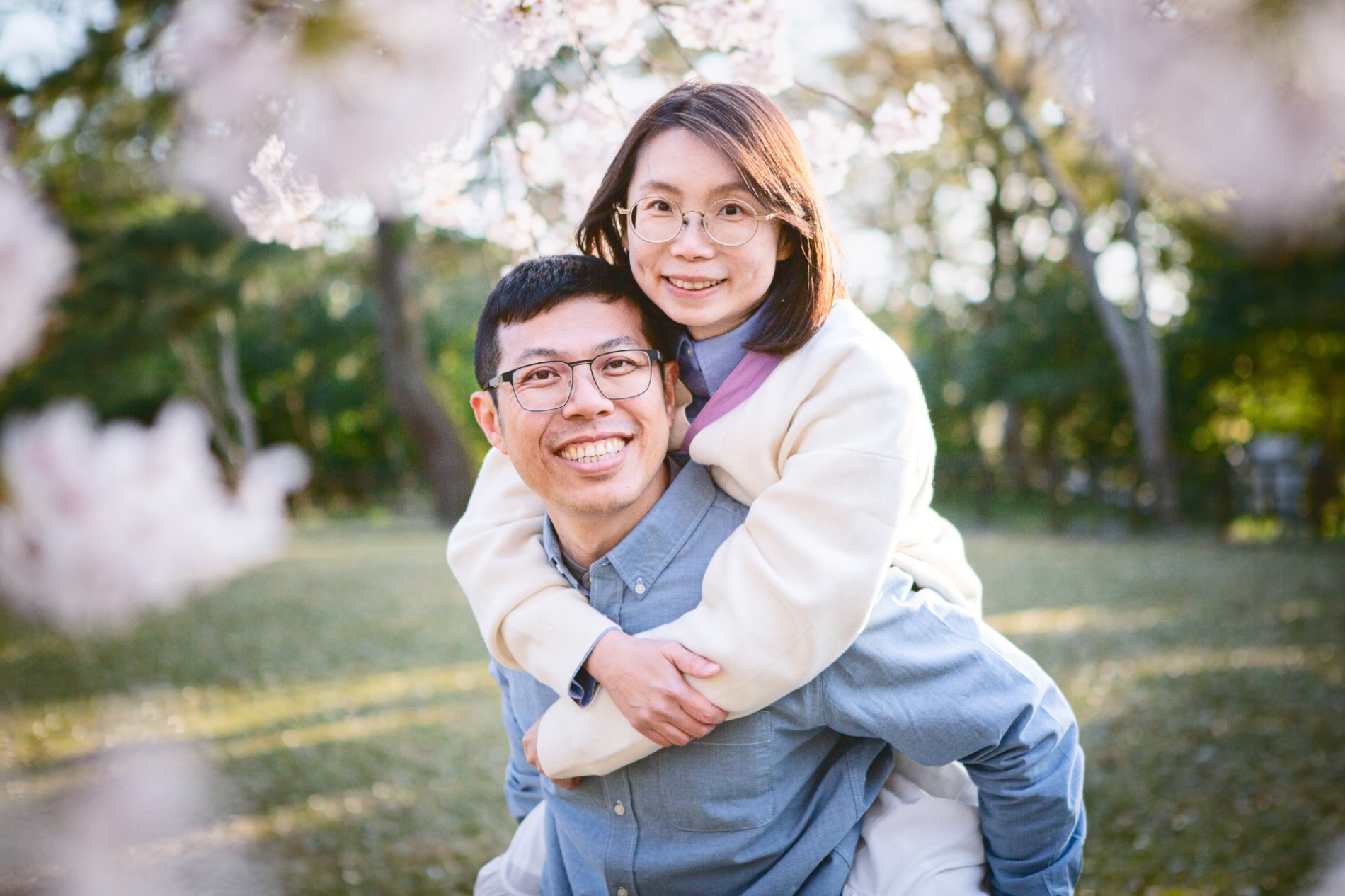
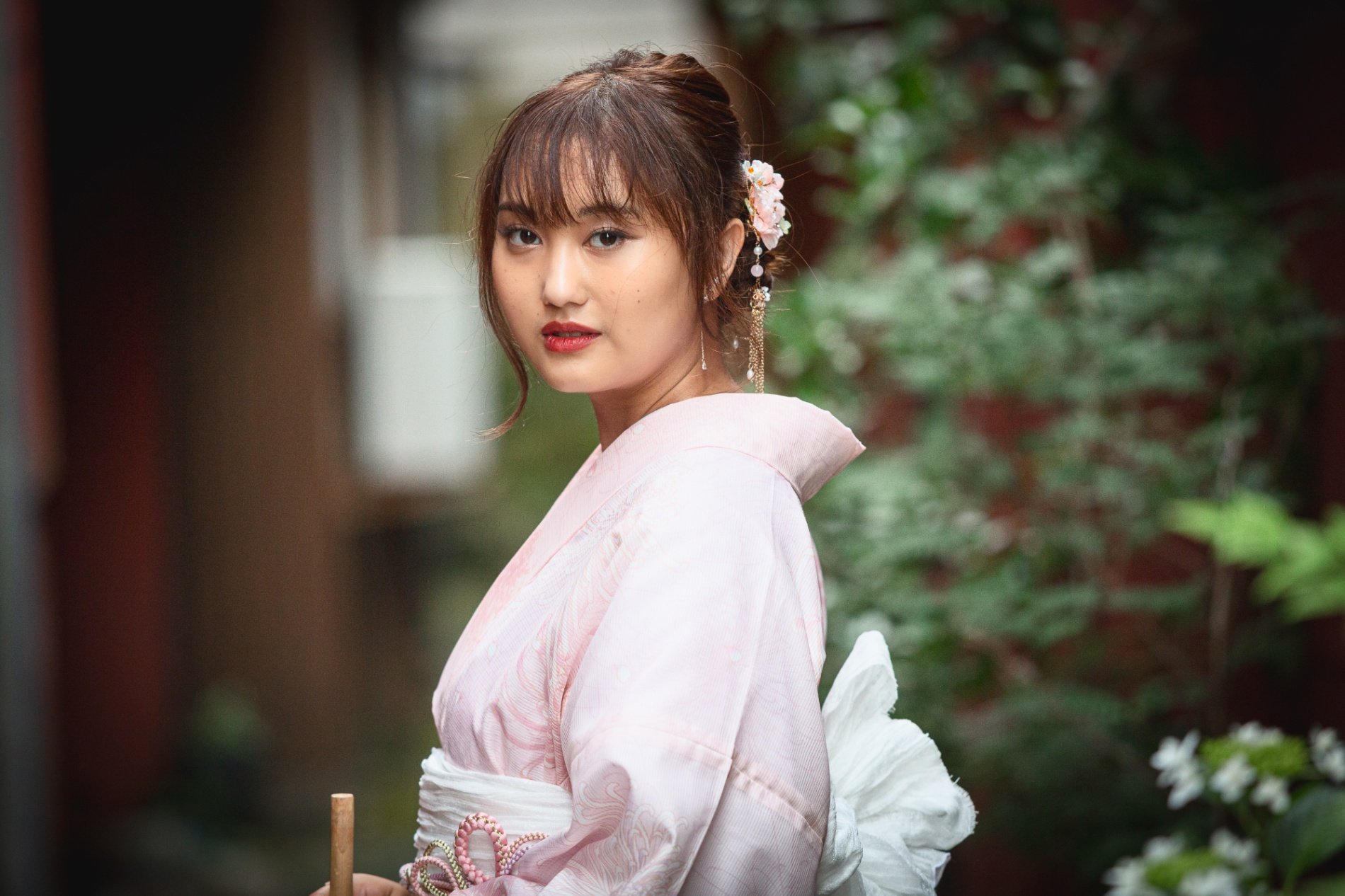
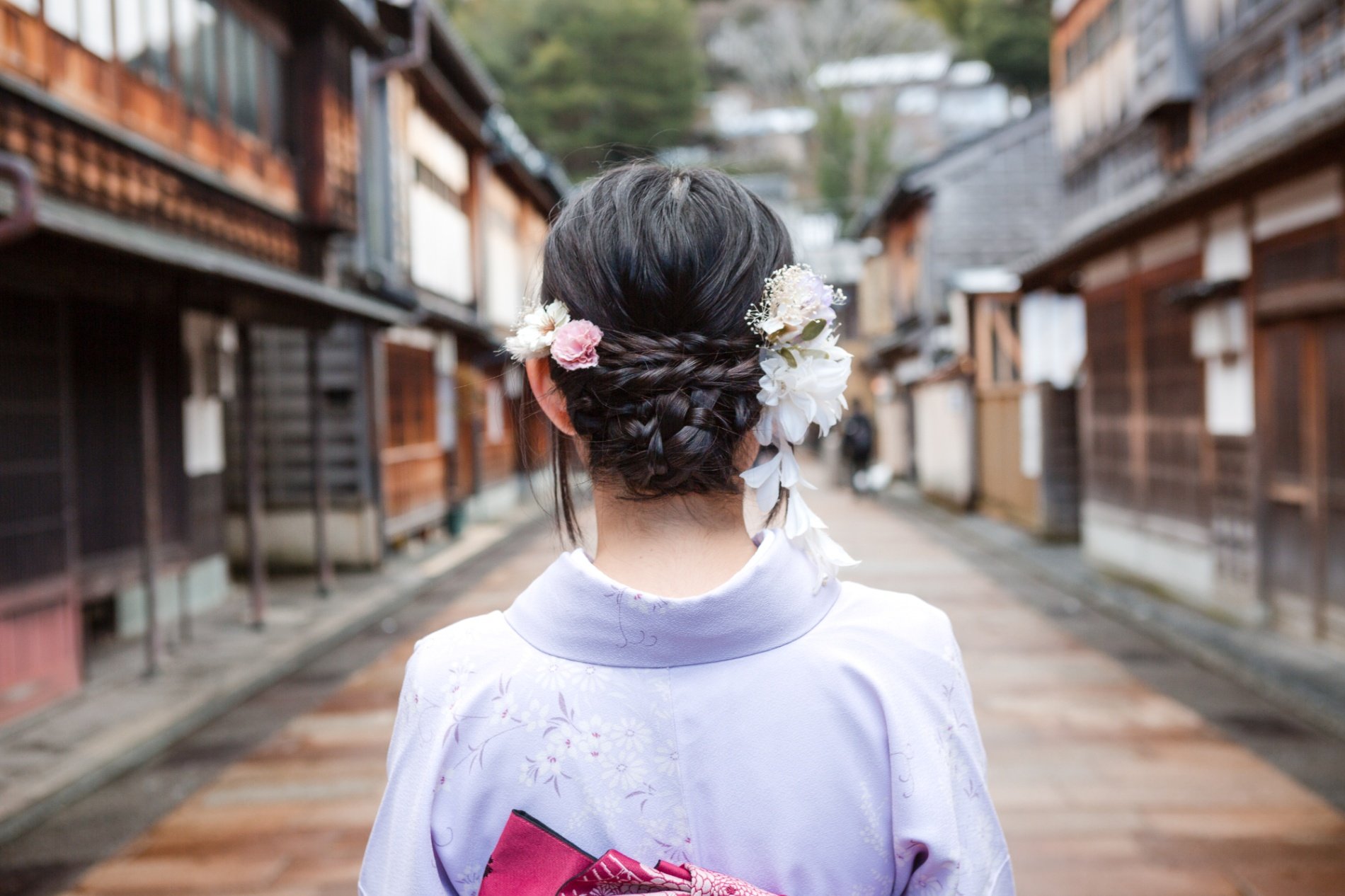
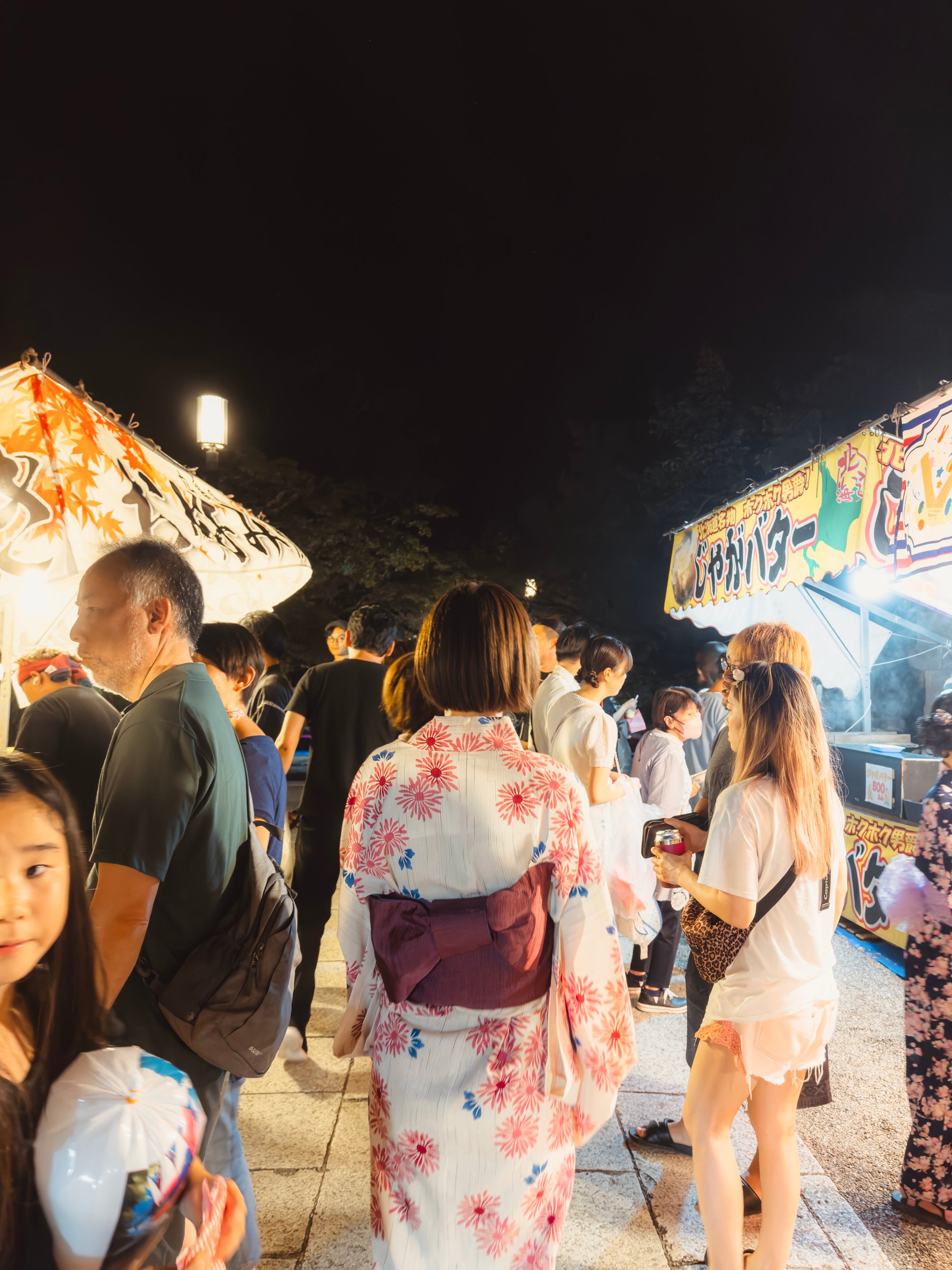
Real shots from Kanazawa
Kenroku-en: the hour before the coaches
Kenroku-en is the set piece, one of the three gardens Japan puts at the top of its own list, built and rebuilt by the Maeda lords over roughly two hundred years. The picture everyone takes is the Kotoji stone lantern standing on two legs at the edge of Kasumiga-ike pond, with a bridge and a maple behind it. It is small, it is on a narrow path, and by the middle of the morning there is a line to stand in front of it.
The answer is the opening hour. The garden opens early, earlier in summer than in winter, and there is an unticketed window before the ticket office starts, entered by the side gates. The times shift with the season, so check them for your date rather than trusting a number you read somewhere. That first window is the whole reason to stay in the city centre rather than by the station.
Light in the garden is low and side-on early, and the ponds hold reflections until the wind gets up. There is no bad weather here: mist sits in the pines, rain darkens the trunks and lifts the moss, and snow is what the garden was designed around. Seasonal light-ups are held several times a year, evenings only and for a few days at a time — dates and whether tickets are needed change every year, so check.
Over the bridge, Kanazawa Castle Park is the opposite kind of space: broad lawns, long white-and-grey walls, and the Ishikawa-mon gate with its lead roof tiles that weather pale. It is open ground where a group can spread out, it takes midday sun far better than the garden does, and the walk between the two takes a couple of minutes.
Higashi Chaya: lattice, gold and flat light
Higashi Chaya is a preserved district of two-storey teahouses in dark timber, with the fine vertical lattice called kimusuko across the fronts and gold-leaf shops between them. Kanazawa has made almost all of Japan's gold leaf for centuries, and the shops lean into it: gilded screens, gold in the ice cream, gold on the walls.
The timber wants soft light. Direct midday sun splits the street into hard bands and blows out the pale plaster; an overcast afternoon renders the whole facade evenly and is the easiest hour to work here. Early morning is emptier still, before the shops open.
People live and work in this district. Photograph the street, not private doorways; ask before shooting inside a shop or a teahouse, and look for the signs, because plenty of interiors do not allow it. Two of the old teahouses are open as museums and set their own rules room by room. Keep voices down in the side lanes — they are residential, not a film set.
Kazuemachi, the quieter one
Across the Asano river, Kazuemachi is the third teahouse district and almost nobody walks it. The row of dark wooden fronts backs directly onto the water, two narrow stepped lanes climb from the river to the street above, and at dusk the lanterns come on with nobody in the frame. If the session wants the Higashi Chaya look without the Higashi Chaya traffic, this is where to go.
Nagamachi: earthen walls and winter straw
Nagamachi was the samurai quarter and it still reads as one: ochre earthen walls above stone footings, water channels running along the lanes, gates and hedges, and a handful of preserved houses with gardens open to visitors. It is about twenty minutes on foot from the station, or a short hop on a bus, tucked behind the shopping street at Korinbo.
The winter detail is the reason to come between December and early March: straw mats, komo, are hung along the tops of the walls to keep the snow off the earth, exactly the way the pines in Kenroku-en get their ropes. The walls go from flat ochre to a thick, textured band, and there is nothing else like it in the photographs from any other Japanese city. The lanes are narrow and shaded, so the light stays soft all day, and the ground is residential — keep out of private entrances.
Two indoor answers: the museum and the market
The 21st Century Museum of Contemporary Art is a low glass circle with no front and no back, and the grass around it holds permanent outdoor works that photograph cleanly in any weather. Inside, the public zone and the ticketed exhibition rooms are different worlds for a camera: photography is allowed in some parts and not in others, tripods and selfie sticks are refused, and what is permitted is often personal use only. That last point matters for a booked session. Check the current rules before you plan a frame there, and treat the outside as the reliable part.
Omicho market has fed the city since the Edo period: a covered grid of narrow aisles, fish and crab on ice, vegetables stacked in crates, strip lights and steam. It is the best interior in the city when the rain sets in, and it is a working market. Ask the stallholder before you photograph a stall, stay out of the way at lunchtime, and do not block an aisle for a portrait.
What clients say about this kind of shoot
Scott was great to work with! He made planning a surprise proposal so easy and we love the pictures he took. 10/10
— Alex B. on Scott T.
Scott was a pleasure to work with! I hired him to photograph my proposal at Kenrokuen Garden, and he was incredibly responsive, accommodating, and helpful throughout the planning process. He gave great recommendations for the perfect proposal spot and beautiful locations for photos afterward. The photos turned out absolutely gorgeous and captured our special moment perfectly. I highly recommend Scott to anyone looking for a talented and professional photographer!
— Joseph N. on Scott T.
We had an incredible experience with Scott for our wedding shoot in Kanazawa! There was wonderful communication beforehand, and he really helped us think through every step of the process to make sure everything went perfectly. We told him beforehand that we didn’t have much experience with posing, but Scott was amazing—he guided and instructed us clearly for every single photo, making us feel completely comfortable throughout the entire shoot. The photos are a wonderful, lasting memory of our special day. We highly recommend Scott!
— Kayue H. on Scott T.
My husband and I had such a great experience with Scott Photography. He did an amazing job capturing our photos beautifully and made the whole process feel so easy and comfortable. We’re really happy with how everything turned out and truly appreciate his talent and effort. If you’re looking for great photographer in Kanazawa we highly recommend him.
— Deena on Scott T.
We had an amazing experience with Scott and couldn't be happier with the photos we received. From the very beginning, he made us feel comfortable and relaxed, which was especially important because this was our first professional photo session. We're pretty mediocre models (to put it kindly!), but thanks to Scott's friendly personality and clear guidance, we ended up having so much fun posing and enjoying the whole experience. The locations he chose were fantastic, and the timing was perfect. Most importantly, he was incredibly professional and resourceful during the proposal itself, helping everything go smoothly while capturing the moment beautifully and naturally. The photos are wonderful, but what we value most is the experience itself. We felt at ease, laughed a lot, and came away with a truly special memory of one of the most important days of our lives. We highly recommend Scott to anyone looking for a talented photographer who knows how to make people feel comfortable and capture genuine moments. Thanks for everything! :)
— Christian D. on Scott T.
Scott was amazing to work and delivered fantastic photos! He was very familiar with Kenrokuen Gardens, Higashi Chaya, and Kazue Machi, so we were able to get photos without anyone in the background. He also provided our photos within the time frame he originally promised despite it being the busy season for him. We highly recommend Scott to anyone looking for a photographer in Kanazawa.
— Tanner M. on Scott T.
Rain is the local weather, not a setback
The Sea of Japan climate makes Kanazawa grey and wet for a large part of the year, with sudden showers even on clear days and heavy snow in winter. Plan for it rather than against it: wet cobbles in Higashi Chaya double the lanterns, rain on the pond in Kenroku-en kills the reflections but soaks the moss into full colour, and an umbrella is a prop that belongs in this city. Tourist information counters lend umbrellas, though whether the service is running on your day is worth checking.
Winter, blossom and autumn
Winter is Kanazawa at its most distinctive: ropes on the pines, straw on the walls, snow on the stone lanterns, and a garden that empties out. Snow is likely rather than certain, and it is wet snow — waterproof shoes, not fashion boots.
Blossom comes to the garden and the castle grounds around the first week of April, a few days behind Tokyo and moving by up to a fortnight from year to year. Autumn colour is late here, from the middle of November into the first days of December, well after the mountains above the city. Summer is hot, humid and busy, and the early window matters more then than at any other time of year.
Getting there, and what pairs with Kanazawa
The Hokuriku Shinkansen runs from Tokyo in about two and a half hours on the fastest services, into a station whose wooden Tsuzumi gate and glass dome are a decent first frame in themselves. The city centre is a short bus ride away; the loop buses and the flat-fare zone cover everything in this guide, and an IC card works on them. Rail passes and area tickets exist and their terms change — worth checking whether one earns its keep for your route.
Kanazawa is also the western end of a natural pair. Highway buses run over the mountains to Takayama in around two and a quarter hours, calling at Shirakawa-go on the way, which makes a two-city trip simple without a car. Book those buses ahead in autumn and over New Year.
Planning a Kanazawa photoshoot
Build the session around one early start and one indoor fallback. Sixty minutes covers Kenroku-en in its first window, or Higashi Chaya and the river, comfortably. Two hours is enough for the garden and the castle park, or for the teahouse district, Kazuemachi and Nagamachi in a loop, with a few minutes of walking between them.
Kanazawa suits a solo portrait session better than most Japanese cities: the streets are small enough to fill with one person, the backgrounds are dense without being crowded, and the flat light means no hour is wasted. If the weather turns, the market and the museum are five minutes away — which is why this is a good city to book in a season nobody else books.
A photographer who works here regularly knows which gate is open at that early hour, which lane in Nagamachi still has straw on the walls in March and which stallholders are happy to be in the picture. The destination page for Kanazawa has the rest, how it works covers the booking, and you can book a photographer online.
Want professional photos in Kanazawa?
Browse portfolios, compare packages, and book a verified local photographer in minutes.