Where to Propose in Tokyo: eight spots and how to plan a photographer who stays invisible
Tokyo is the easiest city in the world to propose in with a photographer present, and the reason is not romantic. It is that a person standing still with a camera is invisible here. Tokyo is full of people photographing buildings, trains, food, neon and each other; a stranger thirty metres away with a long lens reads as one more visitor, and nobody — including the person you are about to ask — gives them a second look. That removes the hardest part of a surprise proposal. What is left is choosing the place, and knowing which places will not let you do it.
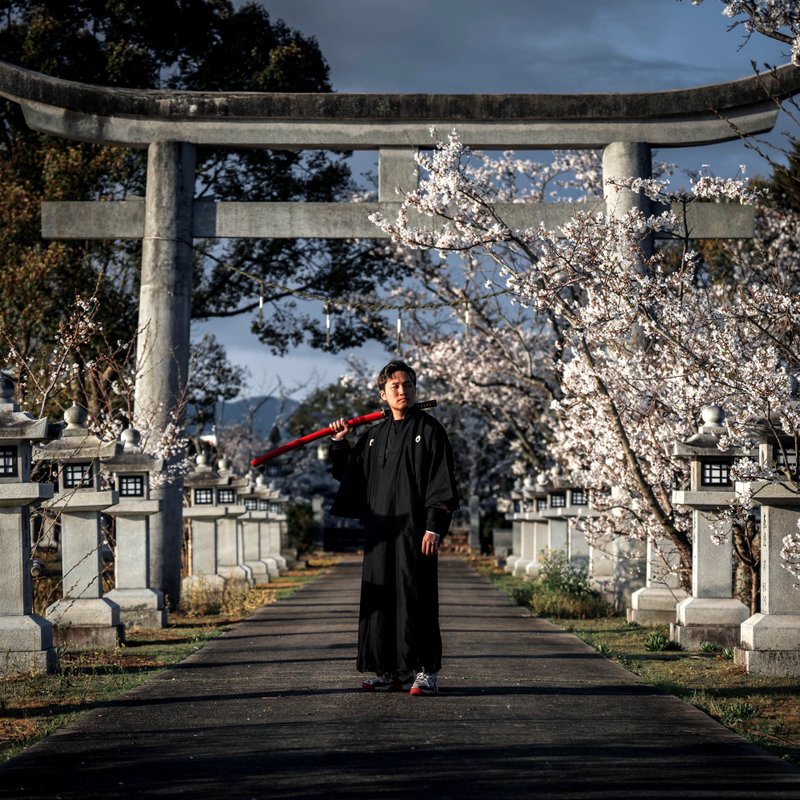
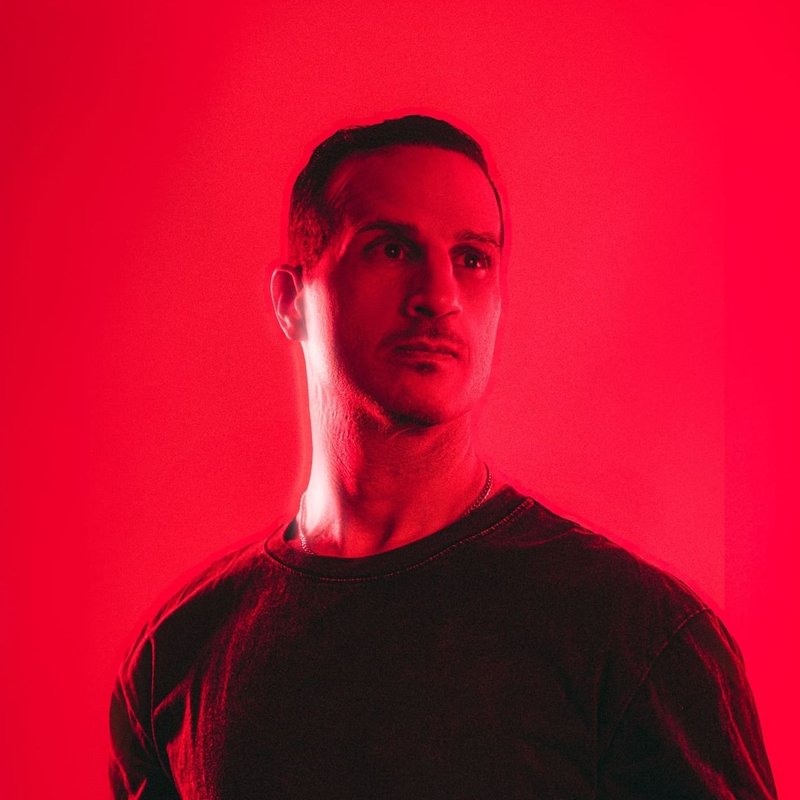
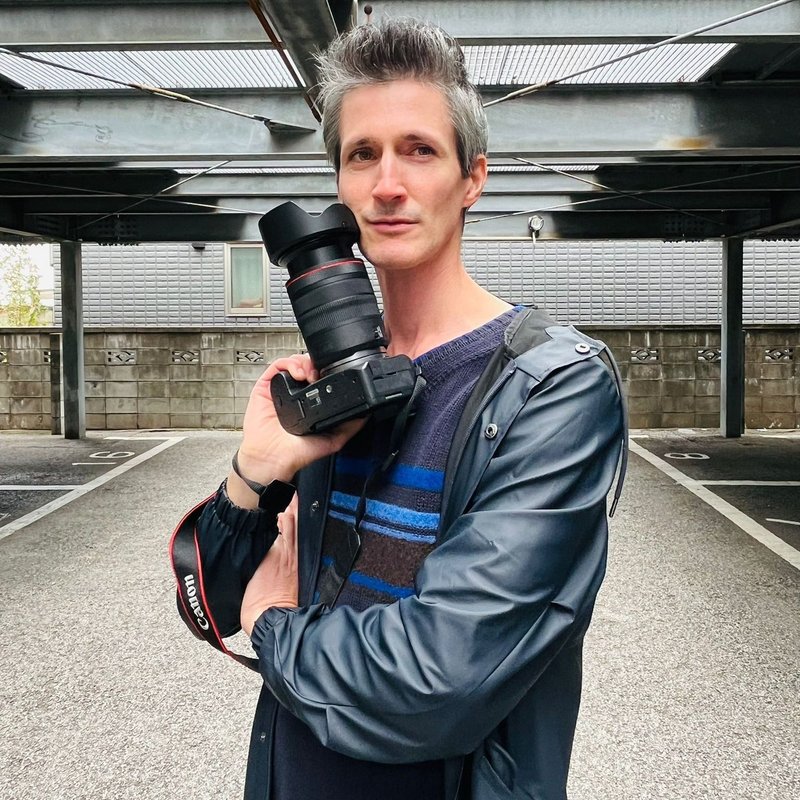
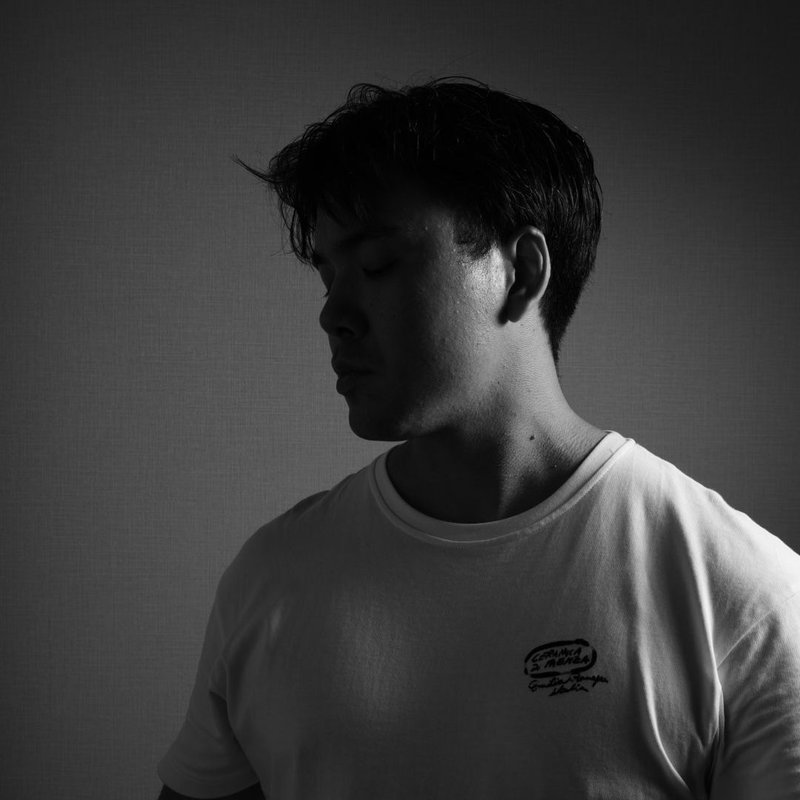
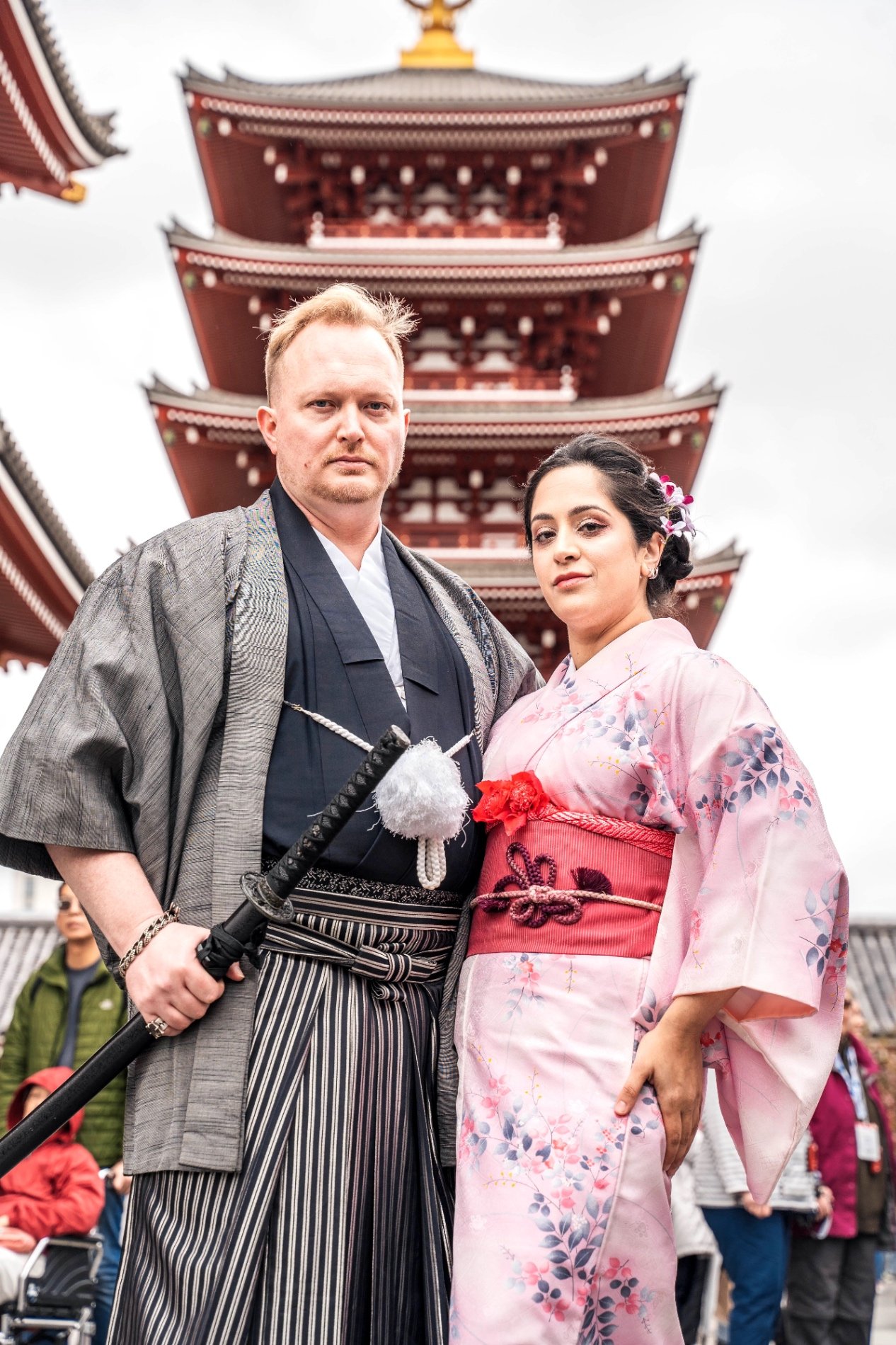
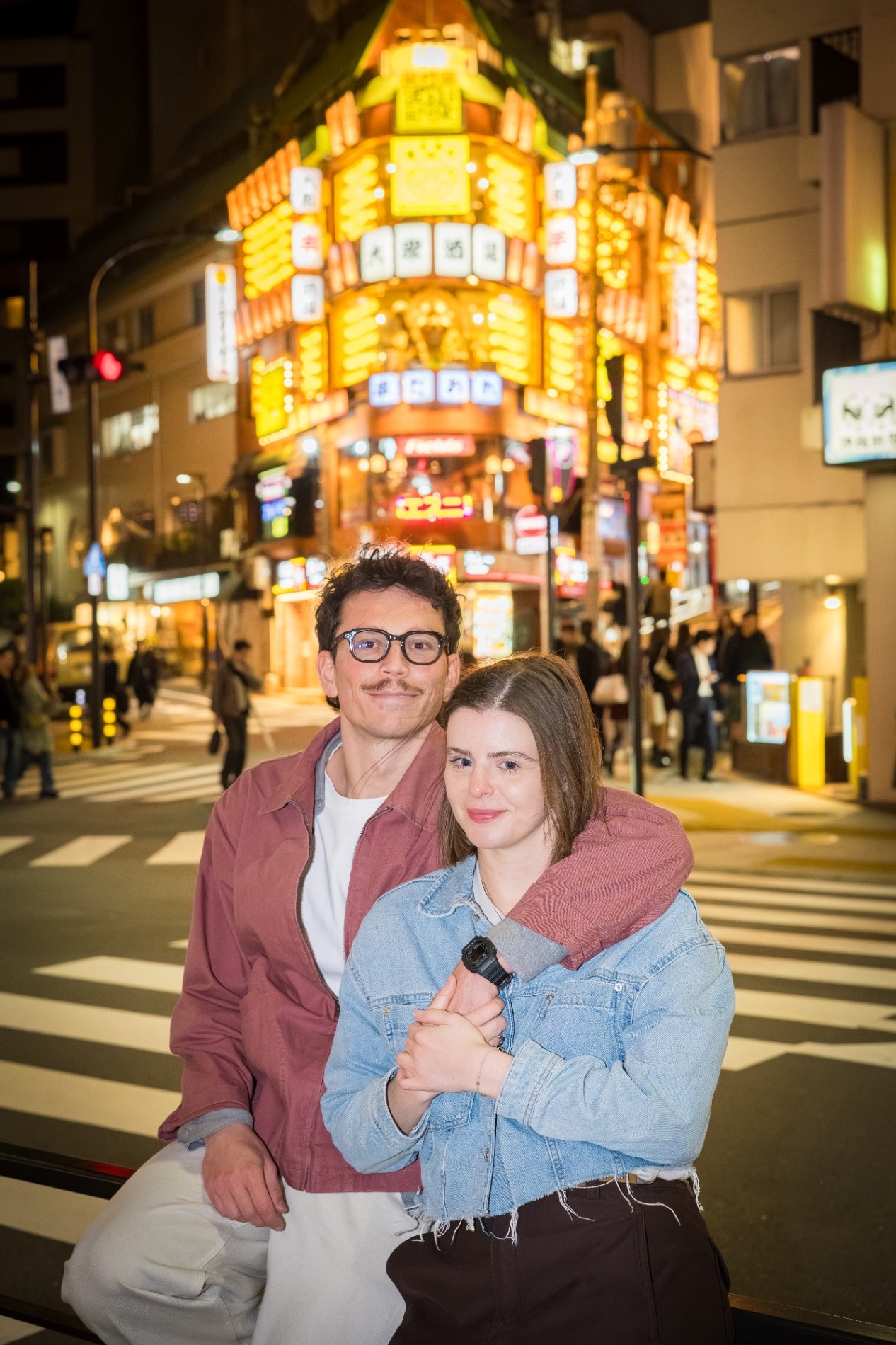
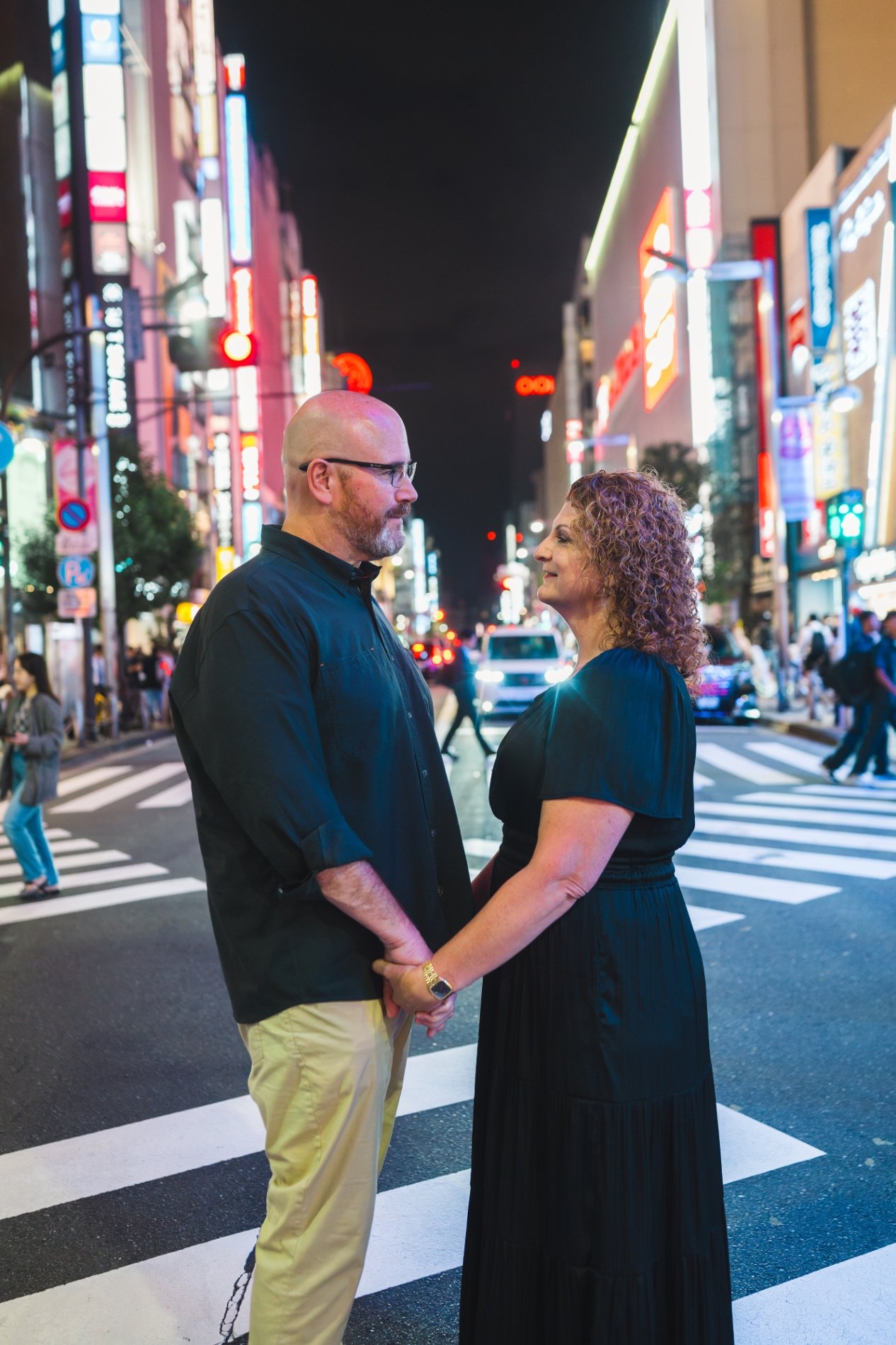
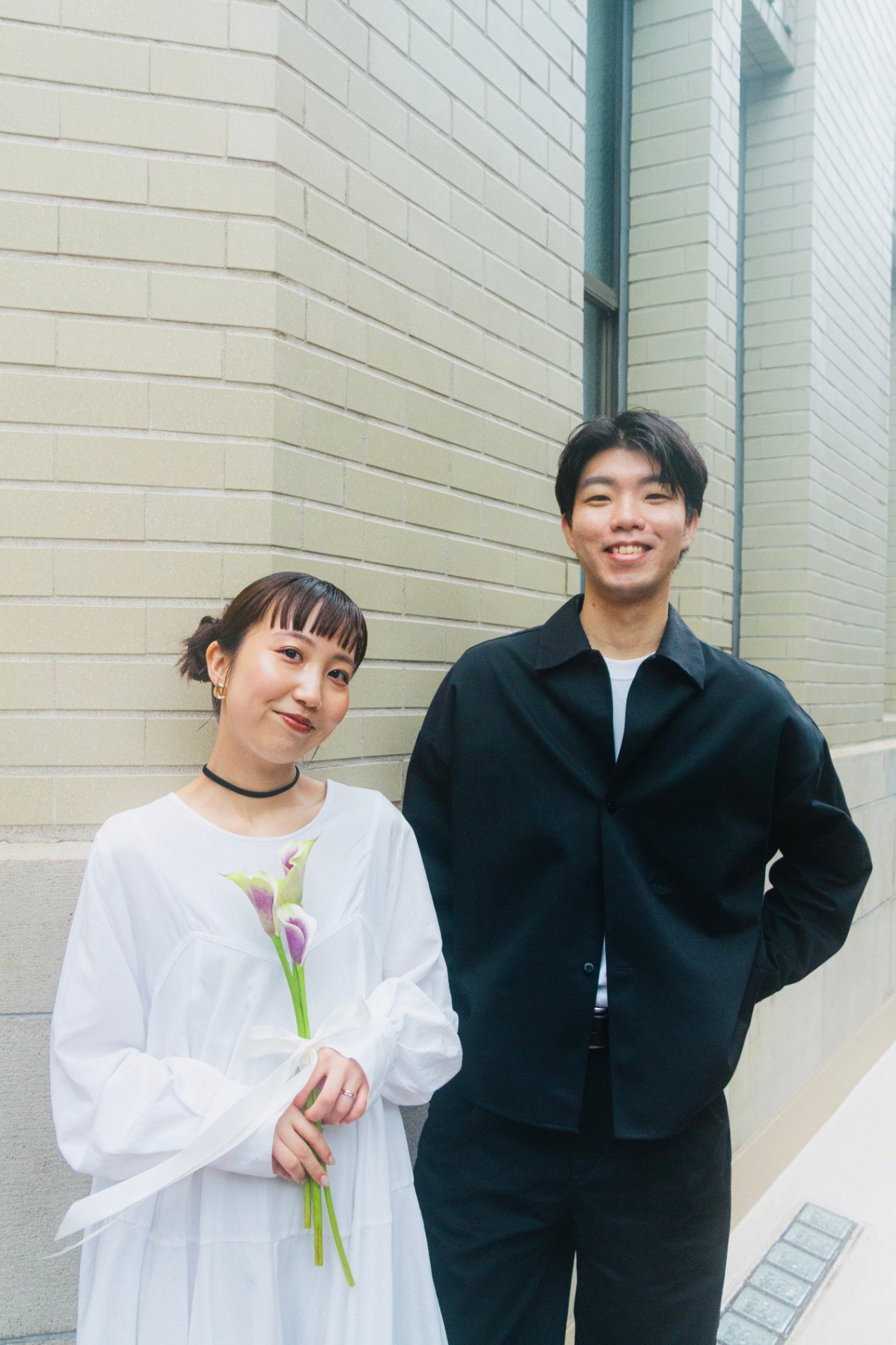
Real shots from Tokyo
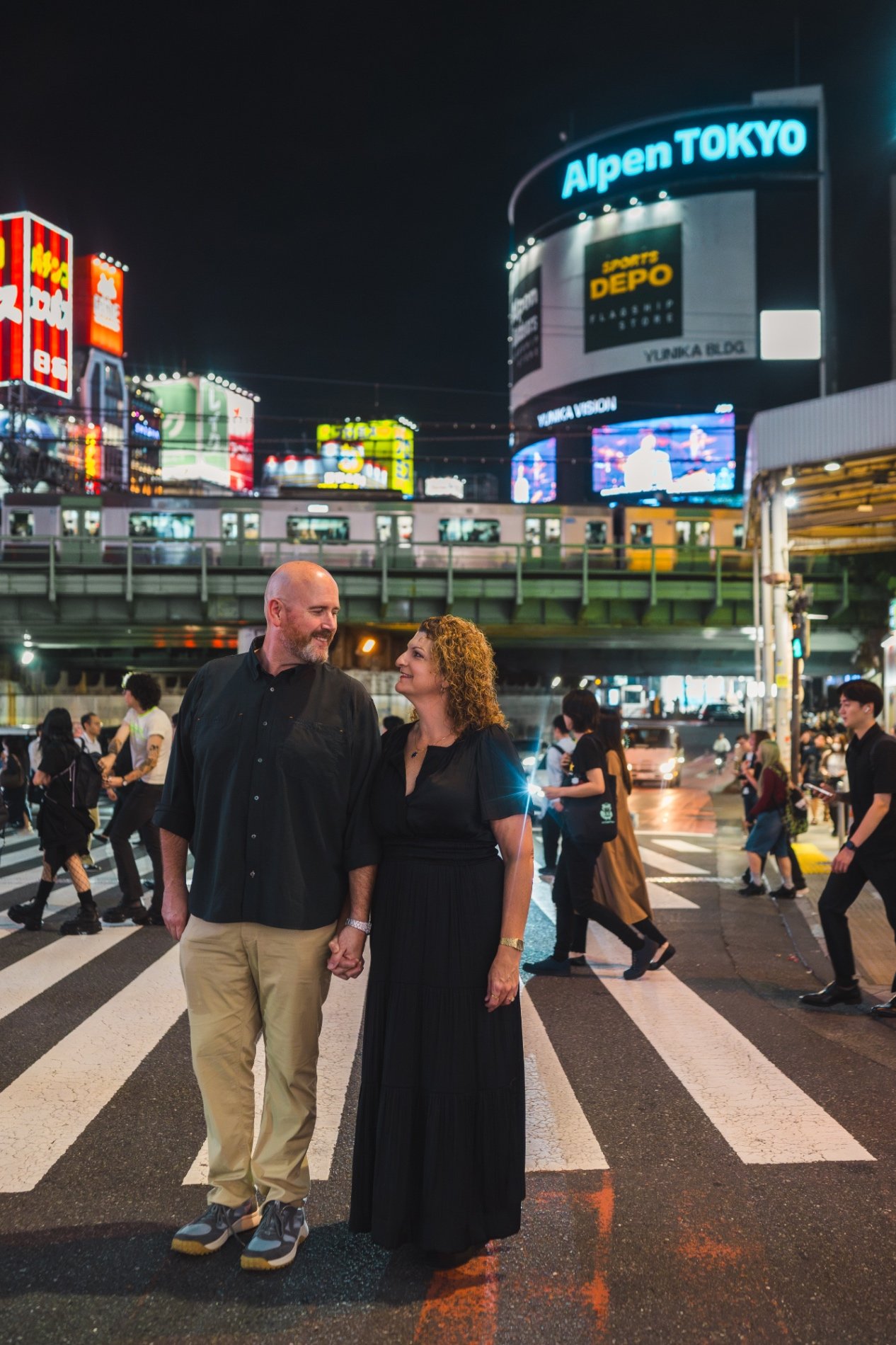
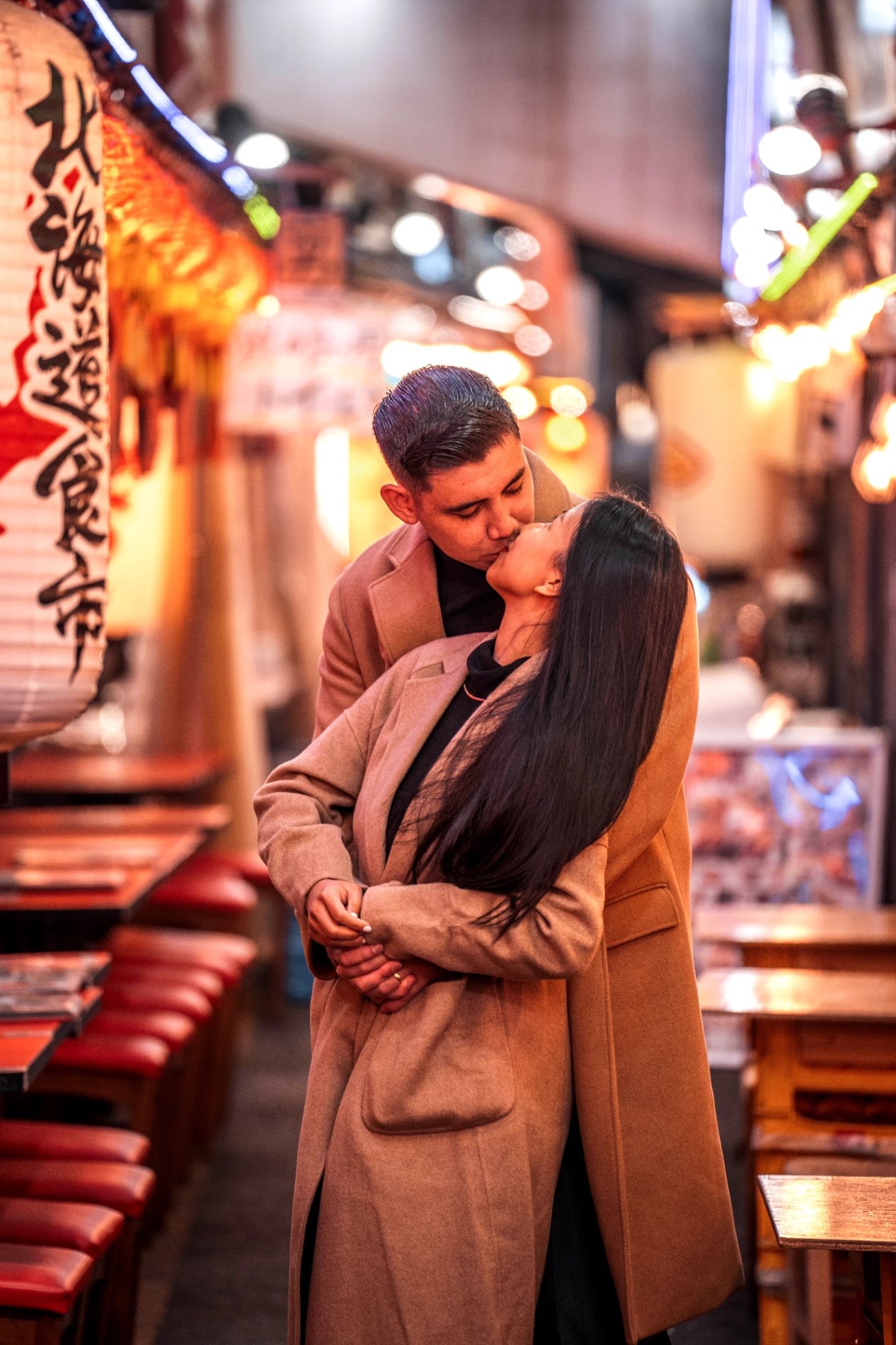
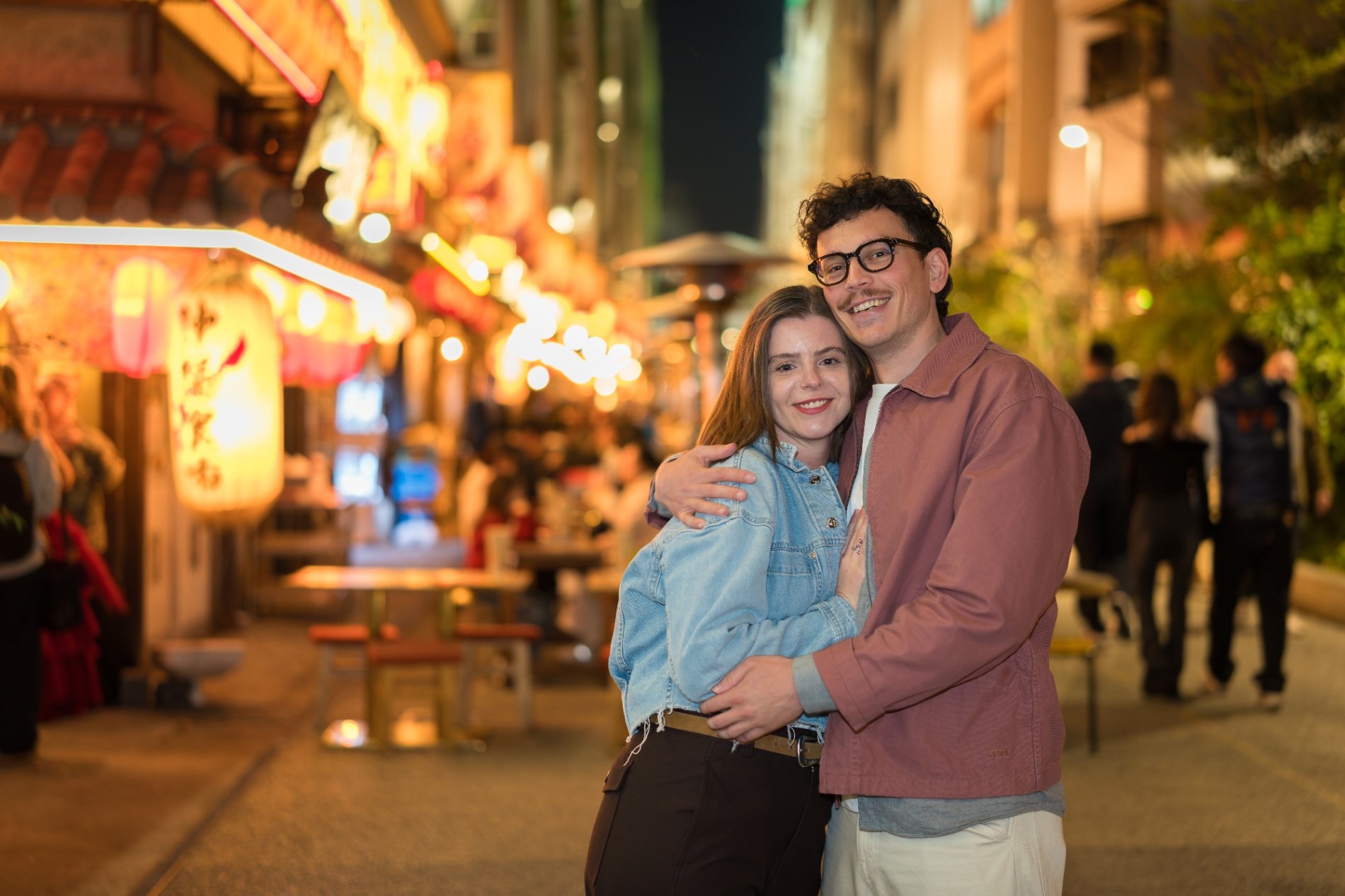
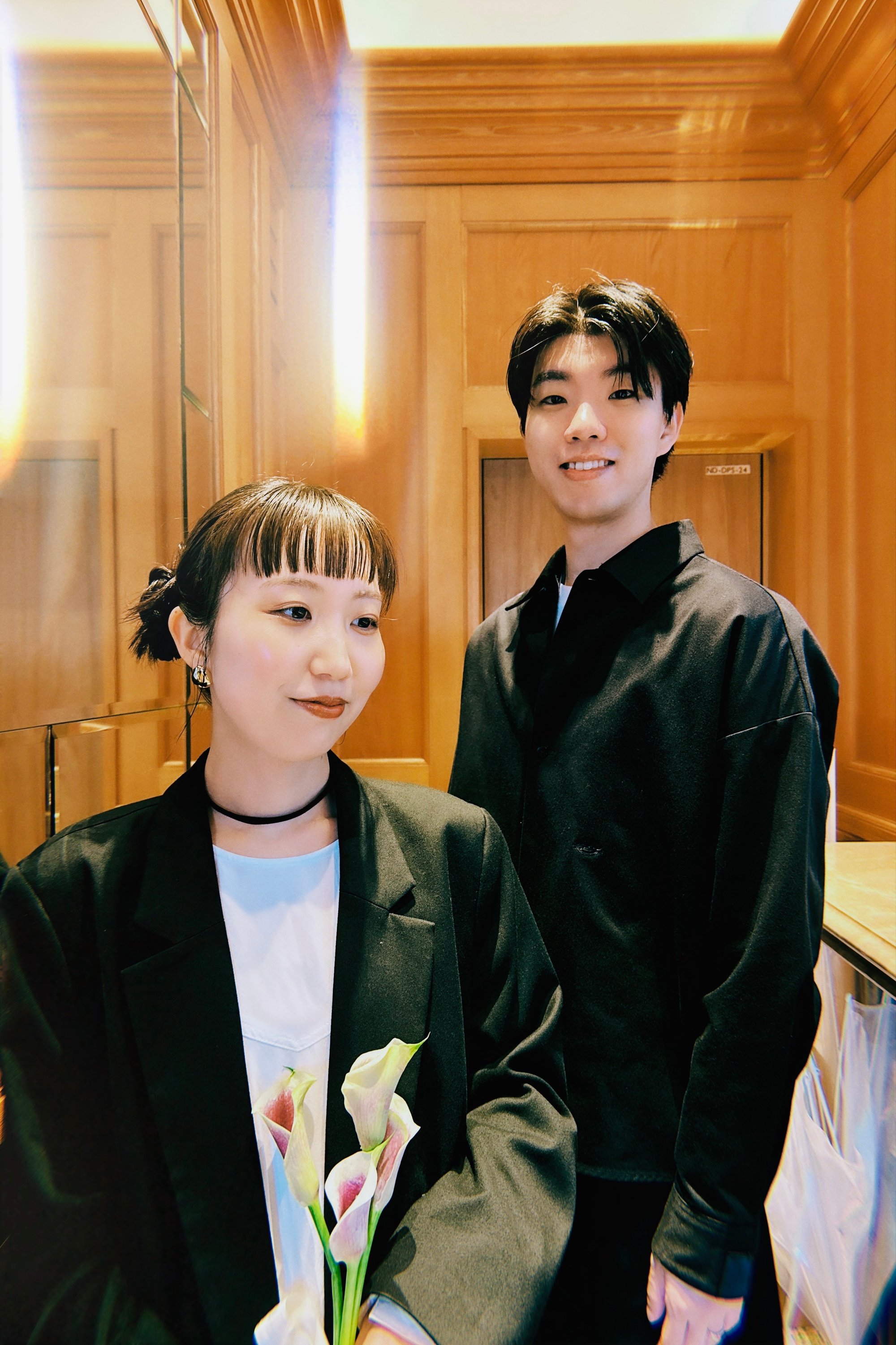
Why the photographer disappears
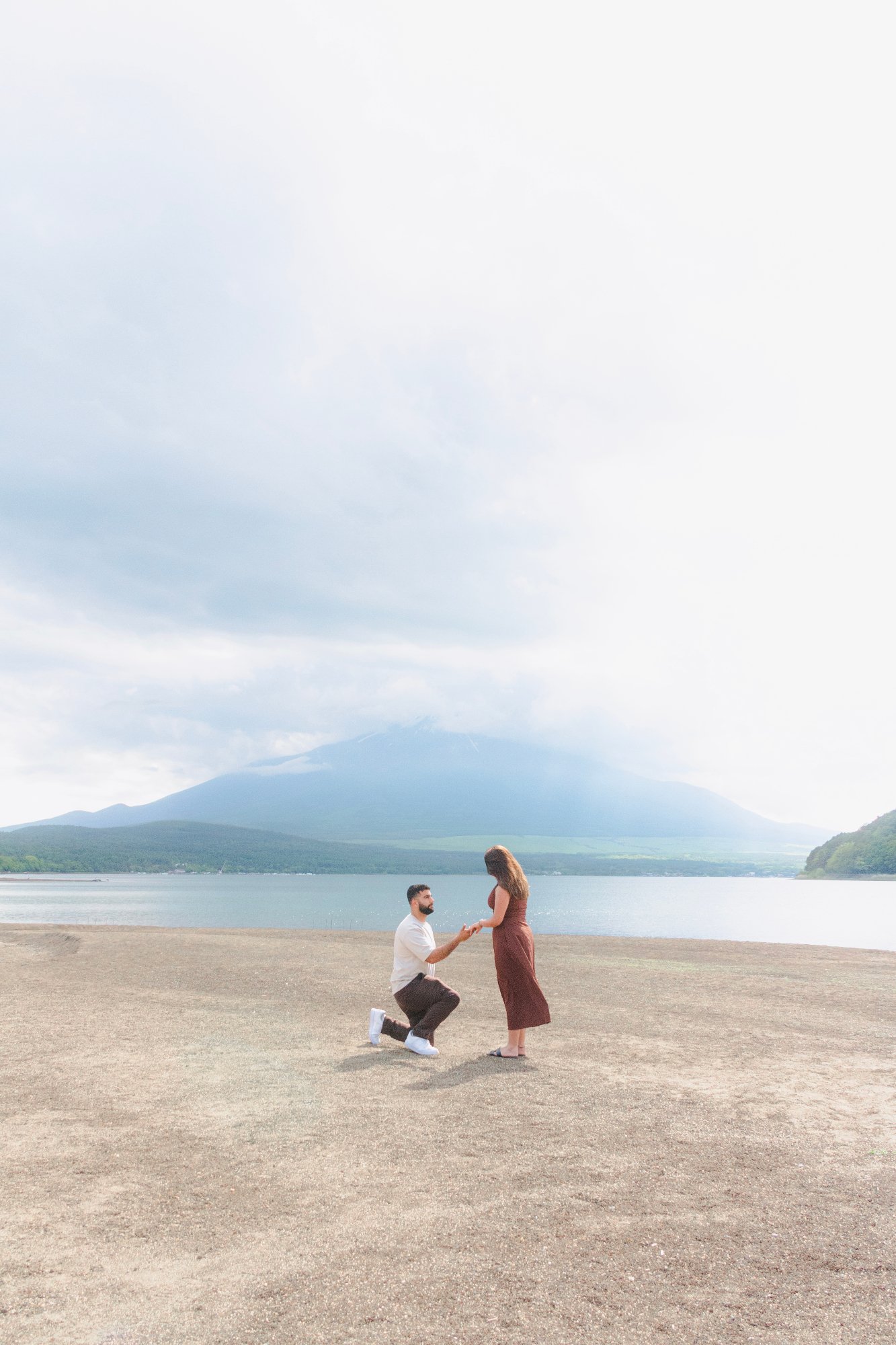
The method is the same all over the city. The photographer arrives early, finds a position with a clean background and a sightline of twenty to forty metres, and shoots with a long lens from a spot you agreed in advance. You walk your partner to a mark — a bench, a tree, the corner of a railing — at a fixed time, and the camera is already running before you arrive. Nobody hides behind a bin; in a Tokyo crowd the photographer stands where any other visitor would stand.
That works best where the crowd has cameras in it, and it means the meeting point matters more than the view: you need a mark your partner can be walked to without a conversation about why.
The high city: an observation deck at blue hour
The classic Tokyo proposal happens half an hour after sunset, with the city coming on underneath you. Shibuya Sky's open rooftop is the most photogenic of the decks and the most rule-bound: entry by timed slot, sunset slots gone first, bags into lockers before the roof, no tripods, and an open deck that can close at no notice for wind or rain, leaving the indoor floor below. Book the slot the day it releases and treat that indoor level as a plan you are happy with.
Tokyo Tower and the Skytree work on timed entry behind glass, where reflections are the photographer's problem, not yours. The Metropolitan Government Building in Shinjuku has two observatories a little over two hundred metres up, with no ticket and no timed slot. All of these change their hours and their photography rules, so check the current ones and ask the operator about a photographer first: a paid session on private property is the operator's call, not yours.
The river: Sumida and the lit Skytree
The Sumida riverside at Asakusa is the best open-air frame in the city after dark. From the promenade and the bridges on the Asakusa side the Skytree stands across the water with its lighting on and the river carries the reflection. The walkway is wide, public, open at all hours and busy enough that nobody watches you.
Sumida Park runs along both banks, two minutes from Asakusa station on the Ginza, Asakusa and Tobu lines. In spring the cherry trees put blossom over the whole stretch and it becomes one of the busiest hanami spots in the city. In autumn and winter the same walk is nearly empty at seven in the evening, and the air is clearer.
Blossom week: Chidorigafuchi
Chidorigafuchi is the moat on the north-west side of the Imperial Palace: a path of roughly seven hundred metres under around two hundred and sixty cherry trees. For the ten days the blossom is out, the branches hang down to the water and rented rowing boats move through the reflection below. It is the best-looking proposal backdrop in Tokyo that week, and the most crowded.
Two ways around it. Go at dawn, when the path is quiet and the light is pink anyway. Or take a boat, ask on the water, and let the photographer work from the bank with a long lens — a genuinely private proposal in a public park. The boats are seasonal and the queue in blossom week is long, so check what is running. Kudanshita station is five minutes away on the Hanzomon, Tozai and Toei Shinjuku lines.
Lawns and gardens
Shinjuku Gyoen's lawns are the softest open space in central Tokyo: big trees, wide grass, mountains of blossom in spring, clean low sun in winter. There is one hard catch. It is a national garden and it does not permit commercial photography without the garden office's own permission, and hiring a photographer counts as commercial, so apply properly and well ahead. It also closes one day a week and shuts its gates in the late afternoon, which makes it a daylight plan. Check the current rules and hours first.
Rikugien and Hamarikyu are ticketed classical gardens: smaller, quieter, formal. A pond, a teahouse, pines, and in Hamarikyu's case the office towers of Shiodome behind three-hundred-year-old trees, the most Tokyo image on this list. Both close in the late afternoon and restrict tripods; Rikugien opens on some late-autumn evenings with the maples lit, announced year by year.
What clients say about this kind of shoot
Marvin is so nice ! and also knows good spots where to take photos ✨✨✨ I RECOMMEND
— Btihal on Marvin T.
Working with Deniz was such a pleasure! He knew great spots to photograph that made the photoshoot exactly how I envisioned. I would certainly recommend this to any tourist or any local to Tokyo looking to elevate their images while in Japan. He was professional, kind, & extremely friendly. He gave direction when needed and communicated effectively. 10/10!! 😊
— Rebecca R. on Deniz D.
Deniz did an exceptional job with my shoot, customized it to my liking, and made me feel comfortable throughout the whole process. Highly recommend him for indoor/outdoor shoots around Tokyo!
— Molly C. on Deniz D.
A lovely experience. Marvin knew all the good spots and led the way. No thinking necessary on my part, which I loved. A pleasure to work with.
— Siobhan on Marvin T.
Marvin is FANTASTIC! He captured amazing photos of us and they were exactly what we were wanting from the session. Marvin knows all the best spots and ensures you have the best experience. Highly recommend Marvin’s photography services.
— Sara on Marvin T.
We had such a great photography experience with OKINI PHOTO TOUR! If you’re looking for an Osaka photographer, especially for a couple photoshoot in Osaka, I would definitely recommend them. The photographer made us feel comfortable from the beginning and guided us naturally with poses, so even if you’re not used to being in front of a camera, the experience is very relaxed and fun. What I really liked was that this wasn’t just a typical photoshoot. We walked around Osaka and enjoyed the city while taking photos, so it felt like both a photo tour and a local Osaka experience. The photos around Dotonbori and Osaka’s neon streets were especially beautiful. The photographer knew where to shoot, how to use the city lights, and how to capture natural moments between us. For couples traveling in Japan, honeymooners, or anyone searching for couple photography in Osaka, an Osaka travel photographer, or a Dotonbori photoshoot, OKINI PHOTO TOUR is a great choice. A wonderful way to keep memories from our trip to Osaka. Highly recommended!
— 伊藤尚也 on Soh
The ginkgo avenue, late November
For about two weeks at the end of November the ginkgo avenue at Meiji Jingu Gaien turns solid yellow: one hundred and forty-six trees in four rows down three hundred metres from Aoyama-dori, with the Meiji Memorial Picture Gallery closing the view at the far end. It is a public street, one of the most photographed places in Japan for that fortnight, with food stalls and a seasonal festival along it, and best at eight in the morning. The timing moves with the year and the wider Gaien area is in the middle of a long redevelopment argument, so check what is open first. Gaienmae on the Ginza line is the closest station.
The Nakameguro canal at dusk
The Meguro river through Nakameguro is a narrow canal with low bridges, willows and cherry trees leaning across it, and bars along both banks. In the last of the light it becomes a single line of warm windows, and the bridges give you a natural mark: you stop in the middle and lean on the railing, because everybody does. It is two minutes from Nakameguro station on the Hibiya line. In blossom season it is spectacular and unworkable, because the same bridge holds two hundred people. Go in autumn or winter, on a weekday, around dusk.
Out of town: a quiet Kamakura beach
If a city proposal is wrong for you, the sea is an hour away. Kamakura's beaches face south-west, so the sun sets into the water for much of the year, and on a clear winter afternoon Fuji stands along the coast from Shichirigahama. The Enoden runs a single carriage between the houses and out along the shore, and the level crossing at Kamakurakokomae with the sea behind it is on half the postcards in Japan. Winter is the season for it: clear air, empty sand, no queue. The beaches are full in July and August and the mountain is invisible in summer haze.
What goes wrong, and the plan that prevents it
Shrine and temple grounds are the most common mistake. Meiji Jingu, Senso-ji and the rest are working religious sites, a staged proposal in front of a hall is not what the ground is for, and an arranged shoot needs the site's permission, which is often refused. Photograph the approach streets and the parks around them instead.
Crowds are the other one. Tokyo applauds: go down on one knee in a public place and you will have a ring of phones within seconds. Some people love that and some will not forgive it, so decide which of you you are marrying before you choose the spot.
Then the mechanics, which are boring and decide everything. Agree a signal with the photographer — a hand into a pocket, taking off a hat, stopping at the marked bench — so they know the moment is starting. Be early: a photographer holding a position for forty minutes is normal, a couple arriving after the light has gone is not fixable. Put the ring in a coat pocket you can open with one hand. Choose a rain plan in advance — a covered arcade, a station forecourt, the indoor floor of the deck — because Tokyo rains hard and briefly, and the version that fails is two people arguing under an umbrella. And keep twenty minutes afterwards: both of you will be shaking, and those are the best portraits of the day.
Planning a proposal photoshoot in Tokyo
Pick the hour first and the place second. Blue hour, the half hour after sunset, is when the decks, the river and the canal all work, and it moves by about three hours across the year: a November proposal is an early evening, a June one is late. Autumn and winter give the cleanest air and the emptiest frames; blossom week gives the best backdrop and the worst crowd.
Sixty minutes is enough for the wait, the question and portraits afterwards; ask for ninety if you want a second location. Send the photographer a picture of your partner, tell them what you will be wearing, and agree the meeting point on a map rather than in words. Tell them what you are not willing to have, too: no audience, no kneeling, no announcement. You can read the destination page for Tokyo, see what a proposal photoshoot covers, look at couples sessions for the portraits afterwards, and book a photographer online. If you would rather be out of the city, Kamakura is an hour away.
Want professional photos in Tokyo?
Browse portfolios, compare packages, and book a verified local photographer in minutes.