Kyoto Photo Spots Guide: Fushimi Inari before six, the bamboo grove and Gion at dusk
Kyoto rewards one decision above all others: get up. The gates at Fushimi Inari, the bamboo path in Arashiyama and the stone lanes under Kiyomizu-dera are all close to private in the first hour of light and unusable by mid-morning, and none of them has an angle that hides the crowd. The second window is the other end of the day, when the lanterns come on in Gion and the temples that open at night light their maples. Between those two hours Kyoto is a beautiful place to have lunch.
4 photo spots in Kyoto — click a pin to open the full guide
Real shots from Kyoto
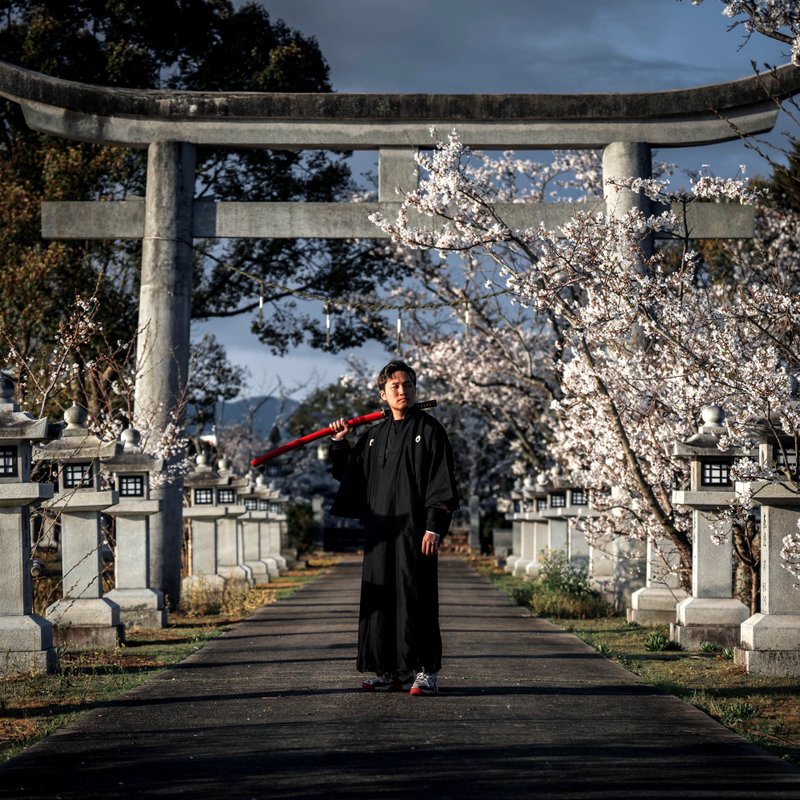
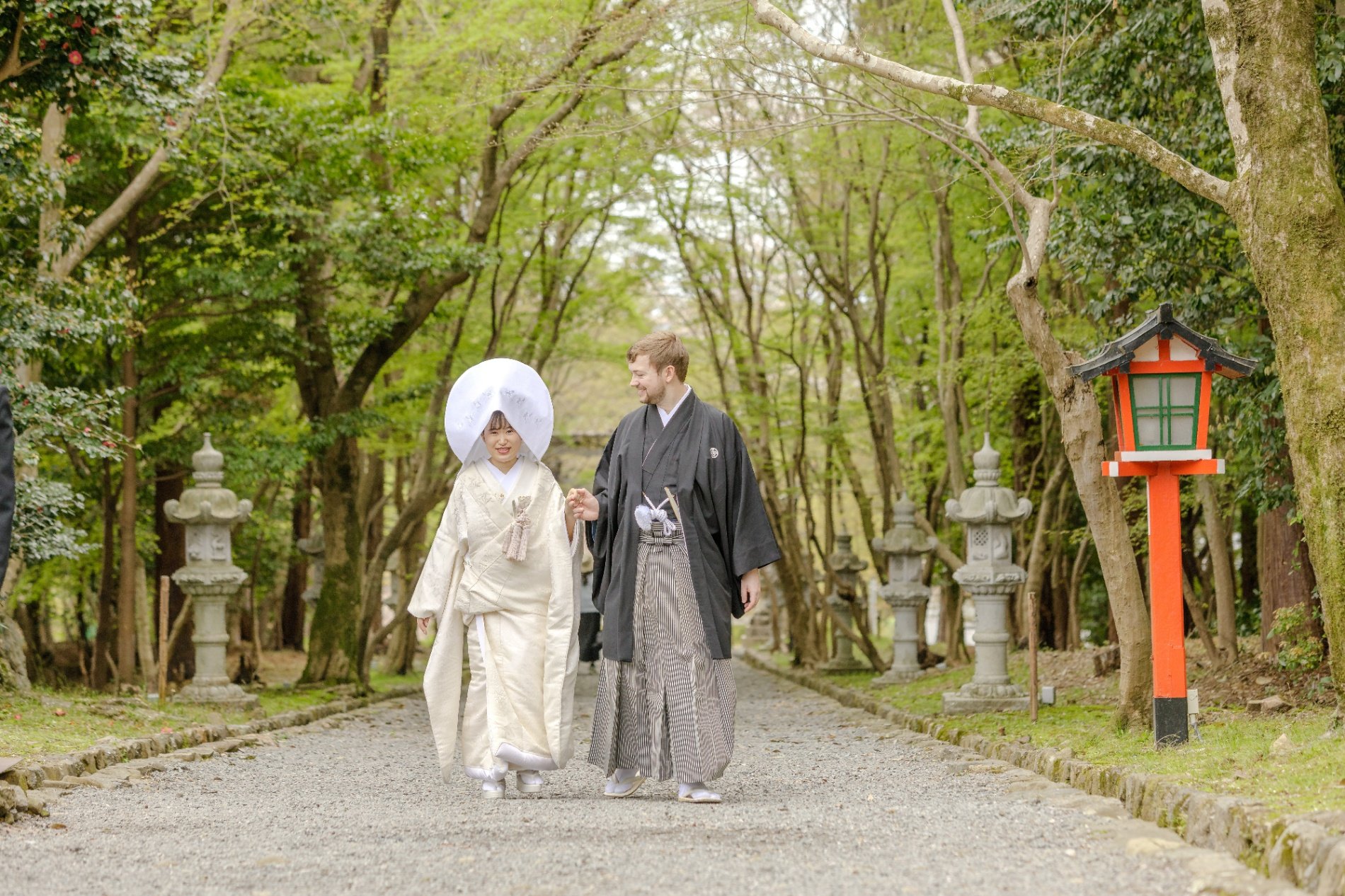
Fushimi Inari: be under the gates before seven
The shrine sits on a hillside south of the city and its paths are open at any hour, with no gate to pass through. Behind the main buildings the Senbon Torii — the thousand gates — splits into two dense parallel tunnels of vermilion, and that is the picture. Before seven you will pass a handful of people in it; by ten it is a shuffling queue and there is no framing around that. The gates are donated, with the donor's name carved on the back of each, which is why photographers face up the tunnel rather than down it: one direction is plain vermilion, the other columns of black text.
Trains make this easy: the JR Nara line runs from Kyoto Station to Inari in about five minutes and the station sits at the approach; the Keihan line stops at Fushimi-Inari, a few minutes' walk away. Check the first service for your date — the timetable decides how dark it is when you arrive.
If you have longer, keep climbing: an hour or so to the Yotsutsuji junction and a view over southern Kyoto, with gate sequences up there that stay empty even mid-morning.
This is a working shrine, not a film set, and people are here to pray. Keep to one side of the path, do not block the tunnel while you work, and leave the tripod in the bag when anyone is behind you. An arranged session on shrine ground may need the shrine's own permission — check ahead.
Arashiyama: the bamboo works only early
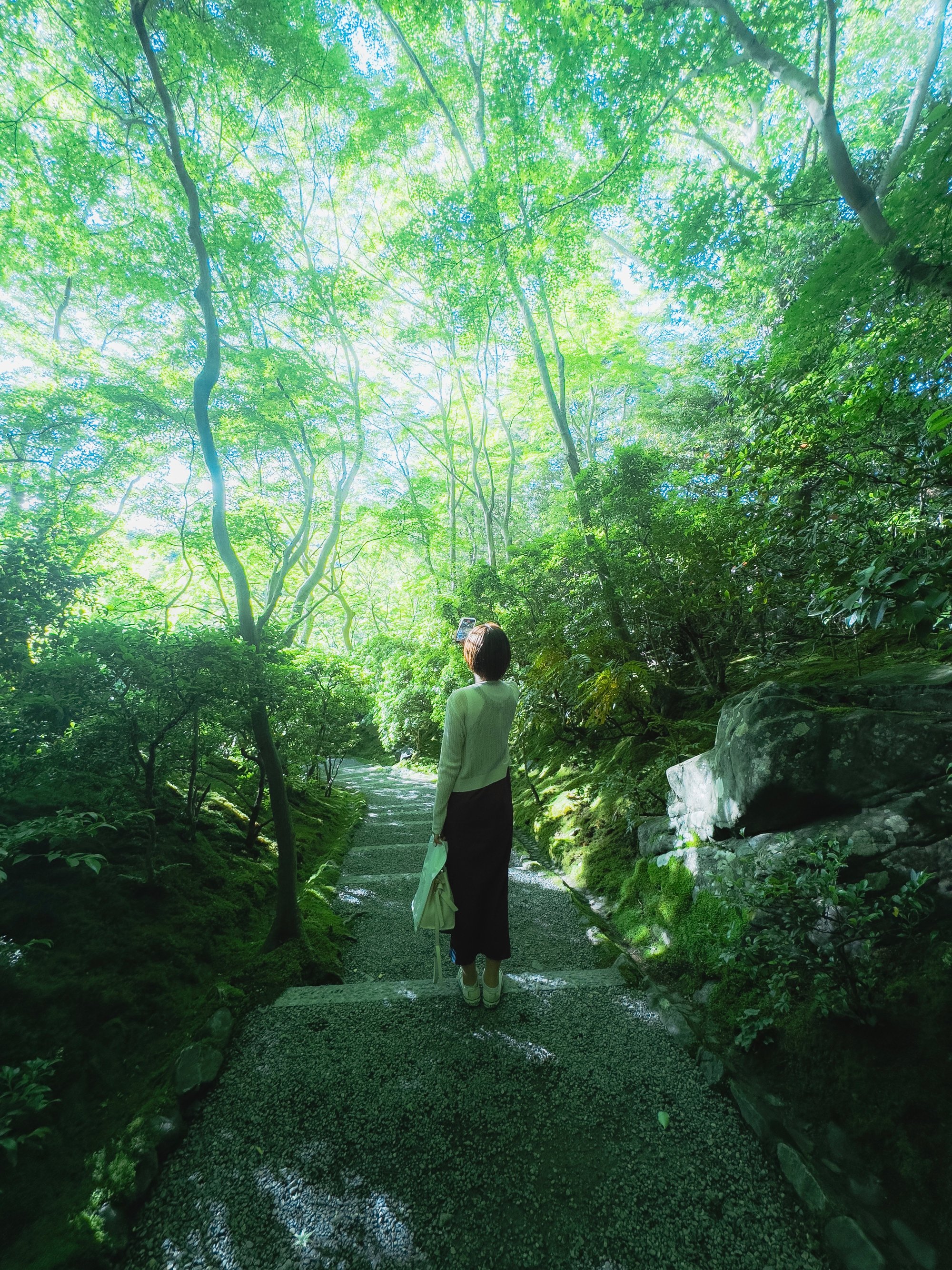
The Sagano bamboo path is a few hundred metres of green running from beside Tenryu-ji up towards Okochi Sanso, and it behaves exactly like Fushimi Inari. Be in it before half past seven: from nine to late afternoon it is packed, and because the frame is a narrow corridor there is nowhere to put people out of shot.
The light matters as much as the crowd: bamboo is flat green that photographs best under soft light — the hour after sunrise, or an overcast day — while high sun turns it into hard stripes. A grey morning here is a gift.
Get there on the JR Sagano line to Saga-Arashiyama, about twenty minutes from Kyoto Station and ten minutes' walk from the grove; the Randen tram stops closer; Hankyu comes in from the south, fifteen minutes on foot over the bridge. Once the grove fills, the district is the reward: Togetsukyo bridge over the Katsura river with the hills behind it, the riverbank upstream and down, and in the evening the lit kimono-fabric pillars at the Randen station.
Kiyomizu-dera and the stone lanes
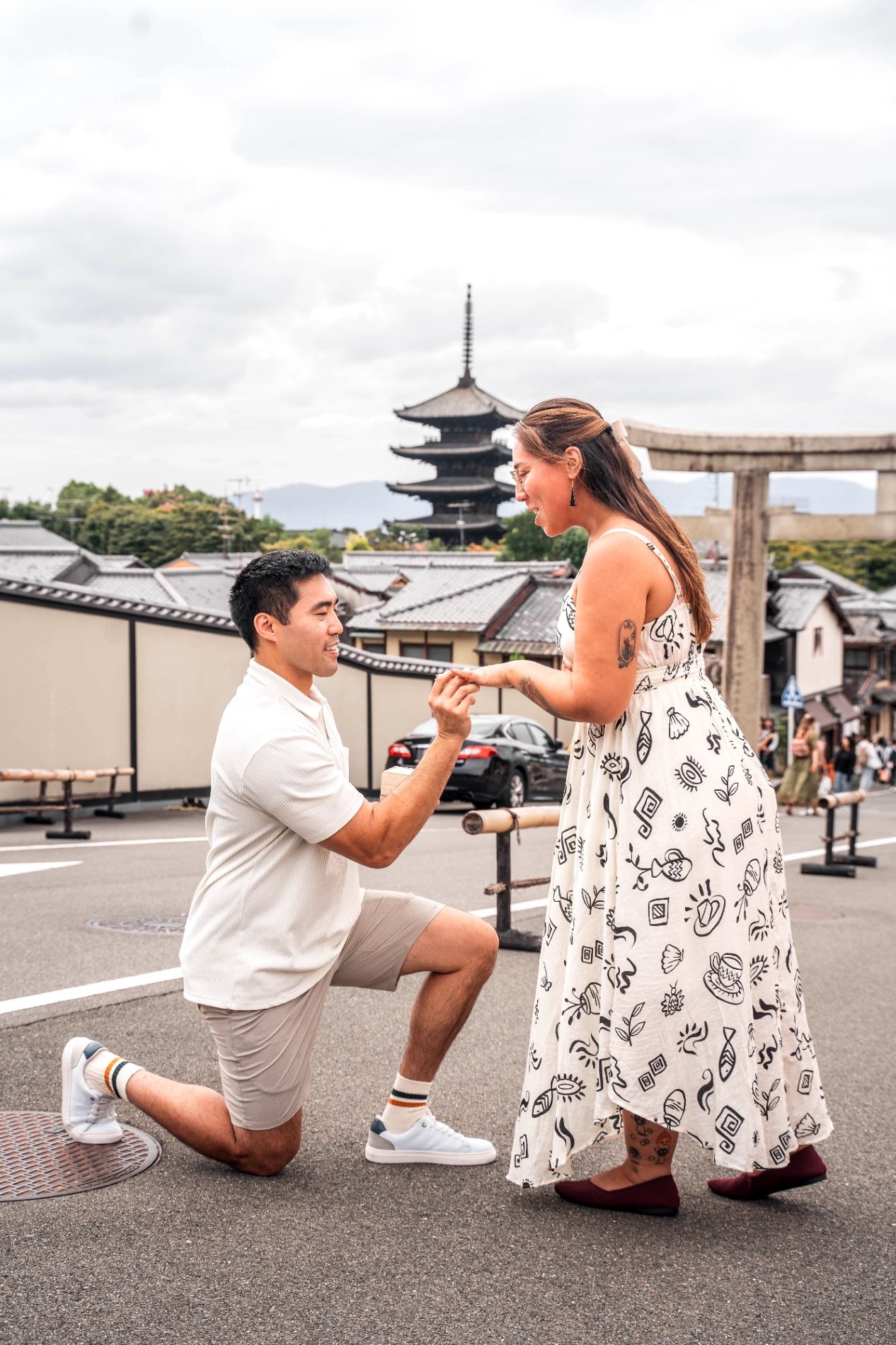
Kiyomizu-dera opens earlier than almost anything else in Kyoto — around six, though hours shift through the year and during special openings, so check before you set the alarm. That hour buys you the wooden stage on its scaffold of pillars with soft light and no queue. The postcard view of the stage is not from the stage: it is from the path below and to the south, near the Koyasu Pagoda, looking back.
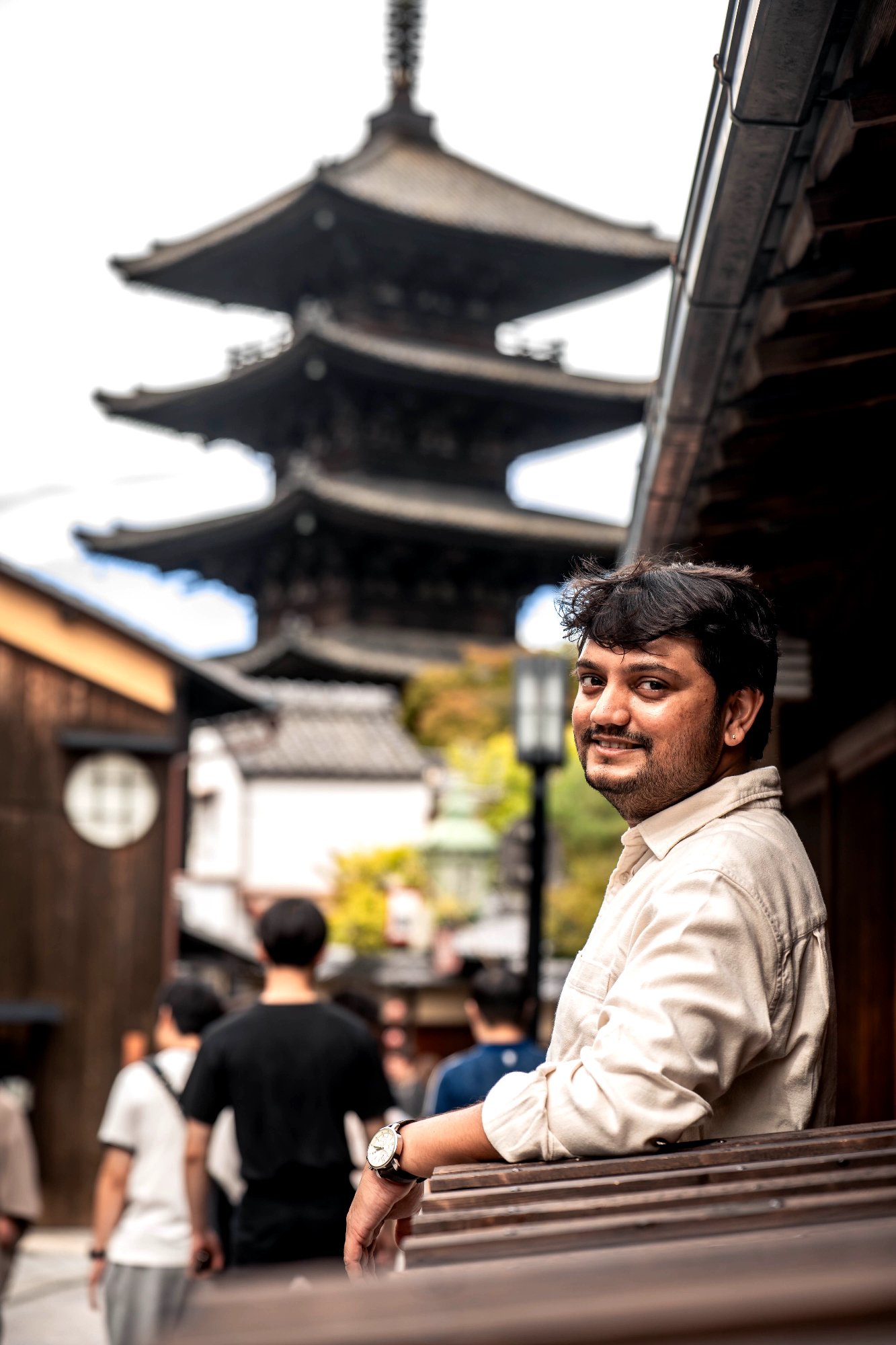
Walking down afterwards is the better half. Sannenzaka and Ninenzaka, the stepped stone lanes below the temple, are close to empty before eight, the only sound shopkeepers sweeping. Keep going and the lane turns at the Yasaka Pagoda, the five-storey tower of Hokan-ji, which closes the frame at the end of a sloping street. These are public streets with residents, deliveries and shops; they fill from mid-morning and are brutal in blossom and maple season. Do not eat while walking here, and do not stand in someone's doorway.
Gion after the lanterns come on
Gion is worth the evening, with a clear line between what is open and what is not. Hanamikoji, the main street of wooden machiya teahouses, and the Shirakawa canal at Tatsumi Bridge, with its willows and low lanterns, are public streets and open to visitors. The narrow private alleys off them are closed, with a posted fine for entering, and photography on the private streets is banned outright.
Photographing geiko and maiko without their consent is banned, and the reason is not squeamishness: they are at work, walking to an appointment in a handmade kimono, and the crowding got bad enough that the district acted. If someone in full dress passes you, lower the camera and step aside. The rules tightened in 2019 and again in 2024 and may tighten further, so read the signs on the day.
Dusk is the hour: the lanterns come on while the sky still holds blue, and the wooden fronts read for perhaps twenty-five minutes. Keihan Gion-Shijo and Hankyu Kyoto-Kawaramachi are a few minutes away on foot.
The maple weeks, and the one bridge you cannot shoot from
Kyoto's autumn runs from mid-November into the first days of December, later than the mountains and later than most people plan for. Tofuku-ji is the heavyweight: a valley of maples crossed by the covered Tsutenkyo bridge, on the JR Nara and Keihan lines one stop south of Kyoto Station. The catch is that during the peak autumn weeks the temple allows no photography from the bridge or the covered walkway beside it, to stop people stopping — and it is enforced. Shoot the valley from the garden paths below instead, and give the Hojo garden ten minutes: its checkerboard of moss and stone photographs like a graphic.
Eikan-do and the Philosopher's Path sit together on the eastern hills. The path is a two-kilometre canal walk between Ginkaku-ji and Nanzen-ji, lined with cherry trees for spring and quiet at dawn; the temples along it hold deep colour into December and several run ticketed evening openings with the trees lit. Those dates are set fresh each year — check them.
What clients say about this kind of shoot
We had such a great photography experience with OKINI PHOTO TOUR! If you’re looking for an Osaka photographer, especially for a couple photoshoot in Osaka, I would definitely recommend them. The photographer made us feel comfortable from the beginning and guided us naturally with poses, so even if you’re not used to being in front of a camera, the experience is very relaxed and fun. What I really liked was that this wasn’t just a typical photoshoot. We walked around Osaka and enjoyed the city while taking photos, so it felt like both a photo tour and a local Osaka experience. The photos around Dotonbori and Osaka’s neon streets were especially beautiful. The photographer knew where to shoot, how to use the city lights, and how to capture natural moments between us. For couples traveling in Japan, honeymooners, or anyone searching for couple photography in Osaka, an Osaka travel photographer, or a Dotonbori photoshoot, OKINI PHOTO TOUR is a great choice. A wonderful way to keep memories from our trip to Osaka. Highly recommended!
— 伊藤尚也 on Soh
I had a truly unforgettable kimono photo shoot experience in Kyoto with Sanbao. He was warm, professional, and attentive to every detail. Since it was a busy weekend, he carefully selected a quieter temple location that was both peaceful and incredibly photogenic , a perfect setting away from the crowds. I’m not particularly familiar with wearing a kimono, so I wasn’t sure how to pose in a way that would look natural and elegant. But Sanbao is clearly very experienced . he thoughtfully designed the entire shoot based on the background, the setting, my kimono, and even my personality. He gave clear, gentle guidance and helped me feel comfortable and graceful throughout the session. Even the raw photos I received the same night were stunning. Each photo felt artistic, well-composed, and beautifully balanced (capturing not just how I looked, but how I felt in that moment. )It was truly a personalized, artistic experience that I’ll treasure forever. Highly recommend Sanbao to anyone.
— Xia on Sanbao Z.
We had a fantastic private photo session with SanBao. He’s highly professional, knows the area well, and was punctual. He kept great conversation throughout, which made us feel comfortable and relaxed. He also recommended a kimono rental and helped make the reservation, ensuring the whole process was smooth and well-planned. Most importantly, we absolutely love the photos he took of me and my family. You can tell he truly loves what he does—his expertise with lighting is amazing, and he has a real talent for capturing special moments. We couldn’t be happier with the results and highly recommend booking with SanBao!
— Molly on Sanbao Z.
Soh was the best! He knew all the hidden gems in Tokyo and we had the best shoot with him! Super professional, on time and gave great creative direction!
— Cathy D. on Soh
Soh was INCREDIBLE! The shots he got for us were so awesome, he knew so many amazing off the beaten path spots for pictures. 10/10 if you want awesome photoshoots come here!!
— Yeremi H. on Soh
I had such a great photoshoot experience with Okini! 📸✨ It was honestly so much fun, and the photos turned out absolutely beautiful. The Tokyo Tower spots were perfect, and our 2-hour photoshoot gave us so many amazing shots. Everything felt fun, relaxed, and worth it from start to finish. Definitely such a memorable experience and one I’d recommend if you want beautiful photos in Tokyo! 🗼💕
— Maria D. on Soh
Kimono, and what it does to the plan
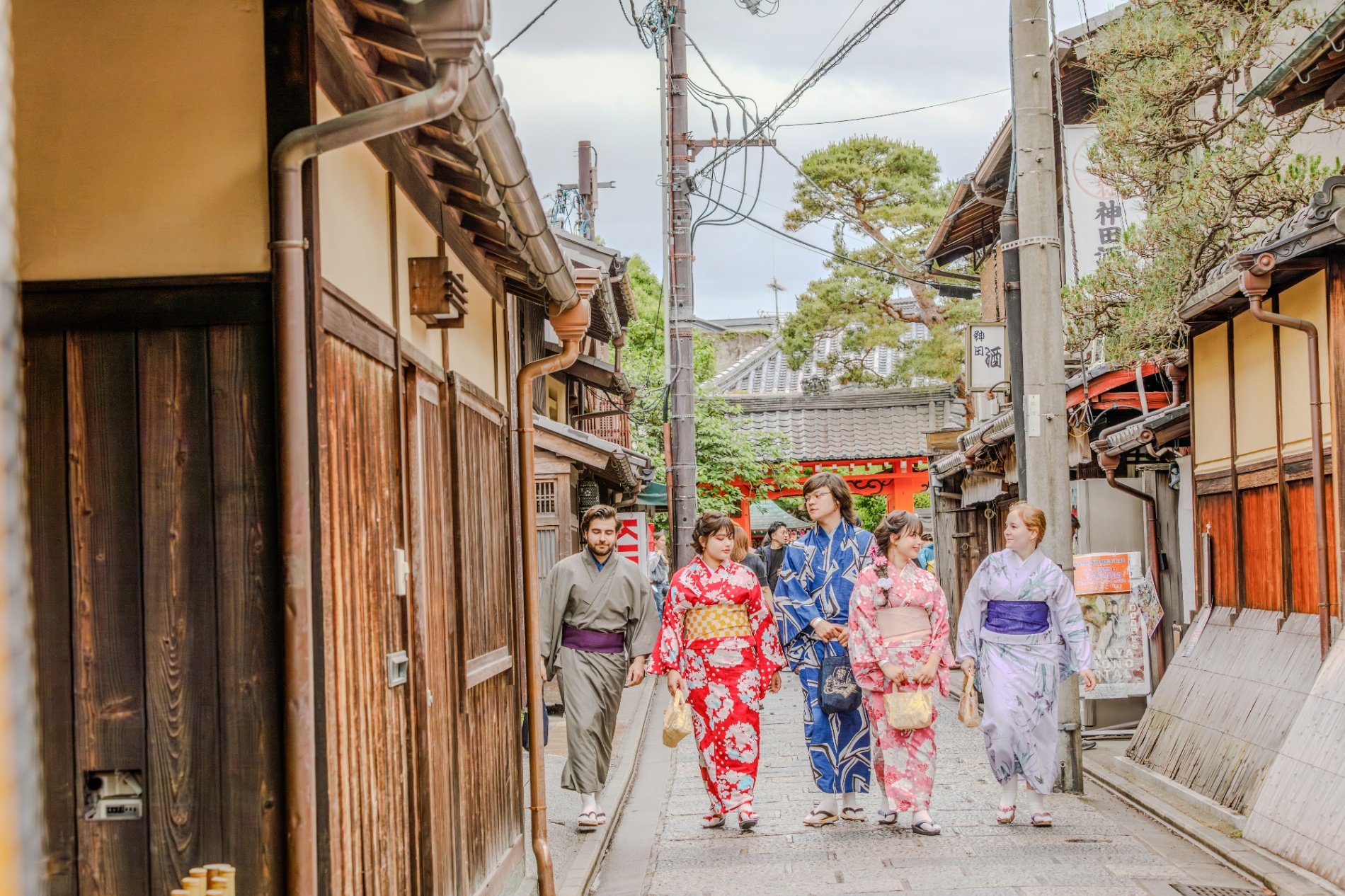
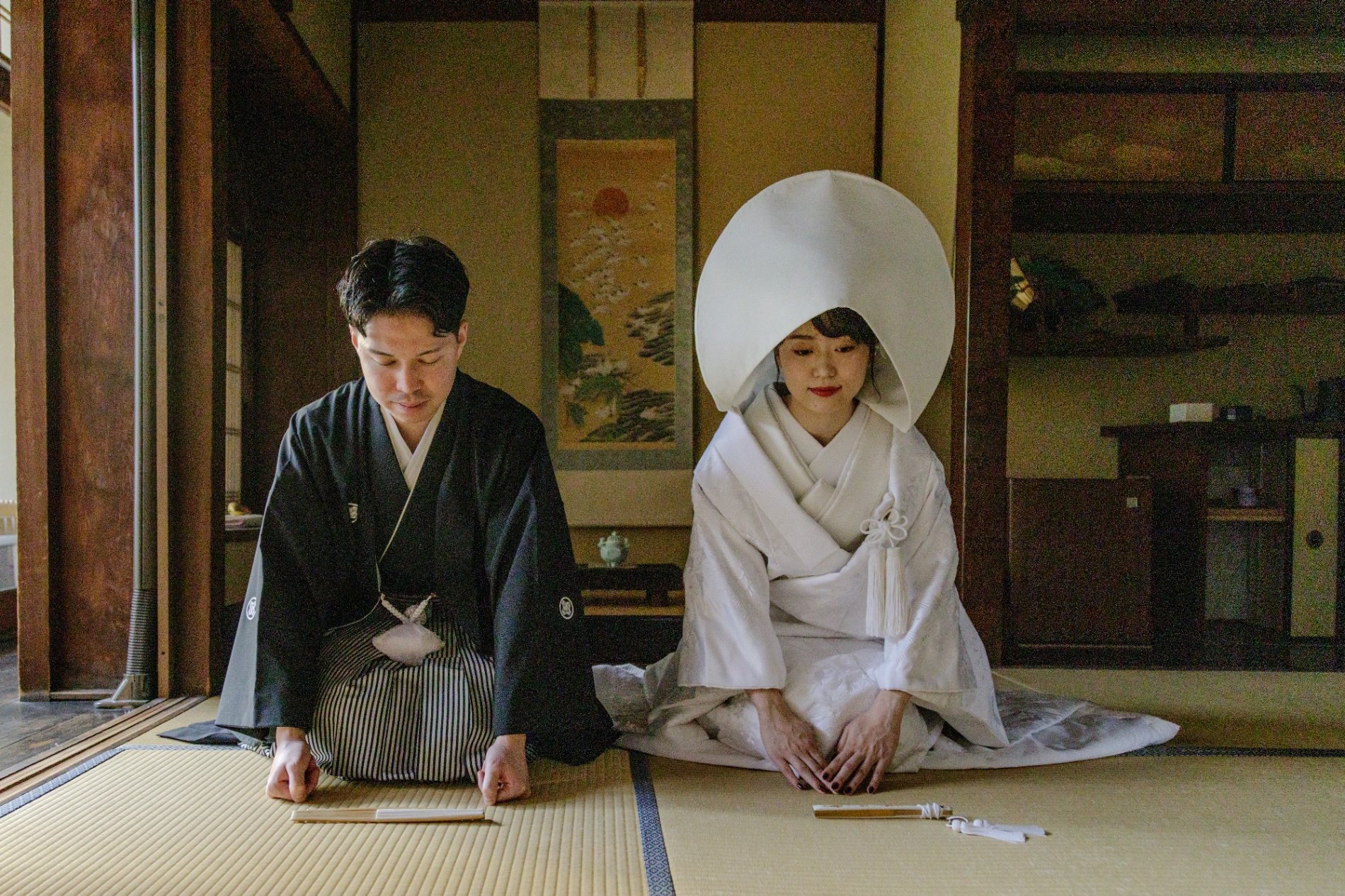
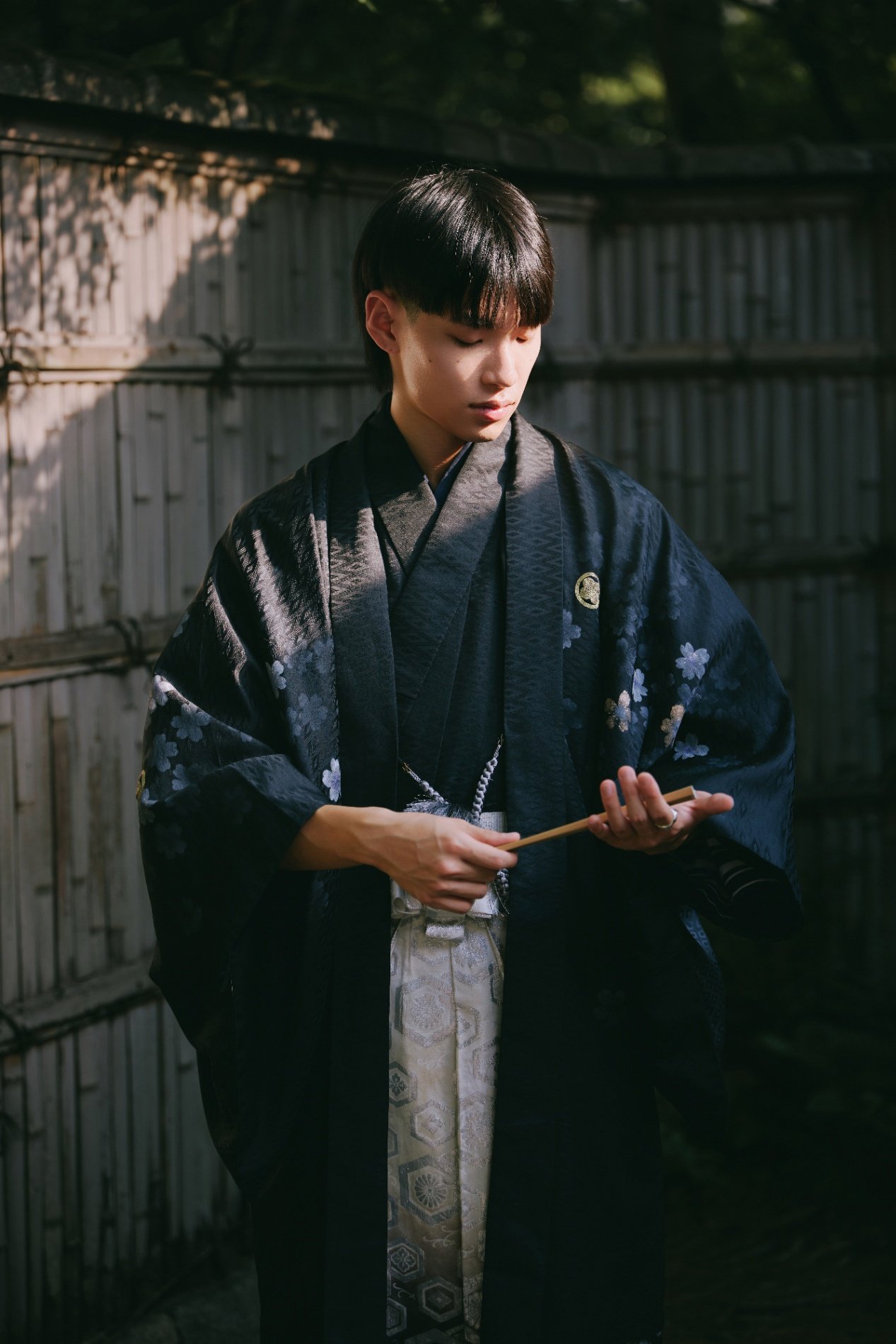
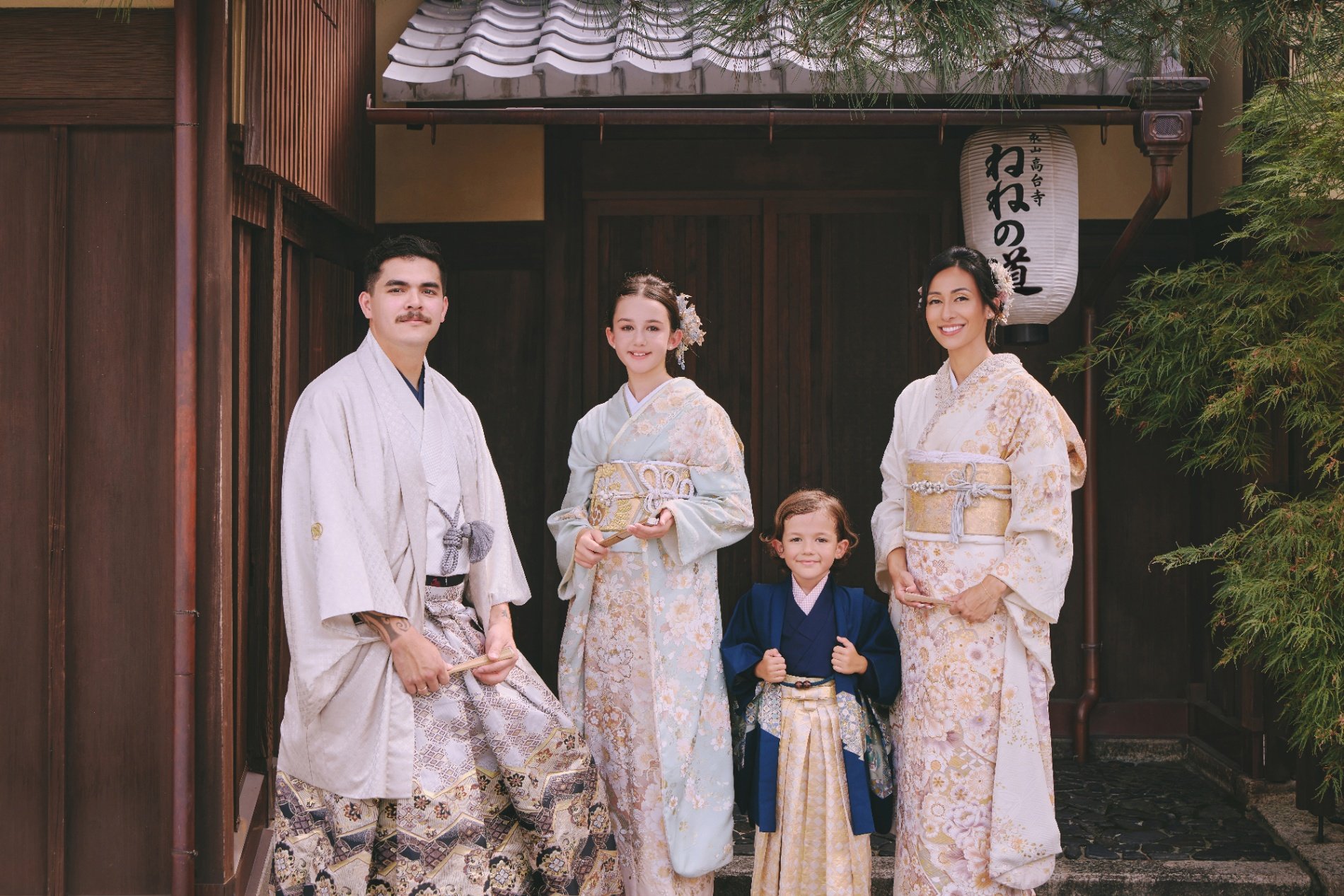
Renting a kimono here is ordinary rather than costume, and it photographs as it was designed to: the collar, the obi and the sleeves sit a particular way, and letting the shop dress you properly is the difference between a portrait and a dressing-up photo. Build the time in. Dressing takes a while, the shop's closing time is a hard stop for the return, and you walk slowly in zori sandals — so plan two locations rather than four, with flat approaches.
Getting around, and the bus trap
Kyoto is small, and its buses are the slowest way across it in blossom and maple season, when the routes along Shijo-dori and out of Kyoto Station crawl. The subway's two lines, the Keihan along the river and the Hankyu into Kawaramachi skip most of the jam, and the city runs limited-stop sightseeing buses whose routes change from year to year — check the current ones. For a dawn start, a taxi is often the only thing moving. Rail passes come in several shapes and their terms change; check whether one earns its keep for your route.
Half a day out: Nara and Osaka
Kyoto sits thirty to forty-five minutes from two very different second locations. Nara gives you Todai-ji, the lantern paths of Kasuga Taisha and deer wandering the park — wild animals, not props, so keep children close and food out of sight. Osaka gives you the opposite: neon on water at Dotonbori, best after dark, a good evening if your Kyoto morning was temples.
What the seasons actually change
Blossom opens from late March into early April, with about a week of full bloom and a date that moves by up to a fortnight — a window, never a date. The rainy season, early June to mid-July, is Kyoto's underrated one: wet stone, saturated moss, empty gardens. July and August are hot and humid enough to shorten any session. Autumn peaks from mid-November into the first days of December. Winter is quiet and clear, and the rare morning when snow settles on a temple roof is the best Kyoto picture there is — nobody can promise it to you.
Planning a Kyoto photoshoot
Decide the hour first and the places second. A dawn session means Fushimi Inari or the bamboo, and being at the station in the dark. An evening session means Gion at dusk, or the eastern lanes with the lanterns on. Both in one booking means a long gap in the middle.
Sixty minutes covers one area properly — the gates, or the bamboo and the river, or Gion. Two hours puts two together with a short taxi or train hop, usually the eastern hills plus Gion. Add time if kimono is involved, and more in the blossom and maple weeks, when even an early start meets a crowd.
A photographer who shoots here regularly knows which gate sequence is empty at seven, which lane is shaded at six, and which temple will say no. Read the destination page for Kyoto, see what a couples photoshoot usually covers, and browse photographers online.
Want professional photos in Kyoto?
Browse portfolios, compare packages, and book a verified local photographer in minutes.