Takayama and Shirakawa-go: Edo streets, thatched farmhouses and deep winter snow
Takayama's old town is three parallel streets, each a couple of hundred metres long, and at seven in the morning it is completely empty. That is the whole trick. The dark stained timber, the white plaster gables, the water channels along the kerb and the cedar balls outside the sake breweries look exactly as good at eleven, except that at eleven there are two hundred people in the frame: the coaches have arrived and the day-trippers are back from Shirakawa-go. Everything below is arranged around getting one early morning in the town and one early morning in the valley, which between them are worth more than three days spent arriving at the wrong hour.
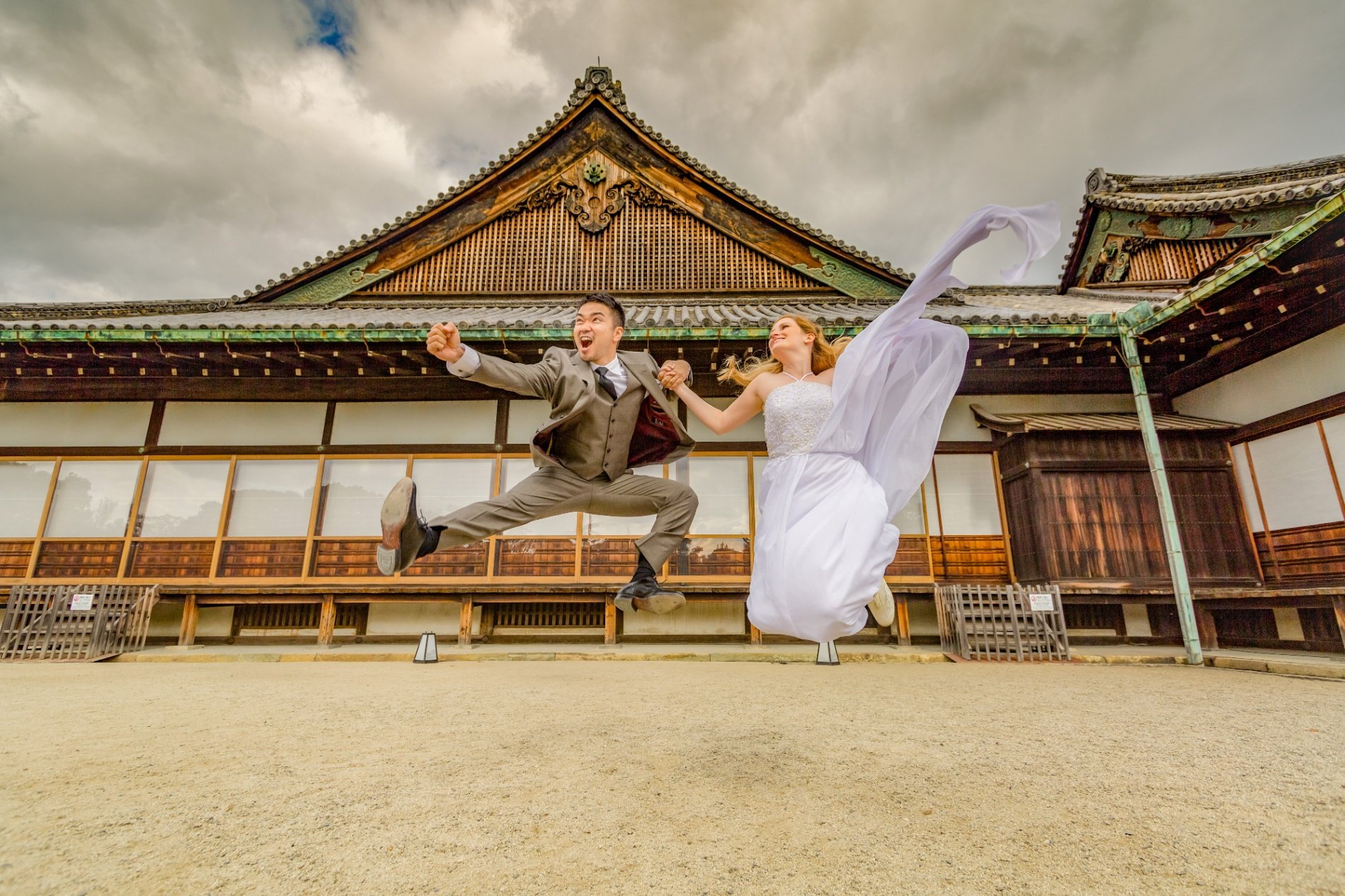
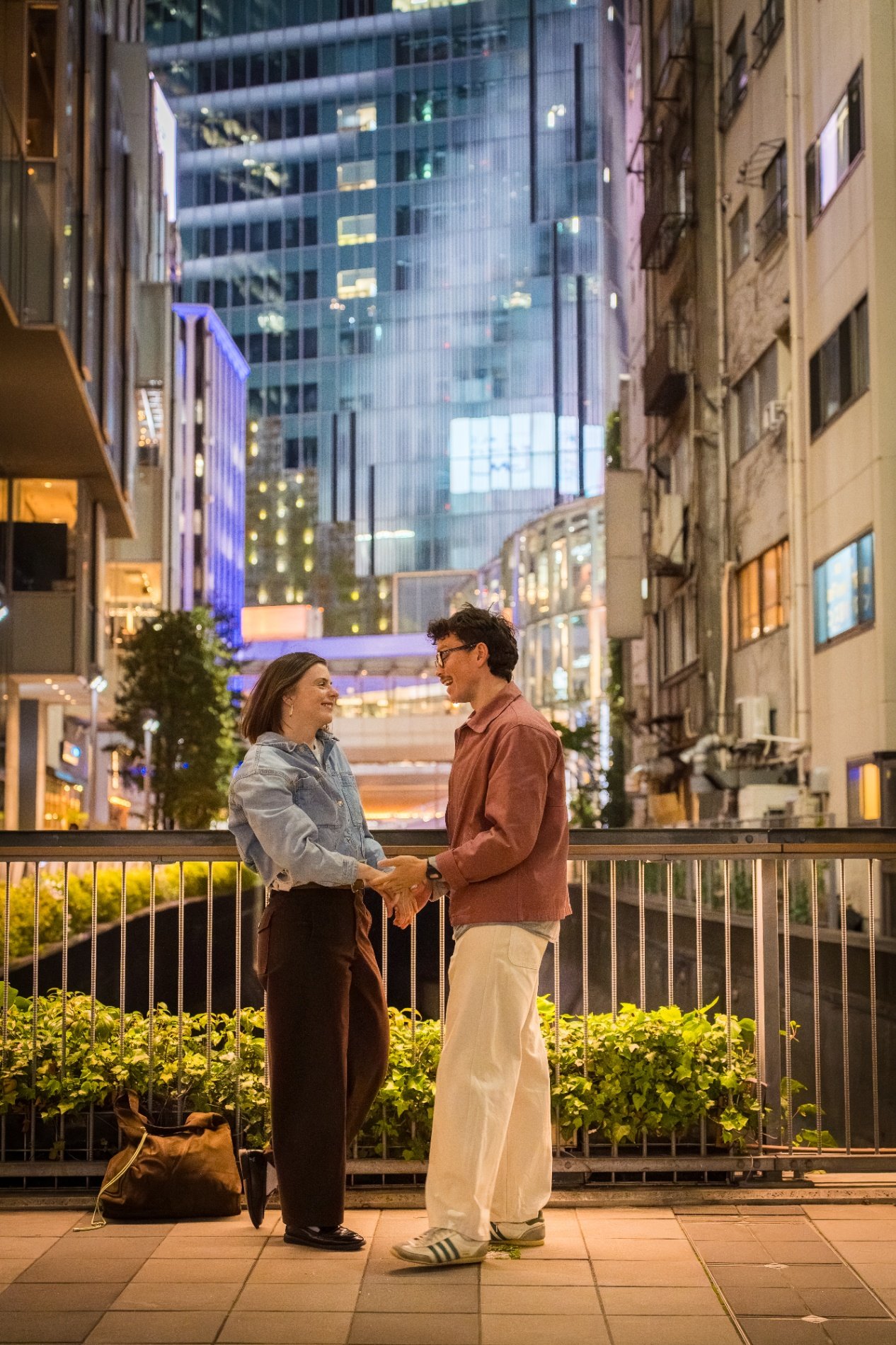
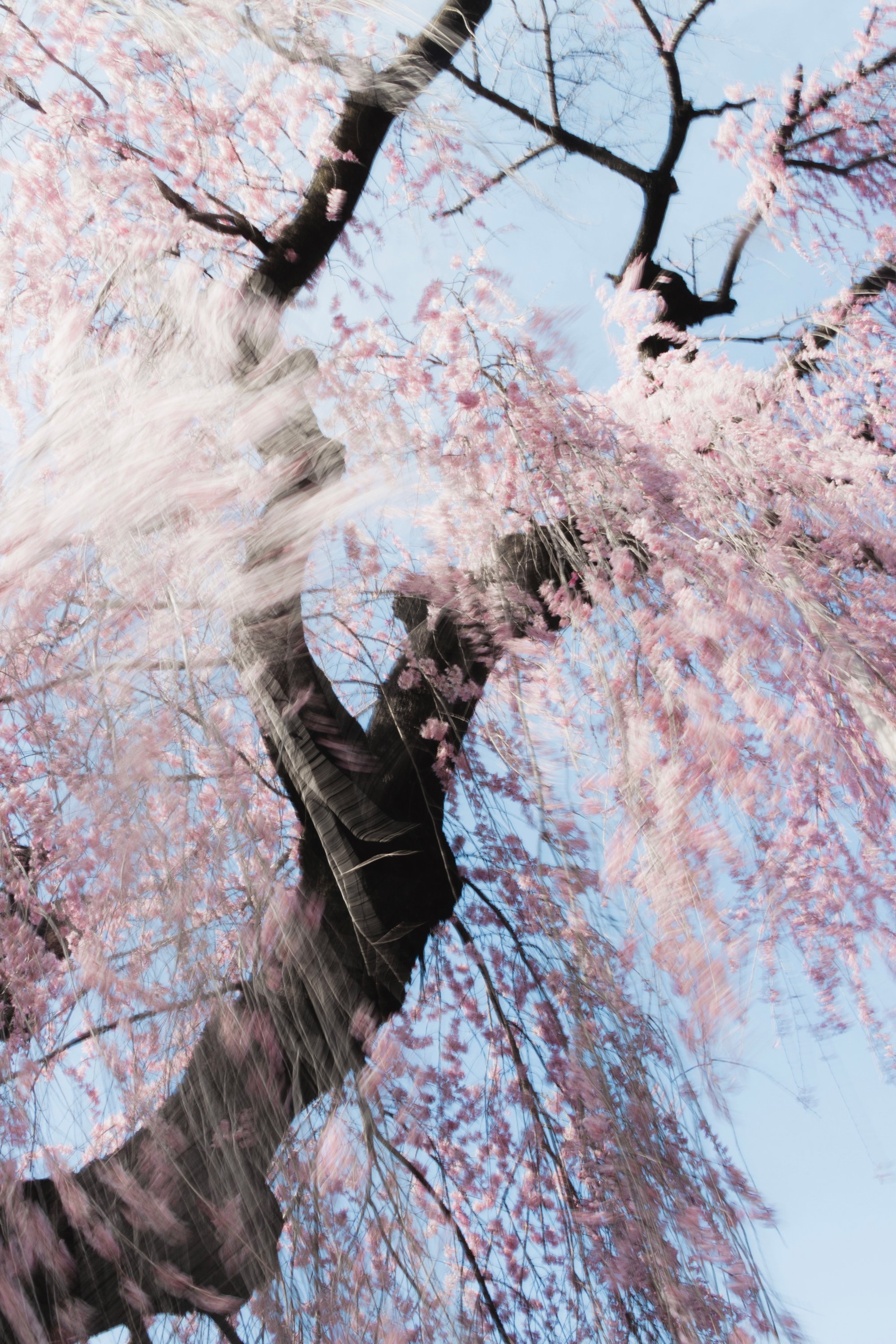
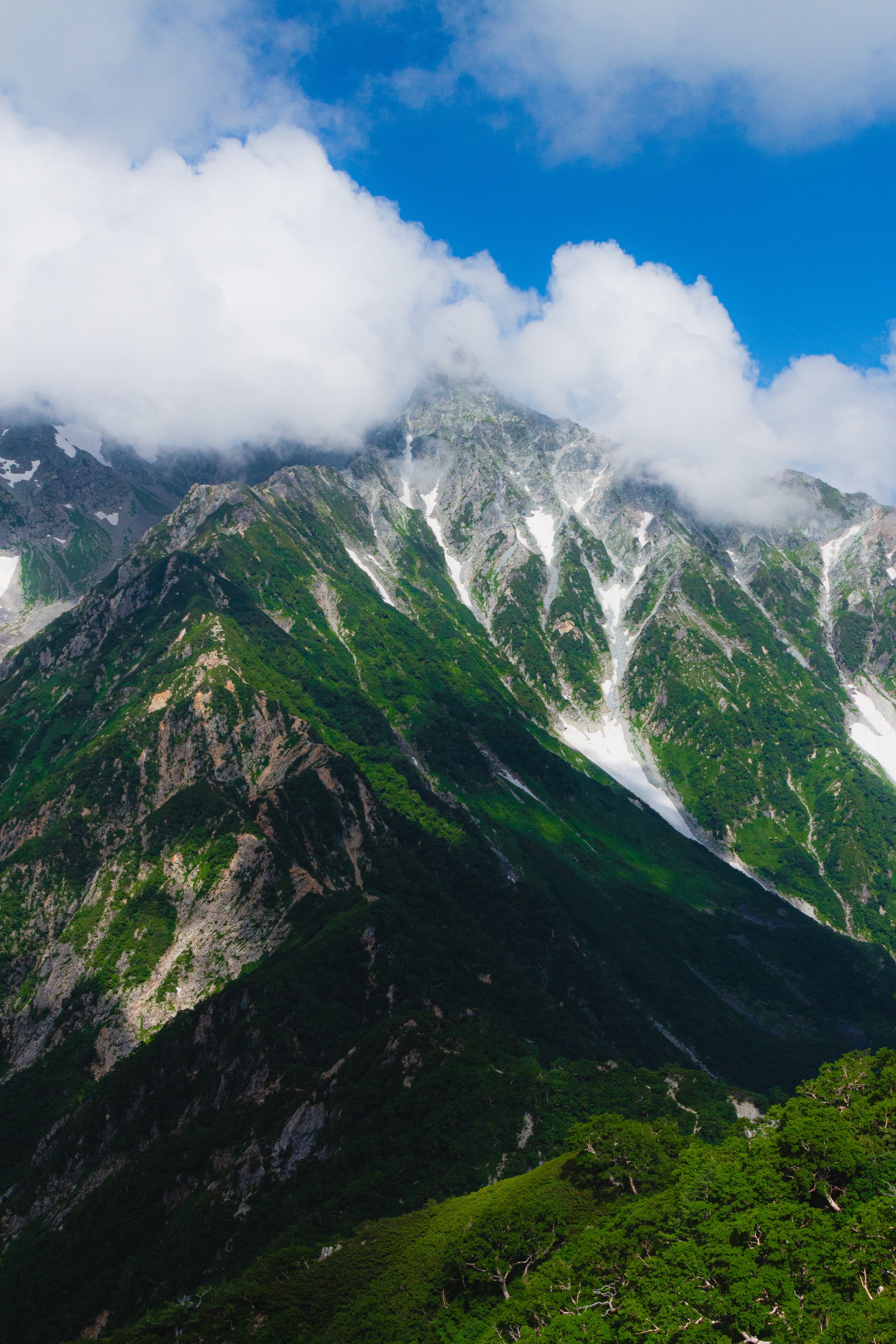
Real shots from Takayama
Sanmachi Suji: the hour before the shutters go up
Sanmachi Suji is the name for three streets — Ichi-no-machi, Ni-no-machi and San-no-machi — of Edo-period merchant houses, timber below and plaster above, with latticed fronts and deep eaves. Several working sake breweries mark their doors with a sugidama, a ball of cedar fronds hung green when the new sake is pressed in winter and fading brown through the year.
The lanes are narrow and the eaves overhang, so direct sun rarely reaches the ground and the light down there stays flat and even from morning to late afternoon. That is unusual and genuinely useful: midday does not ruin Takayama. The crowd does. Shops open around the middle of the morning and the first groups follow them in; before that the street is yours with the shutters still closed: a plainer and better picture, bare wood, no signage, no awnings. Come back in the last hour of light and the lanterns take over.
Plenty of shop interiors ask for no photography, and the old town asks people not to eat while walking. Both are posted; honour both.
The morning markets and the red bridge
Two markets run at the same time and neither is a tourist invention. The Miyagawa market strings stalls along the river embankment — vegetables, pickles, apples, the faceless red sarubobo dolls the region makes — and the Jinya-mae market sits in front of Takayama Jinya, the only Edo-period provincial government house left standing in the country. Both open early and pack up around midday, later in the cold months; check the current hours, because they move with the season.
Between the two stands Nakabashi, the vermilion bridge over the Miyagawa, and it is the most photographed object in Takayama. It works from the riverbank below rather than from the road: drop down to the water and the bridge, the river and the old town stack into one frame. It is also where every tour stops, so it is an early picture or it is nothing.
Higashiyama: the walk that gives you height
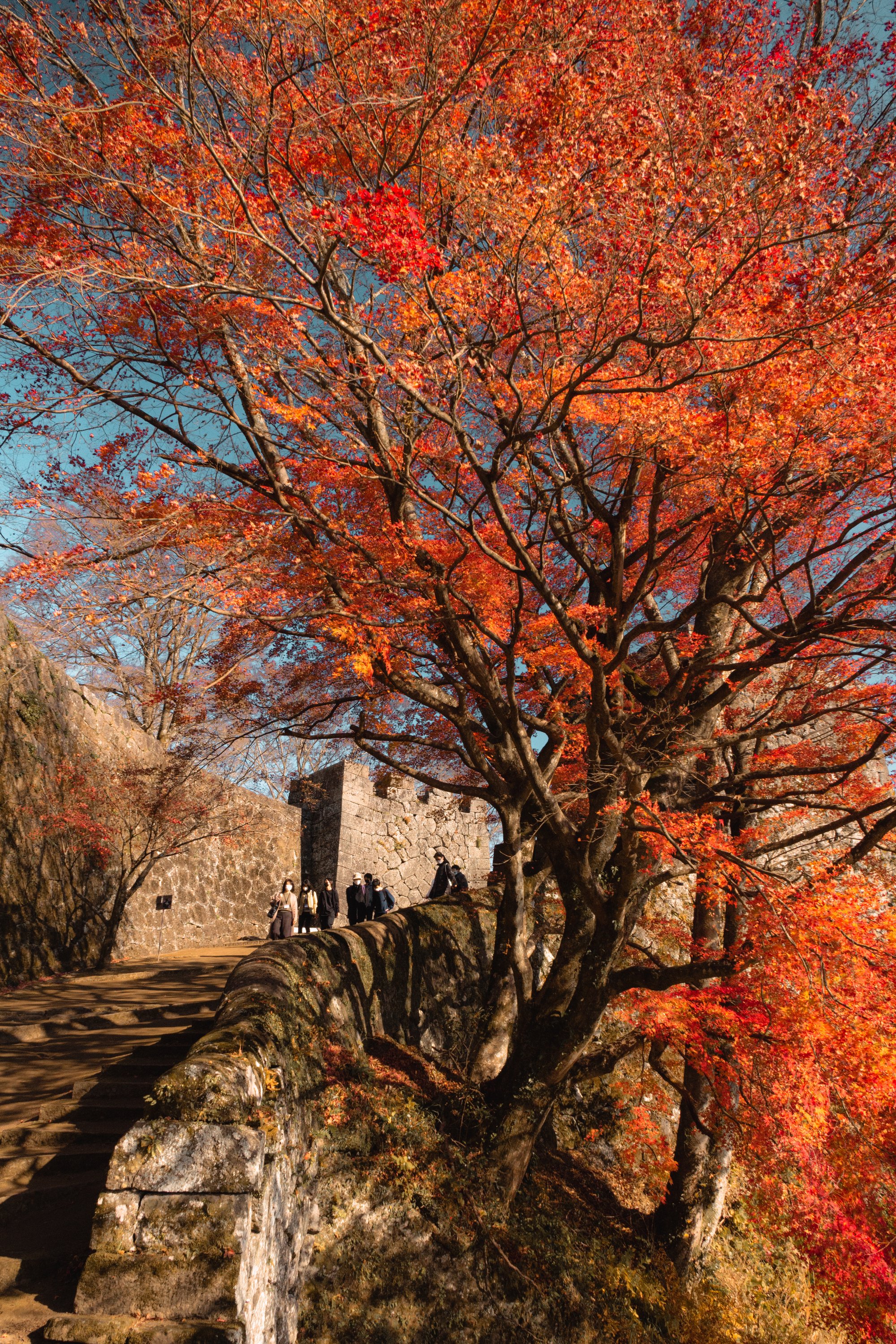
Above the old town, the Higashiyama walking course threads a few kilometres past a dozen temples and shrines, up through cedar and out onto Shiroyama, the hill where Takayama's castle stood. At a photographing pace it takes an hour or more, and almost nobody walks it. The reward is height — grey tiled roofs laid out below with the mountains behind — plus stone steps, moss and cedar shade the streets cannot give you. In autumn the maples along this path turn before anything else in town; under snow the steps are slippery and boots with grip stop being optional.
Getting out to Shirakawa-go
Buses leave from the Nohi bus centre beside Takayama station and take about fifty minutes through the mountains. Some departures are reservation-only and the rest fill in peak months, so book rather than turn up. Coming the other way, buses from Kanazawa take a little over an hour and seats must be reserved.
The timetable is the real constraint. Day visitors arrive from mid-morning and the last useful buses leave in the afternoon, so the village has a quiet start, a crowded middle and a quiet end. A session built around the first bus gets a village; one built around lunchtime gets a car park.
Shirakawa-go: the valley and the viewpoint
Ogimachi is the village everybody means by Shirakawa-go: a flat valley floor of rice paddies with steep-roofed gassho farmhouses scattered across it, hemmed in by wooded ridges on both sides. The thatch is pitched sharply enough to shed metres of snow and some of the houses are three centuries old. People live in them. The gardens, the doorways and the ground between them are private even where no fence says so.
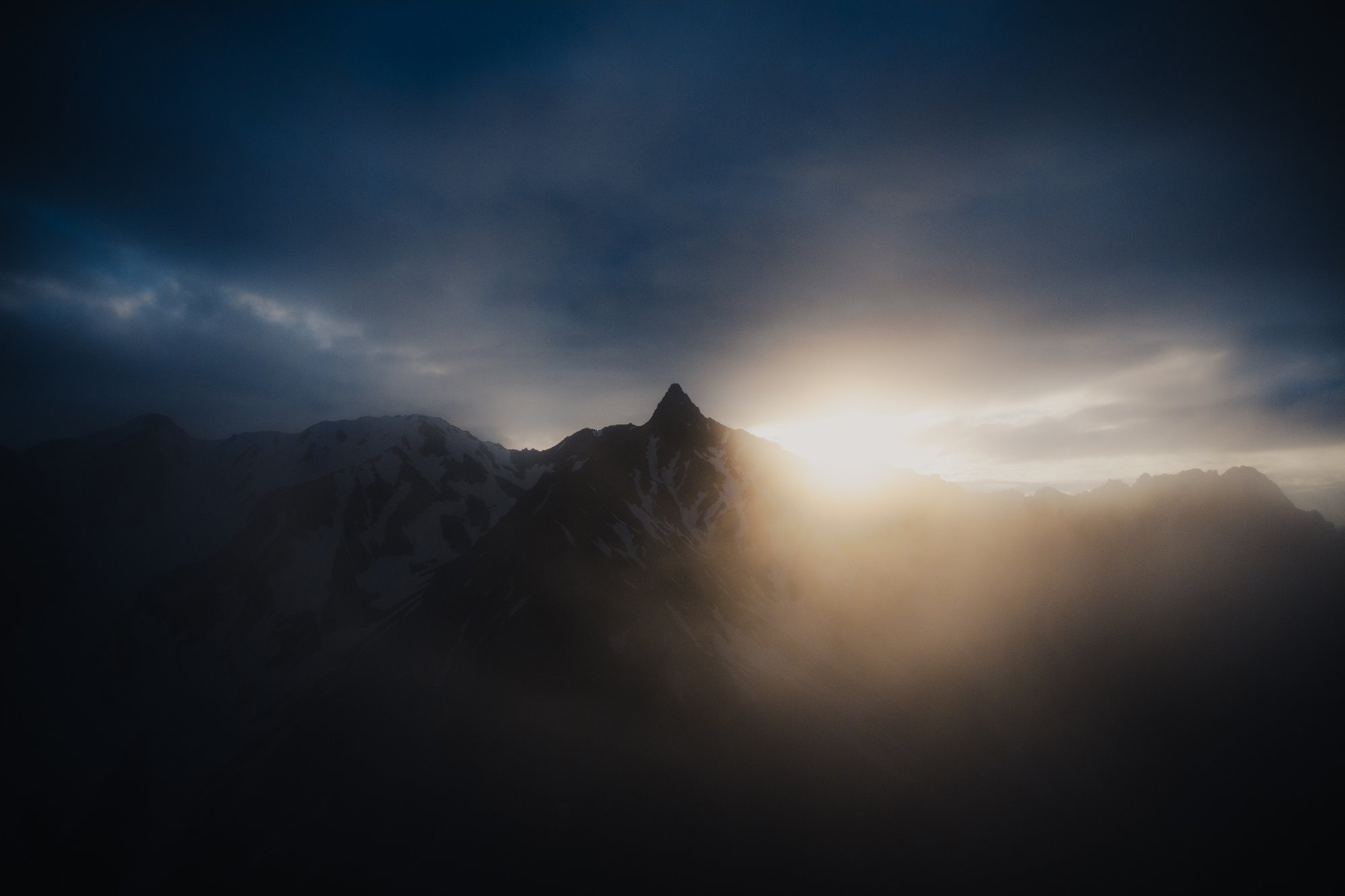
The picture everybody wants is from the Shiroyama viewpoint on the ridge at the northern end: fifteen to twenty minutes uphill on a paved path, or a shuttle bus during its operating season. From up there the whole valley compresses into a single frame. The light is the part nobody warns you about — the ridges on both sides are high and close, so the sun arrives late over the eastern one and goes early behind the western one, and in December and January the usable day on the valley floor is genuinely short. In winter you plan around the middle of the day here, the exact opposite of the rule everywhere else in this guide.
Among the houses the better frames are not the postcard: a path between two farmhouses with thatch filling the top of the frame, the cedar grove around the shrine, the suspension bridge over the Shogawa on the way in. The same houses read differently through the year: mirror-flat paddies in June, gold stubble in October, snow to the eaves in February.
The winter light-up is not a plan
On a handful of winter evenings the village is floodlit and the snow glows. It is beautiful, and it is the worst thing in this guide to build a trip around. Entry is controlled, rooms in the village go by a lottery that closes months ahead, and on those evenings the Shiroyama viewpoint is limited to people staying in the village or arriving on an approved tour. The arrangements have been tightened repeatedly and will change again, so check the village tourist association's current rules.
The honest version: a snowy weekday morning in late January, first bus in and nobody on the paths, gives better photographs than a light-up evening spent in a queue. Take it if you happen to get it; do not build a session around it.
Seasons, and the two festivals
Winter runs deep from late December into February, with snow on the roofs in both the town and the valley. Spring comes late: blossom here runs a couple of weeks behind Tokyo and Kyoto, usually in the second half of April, so this is one of the rare places where you can miss it further south and still catch it. Summer is green and humid, with mist on the valley floor at first light. Autumn colour reaches the Hida valleys from late October into the first days of November, ahead of Kyoto, and that is the busiest week of the year on the Hida trains — reserve.
Takayama's two festivals, one in spring and one in autumn, bring elaborate carved floats into the old town and fill every room for miles. They are wonderful and they are the wrong days for a private session: the streets are shoulder to shoulder. Check the dates before fixing travel days.
Getting there, and why it needs a night
The Hida limited express runs from Nagoya to Takayama in about two and a half hours, following the river gorge for much of the way. From Tokyo the usual route is the Tokaido Shinkansen to Nagoya and the Hida on from there, around four and a half hours door to door; the Hokuriku Shinkansen to Toyama and the Hida down is similar when the connection is good and considerably longer when it is not. Whether a rail pass earns its keep depends on the rest of your route, so work it out rather than assume.
Four and a half hours each way is why this is not a day trip. One night in Takayama buys the empty old town at dawn and the first bus to the valley. Two nights, one here and one in the village or in Kanazawa, make it a proper leg of a trip: Kenroku-en under snow, with the pines roped into their winter cones, is the natural other end.
Planning a Takayama and Shirakawa-go photoshoot
Pick one place per session and one hour per place. Sixty minutes covers Sanmachi Suji and the river properly at first light. Two hours covers the old town and the Higashiyama steps, or the village and the viewpoint with the walk up included. Trying to fit both towns into one session mostly means photographing a bus.
Winter changes the arithmetic. Cold shortens everyone's patience, so short and sharp beats long and ambitious: plan warm gaps indoors, keep spare batteries somewhere warm, and remember that in the valley the good light sits in the middle of the day rather than at its edges.
A photographer who works this area knows which bus beats the coaches, which side of the street still has shade at four and which paths are ice in February. You can read the destination page for Takayama, see what a couples photoshoot usually covers, check how booking works and book a photographer online.
Want professional photos in Takayama?
Browse portfolios, compare packages, and book a verified local photographer in minutes.