Sapporo, Otaru and Hokkaido: snow, the lantern canal and the summer flower fields
Hokkaido keeps a different calendar from the rest of Japan, and that is the entire reason to photograph there. The blossom that opens in Tokyo in late March does not reach Sapporo until the end of April. The rainy season that soaks the country through June skips the island altogether. And the snow, a novelty further south, arrives in December and stays to March in quantities that change what a street is rather than decorating it. Choose a destination by what it will look like in the pictures and this is the one where the month matters most.
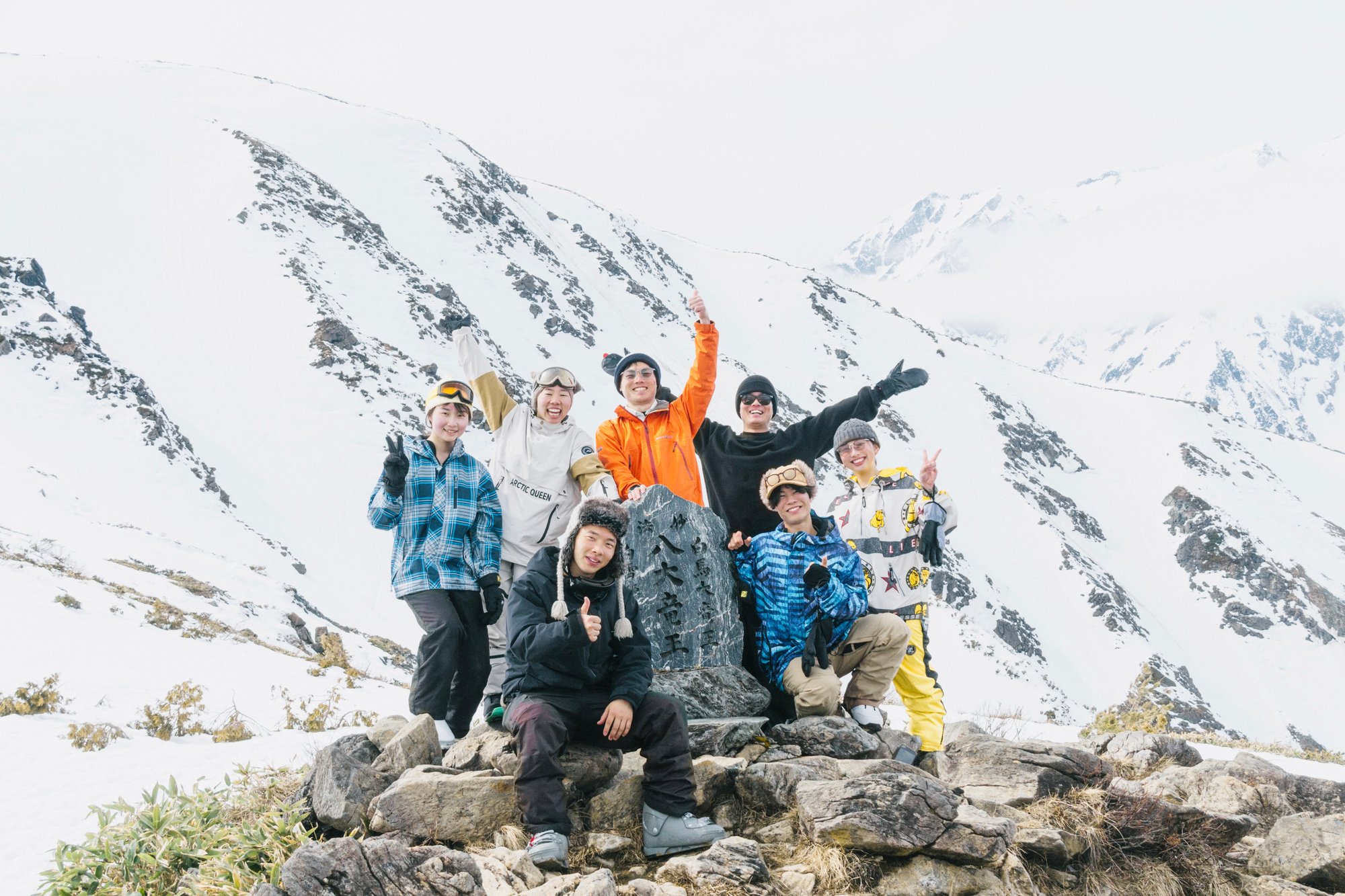
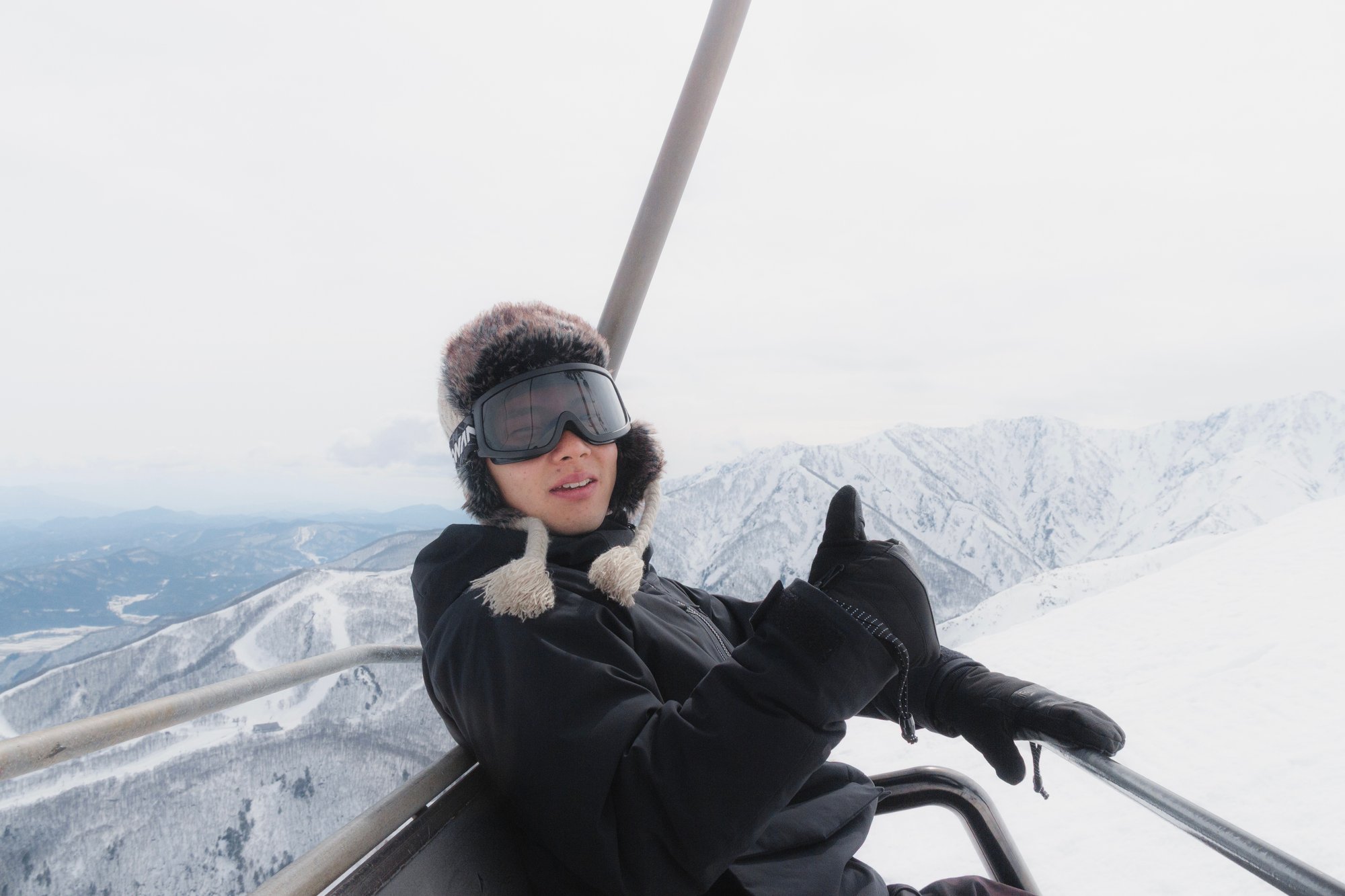
Real shots from Sapporo
Winter is the main season, and it is long
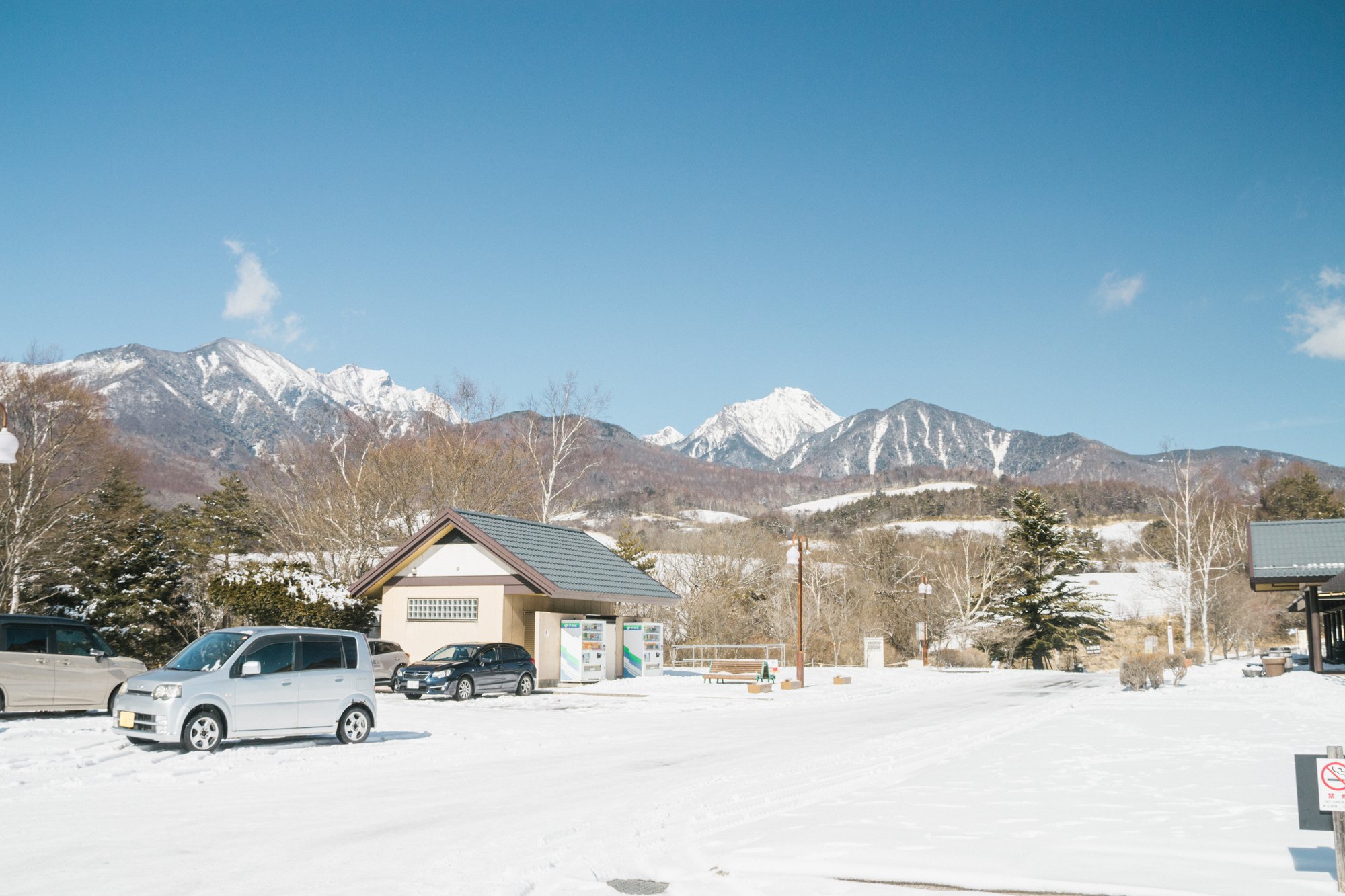
Sapporo takes more snow than almost any city of its size anywhere, reliably from December through to March, and it does two things for photographs. Overcast snow days turn the whole sky into a softbox: no shadows, no squinting, colour drained out of everything except what people are wearing, which is why a red coat is worth more here than anywhere else. The clear morning after a fall gives the opposite — blue shadows on white, hard directional light, steam off every vent in the city.
The cold is not decorative. Midwinter sits well below freezing for days at a time and in late December the sun is gone by about four. Work in short bursts with warm gaps between them, keep spare batteries in an inside pocket because cold flattens them, and accept that nobody looks relaxed after twenty minutes at minus ten. Boots with grip matter more than anything else you pack: by February the pavements are polished ice.
Otaru: the canal, the gas lamps and Sakaimachi
Otaru is thirty minutes west of Sapporo on the JR Hakodate line by rapid train, forty-five by local, and it is the best-looking hour in Hokkaido. The canal runs a few hundred metres below the road with a stone towpath along the far side, gas lamps at intervals and a wall of brick and stone warehouses behind — a nineteenth-century port that stopped being a port and kept its buildings.
Midday puts a coach party on exactly those few hundred metres. Dusk empties it, lights the lamps, puts warm windows into the warehouses, and if it is snowing you get falling snow lit from below: the frame people travel here for and mostly photograph at the wrong hour. Up the hill, Sakaimachi is a street of stone-fronted merchant houses, glass workshops and a steam clock, busy by day and quiet once the shops close; most interiors ask for no photography, so ask rather than assume.
The February weeks everyone wants
Two things happen in early February and they usually overlap. Sapporo's snow festival fills Odori Park with large snow sculptures, with ice carvings in Susukino and a family site out at Tsudome. Otaru lights candles the length of the canal and along the Temiyasen, a disused railway line turned footpath, for its snow light path. Both are lovely, both are packed solid, rooms are gone months ahead, and the canal at candle time is a slow-moving queue rather than somewhere you can work.
If you want those weeks, book early and treat the crowd as part of the picture. If what you want is deep snow and empty streets, come in the second half of January or the last week of February, once everyone has gone home. The snow is the same. Dates move every year, so check before committing to travel.
Sapporo: Odori, the Hokkaido Shrine and Maruyama
Sapporo is a grid city on an American plan and works better as a base than as a backdrop, with a few exceptions.
Odori Park is a green strip a kilometre and a half long cutting through the centre, with the television tower closing the view at the eastern end: a clean, symmetrical frame in every season, lit through the winter. A short ride west on the Tozai subway line, Maruyama Park holds the Hokkaido Shrine at the end of a wooded approach — torii, stone lanterns and cedars under snow, the calmest winter frame in the city. It is a working shrine where families come for blessings and formal portraits, so stay out of the way, keep the group small and follow whatever the shrine asks. In late April and early May the same park carries the blossom, and here cherry and plum open close together, which does not happen further south.
Moerenuma Park: geometry against snow
North-east of the centre, Moerenuma Park was laid out by Isamu Noguchi on former waste ground and finished after his death: a glass pyramid, a built hill with a spiral path, a triangular fountain basin and a great deal of deliberate geometry in open space. It is the least traditional-looking place in this guide and the strongest counterpoint if a session wants something modern.
Snow reduces it to lines and the park stays open through the winter — people cross it on skis. Allow about half an hour to reach it, Toho subway line to Kanjo-dori Higashi then a bus, and check the bus and the park's seasonal hours before building a session around the pyramid.
Susukino after dark
Susukino is the largest entertainment district north of Tokyo and it is the city's night frame: signs stacked six storeys up, wet snow on the road holding all of it, taxis, steam off the ramen places. It works best in falling snow, when the neon lights the flakes.
The rules are the ordinary ones applied strictly. Individual bars and arcades say no cameras and mean it, so ask before shooting a doorway with somebody's business in it, ask before photographing a stranger, and keep a session to the main streets. Drones are not an option in this part of the city.
Summer, and the flower fields
July turns the interior of the island into something else entirely. Around Furano and Biei, roughly two hours inland, the hills are farmed in stripes — lavender, poppies, baby's breath, sunflowers — wide enough to shoot from a distance with nobody in the frame. The lavender peaks in July and goes quickly. Biei adds a landscape of its own: single trees on bare hills, a patchwork of crops, and a pond at Shirogane whose water is a strange mineral blue.
Without a car the route is the railway: a seasonal limited express runs direct from Sapporo in summer, and between Furano and Biei a slow sightseeing train calls at a seasonal halt that exists only for the lavender farm beside it. Both run on summer-only timetables published each spring — check them, the whole plan depends on them. The fields are working farms with marked paths: stay on them, and never walk into the rows for a frame.
The two seasons nobody books
June is Hokkaido's quiet advantage. The rainy season that covers the rest of the country from early June to mid-July does not reach the island, so while Kyoto and Tokyo are wet, Hokkaido is green, dry and long in daylight — and nothing is crowded, which for a family session is often the point.
Autumn is the other one. Colour reaches high ground first and the lowlands from about the middle of October, three to four weeks ahead of Kyoto. Jozankei, a hot-spring valley roughly seventy-five minutes by bus from central Sapporo, is the close version: a river gorge full of maples with the steam of the baths in it. Check the bus timetable, which changes with the season.
Getting there and getting around
The Shinkansen does not reach Sapporo, so from Tokyo the sensible route is the plane: about ninety minutes to New Chitose, then the airport rapid train into Sapporo station in a little over half an hour, several times an hour. The same line carries on to Otaru, so you can go from the aircraft to the canal without changing.
In the city the subway covers everything here except Moerenuma and an IC card works on all of it. Further out — Furano, Biei, the east — distances are large and trains infrequent, so whether a regional rail pass earns its keep depends on that itinerary. If deep snow is the point but Hokkaido will not fit the route, Takayama and the Hida valleys give a different version of the same winter, much closer to Tokyo and Kyoto.
Planning a Sapporo or Otaru photoshoot
Pick the season first and the city second. Winter is the reason to be here, and the two useful windows are the hour after sunrise and the long slow dusk — which in December and January falls in the middle of the afternoon, so a sunset session starts far earlier than you expect.
An hour covers the Otaru canal and Sakaimachi properly, or the Hokkaido Shrine approach, or Odori and the tower. Two hours covers Otaru end to end including the changeover into lamp-light, the strongest session in Hokkaido. Families with small children should plan shorter than feels right and build in somewhere warm halfway: the cold decides how long anyone smiles, not the schedule.
A photographer who works here knows which side of the canal still has light at four and where to stand when there are three hundred people on the towpath. You can read the destination page for Sapporo, see what a family photoshoot or a couples session usually covers, and book a photographer online.
Want professional photos in Sapporo?
Browse portfolios, compare packages, and book a verified local photographer in minutes.